
US and Iran Near Historic Peace Deal to End Four-Month War and Reopen Strait of Hormuz
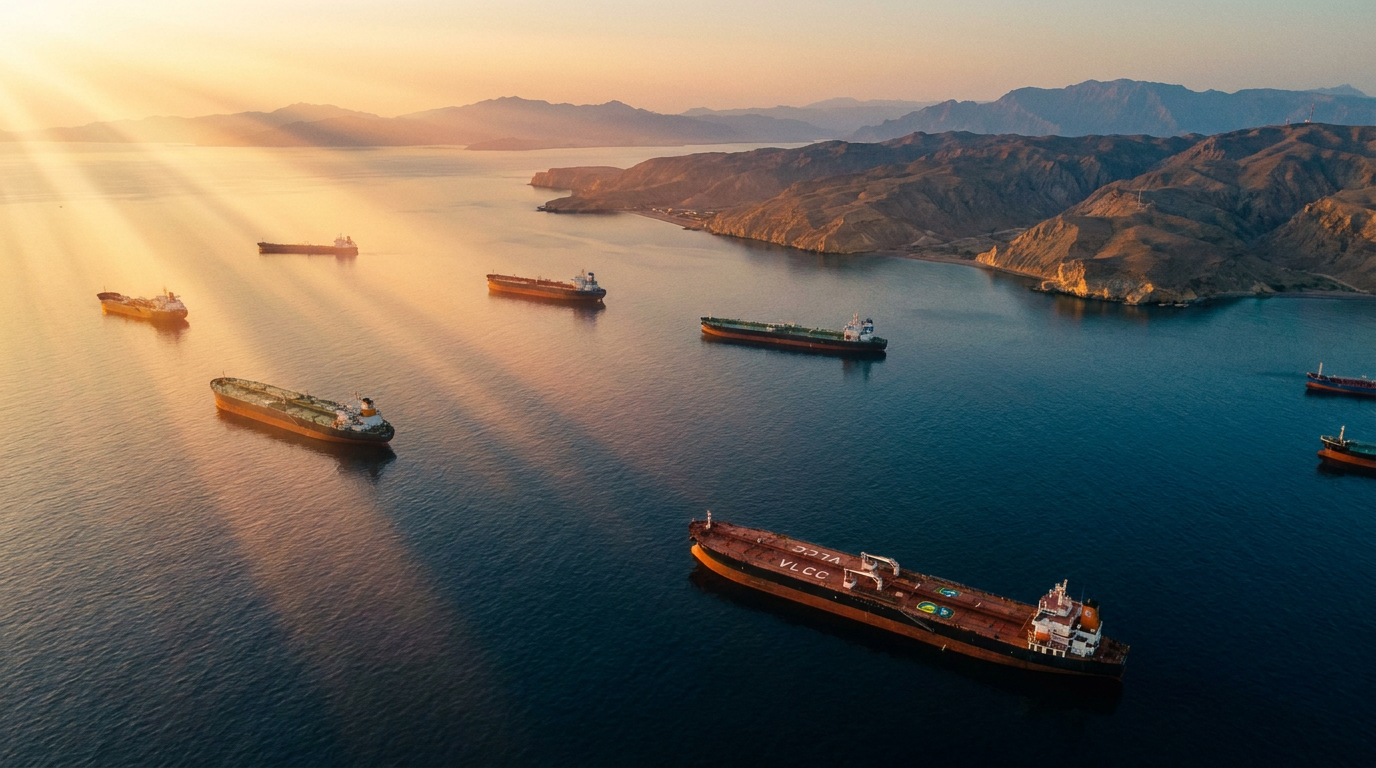
President Trump announced a peace agreement will be signed Sunday to end the US-Iran conflict, though Tehran cautioned that the exact timing remains unconfirmed. The proposed deal would reopen the vital Strait of Hormuz, lift the US naval blockade on Iranian ports, and initiate a 60-day window to dismantle Iran's nuclear program.
By Factlen Editorial Team
- US Optimism
- Focuses on the immediate reopening of the Strait and the dismantling of Iran's nuclear program as a major victory.
- Iranian Caution
- Emphasizes the lifting of the US blockade while downplaying Washington's timeline to project sovereign strength.
- International Mediators
- Highlights the diplomatic progress and the technical steps required to finalize the historic truce.
- Regional Skeptics
- Highlights the domestic pushback in Iran and Israel's concerns over the deal's enforcement.
What's not represented
- · Commercial shipping companies affected by the Strait of Hormuz closure
- · Lebanese civilians impacted by ongoing Israeli military operations
- · European energy markets reliant on Middle Eastern oil
Why this matters
The four-month conflict has choked off the Strait of Hormuz—a waterway that handles a fifth of global oil supplies—driving up energy prices and inflation worldwide. A finalized peace deal would stabilize global markets, lift the US naval blockade, and establish a 60-day framework to address Iran's nuclear program, fundamentally reshaping Middle Eastern security.
Key points
- President Trump announced a US-Iran peace deal will be signed Sunday, immediately reopening the Strait of Hormuz.
- Iranian officials disputed the Sunday timeline but acknowledged an agreement is likely in the coming days.
- The draft deal lifts the US naval blockade on Iranian ports and unfreezes billions in Iranian assets.
- A 60-day negotiation window will follow the signing to finalize the dismantling of Iran's nuclear program.
- Iranian hardliners protested the deal in Mashhad, accusing negotiators of surrendering strategic leverage.
- Israel warned it will maintain its military operations in Lebanon regardless of the US-Iran agreement.
The United States and Iran are on the precipice of a historic peace agreement that would end their four-month war and immediately reopen the strategically vital Strait of Hormuz. President Donald Trump announced late Saturday that a finalized memorandum of understanding is scheduled to be signed on Sunday. In a social media post, Trump declared that the waterway would be "OPEN TO ALL" immediately following the signing, signaling an end to the severe disruptions that have choked global energy markets since the conflict erupted in late February.[1][2]
The diplomatic breakthrough, heavily mediated by Pakistan, represents the most significant de-escalation since a fragile ceasefire took effect in April. Pakistani Prime Minister Shehbaz Sharif confirmed the momentum, stating that the two nations are closer to a peace deal than ever before. Sharif indicated that Islamabad is preparing for an electronic signing ceremony within 24 hours, which will be followed immediately by technical-level talks next week to iron out the complex logistics of the truce.[3][4]
Despite the optimism radiating from Washington and Islamabad, officials in Tehran have projected a more cautious timeline. Iranian Foreign Ministry spokesman Esmaeil Baghaei explicitly pushed back against Trump's Sunday deadline, stating that while an agreement is likely in the coming days, it will not be finalized tomorrow. This rhetorical distance appears designed to demonstrate that Iran is not capitulating to American scheduling demands, even as both sides acknowledge that the core text of the agreement is largely complete.[3][5]

The draft framework offers substantial concessions to both sides, fundamentally altering the security architecture of the Middle East. For Iran, the deal mandates the immediate lifting of the US naval blockade on Iranian ports, which has severely restricted the nation's maritime commerce. Furthermore, the agreement initiates the phased unfreezing of billions of dollars in Iranian assets and the eventual lifting of crippling economic sanctions, provided Tehran meets specific performance benchmarks.[4][7]
In exchange, the United States secures its primary casus belli: the dismantling of Iran's nuclear infrastructure. According to US officials, the agreement establishes a strict 60-day window following the signing to negotiate the technical details of neutralizing Iran's nuclear program. This includes the removal or destruction of Tehran's highly enriched uranium stockpiles. Trump emphasized this point heavily, claiming that Iran "no longer wants a Nuclear Weapon, nor will they have one."[1][2][7]
In exchange, the United States secures its primary casus belli: the dismantling of Iran's nuclear infrastructure.
The prospect of a finalized deal has exposed deep domestic rifts within Iran. Hardline factions and elements aligned with the Islamic Revolutionary Guard Corps have fiercely criticized the diplomatic corps for agreeing to the terms. In the northeastern city of Mashhad, dozens of protesters gathered outside a Foreign Ministry office, chanting slogans against Foreign Minister Abbas Araghchi. These conservative voices argue that relinquishing control over the Strait of Hormuz strips Tehran of its most potent strategic deterrent against future Western aggression.[1][6]

The regional implications of the US-Iran truce extend far beyond the Persian Gulf, particularly concerning Israel. Israeli officials, who launched the war alongside the US but were not direct parties to the recent negotiations in Islamabad, view the emerging memorandum of understanding with profound suspicion. Defense Minister Israel Katz publicly demanded that the Trump administration strictly enforce the removal of Iran's nuclear material, warning that the reported terms could endanger Israel's long-term security interests.[1][2]
Furthermore, the peace deal does not guarantee an immediate end to all regional hostilities. Israel has explicitly stated that the US-Iran agreement will not dictate its ongoing military operations against the Iranian-backed militant group Hezbollah in Lebanon. Katz affirmed that Israeli forces will not withdraw from the security zones they currently occupy in southern Lebanon, signaling that proxy conflicts may continue to simmer even if Washington and Tehran formally declare a truce.[1][2][6]

The economic stakes of the agreement are monumental. The Strait of Hormuz is a critical global chokepoint, historically handling roughly 20 percent of the world's oil and liquid gas supplies. Iran's imposition of transit tolls and the subsequent US naval blockade have severely disrupted international shipping, driving up fuel prices and exacerbating global inflation over the past four months. A successful reopening of the waterway is expected to provide immediate relief to global energy markets.[6][7]
As the world awaits the official signing ceremony, the focus now shifts to the perilous 60-day implementation phase. The technical talks scheduled for next week will test the durability of the agreement, as negotiators attempt to translate broad diplomatic promises into verifiable actions. With hardliners in Tehran protesting the concessions and Israel maintaining its military posture in the Levant, the path from a signed memorandum to lasting regional stability remains fraught with geopolitical landmines.[4][7]
How we got here
Feb 28, 2026
The United States launches Operation Epic Fury against Iran, beginning the war.
April 8, 2026
A fragile two-week ceasefire, mediated by Pakistan, takes effect.
June 11, 2026
US and Iranian officials signal that a draft text for a permanent peace agreement is nearly complete.
June 13, 2026
President Trump announces the deal will be signed on Sunday, though Iran disputes the exact timing.
Viewpoints in depth
US Administration
Views the deal as a definitive victory that neutralizes Iran's nuclear threat.
President Trump and US officials frame the impending agreement as a total success that achieves Washington's primary war aims. By securing a commitment to dismantle Iran's nuclear infrastructure and remove highly enriched uranium, the administration argues it has permanently neutralized a major regional threat. Furthermore, the immediate reopening of the Strait of Hormuz without transit tolls is touted as a win for global commerce and a restoration of international maritime law.
Iranian Government
Frames the agreement as a successful defense of national sovereignty that breaks Western economic blockades.
Iranian diplomats, led by Foreign Minister Abbas Araghchi, emphasize that the deal forces the United States to lift its naval blockade on Iranian ports and unfreeze billions of dollars in assets. State media and official spokespeople project caution regarding the exact signing timeline, ensuring they do not appear to be capitulating to Washington's schedule. For Tehran, the agreement is presented as proof that Iran withstood a massive military assault and emerged with its core infrastructure and regional influence intact.
Iranian Hardliners
Fears the deal surrenders Iran's most potent strategic leverage.
Conservative factions and elements aligned with the Islamic Revolutionary Guard Corps (IRGC) have fiercely criticized the diplomatic corps. Protests in cities like Mashhad highlight a deep domestic rift, with hardliners arguing that relinquishing control over the Strait of Hormuz strips Tehran of its primary deterrent against future Western aggression. They accuse the negotiating team of making asymmetrical concessions, particularly regarding the 60-day window to dismantle the nation's nuclear program.
Israeli Security Establishment
Remains deeply skeptical of the enforcement mechanisms and refuses to alter its regional military posture.
Israeli officials, who were not direct parties to the US-Iran negotiations, view the memorandum of understanding with profound suspicion. Defense Minister Israel Katz and other leaders have publicly demanded that the US strictly enforce the removal of Iran's nuclear material. Furthermore, Israel has explicitly stated that the US-Iran deal will not dictate its ongoing military operations against Hezbollah in Lebanon, signaling that regional proxy conflicts may continue even if Washington and Tehran sign a truce.
What we don't know
- The exact date and time the memorandum of understanding will be officially signed by both nations.
- How the verification mechanisms for dismantling Iran's nuclear program will be structured and enforced.
- Whether Iranian hardliners or regional proxy groups will attempt to disrupt the ceasefire before the technical details are finalized.
- How Israel's continued military presence in Lebanon will impact the broader regional stability envisioned by the deal.
Key terms
- Strait of Hormuz
- A narrow, strategically vital waterway between the Persian Gulf and the Gulf of Oman, through which roughly 20% of the world's oil supply passes.
- Memorandum of Understanding (MOU)
- A formal agreement between two or more parties that establishes a framework for cooperation, often preceding a finalized, binding treaty.
- Highly Enriched Uranium
- Uranium that has been processed to contain a high concentration of the U-235 isotope, making it capable of being used in nuclear weapons.
- Naval Blockade
- The use of naval forces to cut off a specific area, such as a port or coastal region, to prevent the entry or exit of ships and commerce.
Frequently asked
When will the peace deal be signed?
President Trump stated it will be signed on Sunday, June 14, but Iranian officials say the exact date is still undetermined, though likely in the coming days.
What happens to the Strait of Hormuz?
Under the proposed deal, the Strait of Hormuz will be reopened to all international shipping without the transit tolls Iran had previously imposed.
Will Iran keep its nuclear program?
The agreement establishes a 60-day window to negotiate the dismantling of Iran's nuclear program and the removal or destruction of its highly enriched uranium.
How is Israel reacting to the deal?
Israeli officials are skeptical, demanding strict enforcement of the nuclear provisions and stating they will not withdraw their forces from Lebanon.
Sources
Source coverage
7 outlets
4 viewpoints surfaced






[1]CBS NewsUS Optimism
Live Updates: U.S.-Iran peace deal to be signed Sunday, Trump says
Read on CBS News →[2]Fox NewsUS Optimism
Trump says US-Iran deal will be signed on Sunday, with Strait of Hormuz to reopen
Read on Fox News →[3]The GuardianRegional Skeptics
Trump says Iran peace deal could be signed by Sunday, with strait of Hormuz to open shortly after
Read on The Guardian →[4]The Washington PostIranian Caution
U.S. and Iran to close deal within a day, Trump says, but Tehran yet to confirm
Read on The Washington Post →[5]Al JazeeraIranian Caution
Iran war live: Trump says deal to be signed today; Tehran urges caution
Read on Al Jazeera →[6]The HinduInternational Mediators
West Asia war LIVE: Trump says U.S.-Iran deal to be signed today, Hormuz to open afterward
Read on The Hindu →[7]Council on Foreign RelationsInternational Mediators
Is a U.S.-Iran Deal Within Reach? Six Key Issues That Could Shape a Ceasefire
Read on Council on Foreign Relations →
More in news politics
See all 9 stories →Border Security
Trump Signs $70 Billion 'Secure America Act' to Fund Immigration Enforcement Through 2029
0 sources
Gulf Conflict
US and Iran Near Peace Deal to End Gulf War and Reopen Strait of Hormuz
0 sources
US-Iran Conflict
U.S. and Iran Near Two-Stage Peace Deal to End War and Reopen Strait of Hormuz
0 sources
US-Iran Relations
U.S. and Iran to Sign Peace Agreement Ending Four-Month Conflict
0 sources
Every angle. Every day.
Get news politics stories with full source coverage and perspective breakdowns delivered to your inbox.