
U.S. and Pakistan Announce Imminent Peace Deal with Iran to Reopen Strait of Hormuz
U.S. President Donald Trump and Pakistani mediators say an agreement to end the months-long war with Iran will be signed Sunday, though Tehran cautions the timeline may shift.
By Factlen Editorial Team
- U.S. Administration
- The deal represents a definitive victory that neutralizes Iran's nuclear threat without financial concessions.
- Iranian Government
- Iran emerged from the conflict stronger and expects the release of frozen assets and potential transit tolls.
- Regional Mediators
- A pragmatic push to restore economic stability and global shipping.
What's not represented
- · Global Shipping Companies
- · European Energy Importers
- · Israeli Government
Why this matters
The reopening of the Strait of Hormuz will immediately stabilize global energy markets and lower oil prices, while the formal end to the U.S.-Israel-Iran war removes the immediate threat of a broader regional conflict that has disrupted international shipping since February.
Key points
- U.S. President Donald Trump and Pakistani mediators announced an imminent peace deal to end the U.S.-Israel-Iran war.
- The agreement centers on reopening the Strait of Hormuz and lifting the U.S. naval blockade on Iranian ports.
- Trump claims the deal will completely dismantle Iran's nuclear program and allow the U.S. to destroy enriched uranium.
- Iranian officials cautioned that the signing will not happen on Sunday, though they acknowledged an agreement is close.
- The two sides publicly disagree on whether the deal includes the release of frozen Iranian financial assets.
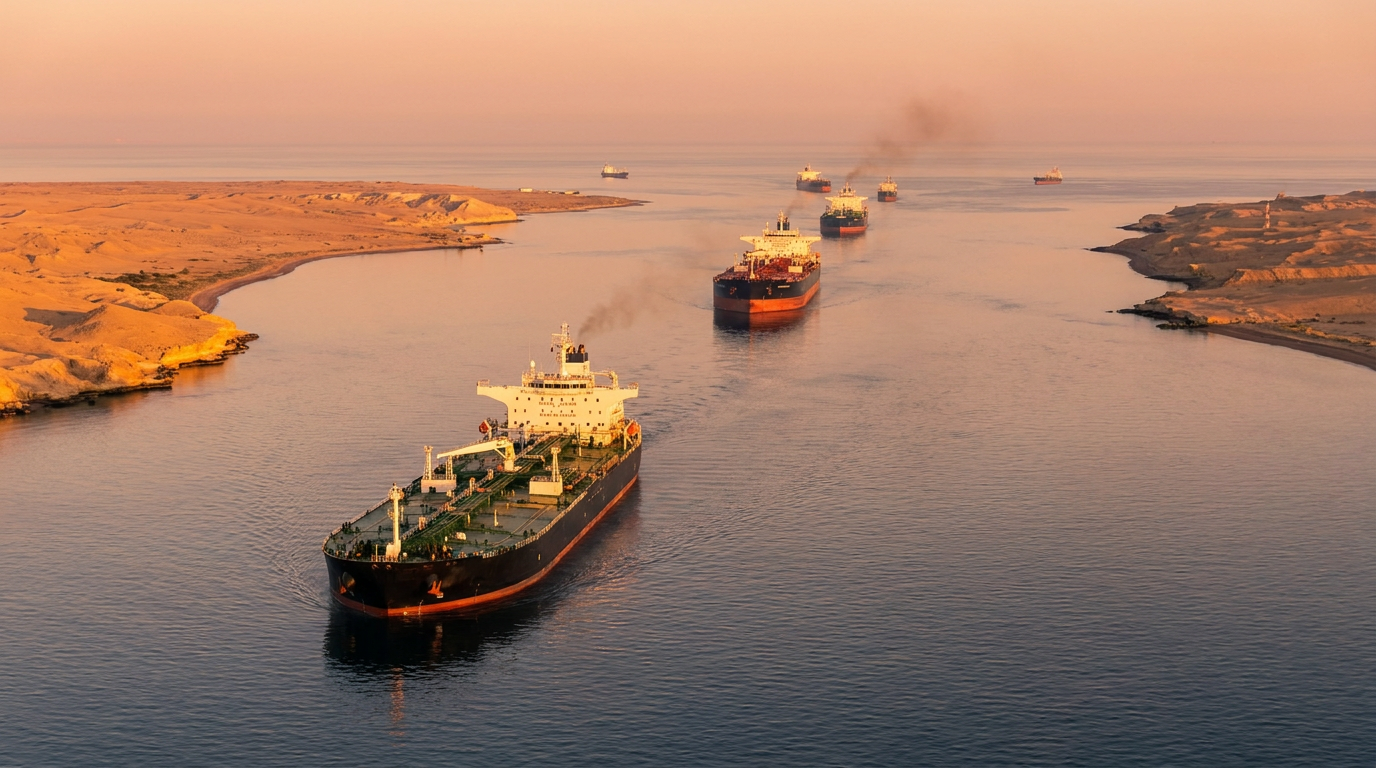
U.S. President Donald Trump and Pakistani Prime Minister Shehbaz Sharif announced that a comprehensive peace agreement to end the months-long war with Iran is scheduled to be signed electronically on Sunday. The deal aims to formally conclude a conflict that began in late February with joint U.S.-Israeli strikes on Iranian territory. According to the U.S. administration, the immediate result of the signing will be the reopening of the Strait of Hormuz, a critical artery for global energy supplies that Iran has blockaded for months.[1][2][4]
Despite the optimism from Washington and Islamabad, officials in Tehran offered a more cautious timeline. Iranian Foreign Ministry spokesperson Esmaeil Baghaei stated that while an agreement is in the offing, the signing "will not be tomorrow." Baghaei emphasized that the possibility of finalizing the memorandum in the coming days remains high, but cited the "hesitation of the other side" as a reason for caution.[1][3][4]
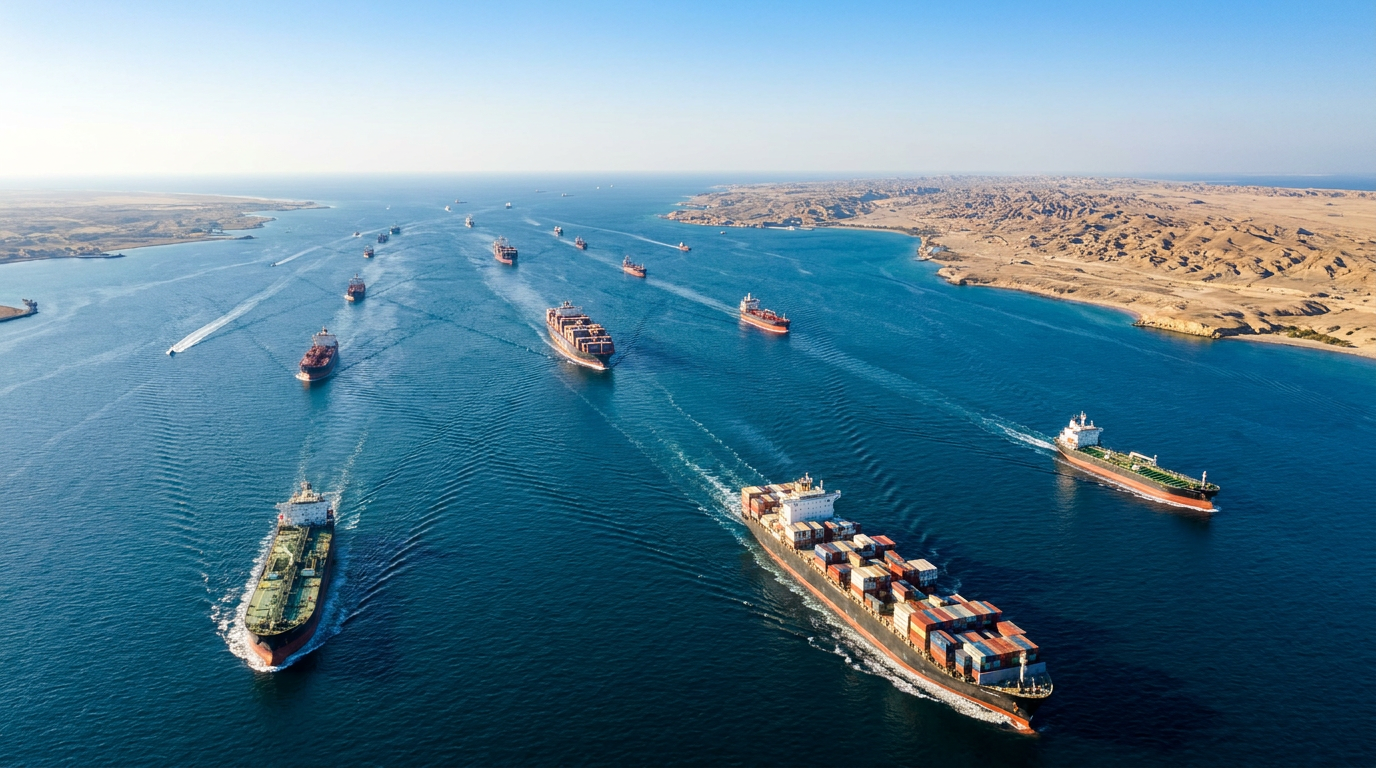
The proposed framework centers on a mutual de-escalation of maritime choke points. Under the tentative terms, Iran would lift its blockade on commercial shipping in the Strait of Hormuz, while the United States would simultaneously lift its naval blockade of Iranian ports. U.S. officials have insisted that the strait must be opened with no tolls, though Iranian state media has suggested Tehran may still seek to charge for transit services.[3][4]

The most contentious element of the proposed agreement involves Iran's nuclear program, which was the stated rationale for the initial U.S.-Israeli military campaign. In a post on his Truth Social platform, President Trump claimed that Iran "no longer want a Nuclear Weapon, nor will they have one." He asserted that the agreement serves as a "wall" against Iranian nuclear ambitions and represents a definitive end to the country's procurement and development efforts.[1][2][6]
The most contentious element of the proposed agreement involves Iran's nuclear program, which was the stated rationale for the initial U.S.-Israeli military campaign.
Trump further detailed an unconventional plan for the disposal of Iran's enriched uranium. He stated that when conditions are calm, the U.S. will deploy B-2 bombers to extract what he termed "Nuclear Dust" buried deep under "sunken granite mountains." According to the president, this material will be downblended and destroyed, either in Iran or the United States, ensuring the complete neutralization of the nuclear threat.[2][5][6]
Financial terms remain a point of public dispute between the warring parties. President Trump explicitly stated that "no money will exchange hands" under the new arrangement, criticizing the financial policies of previous U.S. administrations toward Tehran. Conversely, Iranian media outlets quoted Baghaei asserting that the release of Iran's frozen international assets is an integral component of the memorandum.[2][4]

Pakistan has played a central role in brokering the agreement, having previously mediated the April 8 truce that paused the heaviest fighting. Prime Minister Sharif confirmed that Islamabad is preparing the infrastructure for Sunday's electronic signing, which is expected to be followed by technical-level talks next week. Sharif described the two sides as being "closer to a peace deal than ever before."[2][3][4]
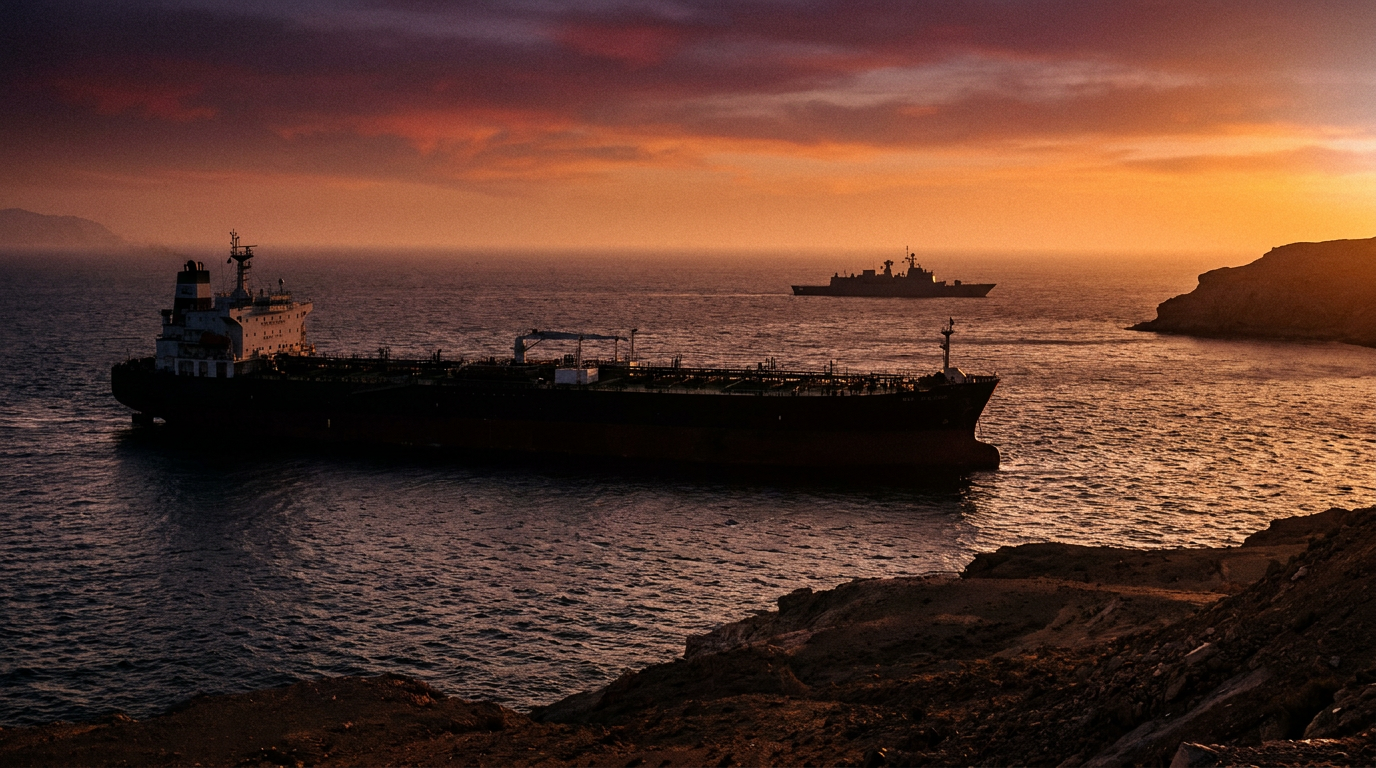
The urgency of the diplomatic breakthrough was underscored by ongoing volatility in the region. Just hours before the announcements, U.S. Central Command reported that American forces had shot down multiple Iranian one-way attack drones attempting to strike commercial vessels in the Strait of Hormuz. The waterway's closure has severely throttled global oil and gas exports, sending energy prices sharply higher since the conflict began.[3][4][5]
While both sides are projecting confidence that the war is drawing to a close, the fragility of the moment remains apparent. Iranian Foreign Minister Abbas Araqchi noted that while his country emerged stronger from the conflict, late-stage changes to the deal are still possible. Meanwhile, President Trump coupled his optimism with a stark warning, stating that if the process does not proceed smoothly, the U.S. retains the "ultimate alternative"—an apparent threat of renewed military action.[4][5][6]
How we got here
Feb 28, 2026
U.S. and Israel launch joint military strikes on Iran, beginning the war.
April 8, 2026
A temporary truce pauses the heaviest fighting, allowing Pakistan to mediate.
June 13, 2026
U.S. and Pakistan announce a peace deal is finalized for a Sunday signing.
June 14, 2026
Target date for the electronic signing of the memorandum of understanding.
Viewpoints in depth
U.S. Administration's view
The deal represents a definitive victory that neutralizes Iran's nuclear threat without financial concessions.
President Trump and U.S. officials are framing the agreement as a complete success for their maximum-pressure military campaign. They emphasize that the deal forces Iran to abandon its nuclear ambitions entirely, allowing the U.S. to physically extract and destroy enriched uranium. Furthermore, Washington insists that the Strait of Hormuz will be opened without tolls and that no frozen Iranian assets will be released, portraying the terms as a unilateral capitulation by Tehran.
Iranian Government's view
Iran emerged from the conflict stronger and expects the release of frozen assets and potential transit tolls.
Iranian officials, including Foreign Minister Abbas Araqchi, argue that Tehran has secured its strategic objectives and demonstrated its deterrence capabilities. The Iranian Foreign Ministry is deliberately slowing the timeline to project independence, pushing back against the U.S. narrative of a Sunday signing. Domestically, Iranian state media is emphasizing that the deal will result in the release of frozen international funds and the lifting of the U.S. naval blockade, framing the outcome as a successful defense of Iranian sovereignty.
Regional Mediators' view
A pragmatic push to restore economic stability and global shipping.
For Pakistan and other regional stakeholders, the primary goal is the immediate cessation of hostilities and the reopening of the Strait of Hormuz. Pakistani Prime Minister Shehbaz Sharif has focused entirely on the logistical success of the negotiations, eager to claim credit for brokering the peace. Regional powers are less concerned with the rhetorical posturing over who 'won' the war and more focused on stabilizing global energy markets that have been severely disrupted since February.
What we don't know
- The exact time and date the electronic signing will take place, given Iran's public hesitation.
- How the U.S. practically intends to extract and destroy nuclear material from deep underground Iranian facilities.
- Whether Iran will attempt to levy transit tolls on commercial shipping in the Strait of Hormuz.
Key terms
- Strait of Hormuz
- A vital maritime chokepoint between the Persian Gulf and the Gulf of Oman, through which a significant portion of the world's oil supply passes.
- Nuclear Dust
- A term used by President Trump to describe Iran's stockpile of enriched uranium and nuclear material buried in underground facilities.
- Downblending
- The process of reducing the concentration of the uranium-235 isotope in enriched uranium, rendering it unusable for nuclear weapons.
Frequently asked
Is the war between the U.S. and Iran officially over?
Not yet, but an agreement is imminent. A peace deal is scheduled to be signed electronically as early as Sunday, which would formally end the hostilities that began in February.
Will the Strait of Hormuz reopen?
Yes. The reopening of the Strait of Hormuz to all commercial shipping is a central condition of the agreement, accompanied by the lifting of the U.S. naval blockade on Iranian ports.
What happens to Iran's nuclear program?
The U.S. claims the deal will lead to the complete dismantling of Iran's nuclear program, including the physical removal and destruction of its enriched uranium, though technical talks on this issue will follow the initial signing.
Sources
Source coverage
7 outlets
3 viewpoints surfaced







[1]The GuardianRegional Mediators
Trump news at a glance: president claims Iran ‘no longer want a nuclear weapon’ amid peace deal hopes
Read on The Guardian →[2]Anadolu AgencyIranian Government
Trump says deal with Iran to be signed on Sunday
Read on Anadolu Agency →[3]The New ArabIranian Government
US-Iran peace deal: Trump says signing on Sunday, Hormuz to open
Read on The New Arab →[4]Japan TodayRegional Mediators
Trump, Pakistan say Iran peace deal to be signed Sunday; Tehran cautious
Read on Japan Today →[5]Al ArabiyaIranian Government
Trump says Iran peace deal to be signed Sunday, opening Hormuz
Read on Al Arabiya →[6]ITV NewsU.S. Administration
Trump insists Iran peace deal to be signed on Sunday despite Tehran caution
Read on ITV News →[7]EFEU.S. Administration
Trump announces US-Iran peace deal to be signed Sunday
Read on EFE →
Every angle. Every day.
Get news politics stories with full source coverage and perspective breakdowns delivered to your inbox.