
U.S. and Iran Near Two-Stage Peace Deal to End War and Reopen Strait of Hormuz
President Trump and mediators announced an imminent agreement to end the four-month conflict, though Iranian and Israeli officials remain divided over the timeline and terms.
By Factlen Editorial Team
- U.S. Administration
- Views the deal as a definitive victory that secures the Strait of Hormuz and ends the nuclear threat.
- Iranian Moderates
- Frames the agreement as a necessary step to lift the blockade and rescue the Iranian economy.
- Israeli Security Establishment
- Deeply skeptical of the pact, arguing it enriches a hostile regime without securing Israel's borders.
- Iranian Hardliners
- Opposes the deal, arguing it surrenders Iran's primary maritime leverage for insufficient guarantees.
- International Mediators
- Focused on de-escalation and restoring global economic stability through diplomatic compromise.
What's not represented
- · Global shipping companies affected by the Strait of Hormuz closure
- · Lebanese civilians caught in the ongoing cross-border conflict
- · European energy importers reliant on Middle Eastern oil
Why this matters
This agreement would end a four-month regional war that has severely disrupted global shipping and energy markets. Reopening the Strait of Hormuz is expected to rapidly stabilize worldwide fuel prices, though the delayed nuclear negotiations leave long-term Middle East security deeply uncertain.
Key points
- The U.S. and Iran are finalizing a two-stage agreement to end their four-month military conflict.
- Stage one includes a ceasefire, lifting the U.S. naval blockade, and reopening the Strait of Hormuz.
- Iran is expected to receive significant economic relief, including the unfreezing of up to $24 billion in assets.
- Stage two establishes a 60-day window to negotiate the dismantling of Iran's nuclear program.
- Israeli officials strongly oppose the deal, arguing it leaves the Iranian regime and its proxy network intact.
- Iranian hardliners have protested the agreement, accusing negotiators of surrendering vital maritime leverage.
After nearly four months of a devastating regional war that choked global energy supplies, the United States and Iran appear on the verge of signing a landmark peace agreement. On Saturday, President Donald Trump announced that a deal to end the conflict is scheduled to be signed on Sunday, declaring that the strategic Strait of Hormuz would immediately reopen to all international shipping. The announcement was corroborated by Pakistani Prime Minister Shehbaz Sharif, who has served as the primary mediator between Washington and Tehran. Sharif stated that the finalization of the pact was 'likely expected in the next 24 hours,' signaling a potential end to one of the most volatile geopolitical crises of the decade.[1][2][4]
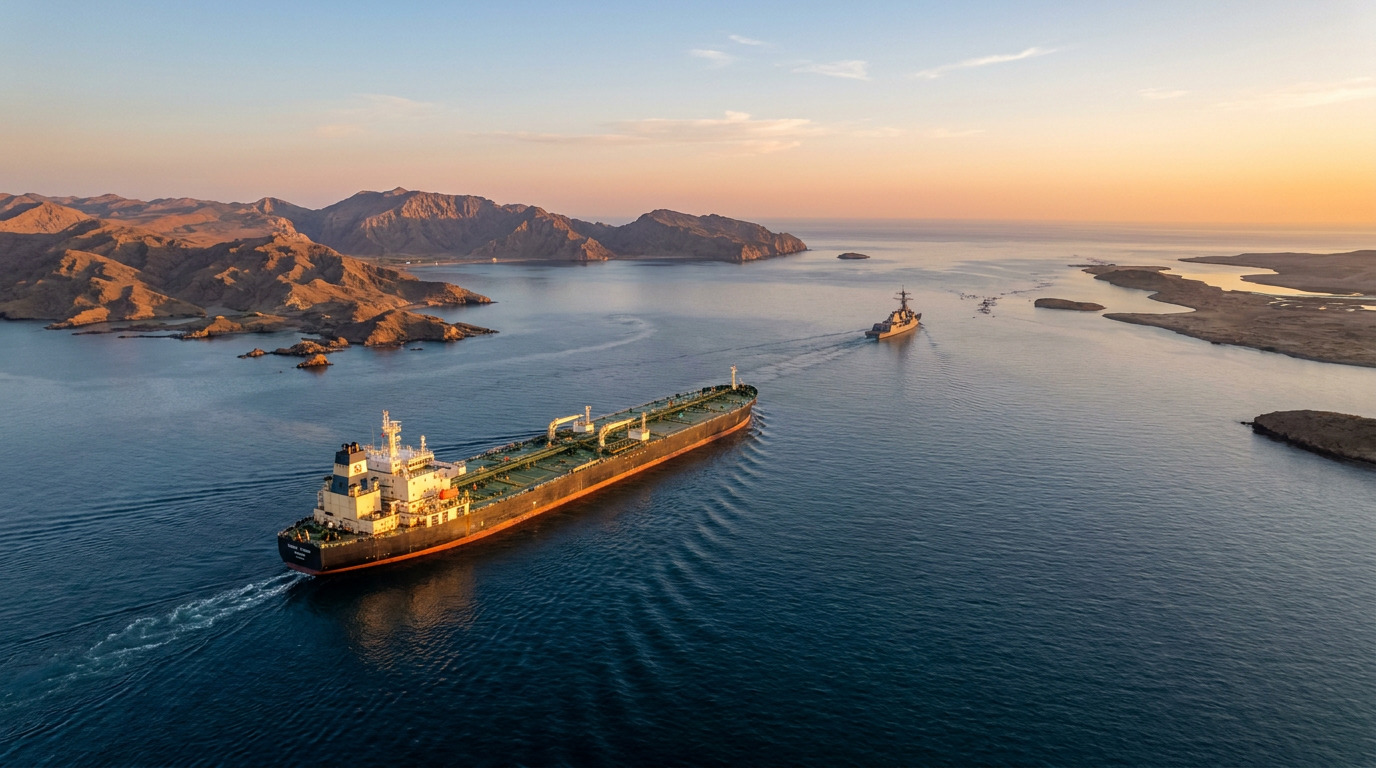
The stakes of the emerging agreement are monumental for both the Middle East and the global economy. Since the United States launched Operation Epic Fury in late February 2026, the conflict has severely disrupted regional stability and sent global oil prices spiraling. The war effectively closed the Strait of Hormuz—a vital maritime chokepoint that historically carried roughly a fifth of the world's oil and liquid gas supplies. A successful resolution would not only halt direct military confrontations but also lift the strict U.S. naval blockade on Iranian ports that has been aggressively enforced since mid-April, allowing commercial transit to resume.[3][5]
However, the exact timing and the precise text of the agreement remain contested, highlighting the fragility of the diplomatic breakthrough. While Washington and Islamabad projected a Sunday signing, Iran's Foreign Ministry spokesperson Esmaeil Baghaei cautioned that the memorandum of understanding would not be signed that quickly. Baghaei noted that while a signing in the coming days could not be ruled out, Tehran was waiting for final technical details to be resolved, warning against premature declarations given the complex nature of the ongoing negotiations.[1][3]
The mechanism of the proposed peace deal relies on a phased, two-stage approach rather than an immediate, comprehensive treaty. According to regional officials and analysts at the Institute for the Study of War, the first stage functions as an extended ceasefire and an economic reset. It mandates the immediate cessation of hostilities on all fronts, the reopening of the Strait of Hormuz without Iranian transit tolls, and the lifting of the U.S. naval blockade. This bifurcated structure is designed to build initial trust before tackling the most intractable disputes.[4][8]

In exchange for reopening the critical waterway, Iran is slated to receive substantial and immediate economic relief. Reports indicate this first phase includes the suspension of specific U.S. sanctions on Iranian oil and petrochemical sales, alongside the unfreezing of billions of dollars in Iranian assets held abroad. Some estimates suggest the released funds could total up to $24 billion. For Tehran, this capital injection provides a critical lifeline to an economy battered by months of intense warfare, infrastructure damage, and crippling maritime blockades.[3][6]
The second stage of the agreement tackles the core issue that precipitated the conflict: Iran's nuclear program. The memorandum reportedly establishes a 60-day window following the initial signing for Washington and Tehran to negotiate the dismantling of nuclear material that could be used to create an atomic weapon. Iranian Foreign Minister Abbas Araghchi confirmed that terms dealing with the nuclear program would be finalized during this specific period, with an option to extend the timeframe if both parties agree that progress is being made.[1][4]
President Trump has framed this framework as a definitive and historic victory over Iran's nuclear ambitions. In a social media post, he sharply contrasted the emerging pact with the Obama-era Joint Comprehensive Plan of Action (JCPOA), describing his new agreement as 'A WALL TO NO NUCLEAR WEAPON.' Trump asserted that Iran no longer desires a nuclear weapon and that the United States would retrieve and destroy Iranian nuclear waste once the region stabilizes, claiming the deal requires no upfront cash payments from the U.S. Treasury.[1][5]
President Trump has framed this framework as a definitive and historic victory over Iran's nuclear ambitions.
Yet, the phased structure of the agreement introduces significant strategic uncertainty. By securing economic relief and the unfreezing of assets in the first stage, Iran may successfully reduce U.S. leverage heading into the complex nuclear negotiations of the second stage. Military analysts suggest that Tehran views the current memorandum primarily as a tactical pause to rebuild its economy and military infrastructure, rather than a final surrender of its strategic capabilities. If the 60-day window expires without a verifiable nuclear framework, the U.S. could find itself facing a newly enriched adversary.[8]
This diplomatic maneuvering has ignited fierce domestic backlash within Iran. Hardline factions argue that the government is making too many concessions and prematurely surrendering its primary geopolitical leverage—control over the Strait of Hormuz. On Saturday, dozens of protesters gathered outside a foreign ministry office in the northeastern city of Mashhad, chanting slogans against Foreign Minister Araghchi. The demonstrators accused the negotiating team of capitulation and demanded that Iran maintain its ability to charge transit fees in the strait.[1][7]

The domestic pressure in Tehran is compounded by the ongoing transition of power, following the death of Supreme Leader Ali Khamenei in a joint U.S.-Israeli airstrike during the opening days of the war. Iranian media outlets affiliated with the Islamic Revolutionary Guard Corps have portrayed the deal strictly as a temporary truce. They emphasize that the underlying ideological conflict with the United States remains unresolved, framing the agreement as a necessary measure to end the blockade rather than a shift in long-term foreign policy.[4][8]
Meanwhile, the prospect of a U.S.-Iran deal has triggered profound alarm in Israel, where leaders across the political spectrum argue the agreement fails to meet their fundamental war objectives. Former Prime Minister and opposition leader Yair Lapid fiercely criticized the emerging pact, stating it leaves the Iranian government in power, its missile program intact, and its nuclear ambitions merely delayed. Lapid characterized the diplomatic outcome as a 'complete failure' by Prime Minister Benjamin Netanyahu, warning that it turns Israel into a vulnerable satellite state.[9][10]
The Israeli government shares this deep skepticism regarding Washington's diplomatic push. Defense Minister Israel Katz warned that while Israel expects the U.S. to prevent Iran from obtaining nuclear weapons, the country retains the absolute right to act independently to secure its borders. The divergence in strategic priorities between Washington and Tel Aviv is becoming increasingly apparent, particularly regarding the northern front. Israeli officials fear that a U.S.-brokered peace will embolden Iranian proxies, leaving Israel to manage the fallout without direct American military backing.[1][6]
While the U.S.-Iran deal seeks to end hostilities on all fronts, Israel has explicitly refused to withdraw from its military operations in Lebanon. The Israel Defense Forces have continued extensive strikes against Hezbollah infrastructure, recently clearing extensive terror tunnels beneath Beaufort Ridge. Iranian state media has attempted to link the conflict in southern Lebanon to the broader peace deal, but Israel insists it will not pull out of the security zones it currently occupies, setting the stage for continued localized conflict.[5][10]
The logistical execution of the broader peace deal now rests heavily on Pakistan's diplomatic infrastructure. Prime Minister Sharif indicated that Islamabad is preparing for an electronic signing of the memorandum of understanding, which will immediately be followed by technical-level talks. These subsequent discussions will be crucial for ironing out the enforcement mechanisms, including how the U.S. will verify the unhindered transit of commercial vessels, the exact schedule for unfreezing Iranian funds, and the protocols for the upcoming nuclear inspections.[2][4]

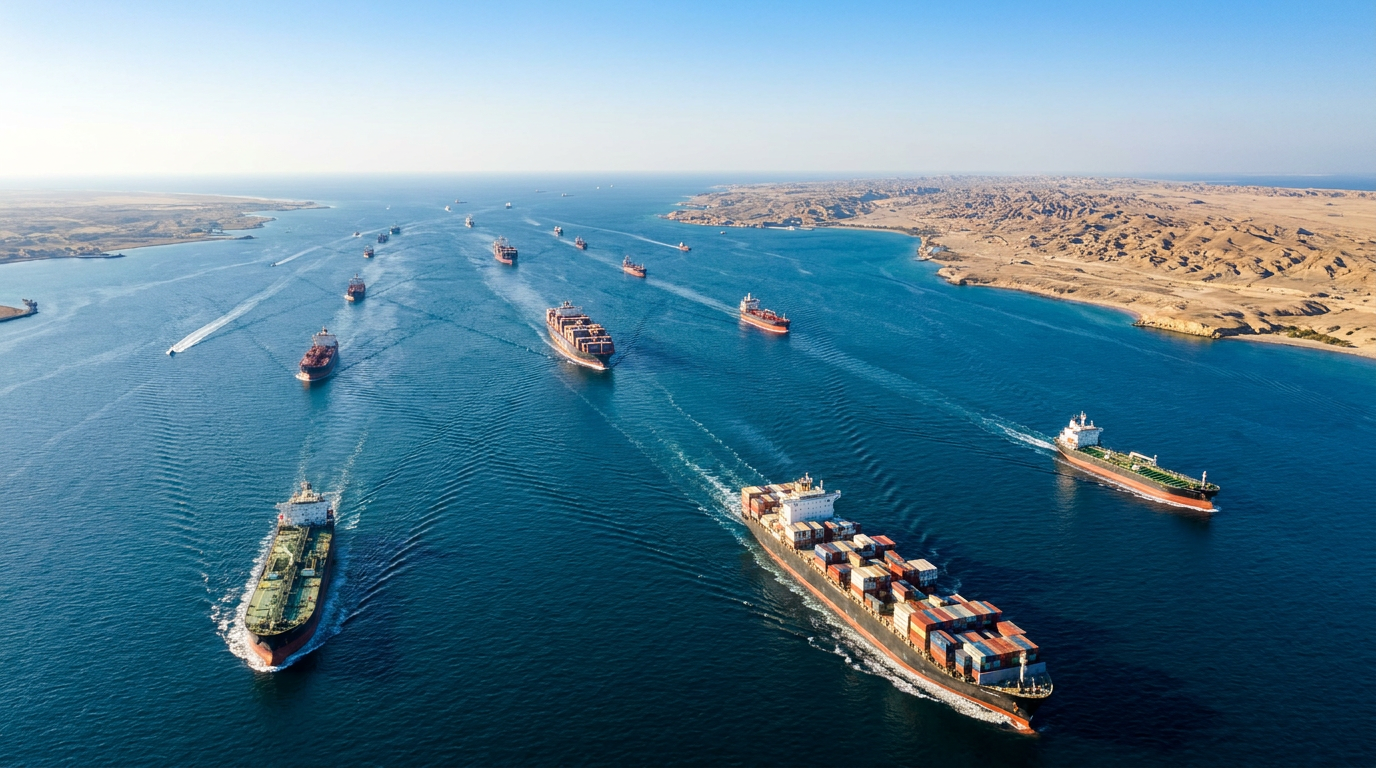
For the global economy, the stakes of these technical talks cannot be overstated. The four-month disruption of the Strait of Hormuz has driven up fuel prices, exacerbated inflation worldwide, and forced shipping companies to reroute vessels at massive expense. If the waterway successfully reopens and commercial shipping resumes unimpeded, energy markets are expected to stabilize rapidly. Treasury officials anticipate that the resumption of normal maritime traffic will offer immediate financial relief to consumers and industries far beyond the Middle East, easing one of the primary economic pain points of the year.[1][4]
Ultimately, the success of the agreement hinges on whether the 60-day nuclear negotiation window yields a verifiable dismantling of Iran's atomic capabilities, or if it merely provides a well-funded intermission in a decades-long geopolitical struggle. As the world watches for the final signatures, the delicate balance between immediate economic relief, maritime security, and long-term nuclear containment remains fiercely contested. The coming days will determine whether this framework represents a lasting peace or just a temporary pause in a broader regional war.
How we got here
Feb 28, 2026
The U.S. launches Operation Epic Fury, initiating direct military conflict with Iran.
April 8, 2026
A fragile truce pauses the worst of the direct military exchanges.
June 10, 2026
U.S. forces disable oil tankers attempting to break the naval blockade on Iranian ports.
June 13, 2026
President Trump and Pakistani mediators announce a peace deal is imminent.
June 14, 2026
The anticipated window for an electronic signing of the memorandum of understanding.
Viewpoints in depth
U.S. Administration
Frames the deal as a definitive victory that eliminates the Iranian nuclear threat without prolonged conflict.
President Trump and his allies argue that the agreement achieves what previous administrations could not: an ironclad guarantee against an Iranian nuclear weapon. By leveraging intense military and economic pressure over the past four months, the administration claims it has forced Tehran to abandon its atomic ambitions. Officials emphasize that unlike the Obama-era JCPOA, this deal will physically remove nuclear waste from the country and requires zero upfront cash payments from the U.S. Treasury.
Iranian Government
Views the memorandum as a necessary tactical pause to secure vital economic relief and lift the naval blockade.
For Tehran's moderate factions and the foreign ministry, the immediate priority is economic survival. By agreeing to a phased deal, Iran secures the unfreezing of up to $24 billion in assets and the lifting of the U.S. naval blockade before making irreversible concessions on its nuclear program. Analysts note this structure allows Iran to rebuild its battered economy and infrastructure while retaining leverage for the 60-day nuclear negotiation window.
Israeli Leadership
Deeply opposed to the agreement, arguing it leaves the Iranian regime intact and fails to secure Israel's northern border.
Across the Israeli political spectrum, the emerging deal is viewed with profound alarm. Both Prime Minister Benjamin Netanyahu's government and opposition leaders like Yair Lapid argue the pact fails to achieve Israel's war objectives. They contend that unfreezing billions of dollars will only enrich the Iranian government and its proxy network. Furthermore, Israel insists that any regional peace must include the withdrawal of Hezbollah forces in Lebanon—a condition the current U.S.-Iran framework does not guarantee, prompting Israel to maintain its independent military operations.
What we don't know
- Whether Iran will actually agree to dismantle its nuclear program during the 60-day negotiation window.
- How Israel will adapt its ongoing military operations in Lebanon if the U.S. formally ends hostilities with Iran.
- The exact timeline for the unfreezing of Iranian assets and the lifting of specific oil sanctions.
Key terms
- Strait of Hormuz
- A narrow maritime chokepoint between the Persian Gulf and the Gulf of Oman, through which roughly 20% of the world's oil supply passes.
- Operation Epic Fury
- The U.S. military campaign launched against Iran in late February 2026, which included a naval blockade and airstrikes.
- Joint Comprehensive Plan of Action (JCPOA)
- The 2015 nuclear agreement between Iran and world powers, which President Trump withdrew from during his first term.
- Naval Blockade
- A military operation in which the U.S. Navy prevented commercial vessels from entering or leaving Iranian ports.
Frequently asked
When will the peace deal be signed?
President Trump stated it would be signed on Sunday, June 14, but Iranian officials have cautioned that while imminent, the exact date is not yet finalized.
Will gas prices go down?
Yes, economists expect global fuel prices to drop significantly once the Strait of Hormuz reopens and commercial oil shipping resumes unimpeded.
Does this mean Iran is giving up its nuclear program?
The initial agreement sets a 60-day window to negotiate the dismantling of Iran's nuclear material, but the final terms of that dismantlement are not yet secured.
Is Israel part of this peace deal?
No. Israeli leaders have criticized the agreement and stated they will continue their independent military operations, particularly against Hezbollah in Lebanon.
Sources
Source coverage
10 outlets
5 viewpoints surfaced










[1]CBS NewsU.S. Administration
Live Updates: U.S.-Iran peace deal to be signed Sunday, Trump says
Read on CBS News →[2]ForbesU.S. Administration
U.S.-Iran Peace Deal Expected To Be Signed Sunday, Trump Says
Read on Forbes →[3]The GuardianInternational Mediators
Trump says Iran peace deal could be signed by Sunday, with strait of Hormuz to open shortly after
Read on The Guardian →[4]The Washington PostIranian Moderates
U.S. and Iran to close deal within a day, Trump says, but Tehran yet to confirm
Read on The Washington Post →[5]Fox NewsU.S. Administration
Live Updates: US-Iran deal will be signed tomorrow, Trump says
Read on Fox News →[6]PBS NewsIranian Moderates
What to know about a possible U.S.-Iran deal to end the war
Read on PBS News →[7]The HinduIranian Hardliners
West Asia war LIVE: Trump says U.S.-Iran deal to be signed today, Hormuz to open afterward
Read on The Hindu →[8]Institute for the Study of WarIranian Hardliners
Iran Update Special Report, June 13, 2026
Read on Institute for the Study of War →[9]Anadolu AgencyIsraeli Security Establishment
Emerging US-Iran deal fails to meet any of Israel's war goals, says former prime minister
Read on Anadolu Agency →[10]The Jerusalem PostIsraeli Security Establishment
Live Updates: Latest from Israel, Iran, and Middle East
Read on The Jerusalem Post →
Every angle. Every day.
Get news politics stories with full source coverage and perspective breakdowns delivered to your inbox.