
U.S. and Iran to Sign Peace Agreement Ending Four-Month Conflict
President Trump and Iranian officials have signaled that a comprehensive peace deal will be signed on Sunday, ending the war that began in February. The agreement promises to reopen the Strait of Hormuz and includes Iranian concessions on nuclear development in exchange for sanctions relief.
By Factlen Editorial Team
- U.S. Administration
- Views the agreement as a total victory for military deterrence and maximum pressure diplomacy.
- Iranian Leadership
- Frames the deal as a necessary and successful maneuver to lift crippling economic sanctions and preserve domestic stability.
- Global Markets
- Focused entirely on the resumption of safe commercial shipping and the stabilization of energy and commodity prices.
- Security Skeptics
- Warns that the deal may not permanently dismantle Iran's proxy networks or its long-term nuclear ambitions.
What's not represented
- · Regional proxy groups in Lebanon and Yemen
- · European Union trade ministers
Why this matters
The reopening of the Strait of Hormuz will immediately stabilize global energy markets, lowering fuel costs worldwide. Furthermore, the cessation of hostilities neutralizes the immediate threat of a broader Middle Eastern war and reshapes U.S. foreign policy ahead of the 2026 midterms.
Key points
- The U.S. and Iran are set to sign a comprehensive peace agreement on Sunday.
- The deal ends a four-month conflict that began in late February 2026.
- The Strait of Hormuz will be reopened immediately, easing global energy markets.
- Iran agrees to halt nuclear weapons development and allow strict IAEA inspections.
- In exchange, the U.S. will unfreeze $18 billion in assets and lift oil sanctions.
- Oil and gold prices have already dropped sharply in anticipation of the signing.
President Donald Trump announced on Saturday that the United States and Iran are poised to sign a historic peace agreement on Sunday, bringing an end to the four-month conflict that has rattled global markets and reshaped Middle Eastern geopolitics. The war, which began in late February following a joint U.S. and Israeli military campaign, has severely disrupted international shipping and energy supplies. Now, negotiators from both sides indicate that the final hurdles have been cleared, setting the stage for a dramatic diplomatic resolution.[1][3][4]
The centerpiece of the impending treaty is a mutual de-escalation: an immediate ceasefire, the reopening of the critical Strait of Hormuz, and a renewed commitment from Tehran to halt its nuclear weapons program. Trump stated publicly that Iran "no longer wants a nuclear weapon," framing the diplomatic breakthrough as a decisive victory for his administration's maximum-pressure military and economic strategy. The White House maintains that the intense bombing campaign over the spring forced Tehran to the negotiating table.[1][4]
Iranian officials, while offering a slightly different timeline for the final signatures earlier in the day, have corroborated that an agreement is imminent. State media in Tehran has emphasized the economic relief that will accompany the deal, signaling to the Iranian public that the crippling wartime sanctions and daily bombardments will soon cease. The economic toll of the conflict has been devastating for Iran, making a diplomatic off-ramp a domestic necessity for the country's leadership to maintain stability.[1][7]
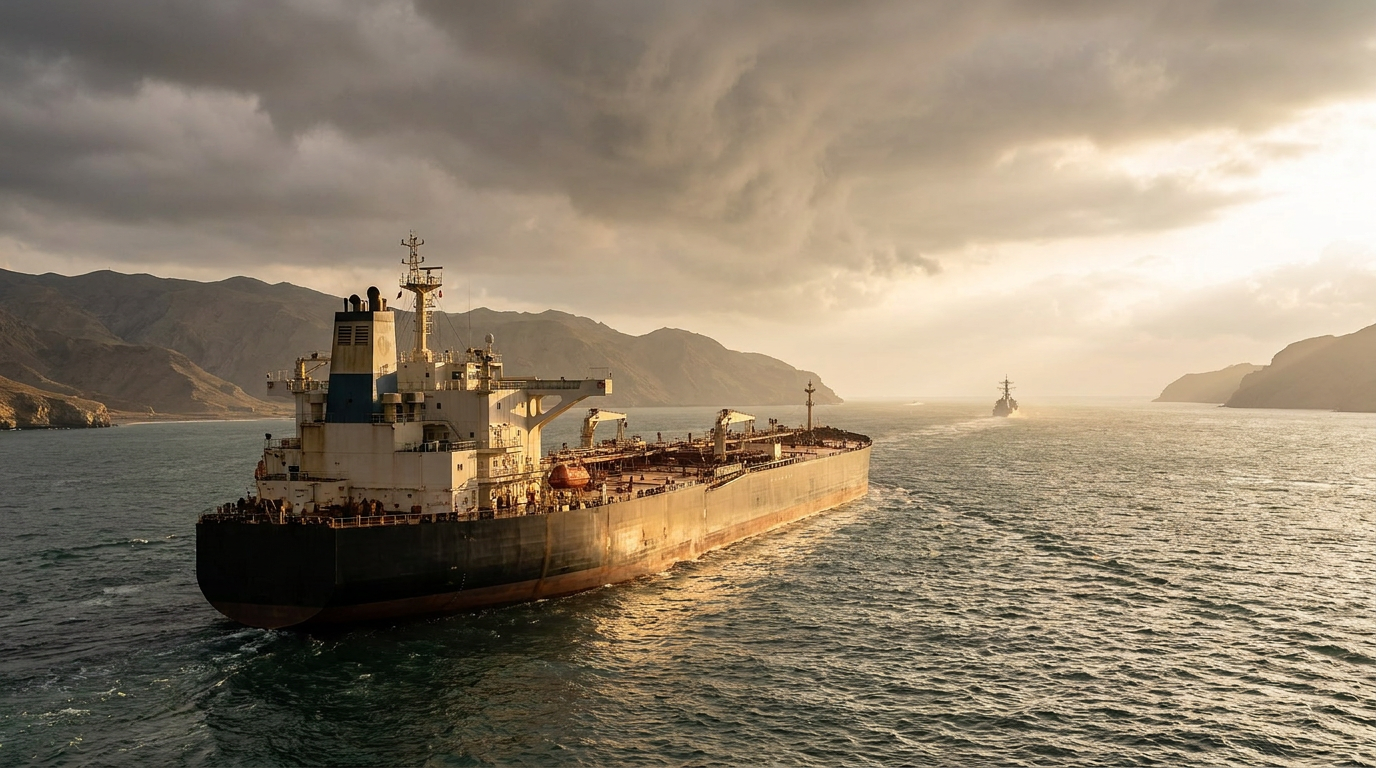
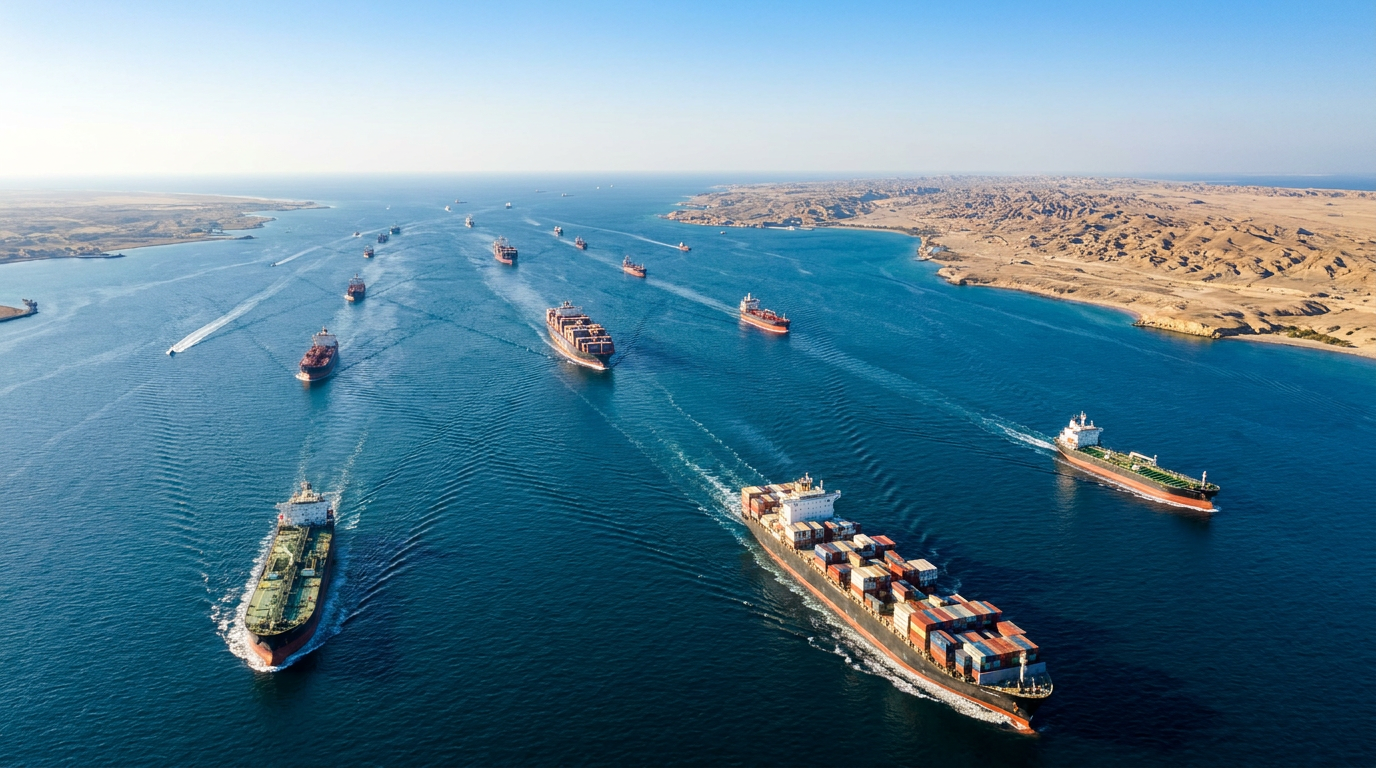
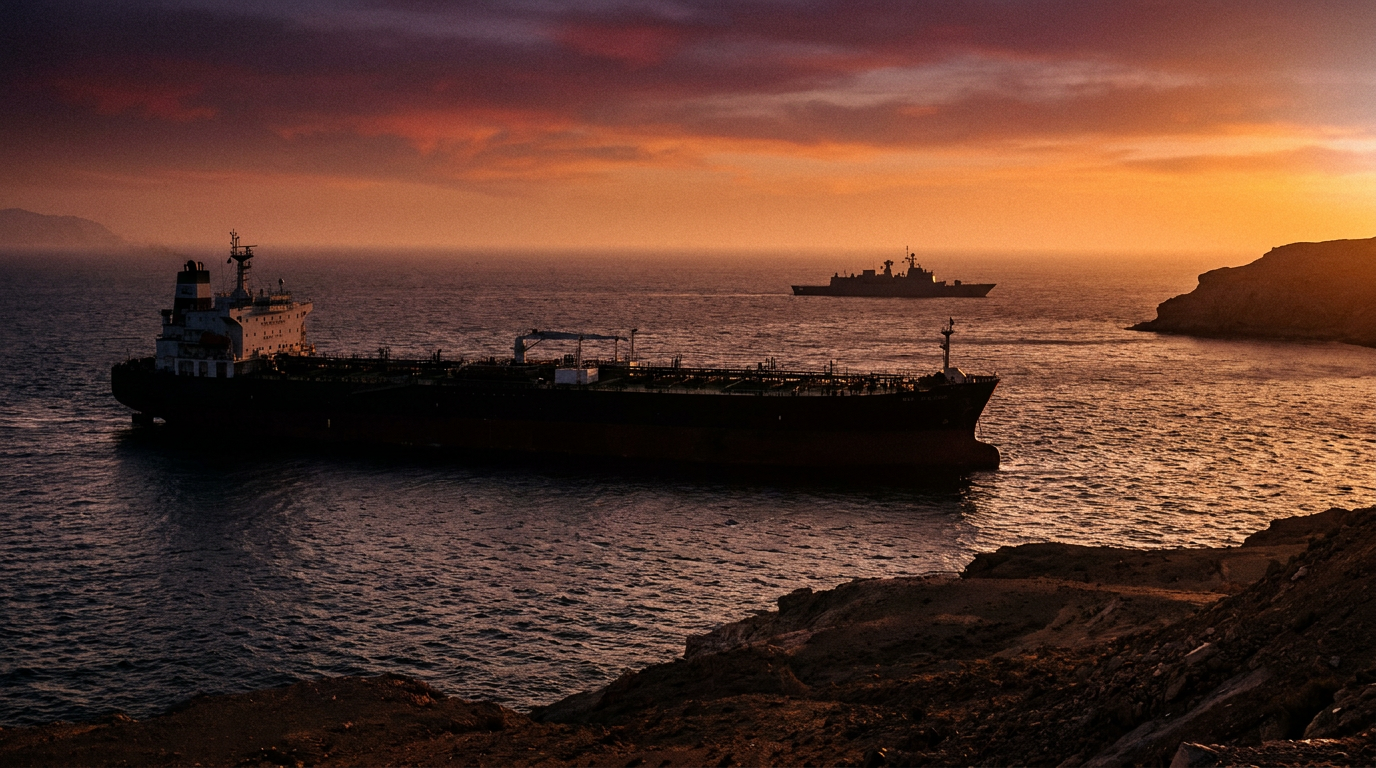
The most immediate global impact of the treaty will be the reopening of the Strait of Hormuz. Since the conflict erupted in February, commercial transit through the narrow waterway—which typically handles roughly 20% of the world's global oil consumption—has been effectively paralyzed by naval mines and military blockades. The draft agreement stipulates that the strait will be "open to all" immediately upon signing, with international naval coalitions overseeing the complex demining process to ensure safe passage for commercial tankers.[1][5]
Global financial markets have already begun pricing in the peace dividend. The price of gold, a traditional safe-haven asset during geopolitical crises, has been trending downward over the past week as rumors of the ceasefire gained traction. Similarly, Brent crude oil futures plummeted by nearly 9% on Friday afternoon as traders anticipated the sudden influx of delayed Middle Eastern oil shipments re-entering the global supply chain, a move expected to lower consumer gas prices significantly in the coming weeks.[2][5][8]

Global financial markets have already begun pricing in the peace dividend.
Beyond immediate maritime security, the long-term mechanism of the deal hinges on nuclear verification. According to foreign policy analysts, the agreement requires Iran to dismantle the advanced centrifuge cascades installed deep within the Fordow facility during the height of the conflict. In exchange, the U.S. Treasury Department will unfreeze an estimated $18 billion in Iranian assets held in foreign banks and lift the secondary sanctions imposed on Iranian oil exports in March.[6][8]
The enforcement of these nuclear concessions relies on a newly structured inspection regime by the International Atomic Energy Agency (IAEA). Unlike previous agreements, this treaty reportedly grants IAEA inspectors "anywhere, anytime" access to Iranian military installations, a concession Tehran had fiercely resisted for decades. U.S. officials argue this stringent verification mechanism prevents Iran from covertly enriching uranium while enjoying the influx of economic relief.[3][6]

Despite the optimism emanating from Washington and Tehran, significant uncertainties remain regarding the durability of the accord. Defense analysts point out that the underlying proxy networks—including Hezbollah in Lebanon and the Houthis in Yemen—are not explicitly dismantled by the core text of the Sunday agreement. Skeptics warn that Iran could use the un-frozen assets to quietly rebuild these militant networks once the immediate military threat from the U.S. and Israel subsides.[6][8]
The Israeli government, which partnered with the U.S. in the initial February strikes aimed at degrading Iran's nuclear infrastructure, has offered a cautious endorsement of the diplomatic track. Israeli defense officials have stated that the military campaign successfully set Iran's nuclear timeline back by at least five years, making a diplomatic freeze acceptable in the short term, provided the IAEA inspections are rigorously enforced and monitored by Western intelligence.[3][6]

Domestically, the peace deal represents a massive political boon for the Trump administration as the U.S. approaches its semiquincentennial celebrations and the 2026 midterm elections. By delivering on a promise to end the war swiftly and lower gas prices through the reopening of Hormuz, the administration is positioning the accord as a masterclass in "peace through strength" diplomacy, aiming to neutralize foreign policy criticisms from political opponents.[1][4]
The cessation of hostilities also brings profound relief to civilian populations caught in the crossfire. Over the past four months, targeted strikes and retaliatory drone swarms have caused significant infrastructure damage across the region. Humanitarian organizations are currently staging relief supplies in neighboring Oman and the United Arab Emirates, preparing to deliver medical aid and infrastructure repair equipment to affected areas as soon as the airspace is officially secured.[7]
As diplomats finalize the translation of the binding texts in Geneva this weekend, the world watches to see if the Sunday signing ceremony will proceed without last-minute disruptions. If successful, the treaty will not only end one of the most volatile conflicts of the decade but also establish a new, albeit fragile, security architecture for the Middle East, fundamentally altering the geopolitical landscape for years to come.[1][3][8]

How we got here
Late Feb 2026
The U.S. and Israel launch a joint military campaign against Iranian nuclear sites, initiating the conflict.
March 2026
The Strait of Hormuz is effectively closed to commercial shipping due to naval mines and blockades.
May 2026
Secret backchannel negotiations between U.S. and Iranian diplomats intensify in Oman.
June 13, 2026
President Trump publicly announces that a historic peace deal is imminent.
June 14, 2026
Scheduled formal signing of the comprehensive peace agreement.
Viewpoints in depth
The U.S. Administration's View
Washington frames the agreement as a total victory for military deterrence and maximum pressure diplomacy.
For the Trump administration, the Sunday agreement is the ultimate vindication of its 'peace through strength' doctrine. Officials argue that the intense February bombing campaign degraded Iran's capabilities to the point where Tehran had no choice but to capitulate on nuclear inspections. By securing the reopening of the Strait of Hormuz and driving down domestic gas prices ahead of the 2026 midterms, the administration views the deal as both a geopolitical triumph and a massive domestic political win.
The Iranian Leadership's View
Tehran frames the deal as a necessary and successful maneuver to lift crippling economic sanctions and preserve domestic stability.
Iranian state media is carefully managing the narrative, downplaying the military concessions while amplifying the economic victories. For the ruling clerics, the unfreezing of $18 billion and the lifting of secondary oil sanctions are matters of regime survival. The four-month war devastated an already fragile economy, and the leadership is selling the peace accord to its public as a hard-won diplomatic victory that will finally bring relief from wartime inflation and daily infrastructure strikes.
The Market & Economic View
Financial sectors are focused entirely on the resumption of safe commercial shipping and the stabilization of energy prices.
Commodity traders and shipping conglomerates are breathing a collective sigh of relief. The closure of the Strait of Hormuz had forced global supply chains into a costly rerouting process, spiking insurance premiums and Brent crude prices. For this camp, the political nuances of the nuclear inspections are secondary to the immediate physical reality of demining the waterway. The sharp drop in oil and gold prices on Friday reflects the market's confidence that the physical flow of energy is about to normalize.
The Skeptics' View
Defense analysts warn that the deal may not permanently dismantle Iran's proxy networks or its long-term nuclear ambitions.
A vocal contingent of foreign policy think tanks and defense analysts remain deeply cautious. They point out that while the agreement addresses the immediate nuclear threat and maritime security, it leaves Iran's vast network of regional proxies—such as Hezbollah and the Houthis—largely unaddressed in the core text. Skeptics argue that the $18 billion in unfrozen assets will inevitably be funneled back into these militant groups, allowing Iran to rebuild its asymmetric warfare capabilities once the immediate threat of U.S. military action recedes.
What we don't know
- Whether all regional proxy groups will adhere to the ceasefire dictated by Tehran.
- The exact timeline for the complete demining and reopening of the Strait of Hormuz.
- How quickly the IAEA can deploy its new 'anywhere, anytime' inspection teams to verify compliance.
Key terms
- Strait of Hormuz
- A narrow waterway between the Persian Gulf and the Gulf of Oman, serving as the world's most important oil chokepoint, handling roughly 20% of global consumption.
- IAEA
- The International Atomic Energy Agency, the United Nations watchdog responsible for verifying that countries are complying with nuclear agreements.
- Centrifuge cascades
- Connected machines used to enrich uranium by separating isotopes, a key step in creating either nuclear reactor fuel or weapons-grade material.
- Secondary sanctions
- Economic penalties that target third-party countries or international companies for doing business with a sanctioned entity, effectively cutting them off from the U.S. financial system.
Frequently asked
When did the conflict begin?
The war began in late February 2026 following a joint U.S. and Israeli military campaign targeting Iranian nuclear infrastructure.
Will gas prices go down?
Yes, the reopening of the Strait of Hormuz is expected to significantly lower global oil prices, which typically translates to lower consumer gas prices.
Is Iran giving up its nuclear program?
Under the agreement, Iran commits to halting weapons development, dismantling advanced centrifuges, and allowing strict 'anywhere, anytime' IAEA inspections.
What does Iran get in return?
The U.S. will unfreeze an estimated $18 billion in Iranian assets and lift secondary sanctions on Iranian oil exports.
Sources
Source coverage
8 outlets
4 viewpoints surfaced








[1]The GuardianIranian Leadership
Trump news at a glance: president claims Iran 'no longer want a nuclear weapon' amid peace deal hopes
Read on The Guardian →[2]Al JazeeraGlobal Markets
Why is the price of gold trending down?
Read on Al Jazeera →[3]The New York TimesU.S. Administration
U.S. and Iran Signal Imminent Ceasefire to End Four-Month Conflict
Read on The New York Times →[4]Fox NewsU.S. Administration
Trump announces historic peace agreement with Iran, securing Strait of Hormuz
Read on Fox News →[5]ReutersGlobal Markets
Oil prices plunge as Strait of Hormuz set to reopen under US-Iran draft deal
Read on Reuters →[6]Council on Foreign RelationsSecurity Skeptics
The 2026 US-Iran Conflict: Pathways to De-escalation
Read on Council on Foreign Relations →[7]BBC NewsIranian Leadership
Iran's leadership signals readiness to sign peace accord, citing economic toll
Read on BBC News →[8]The Wall Street JournalSecurity Skeptics
Defense contractors and energy markets react to sudden Iran peace breakthrough
Read on The Wall Street Journal →
Every angle. Every day.
Get news politics stories with full source coverage and perspective breakdowns delivered to your inbox.