
U.S. and Iran Near Historic Peace Deal to End War and Reopen Strait of Hormuz
The United States and Iran are reportedly finalizing a comprehensive peace agreement that would end the three-and-a-half-month war, permanently dismantle Iran's nuclear weapons program, and immediately reopen the Strait of Hormuz to global shipping.
By Factlen Editorial Team
- U.S. Administration
- Argues that a historic, airtight deal has been reached that permanently dismantles Iran's nuclear weapons capability and reopens global shipping.
- Iranian Government
- Maintains that while an agreement is close, the U.S. timeline is premature and any deal must guarantee economic relief and an end to future attacks.
- Israeli Security Establishment
- Expresses deep skepticism about the reported terms, warning that the concessions made to Tehran could endanger regional security.
- Mediators & Analysts
- Views the deal as a necessary compromise to stabilize global energy markets, though heavily dependent on fragile verification mechanisms.
What's not represented
- · Global energy importers reliant on the Strait of Hormuz
- · Lebanese civilians affected by the Hezbollah-Israel front
Why this matters
The resolution of the 2026 Iran war would immediately reopen the Strait of Hormuz, a vital maritime chokepoint that historically carried a fifth of the world's oil and gas. For readers, this means an imminent drop in global energy costs, relief from inflation, and a significant de-escalation of the most dangerous Middle Eastern conflict in decades.
Key points
- The U.S. and Iran are nearing a historic peace agreement to end the war that began in February 2026.
- President Trump claims the deal will be signed Sunday, immediately reopening the Strait of Hormuz to global shipping.
- Iranian officials caution that the timeline is premature and complex technical details regarding sanctions relief remain unresolved.
- The proposed framework requires Iran to indefinitely abandon nuclear weapons development in exchange for phased economic relief.
- Israeli officials have expressed concern that the mandated region-wide ceasefire could leave Hezbollah threats intact in Lebanon.
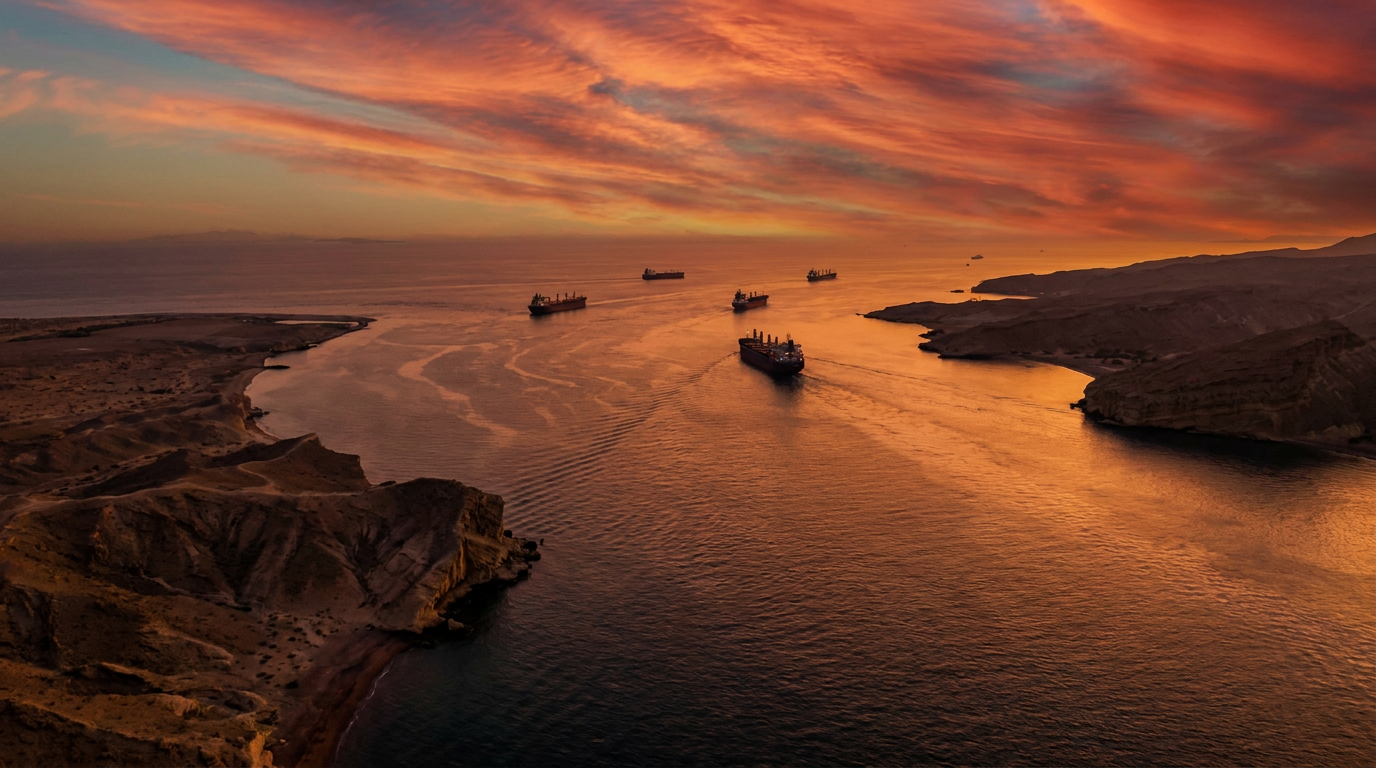
The United States and Iran appear to be on the precipice of a historic peace agreement that would formally end a devastating three-and-a-half-month war and reopen one of the world's most critical economic arteries. After weeks of intense, high-stakes diplomacy mediated by Pakistan, the contours of a final settlement are coming into focus, promising to reshape the geopolitical landscape of the Middle East. The proposed deal seeks to address the core grievances that ignited the conflict, offering a pathway to permanently dismantle Iran's nuclear weapons capabilities while simultaneously lifting the crippling U.S. naval blockade that has choked the Iranian economy. For the international community, the most immediate relief would come from the reopening of the Strait of Hormuz, a vital maritime chokepoint whose closure has severely disrupted global energy markets and driven up inflation worldwide.[1][2]
Following weeks of intense, closed-door negotiations in Islamabad, U.S. President Donald Trump announced over the weekend that a finalized deal is scheduled to be signed on Sunday. The president projected absolute confidence in the diplomatic breakthrough, characterizing the impending agreement as a definitive victory that achieves what previous administrations could not. By securing an indefinite commitment from Tehran to abandon weapons development, U.S. officials argue they have replaced the temporary constraints of the Obama-era Joint Comprehensive Plan of Action with a permanent and verifiable framework. The administration has emphasized the immediate economic relief that will flow from the deal, framing the resolution as a massive win for both global stability and American consumers who have borne the brunt of skyrocketing energy costs.[2][3]
Despite the optimism radiating from Washington, the exact timeline remains heavily contested, with Iranian officials explicitly denying that a Sunday signing is feasible. While Tehran acknowledges that an agreement has "never been closer," the Iranian Foreign Ministry has cautioned that the U.S. timeline is premature and that complex technical details regarding sanctions relief and verification mechanisms still need to be ironed out. This public pushback serves a dual purpose for the Iranian government: it allows negotiators to extract final concessions at the bargaining table while simultaneously managing intense domestic backlash. Hardline factions within Iran have taken to the streets to protest the negotiations, accusing diplomats of trading away the country's strategic leverage for insufficient guarantees against future military strikes.[4][5]
The diplomatic breakthrough, if fully realized, would close a violently destructive chapter that began on February 28, 2026, when the United States and Israel launched a massive preemptive military campaign dubbed "Operation Epic Fury." That initial wave of nearly 900 joint strikes devastated Iranian military infrastructure, crippled its air defenses, and resulted in the assassination of Supreme Leader Ali Khamenei alongside dozens of other top government and military officials. The sheer scale and suddenness of the attack fundamentally altered the balance of power in the region, forcing Iran onto the defensive while simultaneously triggering a massive and chaotic regional escalation that quickly spiraled beyond the immediate theater of operations.[7][8]

In retaliation for the decapitation of its leadership and the destruction of its military assets, Iran unleashed a sprawling barrage of ballistic missiles and one-way attack drones across the Middle East. More consequentially for the global economy, Tehran effectively closed the Strait of Hormuz, a narrow and highly vulnerable maritime chokepoint that historically facilitated roughly a fifth of the world's oil and liquid gas supplies. By mining the waterway and threatening commercial shipping, Iran successfully weaponized global energy markets, sending shockwaves through the international economy and driving a massive spike in energy prices that forced the international community to scramble for a diplomatic off-ramp before the crisis triggered a global recession.[3][8]
The sheer economic devastation caused by the closure of the Strait of Hormuz ultimately catalyzed the push for a negotiated settlement. An April 8 ceasefire, brokered by Pakistan and later extended indefinitely by the United States, paused the heaviest fighting and shifted the conflict from an active shooting war into a tense, high-stakes standoff over maritime access and nuclear infrastructure. During this fragile pause, direct negotiations commenced in Islamabad, with Pakistani Prime Minister Shehbaz Sharif playing a crucial intermediary role between the warring parties. The talks have been characterized by a grueling game of brinkmanship, as both sides attempted to leverage their military positions to extract maximum concessions at the negotiating table.[7][8]
According to senior U.S. officials familiar with the draft text, the emerging framework requires Iran to commit indefinitely to never procuring or developing nuclear weapons. This represents a significant departure from the 10- or 20-year sunset clauses envisioned by the original 2015 nuclear accord, establishing what the Trump administration describes as an impenetrable barrier to Iranian nuclear proliferation. While the agreement reportedly permits Iran to maintain civilian nuclear power generation, it strictly prohibits the preservation of any infrastructure that could allow Tehran to pivot from civilian energy production to weapons development. The enforcement of these provisions will rely on rigorous, internationally monitored verification mechanisms that are still being finalized by technical teams.[4]
officials familiar with the draft text, the emerging framework requires Iran to commit indefinitely to never procuring or developing nuclear weapons.
In exchange for these sweeping nuclear concessions, the United States has agreed to a phased program of significant economic relief. The most immediate component involves lifting the U.S. naval blockade of Iranian ports, allowing the country to resume international trade and stabilize its cratering domestic economy. Furthermore, the agreement reportedly includes provisions to unfreeze billions of dollars in Iranian assets held abroad, providing Tehran with a desperately needed influx of capital. However, U.S. officials have stressed that this economic relief will not be delivered as a lump sum; rather, it will be carefully phased in as Tehran demonstrates verifiable compliance with its obligations to dismantle nuclear facilities and turn over enriched materials.[2][4]
President Trump has aggressively marketed the impending deal to the American public, declaring it a "wall to no nuclear weapon" and promising that the Strait of Hormuz will be "open to all" immediately upon the document's signing. The administration is eager to finalize the agreement ahead of the upcoming G7 summit, viewing the successful resolution of the conflict as a major foreign policy triumph that neutralizes one of the most persistent threats to global security. By emphasizing the stark contrast between this new framework and the previous administration's diplomatic efforts, the White House is attempting to solidify domestic support for a deal that requires significant compromises from all involved parties.[2][3]

Yet, the reality on the ground in Tehran suggests a far more precarious political environment, where the government must carefully navigate the demands of a deeply fractured society. Iranian Foreign Ministry spokesperson Esmaeil Baghaei explicitly cautioned that while a deal in the coming days cannot be ruled out, the U.S. timeline is overly optimistic and fails to account for the complexity of the remaining technical hurdles. The Iranian negotiating team is under immense pressure not to appear overly eager or capitulatory, especially in the wake of the devastating military losses suffered during the opening days of the war.[3][5]
This cautious diplomatic posturing is largely driven by fierce domestic opposition from hardline factions within Iran. Over the weekend, dozens of protesters gathered outside a foreign ministry office in the northeastern city of Mashhad, chanting slogans against the Iranian diplomats and accusing them of treason. These hardliners argue that the proposed deal forces Iran to surrender its primary strategic leverage—control over the Strait of Hormuz—without securing adequate, ironclad guarantees against future preemptive strikes by the United States or Israel. The internal political volatility threatens to complicate the final stages of the negotiations, as Iranian leaders must balance the desperate need for economic relief against the risk of a domestic uprising.[3]
Complicating matters further is the expansive regional scope of the proposed agreement, which reportedly mandates a comprehensive end to hostilities on all fronts. This includes the ongoing, highly destructive conflict between Israel and the Iranian-backed militant group Hezbollah in Lebanon. While the United States and Iran have focused primarily on nuclear infrastructure and maritime security, the inclusion of the Lebanese theater introduces a volatile wild card into the peace process. The draft agreement reportedly requires Iran to cease funding and arming its proxy networks, a concession that would fundamentally alter the security architecture of the Middle East and severely diminish Tehran's regional influence.[4][6]
While Israeli Prime Minister Benjamin Netanyahu has publicly aligned with the overarching U.S. goal of permanently preventing a nuclear-armed Iran, senior Israeli officials have privately warned that the reported terms of the Islamabad agreement could severely endanger their national security. Israel, which initiated the war alongside the United States in February but has been largely excluded from the bilateral negotiations in Pakistan, views the sweeping concessions with deep suspicion. The primary concern in Jerusalem is that a mandated, region-wide ceasefire could prematurely halt the Israeli military campaign against Hezbollah, leaving a critical and heavily armed threat intact on its northern border.[1][2]

The disconnect between Washington and Jerusalem highlights the inherent fragility of the proposed peace framework. Israeli Defense Minister Israel Katz has explicitly stated that Israel will not withdraw from its established "security zones" in Lebanon, regardless of the terms agreed upon by the United States and Iran. This hardline stance raises the distinct possibility that even if a U.S.-Iran deal is signed and the Strait of Hormuz is reopened, localized conflicts could continue to simmer and potentially reignite broader regional violence. The success of the agreement will ultimately depend on the ability of the United States to enforce compliance not just from Tehran, but also from its closest regional allies.[1][4]
As the world waits to see if the final text can survive the competing political pressures in Washington, Tehran, and Jerusalem, global markets are already reacting positively to the prospect of long-term stability. The mere anticipation of a finalized deal has begun to ease the massive risk premiums baked into global energy prices, offering a glimmer of hope for an international economy battered by months of relentless geopolitical uncertainty. If successful, the agreement will not only reshape the balance of power in the Middle East but also provide a critical, stabilizing lifeline to a world weary of conflict and economic disruption.[6][8]
How we got here
Feb 28, 2026
U.S. and Israel launch Operation Epic Fury, killing Iranian Supreme Leader Ali Khamenei.
March 2026
Iran retaliates with missile strikes and closes the Strait of Hormuz, severely disrupting global energy markets.
April 8, 2026
A temporary two-week ceasefire is brokered by Pakistan, pausing the heaviest fighting.
April 21, 2026
President Trump extends the temporary ceasefire indefinitely as negotiations continue in Islamabad.
June 13, 2026
President Trump and Pakistani mediators announce a final peace deal is ready to be signed.
Viewpoints in depth
The U.S. Administration's View
The White House frames the agreement as a definitive victory that achieves what previous administrations could not.
President Trump and his administration are projecting absolute confidence that the impending deal represents a total capitulation of Iran's nuclear ambitions. By securing an indefinite commitment from Tehran to abandon weapons development, U.S. officials argue they have replaced the temporary constraints of the Obama-era JCPOA with a permanent 'wall.' Furthermore, the administration emphasizes the immediate economic relief that will flow from reopening the Strait of Hormuz, framing the diplomatic breakthrough as a win for both global stability and American consumers.
The Iranian Government's View
Tehran is managing domestic optics while insisting that the pace and terms of the deal remain under its control.
Iranian officials are actively pushing back against the U.S. timeline, insisting that no deal will be signed on Sunday. This caution serves a dual purpose: it allows negotiators to extract final technical concessions regarding the release of frozen assets and sanctions relief, while also managing intense domestic backlash. Hardliners in Iran have taken to the streets to protest the negotiations, accusing the foreign ministry of surrendering the country's primary strategic leverage—the Strait of Hormuz—without adequate guarantees against future U.S. or Israeli strikes.
The Israeli Perspective
Israel views the reported concessions with deep suspicion, fearing the deal leaves its northern border vulnerable.
While Israel participated in the initial February strikes that crippled Iran's leadership, it has been largely excluded from the bilateral negotiations in Islamabad. Israeli officials, including Prime Minister Benjamin Netanyahu, have publicly supported the goal of denying Iran a nuclear weapon. However, leaks to Israeli media suggest deep anxiety within the security cabinet that the U.S. has accepted terms that endanger Israel. Specifically, Israel is concerned that the agreement's mandate to end hostilities on 'all fronts' could prematurely halt its military campaign against Hezbollah in Lebanon, leaving a critical threat intact.
What we don't know
- Whether Iran's hardline factions will accept the final terms or attempt to derail the agreement through domestic protests.
- How the verification mechanisms for dismantling Iran's nuclear infrastructure will be structured and enforced.
- Whether Israel will agree to halt its military campaign against Hezbollah in Lebanon as part of the broader ceasefire.
Key terms
- Strait of Hormuz
- A narrow, strategically vital waterway between the Persian Gulf and the Gulf of Oman that historically carried roughly a fifth of the world's oil and liquid gas.
- Operation Epic Fury
- The U.S. military code name for the joint U.S.-Israeli strikes launched against Iranian leadership and military infrastructure in February 2026.
- Joint Comprehensive Plan of Action (JCPOA)
- The 2015 nuclear agreement that limited Iran's nuclear program in exchange for sanctions relief, which the U.S. withdrew from in 2018.
Frequently asked
Is the war officially over?
Not yet. While a ceasefire has been in place since April, a formal peace agreement ending the conflict on all fronts is still being finalized in Islamabad.
Will the Strait of Hormuz reopen immediately?
President Trump claims it will open 'to all' immediately upon signing, but Iranian officials have cautioned that implementation will take time and depend on the U.S. lifting its naval blockade.
What happens to Iran's nuclear program?
U.S. officials state the emerging deal requires Iran to indefinitely abandon nuclear weapons development and dismantle related infrastructure, though civilian nuclear power generation would be permitted.
Does this agreement include Israel and Lebanon?
The draft reportedly requires an end to hostilities on all fronts, including the conflict between Israel and Hezbollah in Lebanon, though Israeli officials have expressed concerns about the terms.
Sources
Source coverage
8 outlets
4 viewpoints surfaced








[1]The GuardianIsraeli Security Establishment
Trump news at a glance: president claims Iran ‘no longer want a nuclear weapon’ amid peace deal hopes
Read on The Guardian →[2]Fox NewsU.S. Administration
Trump says US-Iran deal will be signed on Sunday, with Strait of Hormuz to reopen
Read on Fox News →[3]CBS NewsU.S. Administration
Iran peace deal to be signed Sunday and strait reopened immediately, Trump says
Read on CBS News →[4]TIMEIranian Government
The U.S. and Iran May Be Close to a Deal to Pause the War
Read on TIME →[5]The Washington PostIranian Government
Trump says Iran peace deal imminent; Tehran urges caution
Read on The Washington Post →[6]Council on Foreign RelationsMediators & Analysts
The United States and Iran Are Nearing an Agreement
Read on Council on Foreign Relations →[7]WikipediaMediators & Analysts
2026 Iran war
Read on Wikipedia →[8]BritannicaMediators & Analysts
Iran: 2026 Conflict with the United States and Israel
Read on Britannica →
Every angle. Every day.
Get news politics stories with full source coverage and perspective breakdowns delivered to your inbox.