
US and Iran Near Peace Deal to End Gulf War and Reopen Strait of Hormuz
President Donald Trump announced that a comprehensive peace agreement with Iran is expected to be signed on Sunday, potentially ending the conflict that began in February. The deal aims to reopen the Strait of Hormuz and includes Iranian concessions on its nuclear program, though officials in Tehran have offered a more cautious timeline.
By Factlen Editorial Team
- US Negotiators
- Views the impending deal as a historic victory that neutralizes Iran's nuclear threat and restores global trade.
- Iranian Leadership
- Frames the agreement as a necessary step to lift sanctions and stabilize the economy, while remaining cautious on timelines.
- Global Markets & Observers
- Heavily focused on the immediate reopening of the Strait of Hormuz and the resulting drop in energy and safe-haven asset prices.
- Regional Security Partners
- Cautiously supportive of ending active hostilities but deeply skeptical of Iran's long-term compliance with nuclear concessions.
What's not represented
- · Civilian populations in conflict zones
- · European energy importers
Why this matters
The reopening of the Strait of Hormuz would immediately stabilize global energy markets and lower fuel costs, while a formal peace deal would avert a broader regional war and reshape the security architecture of the Middle East.
Key points
- President Trump announced a peace deal with Iran is expected to be signed on Sunday.
- The agreement aims to end the conflict that began in late February 2026.
- A central component of the deal is the immediate reopening of the Strait of Hormuz.
- Iranian officials confirm progress but dispute the exact timeline for the signing.
- Global markets are reacting positively, with gold prices trending down and oil expected to stabilize.
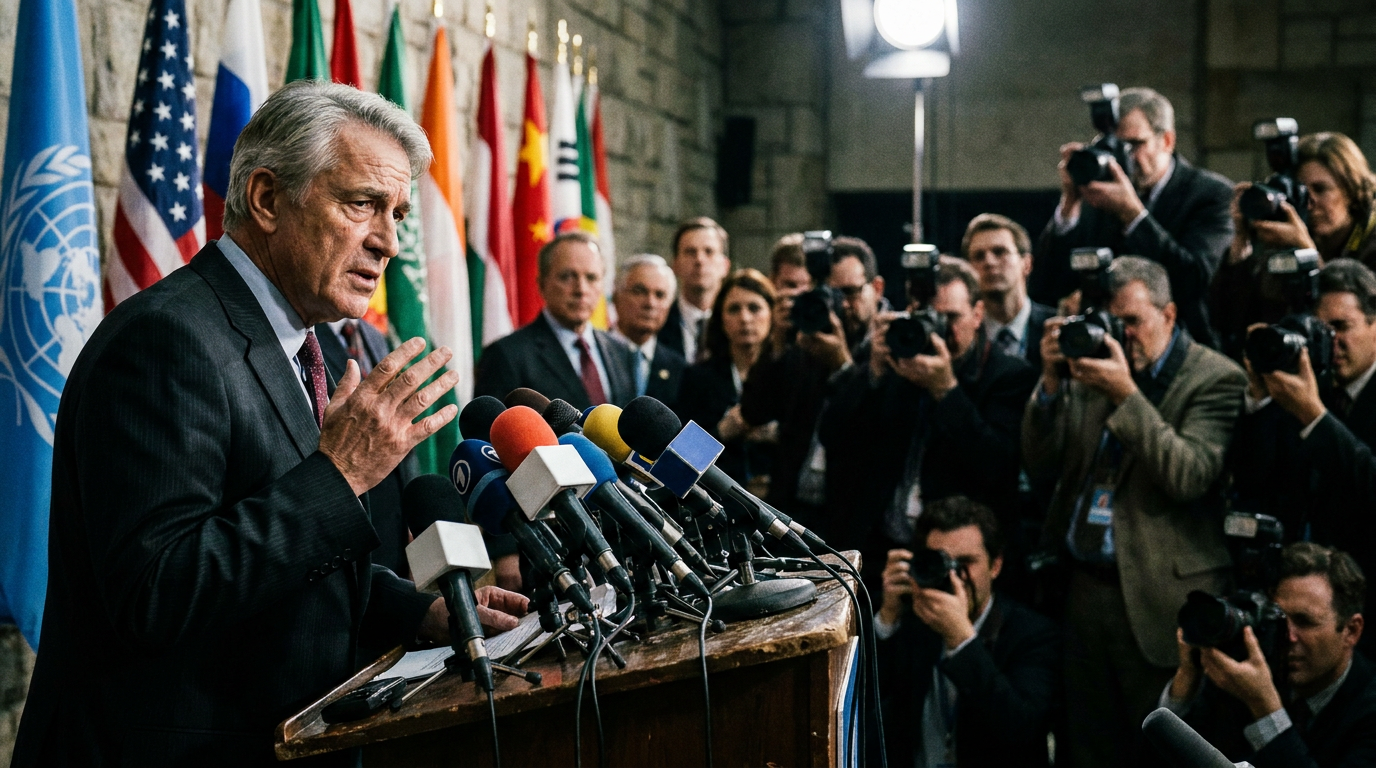
President Donald Trump announced on Saturday that the United States and Iran are on the verge of signing a comprehensive peace agreement, potentially bringing an end to the four-month conflict that has disrupted global energy markets and reshaped Middle Eastern geopolitics. Speaking to reporters at a press briefing, Trump stated that the historic deal would be finalized and signed on Sunday, marking a sudden and dramatic diplomatic breakthrough after weeks of halting, behind-the-scenes negotiations. The announcement signals a rapid de-escalation of a war that has kept the international community on edge since the initial outbreak of hostilities earlier this year.[1][3]
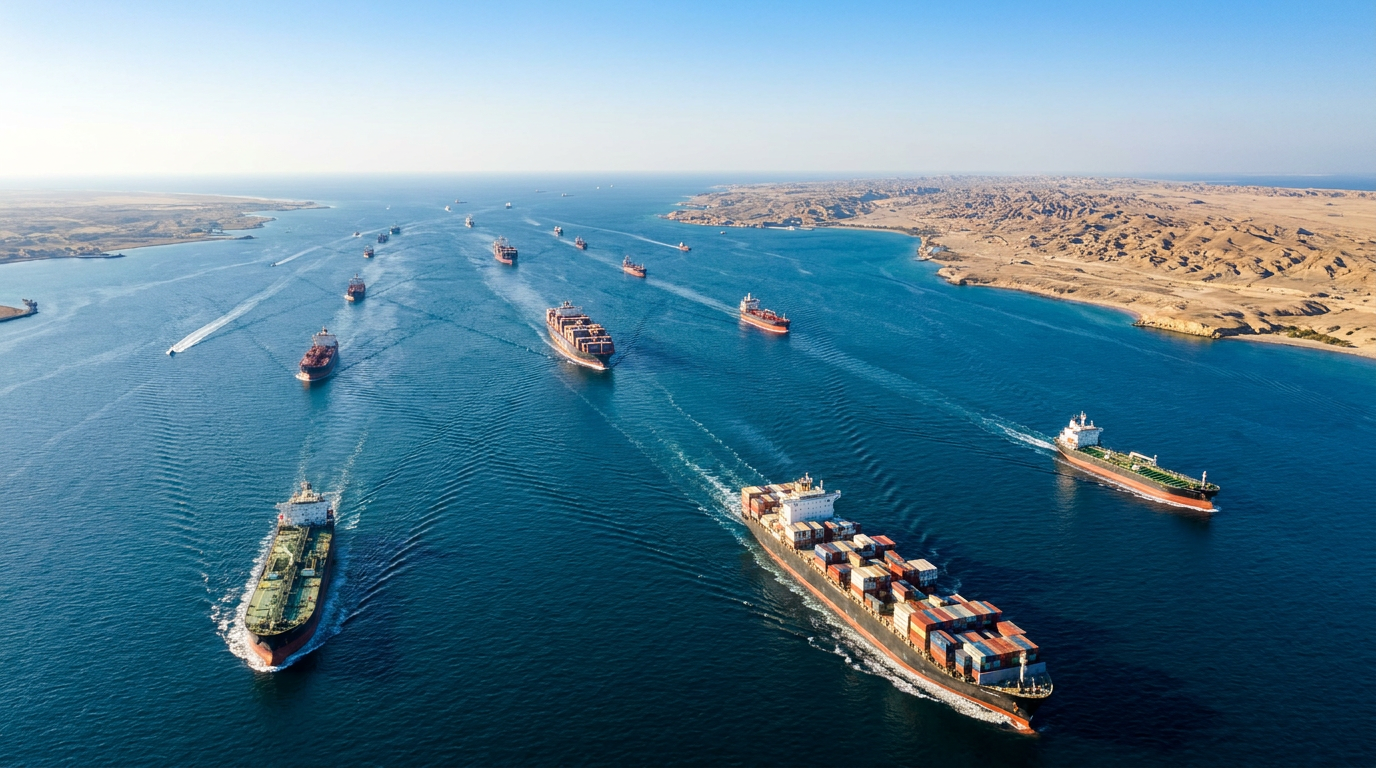
The conflict, which escalated sharply in late February when the United States and Israel launched coordinated military operations against Iranian strategic targets, has heavily impacted the region's security architecture. The intense fighting led to the effective closure of the Strait of Hormuz, a critical maritime chokepoint for international trade, sending immediate shockwaves through the global economy. For months, commercial shipping companies have been forced to reroute vessels, driving up insurance premiums and causing severe bottlenecks in the global supply chain for crude oil and liquefied natural gas.[2][4]
At the center of the proposed peace agreement is a critical dual commitment: the immediate reopening of the Strait of Hormuz to all international shipping and renewed, verifiable Iranian concessions regarding its nuclear ambitions. Trump claimed on Saturday that the Iranian leadership "no longer want a nuclear weapon," signaling that the core United States demands for a cessation of hostilities had been met during the negotiation process. If accurate, this concession would represent a monumental shift in Tehran's strategic posture and a major victory for the administration's maximum-pressure military and diplomatic campaign.[1][5]

While Washington has projected immense optimism about the Sunday timeline for the signing, officials in Tehran have offered a slightly more measured assessment of the diplomatic progress. Iranian diplomats and state media confirmed that an agreement is indeed in the offing and that major hurdles have been cleared, but they disputed the exact timeline for the final signature. Statements from Tehran suggest that final technical details regarding the sequencing of sanctions relief and the withdrawal of specific military assets are still being actively ironed out by mediators in Oman.[1][6]
The economic ramifications of the impending diplomatic deal are already rippling aggressively through global financial markets. Safe-haven assets like gold, which surged to record highs at the onset of the war in February as investors fled risky equities, have been trending steadily downward in recent weeks. This decline accelerated on Friday and Saturday as institutional investors and commodity traders began to heavily price in the likelihood of a peaceful resolution and a return to normalized global trade conditions.[2][8]
The economic ramifications of the impending diplomatic deal are already rippling aggressively through global financial markets.
Energy markets are reacting even more dramatically to the prospect of peace. The anticipation that the Strait of Hormuz—through which roughly twenty percent of the world's total oil supply passes—will soon be "open to all" has triggered a sharp sell-off in crude futures. Analysts expect Brent crude prices to stabilize significantly and drop further once the first commercial vessels safely transit the strait under the new agreement, providing much-needed relief to energy-importing nations that have struggled with inflated fuel costs throughout the spring.[4][8]

For regional allies, particularly Israel, the impending ceasefire brings a complex mix of immediate relief and deep, structural caution. While the cessation of direct military confrontation removes the immediate threat of a broader regional conflagration and halts the daily exchange of cross-border fire, security officials in Jerusalem remain highly wary of the enforcement mechanisms attached to Iran's nuclear pledges. Israeli defense analysts are already questioning whether the international community will have the necessary access to verify that Tehran has truly abandoned its nuclear weapons development program.[7]
The rapid pivot from active, multi-front warfare to a finalized peace treaty underscores the intense back-channel diplomacy that has taken place over the last month. Mediators from Oman and Switzerland have worked tirelessly to bridge the massive gap between Washington's demand for a verifiable nuclear rollback and Tehran's insistence on immediate economic relief and the preservation of its domestic sovereignty. These quiet negotiations have managed to construct an off-ramp that allows both sides to claim a strategic victory while avoiding a protracted war of attrition.[5][6]

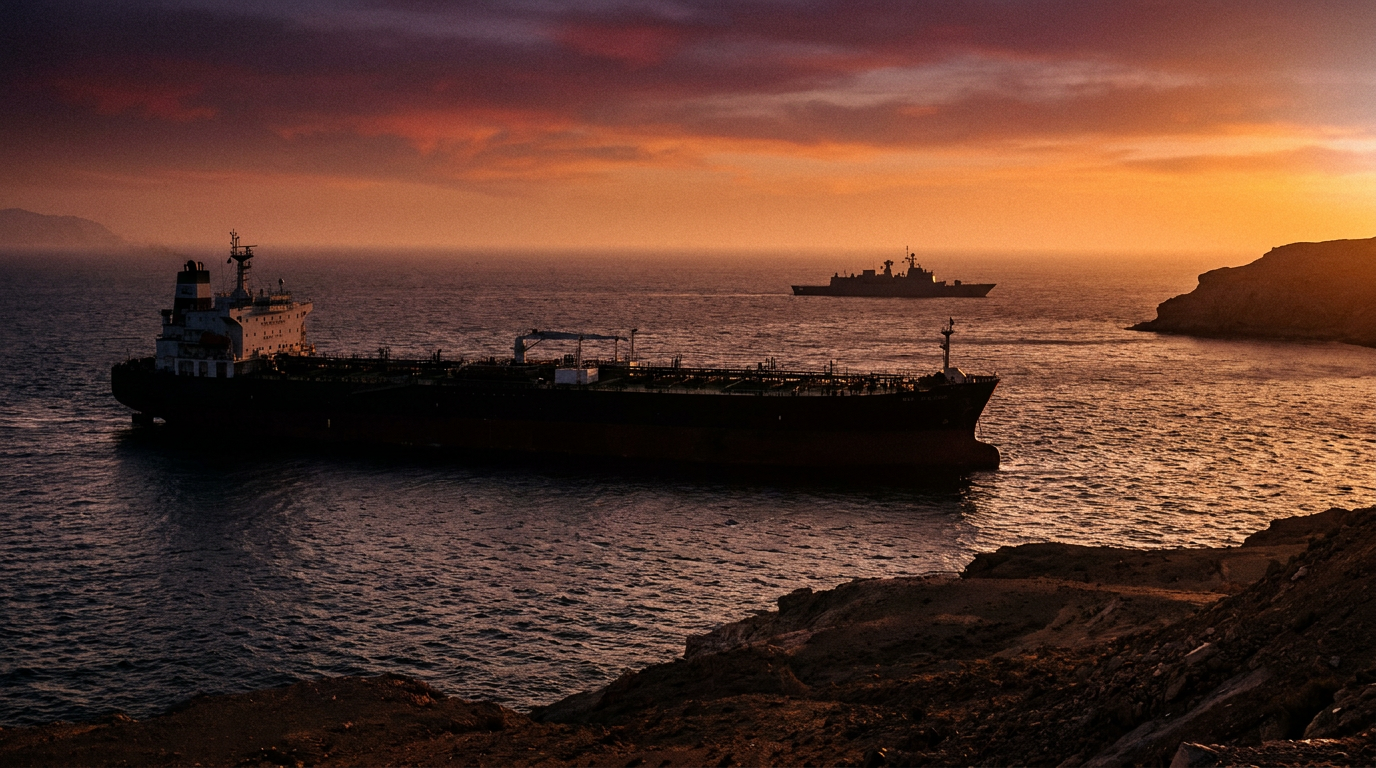
If the agreement is indeed signed on Sunday as the Trump administration expects, it will immediately trigger a complex, phased implementation process. The absolute first priority will be the cessation of all kinetic military operations across the region and the deployment of international maritime monitors to the Strait of Hormuz. These monitors will be tasked with guaranteeing safe passage for commercial tankers, ensuring that the vital waterway is demilitarized and cleared of any naval mines or blockades established during the conflict.[3][8]
The coming days will severely test the durability of the agreement as both domestic political factions in the United States and hardliners in Tehran scrutinize the final text of the treaty. However, the mutual public acknowledgment that a comprehensive deal is imminent represents the most significant de-escalation in the Middle East since the conflict began. It offers a tangible, highly anticipated off-ramp from a devastating war that threatened to permanently destabilize the global economy and plunge the region into a generation-defining conflict.[1][5][7]
How we got here
Late Feb 2026
The US and Israel launch military operations against Iranian targets, escalating the conflict.
March-May 2026
The Strait of Hormuz is effectively closed to commercial shipping, spiking global energy prices.
Early June 2026
Intense back-channel negotiations take place in Oman to broker a ceasefire.
June 13, 2026
President Trump announces an impending peace deal and the reopening of the Strait of Hormuz.
Viewpoints in depth
The US Administration's View
Washington frames the agreement as a total vindication of its maximum-pressure strategy.
For the US administration, the impending deal is viewed as a historic foreign policy victory that achieves two primary objectives: neutralizing Iran's nuclear ambitions and restoring stability to global energy markets. Officials argue that the intense military and economic pressure applied since February forced Tehran to the negotiating table, resulting in a verifiable commitment to abandon nuclear weapons development. The administration is eager to finalize the signing to demonstrate a swift resolution to a conflict that threatened the global economy.
Tehran's View
Iranian leadership emphasizes the necessity of sanctions relief while projecting domestic strength.
In Tehran, the narrative focuses heavily on the economic relief that the peace deal will unlock. Iranian diplomats frame the negotiations not as a surrender, but as a pragmatic maneuver to lift crippling international sanctions and stabilize the domestic economy. While they acknowledge that an agreement is close, state media has been careful to dispute the US-imposed timeline, signaling to domestic hardliners that Iran will not be rushed into signing until all technical details regarding the withdrawal of foreign military assets are finalized.
Regional Security Partners
Allies like Israel welcome the end of active fighting but demand strict enforcement of nuclear pledges.
Regional security partners, particularly Israel, view the ceasefire with a mixture of immediate relief and long-term anxiety. The cessation of cross-border fire removes the daily threat of a broader regional war, but security officials remain deeply skeptical of Iran's willingness to permanently abandon its nuclear program. These allies are heavily lobbying mediators to ensure that the final text of the treaty includes robust, unannounced inspection mechanisms, fearing that Tehran may use the economic relief to covertly rebuild its strategic capabilities.
What we don't know
- The exact technical mechanisms that will be used to verify Iran's nuclear compliance.
- Whether hardline factions in either the US or Iran will attempt to derail the final signing.
- How quickly commercial shipping insurance rates will normalize once the Strait of Hormuz reopens.
Key terms
- Strait of Hormuz
- A narrow waterway between the Persian Gulf and the Gulf of Oman, serving as the only sea passage from the Persian Gulf to the open ocean.
- Safe-haven assets
- Financial instruments, such as gold, that are expected to retain or increase in value during times of market turbulence or geopolitical conflict.
- Brent crude
- A major trading classification of sweet light crude oil that serves as a benchmark price for purchases of oil worldwide.
Frequently asked
When did the conflict begin?
The active military conflict escalated in late February 2026 when the US and Israel launched operations against Iranian targets.
Why is the Strait of Hormuz important?
It is a critical maritime chokepoint through which approximately 20% of the world's total oil supply passes.
What did Iran concede in the deal?
According to the US administration, Iran has agreed to abandon its pursuit of a nuclear weapon and allow international shipping to resume.
Sources
Source coverage
8 outlets
4 viewpoints surfaced








[1]The GuardianGlobal Markets & Observers
Trump news at a glance: president claims Iran 'no longer want a nuclear weapon' amid peace deal hopes
Read on The Guardian →[2]Al JazeeraIranian Leadership
Why is the price of gold trending down?
Read on Al Jazeera →[3]Fox NewsUS Negotiators
Trump announces historic peace agreement with Iran, promises open Strait of Hormuz
Read on Fox News →[4]ReutersGlobal Markets & Observers
Oil prices plunge as US and Iran signal imminent end to Gulf conflict
Read on Reuters →[5]The New York TimesUS Negotiators
Diplomats Express Cautious Optimism as Trump Pushes for Sunday Signing of Iran Deal
Read on The New York Times →[6]Tehran TimesIranian Leadership
Iranian officials confirm progress in Oman-brokered talks, dispute US timeline
Read on Tehran Times →[7]Times of IsraelRegional Security Partners
Jerusalem wary as Washington and Tehran finalize ceasefire terms
Read on Times of Israel →[8]Wall Street JournalGlobal Markets & Observers
The Economic Stakes of Reopening the Strait of Hormuz
Read on Wall Street Journal →
Every angle. Every day.
Get news politics stories with full source coverage and perspective breakdowns delivered to your inbox.