
U.S. and Iran Reach Preliminary Agreement to End War and Reopen Strait of Hormuz
The United States and Iran have signed a 14-point Memorandum of Understanding to halt hostilities, lift naval blockades, and establish a 60-day window for nuclear negotiations.
By Factlen Editorial Team
- U.S. Administration
- Focuses on nuclear containment, toll-free maritime trade, and performance-based sanctions relief.
- Iranian Leadership
- Focuses on lifting the naval blockade, securing immediate economic relief, and halting Israeli operations in Lebanon.
- Israeli Government
- Opposed to the deal's Lebanon ceasefire terms, insisting on maintaining military operations to degrade Hezbollah.
- Geopolitical Analysts
- Highlights the fragility of the MOU, conflicting interpretations of the text, and the deferred nuclear negotiations.
What's not represented
- · Lebanese civilians affected by the ongoing IDF operations
- · Commercial shipping companies navigating the Strait of Hormuz
Why this matters
The preliminary agreement halts a catastrophic 100-day war that choked off 20% of the world's oil supply and threatened to engulf the entire Middle East. However, with the most difficult issues—including Iran's nuclear program and Israel's ongoing operations in Lebanon—deferred to a fragile 60-day negotiation window, the global economy remains highly vulnerable to a sudden resumption of hostilities.
Key points
- The U.S. and Iran have digitally signed a 14-point Memorandum of Understanding to end their 100-day war.
- The agreement mandates the reopening of the Strait of Hormuz and the lifting of the U.S. naval blockade on Iranian ports.
- A 60-day window has been established to negotiate Iran's nuclear program and potential sanctions relief.
- Washington and Tehran have offered conflicting interpretations regarding whether the Strait of Hormuz will remain permanently toll-free.
- Israel is not a signatory to the deal and maintains that its military operations against Hezbollah in Lebanon will continue.
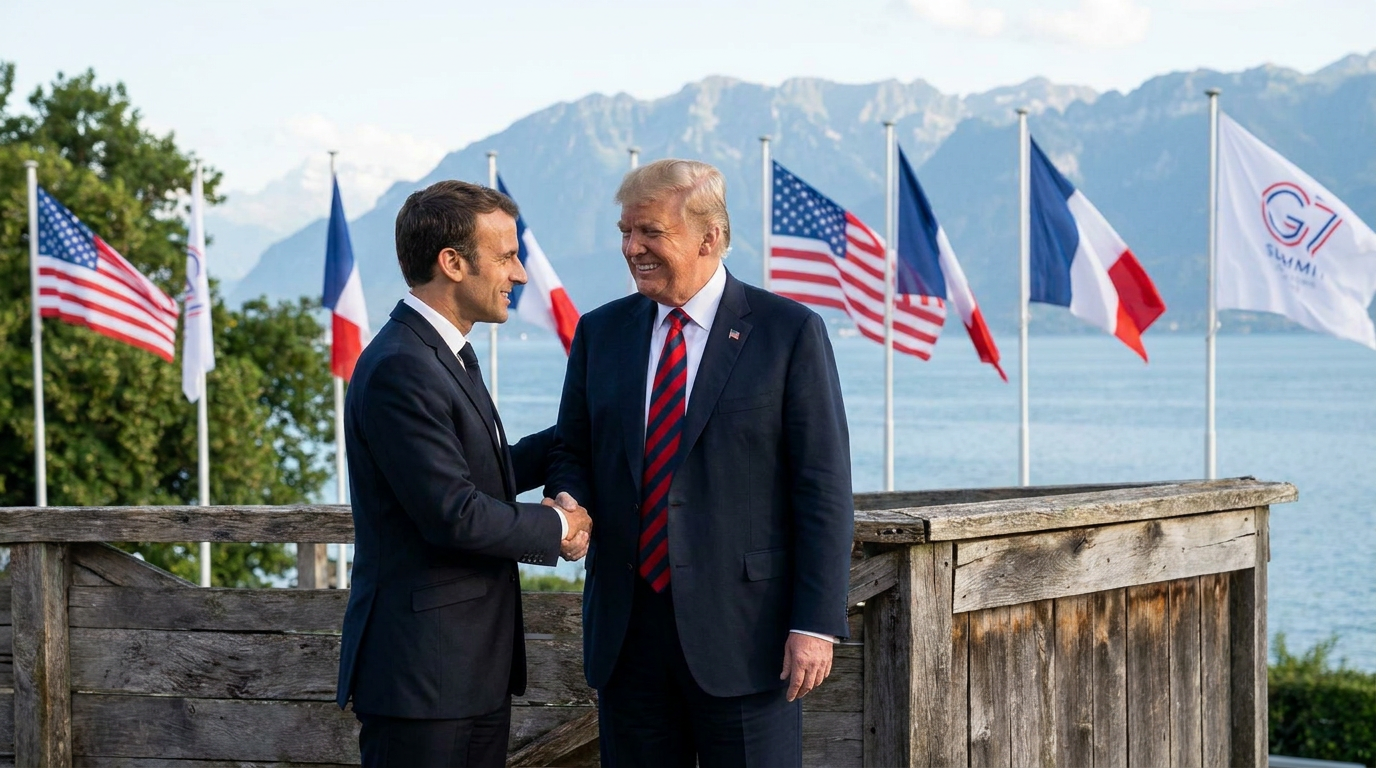
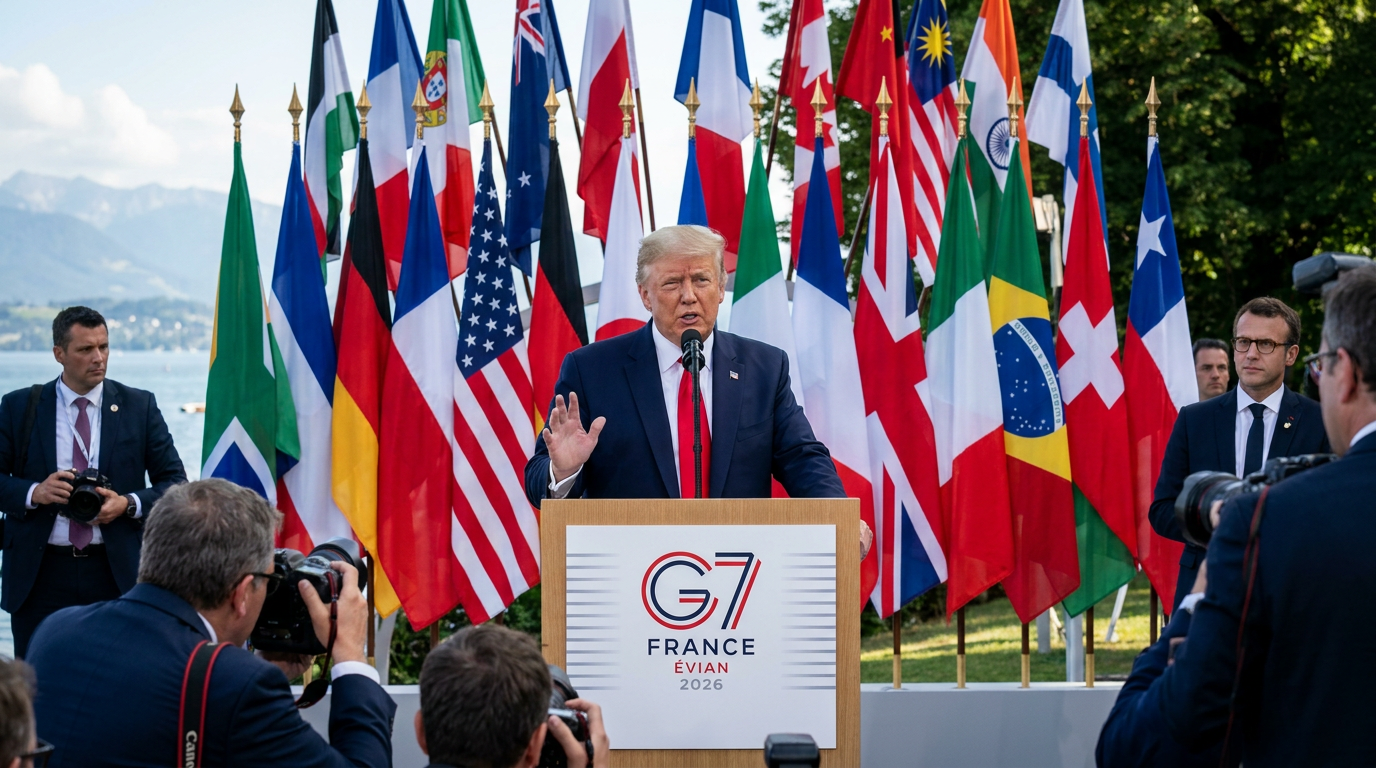
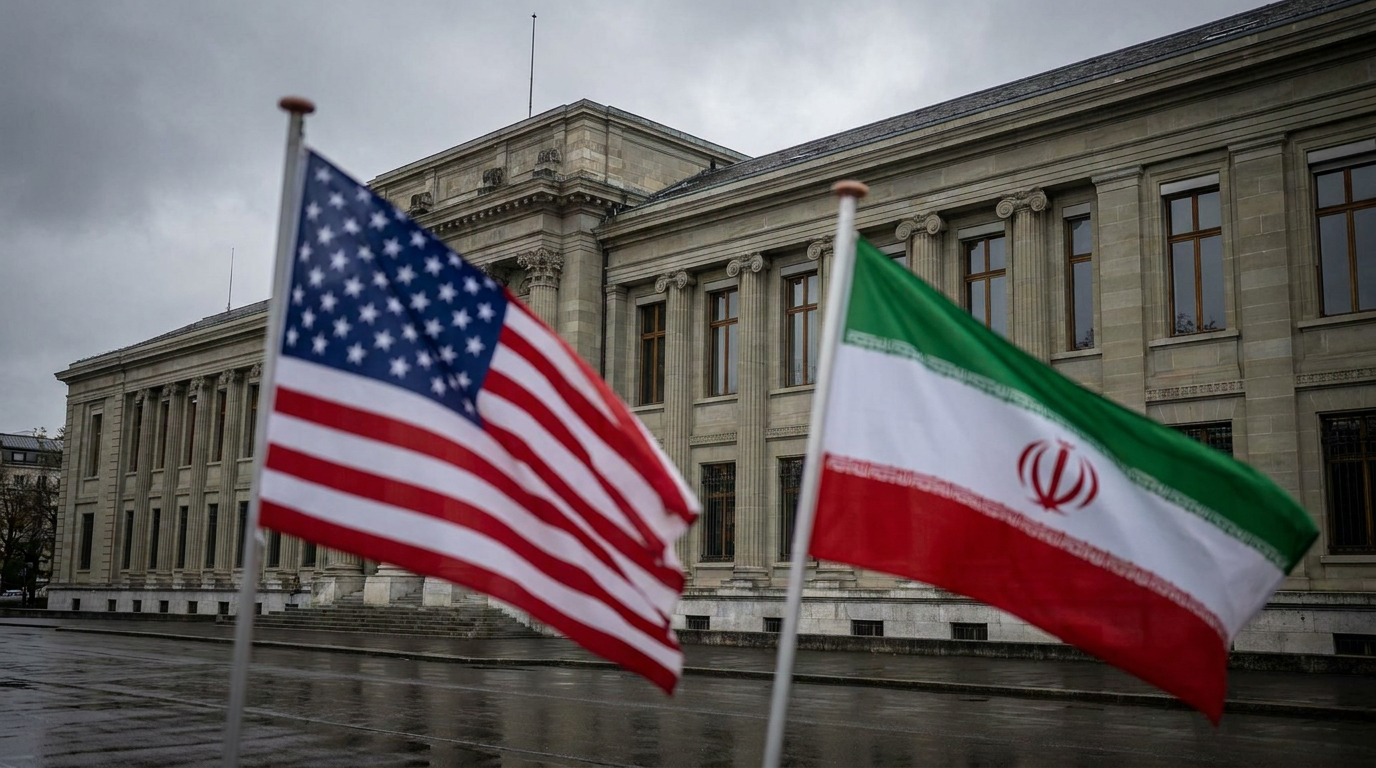
After more than a hundred days of direct military conflict that upended global energy markets, the United States and Iran have reached a preliminary agreement to end hostilities. The breakthrough, mediated by Pakistan and Qatar, takes the form of a 14-point Memorandum of Understanding (MOU) electronically signed by U.S. President Donald Trump, Vice President JD Vance, and Iranian Parliament Speaker Mohammad Bagher Ghalibaf. A formal in-person signing ceremony is scheduled for Friday, June 19, in Geneva, Switzerland.[1][2][5]
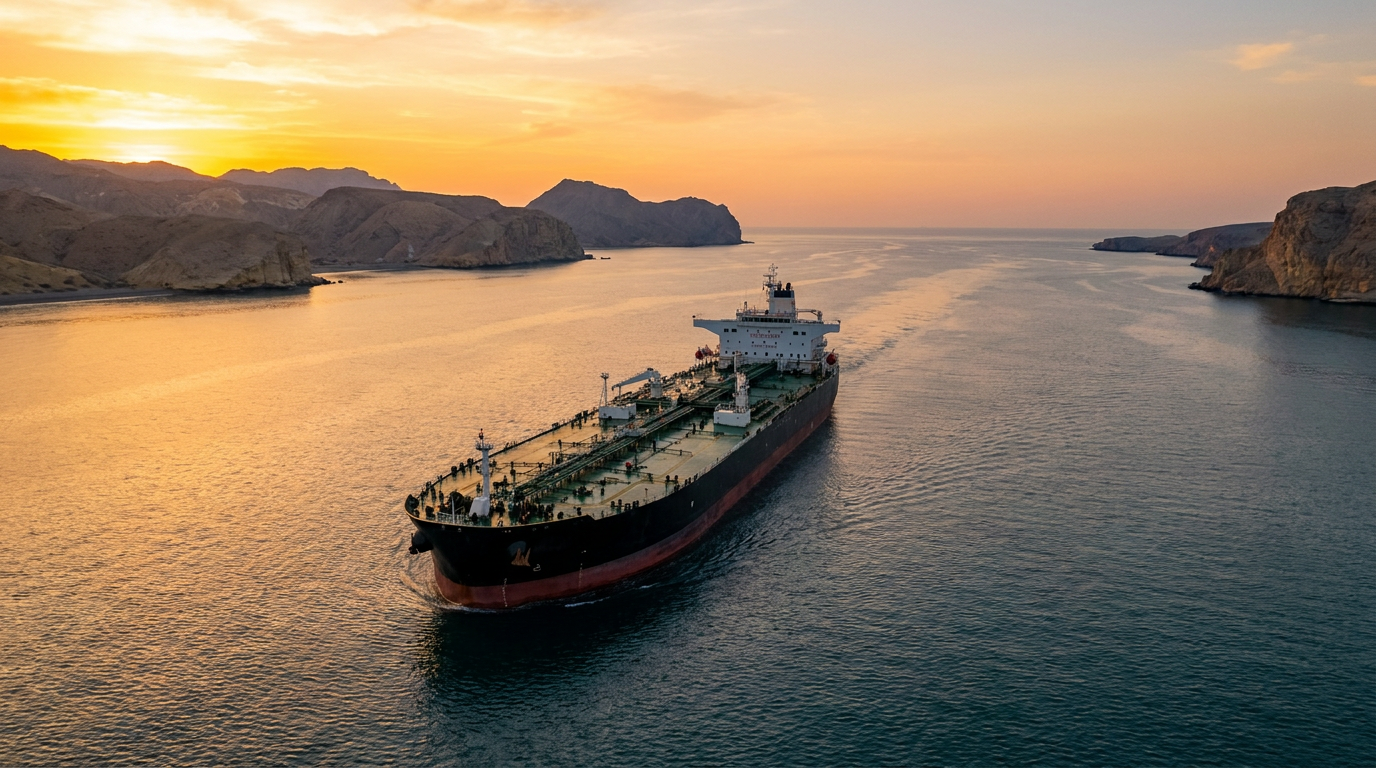
The war, which erupted in late February 2026 following joint U.S. and Israeli strikes on Iranian territory, triggered a cascading regional crisis. In retaliation, Tehran imposed a de facto blockade on the Strait of Hormuz—a critical maritime choke point for nearly one-fifth of the world's oil supply—while the United States responded with a naval blockade of Iranian ports. The newly minted MOU aims to dismantle this standoff, mandating an immediate cessation of military operations on all fronts and the mutual lifting of maritime blockades.[3][5][6]
"I hereby fully authorize the toll free opening of the Strait of Hormuz, and, simultaneously herewith, authorize the immediate removal of the United States Naval blockade," President Trump announced on social media, celebrating the deal's immediate economic relief. Global markets reacted swiftly to the de-escalation, with oil prices dropping back to $80 per barrel for the first time since early March, and equities rallying on the prospect of restored global trade flows.[1][2][6]

However, the MOU is less a comprehensive peace treaty and more a fragile framework designed to pause the violence while deferring the most intractable disputes. Geopolitical analysts note that the agreement establishes a 60-day window for subsequent, highly complex negotiations regarding Iran's nuclear program, the lifting of international sanctions, and the release of billions of dollars in frozen Iranian assets.[4][7][8]
The ambiguity of the text has already led to sharply diverging interpretations between Washington and Tehran. A primary point of contention is the future of the Strait of Hormuz. Vice President Vance has stated that the United States expects the waterway to remain open "in a toll-free way for the long term." Conversely, Iranian state-linked media and Islamic Revolutionary Guard Corps (IRGC) affiliates assert that Tehran is only pausing transit fees for the 60-day negotiation period, after which it intends to resume charging "service fees" under a joint management framework with Oman.[5][7]
Sanctions relief presents another immediate flashpoint. Iranian officials, including Deputy Foreign Minister Kazem Gharibabadi, have signaled to domestic audiences that the agreement includes the immediate suspension of U.S. sanctions on Iranian oil and the rapid unfreezing of assets. The Trump administration has flatly denied this, with Vance clarifying that no funds were released upon the MOU's signing and that any economic relief will be strictly performance-based, contingent upon Iran meeting specific behavioral benchmarks.[2][7][8]
The most volatile unresolved issue is the status of Lebanon. Iran entered the negotiations insisting that any ceasefire must encompass the ongoing fighting in southern Lebanon, where the Israeli Defense Forces (IDF) have pushed deeply into the country to target Hezbollah. The secretariat of Iran's Supreme National Security Council explicitly stated that the cessation of hostilities applies to "all fronts, including Lebanon."[3][5][6]

The most volatile unresolved issue is the status of Lebanon.
Israel, however, is not a signatory to the U.S.-Iran MOU, and the Israeli government has openly rejected the premise that the agreement binds its military operations. Prime Minister Benjamin Netanyahu has stated that Israeli forces will remain in a Lebanese "buffer zone" to continue degrading Hezbollah's capabilities. This refusal has reportedly caused significant friction between Netanyahu and Trump, who has publicly urged Israel to be "more responsible with respect to Lebanon" and characterized the Israeli campaign there as a "minor" war.[1][2][3]
Hezbollah has signaled a willingness to adhere to the ceasefire outlined in the U.S.-Iran agreement, viewing it as a precursor to an Israeli withdrawal. But experts warn that if Israel continues its offensive, Iran and Hezbollah could make their own compliance with the broader MOU contingent upon a halt to Israeli operations, threatening to unravel the entire framework before the 60-day negotiation period even begins.[7][8]
The core justification for the initial U.S. and Israeli strikes in February—Iran's advancing nuclear program—remains largely unaddressed in the preliminary text. Since the collapse of the 2015 nuclear deal, Iran has amassed a significant stockpile of highly enriched uranium. The MOU secures Iran's reaffirmation of its commitment to the Non-Proliferation Treaty, but the specifics of dismantling its nuclear infrastructure are relegated to the upcoming second stage of talks.[3][4][6]
President Trump has repeatedly asserted that the memorandum clearly states Iran will "never have a nuclear weapon." Vice President Vance elaborated that a core component of the forthcoming agreement will require International Atomic Energy Agency (IAEA) inspectors to return to Iran to oversee the destruction of the highly enriched uranium stockpile. The IAEA has been unable to verify the status of Iran's nuclear facilities since the conflict began.[1][3]

The domestic political landscape in both countries adds another layer of complexity. In Washington, the agreement has faced sharp criticism from some Republican lawmakers who argue it fails to permanently neutralize the Iranian threat and mirrors the flaws of previous diplomatic efforts. To assuage these concerns, Trump has indicated he is willing to submit the final deal to Congress for review.[1][6]
In Tehran, the government is navigating intense internal pressure. The sudden death of Supreme Leader Ayatollah Ali Khamenei during the initial February strikes elevated his son to the supreme leadership, though he has remained out of the public eye. Iranian officials have warned that domestic division over the deal weakens their negotiating position against the United States, emphasizing the need to project unity as they enter the critical 60-day window.[6][8]
Regional actors, meanwhile, have greeted the ceasefire with calibrated relief. Gulf capitals—including Saudi Arabia, the UAE, and Qatar—spent the last three months watching the global energy crisis unfold while fearing a broader regional conflagration. While they welcome the immediate de-escalation and the reopening of maritime trade routes, they remain skeptical about the long-term stability of the arrangement and Washington's reliability as a regional security guarantor.[3][8]
As diplomats prepare for the formal signing ceremony in Geneva, the gap between the MOU's aspirations and a durable peace treaty remains vast. The next 60 days will test whether the United States and Iran can translate a mutual desire to end a costly war into a binding resolution on nuclear containment, regional proxies, and maritime security, or if the current ceasefire is merely a tactical pause in a longer conflict.[4][7][8]
How we got here
Feb 28, 2026
The U.S. and Israel launch joint strikes on Iranian territory, sparking a regional war.
March 2026
Iran blockades the Strait of Hormuz; the U.S. retaliates with a naval blockade of Iranian ports.
June 14, 2026
U.S. and Iranian officials digitally sign a 14-point Memorandum of Understanding to end hostilities.
June 19, 2026
Formal in-person signing ceremony scheduled to take place in Geneva, Switzerland.
August 2026
Deadline for the 60-day negotiation window on Iran's nuclear program and sanctions relief.
Viewpoints in depth
The U.S. Administration's view
The MOU is a performance-based framework that ends the war while securing long-term nuclear and maritime concessions.
Washington frames the agreement as a decisive victory that reopens the global economy without prematurely rewarding Tehran. U.S. officials emphasize that the lifting of the naval blockade and the reopening of the Strait of Hormuz are immediate wins for global markets, while any sanctions relief for Iran remains strictly contingent on verifiable compliance. By deferring the nuclear question to a 60-day negotiation window, the administration argues it has retained the leverage necessary to force IAEA inspections and the dismantling of Iran's highly enriched uranium stockpile.
The Iranian Leadership's view
The agreement forces the U.S. to lift its naval blockade and mandates a comprehensive ceasefire across all regional fronts.
Tehran presents the MOU to its domestic audience as a successful resistance against U.S. and Israeli aggression. Iranian officials highlight the immediate lifting of the U.S. naval blockade on their ports and assert that the ceasefire explicitly covers Lebanon, framing it as a protective measure for Hezbollah. Furthermore, Iranian state media insists that the toll-free transit through the Strait of Hormuz is only a temporary 60-day concession, after which Iran intends to reassert its sovereignty and collect transit fees, signaling that it has not surrendered its strategic leverage over the waterway.
The Israeli Government's view
The U.S.-Iran ceasefire does not bind Israel's ongoing military operations against Hezbollah in Lebanon.
Israel views the U.S.-brokered MOU with deep skepticism, particularly regarding its stipulations for a ceasefire in Lebanon. Prime Minister Benjamin Netanyahu has made it clear that the IDF will not withdraw from the southern Lebanese buffer zone, arguing that Hezbollah remains an existential threat that must be degraded regardless of Washington's diplomatic timeline. This stance has created a rare public rift with the U.S. administration, as Israel prioritizes its immediate border security over the broader U.S.-Iran de-escalation framework.
What we don't know
- Whether Iran will actually allow IAEA inspectors full access to its nuclear facilities during the 60-day negotiation window.
- How Hezbollah and Iran will respond if Israel continues its military offensive in southern Lebanon despite the ceasefire agreement.
- Whether the U.S. Congress will attempt to block the final treaty if it includes significant sanctions relief for Tehran.
Key terms
- Memorandum of Understanding (MOU)
- A preliminary, non-binding agreement outlining the broad terms of a deal before a formal treaty is finalized.
- Strait of Hormuz
- A narrow waterway between the Persian Gulf and the Gulf of Oman, serving as the transit point for roughly 20% of the world's oil.
- Naval Blockade
- A military operation in which ships are used to prevent vessels from entering or leaving a country's ports.
- Highly Enriched Uranium
- Uranium that has been processed to a purity level capable of being used in nuclear weapons.
- IAEA
- The International Atomic Energy Agency, the UN watchdog responsible for monitoring and verifying nuclear programs.
Frequently asked
Is the war between the U.S. and Iran officially over?
The two nations have agreed to a ceasefire and signed a preliminary Memorandum of Understanding, but a formal, permanent peace treaty has not yet been finalized.
Will oil prices go down?
Markets have already reacted positively to the news, with oil prices dropping to $80 per barrel on the expectation that the Strait of Hormuz will reopen to commercial shipping.
Does the ceasefire include Israel and Lebanon?
Iran insists the deal mandates a ceasefire on all fronts, including Lebanon. However, Israel is not a signatory and Prime Minister Netanyahu has stated Israeli forces will remain in southern Lebanon.
What happens to Iran's nuclear program?
The immediate agreement defers the nuclear issue. The U.S. and Iran have a 60-day window to negotiate the dismantling of Iran's highly enriched uranium and the return of IAEA inspectors.
Sources
Source coverage
8 outlets
4 viewpoints surfaced








[1]The GuardianIranian Leadership
US and Iran deal to end war allows Tehran to sell oil and fuel
Read on The Guardian →[2]TIMEU.S. Administration
Trump and Iranian Official Sign Agreement to Stop Fighting, Reopen Strait of Hormuz
Read on TIME →[3]Council on Foreign RelationsGeopolitical Analysts
Trump's Iran Deal: What We Know, What's Contested, and What Remains Unresolved
Read on Council on Foreign Relations →[4]AxiosU.S. Administration
What's in the Iran deal Trump says he's ready to sign
Read on Axios →[5]Al JazeeraIranian Leadership
Trump says a US-Iran deal will be signed this Friday, as Tehran confirms plans to end hostilities
Read on Al Jazeera →[6]PBSU.S. Administration
Deal is reached to end Iran war and Trump orders stop to U.S. naval blockade
Read on PBS →[7]Institute for the Study of WarGeopolitical Analysts
Iran Update Special Report, June 15, 2026
Read on Institute for the Study of War →[8]Atlantic CouncilGeopolitical Analysts
Experts react: The US and Iran just agreed to end their war. What happens next?
Read on Atlantic Council →
More in news politics
See all 9 stories →Workplace Trends
Fact-Checking the 4-Day Workweek: What the Global Trials Actually Prove
0 sources

US-Iran Deal
U.S. and Iran Sign Memorandum to End War, Launching 60-Day Negotiation Window
0 sources
US-Iran Diplomacy
U.S. and Iran Announce Diplomatic Memorandum, but Core Nuclear and Sanctions Issues Remain Unresolved
0 sources
ICE Detention
Supreme Court to Decide if Green Card Holders Can Be Detained Indefinitely During Deportation Fights
0 sources
Every angle. Every day.
Get news politics stories with full source coverage and perspective breakdowns delivered to your inbox.