
The Science of the Skin Microbiome: How Prebiotics and Postbiotics Actually Work
Dermatologists are increasingly focused on the skin's invisible ecosystem of bacteria and fungi. Emerging research shows that supporting this microbiome with targeted prebiotics and postbiotics can strengthen the skin barrier, reduce inflammation, and manage conditions like acne and eczema.
By Factlen Editorial Team
- Clinical Dermatologists
- Emphasize 'do no harm' approaches, focusing on gentle cleansing and barrier protection rather than aggressive bacterial manipulation.
- Microbiome Researchers
- View the skin as a dynamic ecosystem where targeted bacterial metabolites can actively treat chronic inflammatory conditions.
- Factlen Editorial Team
- Focus on synthesizing the science for consumer application and navigating marketing claims.
What's not represented
- · Regulatory agencies standardizing 'microbiome-friendly' claims
Why this matters
Understanding your skin's microbiome can fundamentally change how you approach daily hygiene and skincare. By shifting from aggressively 'cleaning' the skin to nourishing its natural bacterial ecosystem, individuals can better manage chronic inflammation, sensitivity, and premature aging.
Key points
- The skin hosts a complex ecosystem of trillions of microorganisms essential for immune defense and barrier health.
- Dysbiosis—an imbalance in this ecosystem—is a primary driver of inflammatory conditions like acne, rosacea, and eczema.
- Harsh cleansers, over-exfoliation, and alkaline products actively destroy the skin's beneficial bacteria.
- Postbiotics (bacterial byproducts) offer the benefits of probiotics without the instability of live cultures.
- Clinical studies show postbiotics can downregulate inflammation, accelerate wound healing, and improve hydration.
For decades, the standard approach to skincare was rooted in eradication. Consumers were taught to scrub, peel, and sterilize their faces, treating any microscopic presence as a threat to a clear complexion. Today, dermatological science is undergoing a profound paradigm shift. Researchers now understand that the skin is not merely a passive physical barrier, but a complex, living ecosystem. Rather than trying to sterilize the surface, modern dermatology is focused on "farming" it—cultivating a healthy balance of microorganisms that actively defend the body against environmental damage and chronic inflammation.[3][6]
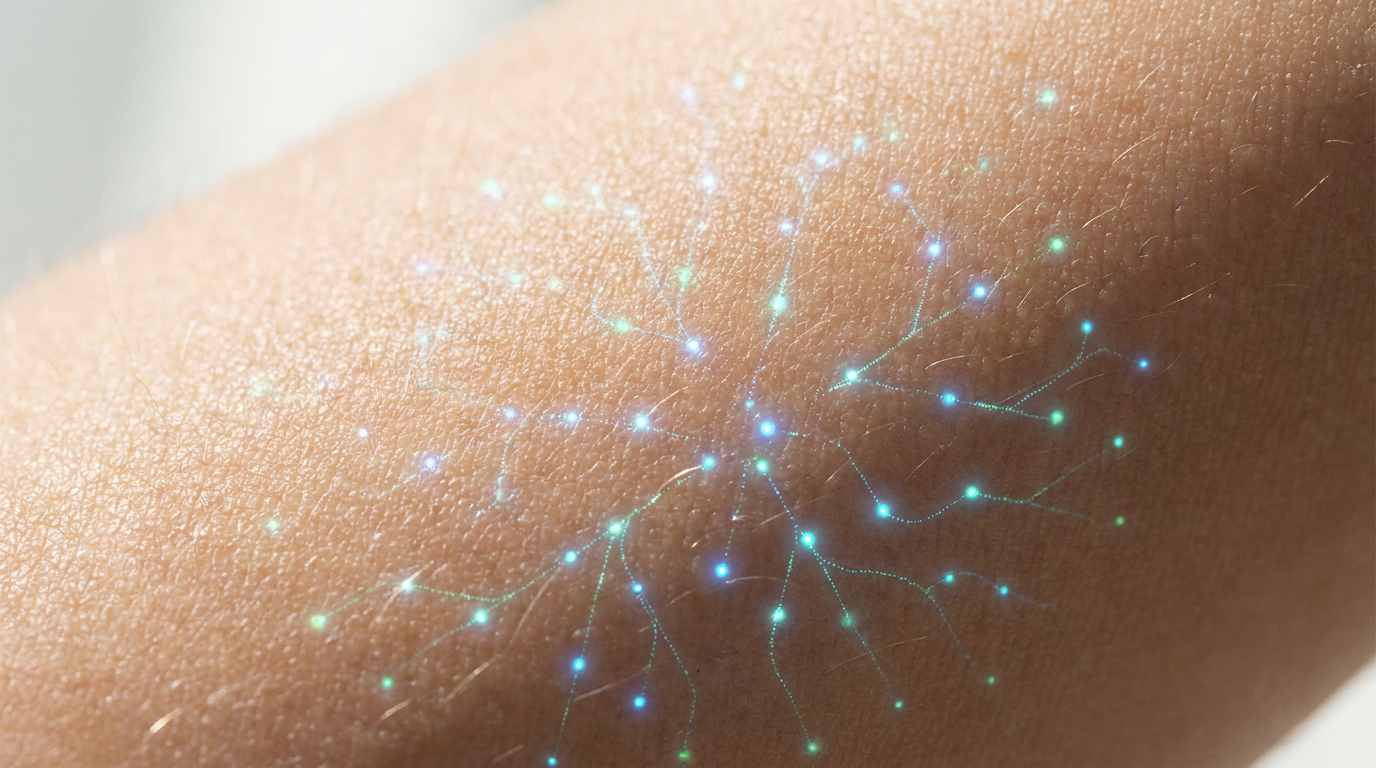
The sheer scale of this microscopic world is staggering. A healthy human hosts up to one billion bacteria on every square centimeter of their skin. This invisible community, known as the skin microbiome, comprises more than 500 distinct species of bacteria, alongside various fungi, viruses, and mites. Far from being harmful invaders, these organisms live in a symbiotic relationship with their human host. Their composition is determined at birth and evolves throughout a person's life, influenced by genetics, environment, diet, and daily hygiene habits.[4]
When this ecosystem is thriving, it performs critical functions that no topical cream can fully replicate. Beneficial microbes communicate directly with the body's immune system, helping to regulate inflammatory responses and promote tissue repair. They also produce natural antimicrobial peptides that fend off dangerous pathogens, and secrete fatty acids that maintain the skin's "acid mantle"—the slightly acidic film that serves as the first line of defense against the outside world. In essence, a robust microbiome is the foundation of a healthy, resilient skin barrier.[3][4]
However, when this delicate balance is disrupted, the skin enters a state known as dysbiosis. Dysbiosis occurs when beneficial bacteria are depleted, allowing opportunistic pathogens to overpopulate. Clinical research increasingly points to dysbiosis as a primary driver behind a host of inflammatory dermatological conditions. The overgrowth of specific strains of Cutibacterium acnes is a known catalyst for severe breakouts, while an imbalance favoring Staphylococcus aureus is heavily implicated in flare-ups of atopic dermatitis and eczema.[3][4]

Modern lifestyle factors are frequently to blame for tipping this microbial scale. The widespread use of harsh, alkaline cleansers strips away the acid mantle, creating an inhospitable environment for beneficial flora. Over-exfoliation, exposure to urban pollution, UV radiation, and even psychological stress can further decimate the microbiome. When the microbial community collapses, the physical lipid barrier weakens, leading to accelerated transepidermal water loss (TEWL). The result is skin that is simultaneously dehydrated, irritated, and highly susceptible to infection.[4][5]
In response to these discoveries, the beauty and personal care industries have heavily embraced "microbiome-friendly" marketing. However, dermatologists caution that this term is often misunderstood. In cosmetic chemistry, a "microbiome-friendly" label typically means that the product has been formulated not to actively harm or alter the existing bacterial balance. While this "do no harm" approach is a massive improvement over the stripping astringents of the past, it is fundamentally passive. It preserves the status quo, but it does not actively repair a microbiome that is already in a state of dysbiosis.[5][6]
To actively intervene, scientists have turned to the "biotics"—a three-tiered approach comprising prebiotics, probiotics, and postbiotics. Each tier interacts with the skin's ecosystem in a distinct way, offering different benefits and posing unique formulation challenges. Understanding the difference between these three categories is crucial for navigating the rapidly expanding landscape of microbiome skincare and separating genuine scientific innovation from marketing hype.[1][2]

To actively intervene, scientists have turned to the "biotics"—a three-tiered approach comprising prebiotics, probiotics, and postbiotics.
Prebiotics are the most straightforward of the three. They are essentially specialized food sources designed to nourish the beneficial bacteria already living on the skin. Ingredients like colloidal oatmeal, xylitol, and various oligosaccharides cannot be digested by human skin cells, but they are eagerly consumed by friendly microbes. By providing this targeted nutrition, prebiotic skincare encourages the good bacteria to multiply and outcompete harmful pathogens for space and resources, naturally restoring balance to the ecosystem.[3]
Probiotics, on the other hand, involve applying live, active bacterial cultures directly to the skin. While the concept is appealing, it presents a monumental hurdle for cosmetic formulators. Skincare products require preservatives to prevent the growth of dangerous mold and bacteria while sitting on a bathroom shelf. These preservatives cannot distinguish between the "good" probiotic bacteria added by the manufacturer and the "bad" bacteria they are meant to stop. Consequently, keeping probiotic strains alive in a traditional water-based cream is incredibly difficult, and the FDA has not yet approved any live probiotic products for external medical use.[2][5]
This formulation paradox has led researchers to what is now considered the gold standard of microbiome skincare: postbiotics. Postbiotics are the non-viable byproducts and metabolites produced by bacteria during fermentation. They include powerful bioactive compounds such as short-chain fatty acids, enzymes, peptides, and bacterial cell-wall fragments. Scientists have realized that you do not necessarily need the live bacteria to reap the benefits; you simply need the beneficial chemicals that those bacteria produce.[1][3]
Because postbiotics contain no living organisms, they are entirely stable. They do not require refrigeration, they play perfectly well with standard cosmetic preservatives, and they have a long shelf life. More importantly, because they cannot replicate or transfer antibiotic resistance, they are exceptionally safe, even for individuals with compromised immune systems. This stability allows formulators to deliver precise, measurable doses of bacterial benefits directly to the skin barrier.[1][6]
At a cellular level, postbiotics act as master communicators. When applied topically, these metabolites interact with receptors on the skin's surface, triggering a cascade of beneficial biological responses. Clinical studies demonstrate that specific postbiotics can actively downregulate pro-inflammatory cytokines—such as IL-6 and TNF-alpha—which are responsible for redness, swelling, and irritation. Simultaneously, they upregulate anti-inflammatory signals like IL-10, effectively calming the skin's immune response and breaking the cycle of chronic inflammation.[1][3]

The clinical outcomes of postbiotic application are highly promising. Experimental trials have shown that postbiotic formulations can accelerate wound closure, stimulate the synthesis of collagen and elastin, and dramatically improve skin hydration. In the treatment of acne, certain postbiotic compounds have proven effective at inhibiting the growth of antibiotic-resistant strains of Cutibacterium acnes, offering a gentler alternative to harsh, drying spot treatments that often damage the surrounding tissue.[1][2]
While topical treatments are revolutionizing external care, researchers emphasize that the skin microbiome does not exist in a vacuum. The "gut-skin axis" is a well-documented physiological link demonstrating that internal intestinal health directly impacts cutaneous inflammation. Imbalances in the gut microbiome—often caused by poor diet, stress, or oral antibiotics—can manifest externally as acne or eczema. Therefore, a truly holistic approach to skin health requires supporting the microbiome from both the outside in with topical postbiotics, and the inside out with a fiber-rich diet and oral probiotics.[2][6]

Looking forward, the intersection of dermatology and microbiology is moving toward highly personalized therapies. As genomic sequencing becomes more accessible, dermatologists envision a future where a simple swab can map a patient's unique microbial fingerprint. This could allow for the deployment of engineered bacteriophages—viruses that target only specific pathogenic bacteria while leaving the rest of the microbiome intact—or custom-blended postbiotic serums designed to correct an individual's specific dysbiosis. Until then, the science is clear: the path to healthy skin lies in nourishing the microscopic life that calls it home.[4][6]
How we got here
2007
The National Institutes of Health launches the Human Microbiome Project to map the microbial makeup of healthy humans.
2014
Dermatological research begins firmly linking skin dysbiosis to chronic conditions like atopic dermatitis and rosacea.
2018
The skincare industry sees a surge in 'probiotic' marketing, though many formulations struggle with the stability of live cultures.
2023
Scientific consensus shifts heavily toward 'postbiotics' as the most stable and effective method for delivering microbial benefits in topical cosmetics.
Viewpoints in depth
Clinical Dermatologists
Emphasize 'do no harm' approaches, focusing on gentle cleansing and barrier protection rather than aggressive bacterial manipulation.
For practicing dermatologists, the primary goal is preventing dysbiosis before it starts. They caution that many modern skincare routines—involving harsh exfoliants, alkaline soaps, and multi-step acid treatments—actively strip the skin of its natural microbial defenders. From a clinical perspective, the most effective 'microbiome skincare' often involves doing less: using pH-balanced cleansers, avoiding unnecessary antimicrobial products, and relying on simple moisturizers that support the lipid barrier so the native flora can naturally repopulate.
Microbiome Researchers
View the skin as a dynamic ecosystem where targeted bacterial metabolites can actively treat chronic inflammatory conditions.
Scientists studying the cutaneous microbiome see massive therapeutic potential beyond basic moisturization. By mapping the specific strains of bacteria associated with healthy skin versus acne-prone or eczematous skin, researchers are developing targeted interventions. They are particularly focused on postbiotics—the bioactive compounds produced by bacteria—because these molecules can directly communicate with the host's immune system, downregulating inflammation and stimulating tissue repair without the instability risks of live probiotics.
Cosmetic Formulators
Focus on the practical challenges of delivering microbiome benefits in stable, safe, and consumer-friendly products.
The cosmetic industry faces a significant hurdle: traditional skincare requires preservatives to prevent dangerous mold and bacterial growth on the shelf, but these same preservatives kill the beneficial live probiotics meant to help the skin. Formulators are therefore pivoting heavily toward prebiotics (which feed existing good bacteria) and postbiotics (which deliver the chemical benefits of bacteria without requiring live cultures). This allows them to create products that are both microbiologically safe and therapeutically active.
What we don't know
- How long the topical application of postbiotics sustains its anti-inflammatory effects after a person stops using the product.
- Whether personalized 'microbiome mapping' will become a cost-effective, standard diagnostic tool in everyday dermatology clinics.
Key terms
- Dysbiosis
- An imbalance in the microbial community on the skin, often leading to inflammation, moisture loss, and conditions like acne or eczema.
- Postbiotics
- Non-viable bacterial products or metabolic byproducts—such as enzymes, peptides, and fatty acids—that provide biological benefits to the skin.
- Acid Mantle
- The very fine, slightly acidic film on the surface of human skin acting as a barrier to bacteria, viruses, and other potential contaminants.
- Transepidermal Water Loss (TEWL)
- The process by which water passively evaporates from the skin into the external environment, which accelerates when the skin barrier is compromised.
Frequently asked
What is the difference between prebiotics and probiotics?
Prebiotics are essentially food—like complex sugars or colloidal oatmeal—that nourish the beneficial bacteria already living on your skin. Probiotics are the actual live bacterial cultures themselves.
Can I use live probiotics on my skin?
While some products claim to contain live probiotics, it is notoriously difficult to keep bacteria alive in a cosmetic formula that also contains necessary preservatives. Most effective products rely on prebiotics or postbiotics instead.
What does 'microbiome-friendly' actually mean?
In the cosmetic industry, 'microbiome-friendly' typically means the product has been tested to ensure it does not disrupt or kill your skin's existing bacterial balance, rather than actively adding new bacteria.
How does pH affect the skin microbiome?
Healthy skin microflora thrive in a slightly acidic environment, typically between a pH of 5.2 and 5.4. Using harsh, alkaline soaps can disrupt this environment, allowing harmful bacteria to overpopulate.
Sources
Source coverage
6 outlets
3 viewpoints surfaced






[1]National Institutes of HealthMicrobiome Researchers
Postbiotics in dermatological and wound-healing science
Read on National Institutes of Health →[2]Frontiers in MicrobiologyMicrobiome Researchers
Probiotics and post-biotics in skin health
Read on Frontiers in Microbiology →[3]MDPI CosmeticsMicrobiome Researchers
The Skin Microbiome and Cutaneous Homeostasis
Read on MDPI Cosmetics →[4]Journal of Clinical and Aesthetic DermatologyClinical Dermatologists
Understanding the Skin Microbiome
Read on Journal of Clinical and Aesthetic Dermatology →[5]Dermatology TimesClinical Dermatologists
Microbiome-friendly claims in cosmetics
Read on Dermatology Times →[6]Factlen Editorial TeamFactlen Editorial Team
Synthesis by Factlen editorial team
Read on Factlen Editorial Team →


Every angle. Every day.
Get lifestyle stories with full source coverage and perspective breakdowns delivered to your inbox.