
US-Iran Peace Talks Postponed Amid Lebanon Clashes as Vance Rebukes Israeli Critics
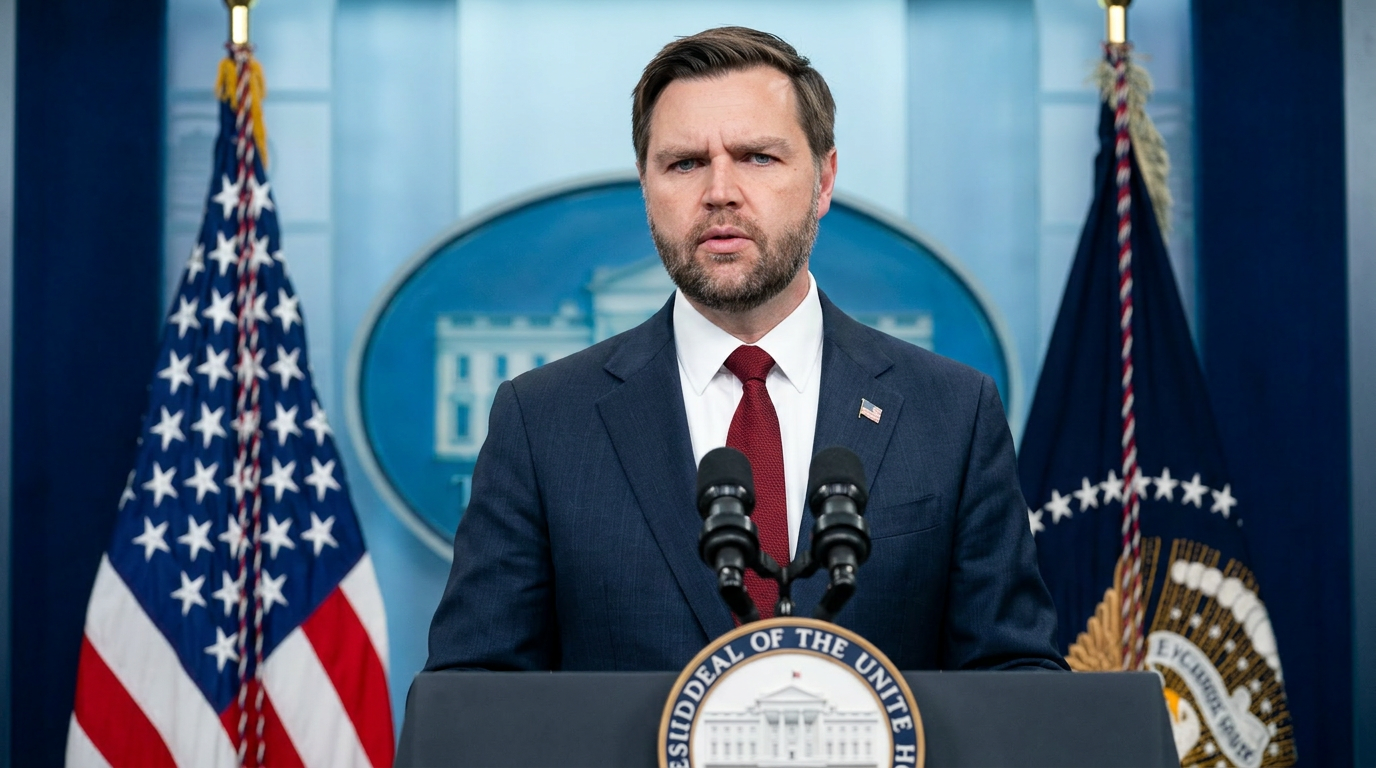
Planned negotiations in Switzerland between the US and Iran have been abruptly postponed following a flare-up in fighting between Israel and Hezbollah. The delay comes as Vice President JD Vance issued a stark public warning to Israeli leaders opposing the ceasefire agreement, stating they 'can't just kill your way out' of national security problems.
By Factlen Editorial Team
- US Administration
- Prioritizes the US-Iran diplomatic agreement to stabilize the region and energy markets.
- Israeli Security Cabinet
- Views the deal as a security threat and insists on maintaining military pressure on Hezbollah.
- Iranian Negotiators
- Demands an immediate halt to Israeli operations in Lebanon as a precondition for talks.
- International Mediators
- Focuses on salvaging the diplomatic framework and preventing broader regional escalation.
What's not represented
- · Lebanese civilians affected by the airstrikes
- · European allies relying on Middle East energy stability
Why this matters
The sudden postponement of the US-Iran talks threatens a fragile 60-day window intended to halt Iran's nuclear program and stabilize global energy markets. Vice President Vance's unusually harsh public rebuke of Israeli leadership also signals a historic fracture in the US-Israel alliance, indicating Washington is willing to prioritize its regional pact with Tehran over Jerusalem's immediate security objections.
Key points
- Planned US-Iran talks in Switzerland were postponed due to escalating violence in Lebanon.
- Iran demanded guarantees that Israel would halt operations before negotiations could proceed.
- Vice President JD Vance sharply criticized Israeli leaders opposing the US-Iran deal.
- Vance warned Israel that it 'can't just kill your way out' of national security problems.
- Israeli officials maintain the deal fails to address Iran's missile program or proxy funding.
A fragile diplomatic effort to forge a lasting peace agreement between the United States and Iran has hit a major roadblock, with planned technical talks in Switzerland abruptly postponed amid a surge of violence in Lebanon. The delay has exposed a deepening rift between Washington and Jerusalem, culminating in Vice President JD Vance delivering a blistering public rebuke of Israeli leaders who oppose the deal.[1][2]
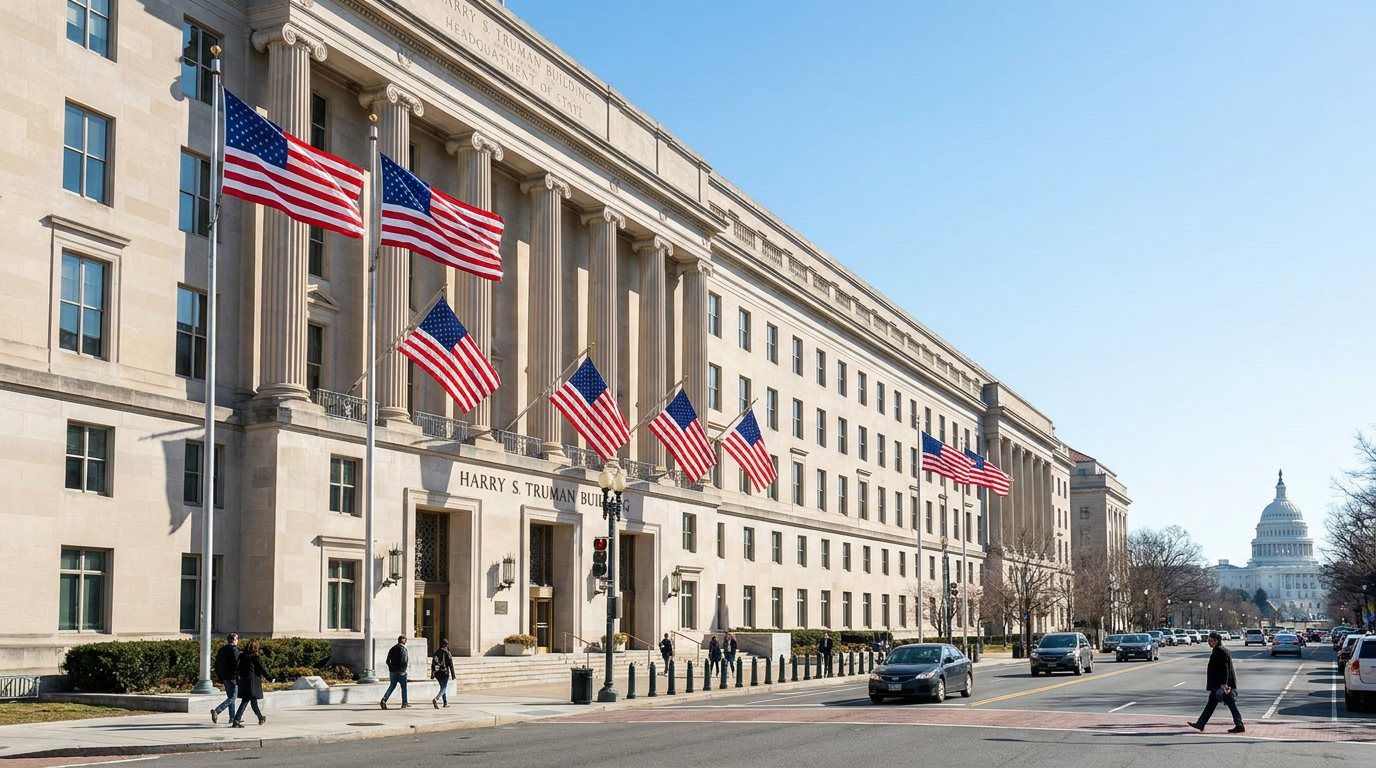
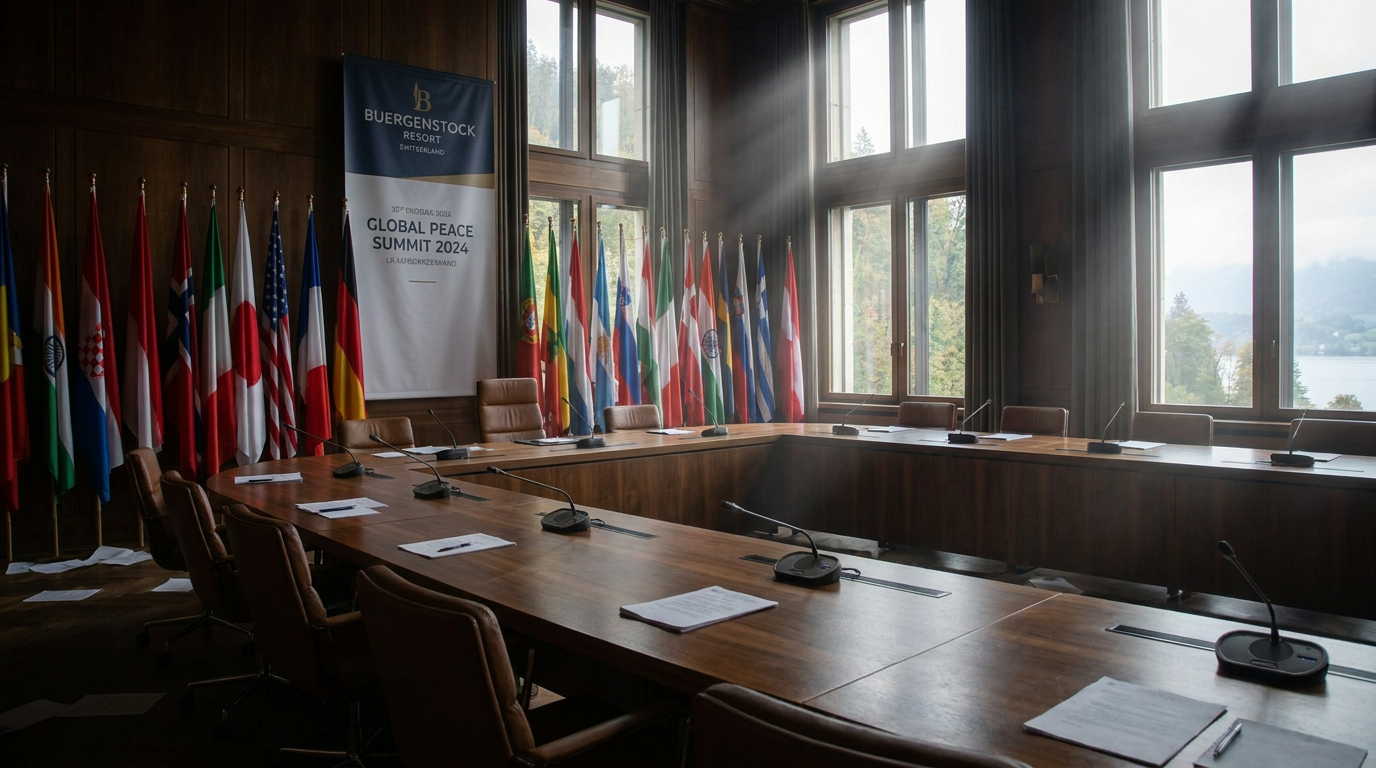
The talks, which were scheduled to begin Friday at the Bürgenstock resort overlooking Lake Lucerne, were intended to build upon a newly signed Memorandum of Understanding (MoU) between the US and Iran. The MoU opened a 60-day window to negotiate a permanent halt to Iran's nuclear program and secure the free flow of oil through the Strait of Hormuz, in exchange for the lifting of US sanctions and the unfreezing of Iranian assets.[1][5][7]
However, the agreement's viability was immediately tested by escalating clashes between Israel and the Iran-backed militant group Hezbollah. Israel, which is not a party to the US-Iran pact, launched a wave of airstrikes in southern Lebanon and the Bekaa Valley that killed at least 18 people. The strikes followed Hezbollah drone and rocket attacks that killed four Israeli soldiers—the largest reported loss of Israeli military personnel in recent weeks.[1][6][8]

In response to the violence, Tehran demanded guarantees that the hostilities in Lebanon would cease before proceeding with the negotiations. Iranian officials reportedly conveyed a message that they had restrained Hezbollah, but the US was failing to hold Israel back. Consequently, the Swiss Foreign Ministry confirmed the postponement of the talks, and the White House announced that Vice President Vance, who is leading the negotiations for the Trump administration, would not be traveling to Geneva.[4][6][7]
The collapse of the immediate talks prompted an unusually harsh reaction from the White House directed not at Tehran, but at Jerusalem. In an interview with The New York Times, Vice President Vance pushed back against what he characterized as a "weird panic" and "freakout" among Israeli officials regarding the Iran deal.[2][4]
The collapse of the immediate talks prompted an unusually harsh reaction from the White House directed not at Tehran, but at Jerusalem.
Vance specifically targeted far-right Israeli cabinet members, including National Security Minister Itamar Ben-Gvir and Finance Minister Bezalel Smotrich, who have fiercely criticized the agreement. "What is your exact proposal? You're a country of nine million people. You can't just kill your way out of solving every single national security problem that you have," Vance stated, urging Israeli leadership to give the US "a little bit of credit" as an ally.[2][3][4]

The Vice President went further during a subsequent White House press briefing, issuing a stark warning about Israel's diplomatic isolation. "If I was in the cabinet of the Israeli government, I might not be attacking the only powerful ally that I have anywhere left in the entire world," Vance told reporters, pointedly reminding critics that two-thirds of Israel's defensive weapons are built and funded by the United States.[1][5]
Israeli officials have expressed deep concern that the MoU fails to adequately address Iran's ballistic missile program or its funding of proxy groups like Hezbollah. Prime Minister Benjamin Netanyahu's government has maintained that it is not bound by the Lebanon ceasefire provisions of the US-Iran agreement, insisting that Israeli troops must remain in southern Lebanon to protect northern Israeli border towns from ongoing rocket fire.[2][5][8]

Following Vance's comments, National Security Minister Itamar Ben-Gvir fired back on social media, rejecting the Vice President's characterization. Ben-Gvir argued that Israel's strategy is "to deal with the Nazis of the 21st century, just as the United States dealt with the Nazis of the 20th century," underscoring the vast ideological gulf between the Trump administration's diplomatic push and the Israeli cabinet's security posture.[2][4]
The diplomatic standoff leaves the broader Middle East peace initiative in a precarious position. While Swiss authorities noted that preparatory work continues at the Bürgenstock resort, no new date has been set for the face-to-face negotiations. Mediators are currently scrambling to secure a localized ceasefire in Lebanon that would satisfy Tehran's preconditions for returning to the table, even as global energy markets brace for the economic fallout of a prolonged delay.[6][7][8]
How we got here
Wednesday
The US and Iran sign a Memorandum of Understanding, opening a 60-day window for a permanent peace deal.
Thursday
Israel and Hezbollah engage in heavy fighting in Lebanon, resulting in casualties on both sides.
Thursday Night
The White House announces VP JD Vance will not travel to Switzerland, effectively postponing the talks.
Friday
Vance publicly rebukes Israeli critics of the deal, warning them they cannot 'kill their way out' of the conflict.
Viewpoints in depth
The Trump Administration's Stance
The US argues that diplomacy is the only viable path to halting Iran's nuclear program and stabilizing the region.
Vice President Vance and the White House maintain that the US-Iran Memorandum of Understanding represents a historic opportunity to neutralize Tehran's nuclear ambitions and secure global energy markets. They view Israeli military actions in Lebanon as a direct threat to this fragile diplomatic window, arguing that military force alone cannot resolve the Middle East's deep-rooted security challenges.
The Israeli Government's Position
Israeli leaders view the US-Iran deal as a dangerous concession that leaves their immediate security threats unaddressed.
Officials in Jerusalem, particularly within Prime Minister Netanyahu's right-wing coalition, argue that the agreement emboldens Iran and fails to dismantle its ballistic missile program or its support for proxy militias. They maintain that Israel is not bound by a treaty it did not sign, and assert that military operations in southern Lebanon are essential to protecting northern Israeli citizens from Hezbollah attacks.
Tehran's Preconditions
Iran insists that the US must rein in Israeli military operations before formal negotiations can proceed.
Iranian negotiators have adopted a 'no Lebanon, no deal' posture, demanding that the US guarantee an end to Israeli hostilities as stipulated in the MoU. Tehran argues that it has successfully restrained its allied militias and expects Washington to exert similar leverage over Israel, refusing to send a delegation to Switzerland until a comprehensive ceasefire is enforced.
What we don't know
- When, or if, the postponed technical talks in Switzerland will be rescheduled.
- Whether the US will exert concrete leverage, such as withholding military aid, to force Israel into compliance with the Lebanon ceasefire.
- How Iran will respond if the 60-day negotiation window expires without a formal treaty.
Key terms
- Memorandum of Understanding (MoU)
- A formal agreement outlining the terms and details of an understanding, serving as the foundation for a future binding treaty.
- Hezbollah
- An Iran-backed Shia Islamist political party and militant group based in Lebanon.
- Strait of Hormuz
- A crucial maritime chokepoint between the Persian Gulf and the Gulf of Oman, through which a significant portion of the world's oil passes.
Frequently asked
Why were the US-Iran talks in Switzerland canceled?
The talks were postponed after a flare-up in fighting between Israel and Hezbollah in Lebanon. Iran demanded guarantees that Israel would halt its military operations before proceeding with negotiations.
What did JD Vance say about Israel?
Vice President Vance criticized Israeli leaders who oppose the US-Iran deal, stating they 'can't just kill your way out' of national security problems and warning them not to alienate the United States.
What is in the US-Iran agreement?
The preliminary agreement opens a 60-day window to negotiate a halt to Iran's nuclear program and secure the Strait of Hormuz, in exchange for lifting US sanctions and unfreezing Iranian assets.
Is Israel a part of the US-Iran deal?
No, Israel is not a signatory to the agreement and maintains that it is not bound by the deal's provisions regarding a ceasefire in Lebanon.
Sources
Source coverage
8 outlets
4 viewpoints surfaced








[1]The GuardianInternational Mediators
US-Iran meeting in Switzerland cancelled because of Lebanon fighting
Read on The Guardian →[2]Times of IsraelIsraeli Security Cabinet
Vance slams Israeli 'freakout' over Iran deal: 'You can't just kill your way out of solving' every security problem
Read on Times of Israel →[3]Fox NewsUS Administration
JD Vance tells Israeli critics 'you can't kill your way' out of national security problems
Read on Fox News →[4]Al JazeeraIranian Negotiators
Vance defends Iran deal, criticises Israel's 'kill your way out' approach
Read on Al Jazeera →[5]TIMEUS Administration
Vice President JD Vance Issues Stark Warning to Israel Over Iran Deal
Read on TIME →[6]El PaísInternational Mediators
Iran-US talks in Switzerland are canceled in the middle of new Israeli attack on Lebanon
Read on El País →[7]SwissinfoInternational Mediators
US-Iran talks in Switzerland cancelled
Read on Swissinfo →[8]The Straits TimesInternational Mediators
US-Iran meeting in Switzerland scrapped as fighting flares in Lebanon
Read on The Straits Times →
More in news politics
See all 10 stories →US-Iran Relations
US-Iran Peace Talks Postponed as Israel and Hezbollah Renew Fragile Ceasefire
6 sources
Immigration Law
State Department Memo Authorizes Detention of Colombian Activist Over Political Speech
7 sources
Middle East Peace
US-Iran Peace Summit in Switzerland Cancelled After Violence Flares in Lebanon
6 sources
Immigration Enforcement
State Department Memo Approves ICE Detention of Colombian Activist Over Criticism of Trump Ally
6 sources
Every angle. Every day.
Get news politics stories with full source coverage and perspective breakdowns delivered to your inbox.