
Stem Cell Therapy Banishes Severe Autoimmune Disease for 15 Years in Landmark Follow-Up
Two patients with a debilitating autoimmune disorder have remained symptom-free for over 15 years after receiving an experimental donor stem-cell transplant, offering unprecedented evidence that the immune system can be permanently reset.
By Factlen Editorial Team
- Clinical Researchers
- Focus on the unprecedented duration of the remission and the proof of concept for a permanent cure.
- Patient Advocates
- Emphasize the life-changing recovery from a debilitating disease, celebrating the return to normal life.
- Immunologists & Safety Experts
- Caution that the extreme risks of the procedure limit its widespread application.
- Regenerative Medicine Industry
- View this success as a foundation for scaling engineered cell therapies across all autoimmune conditions.
What's not represented
- · Health Insurance Providers (Regarding the immense upfront cost of stem-cell transplants versus the lifelong cost of immunosuppressive drugs).
- · Patients who suffered severe complications or died during similar experimental transplant trials.
Why this matters
Autoimmune diseases affect millions globally and are typically managed with lifelong, immune-suppressing medications that never truly cure the condition. This 15-year milestone provides the strongest clinical evidence to date that replacing a defective immune system with healthy donor cells can achieve a permanent, drug-free cure.
Key points
- Two patients with severe NMOSD have remained symptom-free for over 15 years after an experimental stem-cell transplant.
- The procedure used donor stem cells to completely replace the patients' defective immune systems.
- Blood tests confirm the complete disappearance of the specific antibodies that cause the disease.
- Both patients were able to stop taking immunosuppressive medications and resume normal lives.
- The treatment carries severe risks, including toxic chemotherapy side effects and graft-versus-host disease.
- Researchers believe this proves that severe autoimmune diseases can be permanently cured, not just managed.
For decades, the medical consensus on severe autoimmune diseases has been grim: they can be managed, but they cannot be cured. Conditions where the body’s immune system mistakenly attacks its own tissues typically require lifelong regimens of immunosuppressive drugs, which carry their own heavy burdens. But a landmark 15-year follow-up study has provided unprecedented evidence that the immune system can, in fact, be permanently replaced.[1][5]
The findings, published in the journal Med and highlighted by Nature, track the extraordinary recovery of two patients diagnosed with Neuromyelitis Optica Spectrum Disorder (NMOSD). NMOSD is a rare, devastating condition in which the immune system relentlessly attacks the optic nerve and the spinal cord. The resulting inflammation causes recurring episodes of severe eye pain, vomiting, vision loss, and paralysis.[1][2][3]
Historically, the prognosis for NMOSD has been bleak. Without effective intervention, approximately half of all patients lose their sight and their ability to walk within five years of diagnosis. While modern antibody therapies can reduce the frequency of relapses, they were entirely ineffective for the two patients in this study, leaving them with rapidly progressing neurological decline.[3][4]
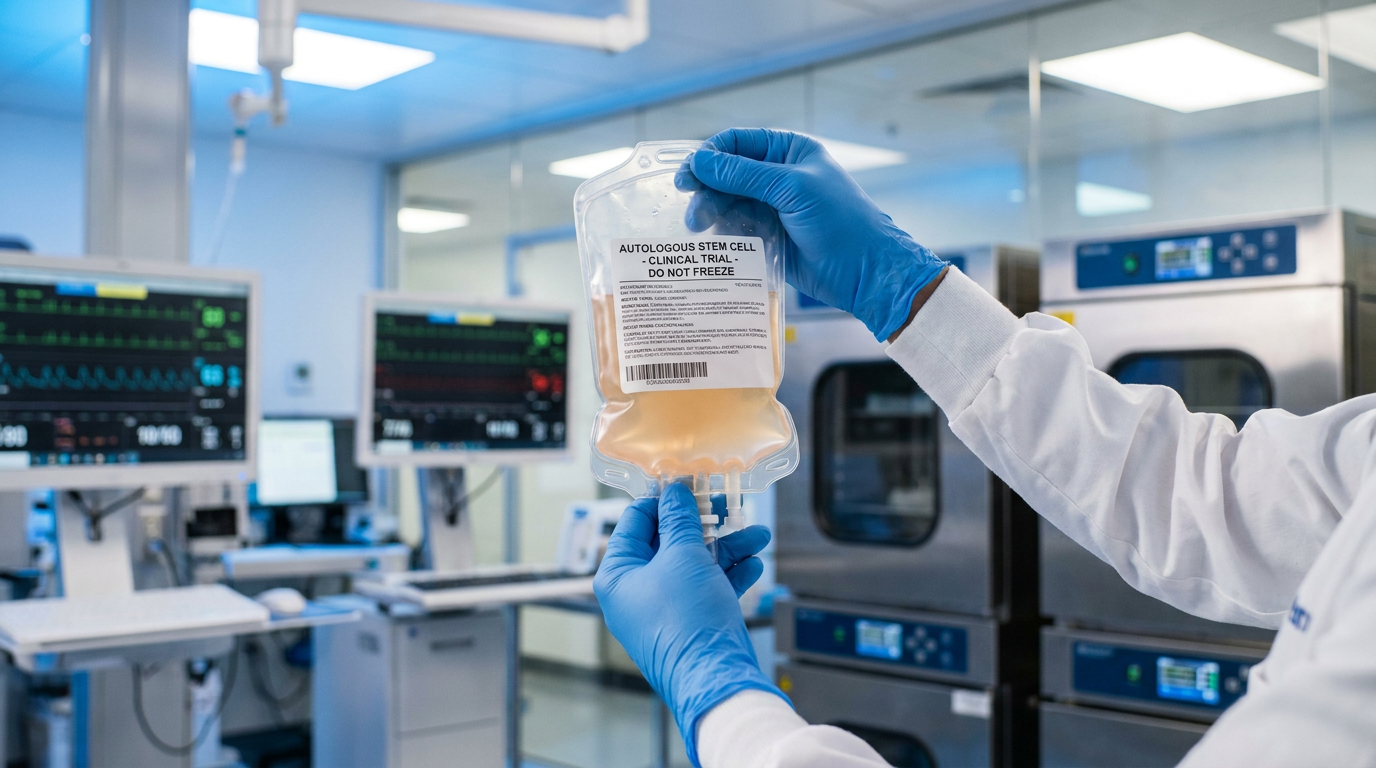
Faced with few options, doctors opted for a radical, experimental approach: an allogeneic hematopoietic stem-cell transplant (HSCT). The procedure is essentially a hard reset for the body's defenses. First, physicians used a grueling regimen of chemotherapy drugs—including fludarabine and treosulfan—alongside targeted antibodies to completely wipe out the patients' malfunctioning immune cells.[1][2]

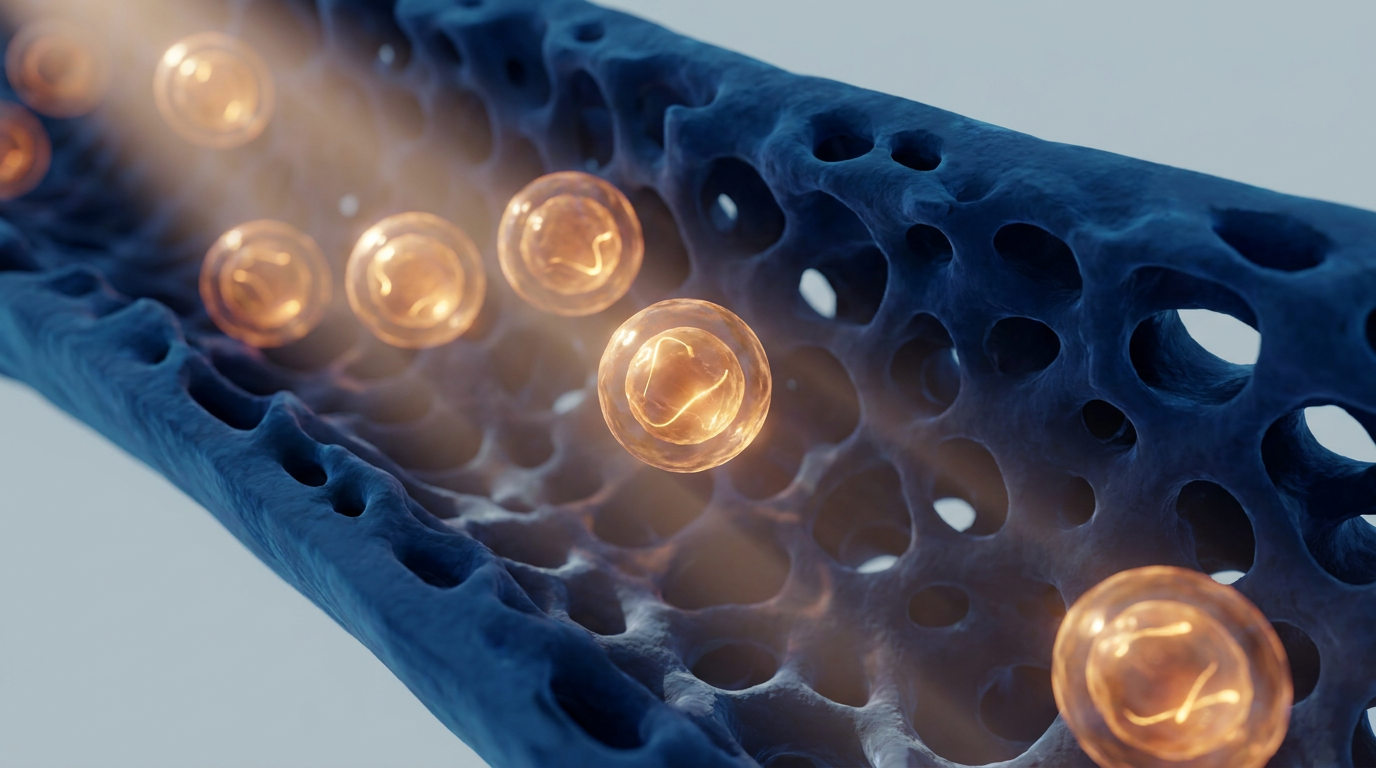
Once the defective immune system was eradicated, the patients received a single infusion of blood-forming stem cells taken from a healthy donor. The first patient, a man with severe disease progression, received stem cells from his sister in 2009. The following year, a woman with the same condition received cells from an unrelated donor. The goal was for these donor cells to migrate to the bone marrow and build an entirely new, self-tolerant immune system from scratch.[1][3]
The long-term results have stunned the medical community. More than 15 years later, neither patient has experienced a single return of disease symptoms. Furthermore, blood tests show a complete absence of AQP4-IgG, the specific disease-related antibody that drives the autoimmune attacks in NMOSD. The patients are entirely off immunosuppressive medications.[1][3][6]
More than 15 years later, neither patient has experienced a single return of disease symptoms.
The clinical recovery has been life-changing. The male patient's neurological condition improved so dramatically that he was able to resume a normal life and start a family. The female patient regained significant use of her arms and no longer requires any medication to manage her symptoms. Researchers conclude that the treatment effectively removed the cellular source of the autoimmune attack altogether.[1][3][6]

While the success is undeniable, immunologists and safety experts emphasize that the procedure is not a simple panacea. The conditioning regimen required to wipe out the original immune system is highly toxic, and the transplant carries severe risks. Both patients experienced adverse effects, including swollen lymph nodes and antibody deficiencies that required medical care. One patient later developed bladder cancer, a known potential complication of intense chemotherapy.[1][3][8]
There is also the persistent risk of graft-versus-host disease (GVHD), a potentially fatal complication where the newly transplanted donor immune cells recognize the recipient's body as foreign and begin attacking it. To mitigate this, patients require careful matching and additional prophylactic medications during the recovery phase. Because of these steep risks, researchers caution that allogeneic HSCT should currently be reserved for younger patients whose disease is highly aggressive and unresponsive to standard therapies.[1][3][8]
The distinction between an 'allogeneic' (donor) transplant and an 'autologous' (self) transplant is crucial to understanding this breakthrough. Previous trials, such as a notable 2019 study by Northwestern University, utilized autologous HSCT for NMOSD. In those procedures, doctors harvested the patient's own stem cells, wiped out their active immune cells, and then reintroduced the patient's cells to 'reboot' the system.[4][8]
While autologous transplants have shown remarkable success in halting disease progression for many patients—and carry a much lower risk of GVHD since the cells belong to the patient—they do not replace the underlying genetics of the immune system. The new 15-year data suggests that using healthy donor cells (allogeneic) might offer a more definitive, permanent eradication of the disease pathways, though at a higher initial risk.[4][5][8]

The implications of this milestone extend far beyond NMOSD. The regenerative medicine industry is increasingly viewing cellular therapy as the next frontier for a wide range of autoimmune conditions, including multiple sclerosis, systemic lupus erythematosus, and severe rheumatoid arthritis. Major cancer centers are already adapting the infrastructure built for leukemia bone-marrow transplants to treat severe autoimmune cases.[5][7]
To make these therapies safer and more accessible, researchers are working to engineer better cells. Recent breakthroughs at the University of British Columbia have demonstrated how to reliably grow specialized human immune cells from stem cells in a controlled laboratory setting. This could eventually allow hospitals to use off-the-shelf, lab-grown cells that are genetically edited to prevent GVHD, rather than relying on the complex logistics of human donors.[7]
For now, the 15-year remission of these two patients stands as a profound proof of concept. It demonstrates definitively that the human immune system is not a fixed, inescapable destiny. With the right intervention, even the most devastating autoimmune loops can be broken, offering a glimpse of a future where chronic immune diseases are cured rather than managed.[1][5][6]
How we got here
2009
A male patient with severe, rapidly progressing NMOSD receives an allogeneic stem-cell transplant from his sister.
2010
A female patient with the same condition receives a similar transplant using cells from an unrelated donor.
2019
A separate Northwestern University study shows high success rates using autologous (self) stem-cell transplants for NMOSD, though it does not replace the underlying immune genetics.
June 2026
Researchers publish a 15-year follow-up in the journal Med, confirming both allogeneic transplant patients remain entirely symptom-free without medication.
Viewpoints in depth
Clinical Researchers
Focus on the unprecedented duration of the remission and the proof of concept for a permanent cure.
For the medical researchers who authored the study, the 15-year milestone is a paradigm shift. Autoimmune diseases have long been viewed as chronic conditions requiring lifelong management. By demonstrating that a single intervention can completely eradicate the disease-causing AQP4-IgG antibodies for over a decade, researchers argue they have proven that the immune system's 'memory' of the disease can be permanently erased. They view this as justification for larger clinical trials to standardize the procedure.
Immunologists & Safety Experts
Caution that the extreme risks of the procedure limit its widespread application.
While celebrating the outcome, safety experts emphasize the brutal toll of the treatment. The conditioning regimen requires near-lethal doses of chemotherapy to wipe out the existing immune system, leaving the patient highly vulnerable to severe infections. Furthermore, the use of donor cells introduces the risk of graft-versus-host disease, where the new immune system attacks the recipient's organs. Because of these risks—and the occurrence of secondary cancers in one of the trial patients—experts argue this therapy must remain a last resort for highly aggressive, treatment-resistant cases.
Regenerative Medicine Industry
View this success as a foundation for scaling engineered cell therapies across all autoimmune conditions.
Biotech firms and major cancer centers see this 15-year data as ultimate validation for the cellular therapy pipeline. If replacing the immune system works for NMOSD, the industry believes similar protocols—or advanced CAR-T cell therapies that selectively target defective B-cells—can cure lupus, multiple sclerosis, and rheumatoid arthritis. Their current focus is on developing lab-grown, genetically edited stem cells that can provide the benefits of a donor transplant without the risk of immune rejection, transforming a rare, high-risk procedure into an accessible, off-the-shelf treatment.
What we don't know
- Whether this specific allogeneic transplant protocol will be as safe and effective in a larger, diverse clinical trial.
- Exactly which other autoimmune diseases will respond best to this total immune-replacement strategy.
- How quickly lab-grown, genetically edited stem cells can replace the need for human donors to reduce the risk of graft-versus-host disease.
Key terms
- Neuromyelitis Optica Spectrum Disorder (NMOSD)
- A rare, severe autoimmune disease where the immune system attacks the optic nerve and spinal cord, leading to blindness and paralysis.
- Allogeneic Stem-Cell Transplant
- A medical procedure where a patient receives healthy blood-forming stem cells from a donor to replace their own diseased or defective cells.
- Autologous Stem-Cell Transplant
- A procedure that uses a patient's own harvested stem cells to reboot their immune system, carrying a lower risk of rejection but retaining the patient's original genetics.
- Graft-Versus-Host Disease (GVHD)
- A potentially serious complication of donor transplants where the newly transplanted immune cells recognize the recipient's body as foreign and attack it.
- Conditioning Regimen
- The intense course of chemotherapy and antibodies given before a transplant to intentionally destroy the patient's existing immune system.
- AQP4-IgG
- The specific antibody found in the blood of NMOSD patients that mistakenly targets and damages the nervous system.
Frequently asked
What is the difference between this and standard treatments?
Standard treatments use medications to suppress the immune system and manage symptoms, requiring lifelong use. This stem-cell transplant aims to completely replace the defective immune system, offering a permanent cure without ongoing medication.
Why use donor cells instead of the patient's own cells?
While using a patient's own cells (autologous) is safer and prevents rejection, it reintroduces the exact same genetic immune system that caused the disease. Donor cells (allogeneic) provide a completely new, healthy immune system that does not have the genetic predisposition to attack the body.
Is this a cure for all autoimmune diseases?
Not yet. While the mechanism of replacing the immune system could theoretically work for other severe conditions like lupus or multiple sclerosis, the extreme risks of the procedure mean it is currently only considered for the most aggressive, treatment-resistant cases.
What are the main risks of the procedure?
The intense chemotherapy required to wipe out the old immune system is highly toxic and can cause secondary cancers. Additionally, there is a risk of graft-versus-host disease, where the donor immune cells attack the patient's organs.
Sources
Source coverage
8 outlets
4 viewpoints surfaced






[1]NatureClinical Researchers
Stem cells banish severe autoimmune disease for 15 years
Read on Nature →[2]Cell Press / MedClinical Researchers
Long-term clinical follow-up after allogeneic hematopoietic stem-cell transplant for NMOSD
Read on Cell Press / Med →[3]QazinformPatient Advocates
Stem-cell treatment keeps two patients with rare autoimmune disorder free from disease for 15 years
Read on Qazinform →[4]NeurologyClinical Researchers
Nonmyeloablative hematopoietic stem cell transplantation for neuromyelitis optica
Read on Neurology →[5]Moffitt Cancer CenterRegenerative Medicine Industry
Stem Cell and CAR T Therapies Are Giving New Hope for Autoimmune Diseases
Read on Moffitt Cancer Center →[6]Positron TodayPatient Advocates
Stem cells banish severe autoimmune disease for 15 years
Read on Positron Today →[7]University of British ColumbiaRegenerative Medicine Industry
Stem cell engineering breakthrough paves way for next-generation living drugs
Read on University of British Columbia →[8]National Institutes of HealthImmunologists & Safety Experts
Cellular therapy for neuromyelitis optica spectrum disorder: a comprehensive review
Read on National Institutes of Health →

Every angle. Every day.
Get science stories with full source coverage and perspective breakdowns delivered to your inbox.