
The Science of Skin Barrier Repair: Understanding Ceramides, Peptides, and the Acid Mantle
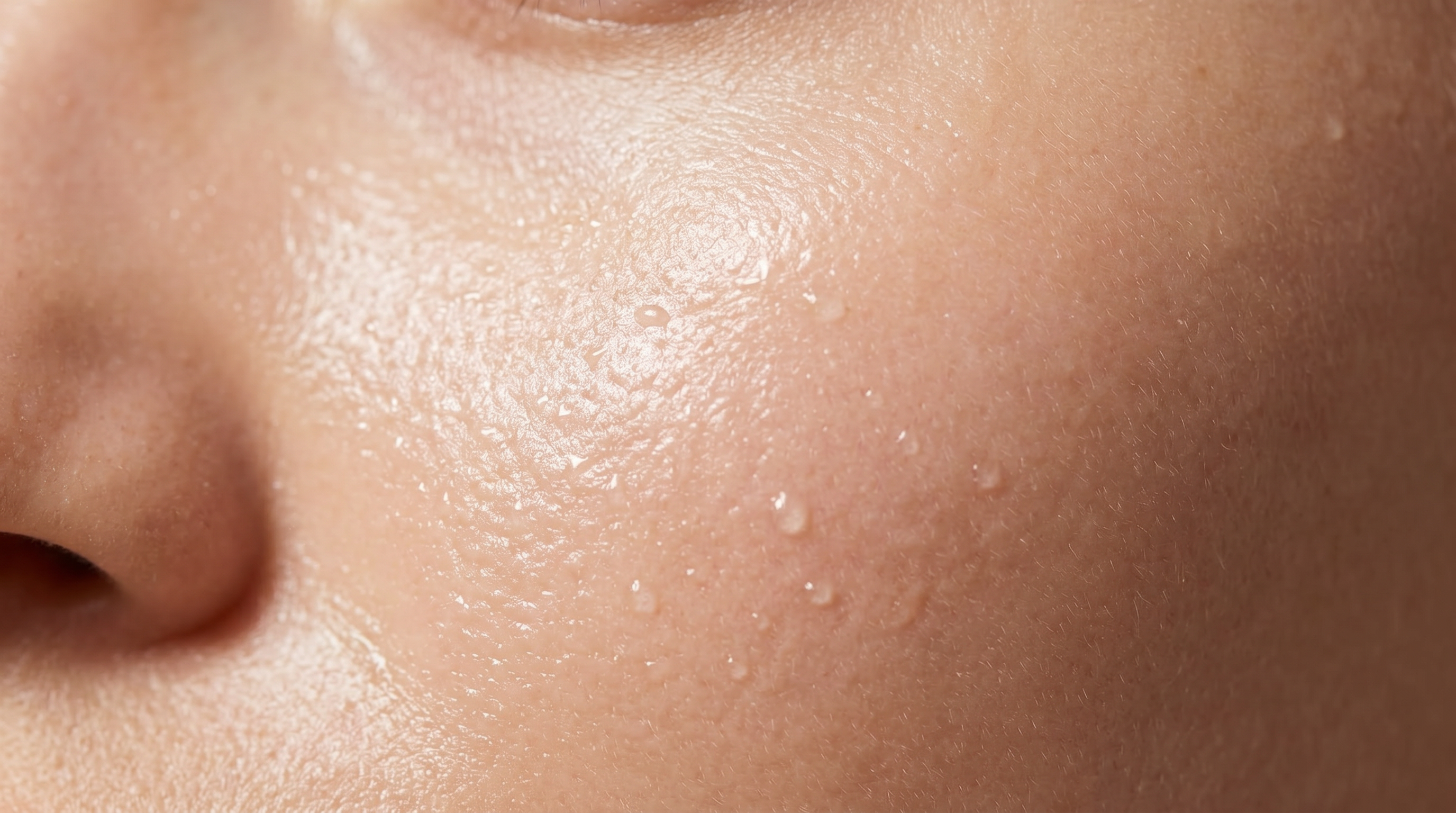
Dermatology is shifting away from aggressive exfoliation toward a preservation-first approach. Understanding the microscopic architecture of the skin barrier is the key to resolving chronic dryness, redness, and sensitivity.
By Factlen Editorial Team
- Dermatological Consensus
- Focuses on measurable clinical outcomes, lipid ratios, and the reduction of transepidermal water loss.
- Microbiome Researchers
- Views the skin as a living ecosystem where bacterial balance dictates physical resilience.
- Cosmetic Chemists
- Focuses on formulation stability, biomimetic ingredients, and advanced delivery systems.
- Consumer Trend Analysts
- Tracks the shift from aggressive exfoliation to barrier-first routines driven by social media awareness.
What's not represented
- · Patients with chronic genetic barrier defects (e.g., severe atopic dermatitis) whose skin cannot naturally synthesize adequate ceramides.
- · Aestheticians who balance the need for clinical exfoliation with barrier preservation in treatment settings.
Why this matters
A compromised skin barrier is the hidden culprit behind almost every common skin complaint, from premature aging and severe dryness to sudden acne and chronic redness. Understanding how to protect and rebuild this microscopic shield allows you to stop wasting money on harsh treatments and fundamentally improve your skin's resilience and health.
Key points
- The skin barrier functions like a brick wall, with skin cells acting as bricks and a lipid matrix acting as the mortar.
- A healthy lipid matrix is composed of 50% ceramides, 25% cholesterol, and 15% fatty acids.
- The acid mantle, a slightly acidic film on the skin, is crucial for defending against pathogens and supporting the microbiome.
- Harsh alkaline soaps and over-exfoliation strip the barrier, leading to rapid moisture loss and inflammation.
- Repairing a damaged barrier requires pausing active ingredients and applying biomimetic lipids to damp skin.
- Full normalization of a chronically damaged skin barrier typically takes three to six weeks of consistent care.
The era of aggressive scrubbing and chemical peels is giving way to a new obsession: the skin barrier. On social media platforms, the #skinbarrier hashtag has amassed over 5.2 billion views, reflecting a massive consumer shift away from harsh treatments.[3]
But behind the viral hype lies a profound evolution in dermatological science. For decades, the grooming and skincare industries marketed the idea of "stripping" the skin clean to achieve a flawless complexion. Today, clinical focus has pivoted entirely to preservation, treating the skin as a complex, living ecosystem rather than an inert surface to be scoured.[8]
To understand barrier repair, one must first understand the microscopic architecture of the stratum corneum—the outermost layer of the epidermis. Dermatologists universally rely on the "brick and mortar" analogy to explain this structure. The "bricks" are dead, flattened skin cells called keratinocytes, which provide the physical shield against the outside world.[3][7]

The "mortar" holding these cellular bricks together is a highly organized lipid matrix. This matrix is composed of approximately 50 percent ceramides, 25 percent cholesterol, and 10 to 15 percent free fatty acids. When this mortar is intact and healthy, it locks moisture inside the body and keeps environmental irritants, allergens, and pathogens firmly out.[7][8]
When the barrier is compromised, the microscopic mortar develops invisible cracks. This leads to a phenomenon known clinically as transepidermal water loss (TEWL). Moisture evaporates rapidly through the skin into the air, leaving the tissue dehydrated, while external irritants easily penetrate the deeper, vulnerable layers, triggering a cascade of inflammatory responses.[4][7]
The signs of a damaged barrier are immediate and unmistakable. Skin may feel inexplicably tight, look dull or red, and develop a rough, flaky texture. Products that previously caused no issues may suddenly sting or burn upon application, signaling that the body's primary defense system has been breached and nerve endings are exposed.[1][3]
Physical architecture is only half the story; the barrier is also protected by an invisible chemical shield known as the acid mantle. Healthy skin maintains a slightly acidic surface pH, typically ranging between 5.4 and 5.9. This specific acidity is crucial because the enzymes responsible for synthesizing the lipid mortar can only function properly within this narrow pH window.[4][6]

Physical architecture is only half the story; the barrier is also protected by an invisible chemical shield known as the acid mantle.
The acid mantle also serves as a hostile environment for harmful pathogens while providing a perfect habitat for the skin's microbiome. This living ecosystem of beneficial bacteria, fungi, and viruses actively defends the skin. Certain friendly bacterial strains, like Staphylococcus epidermidis, even release antimicrobial peptides that further strengthen the barrier against inflammatory invaders.[5][6]
Unfortunately, modern grooming habits are uniquely designed to destroy this delicate balance. Traditional bar soaps are highly alkaline, often registering a pH between 9 and 10. A single wash with harsh soap can spike the skin's pH for hours, halting natural lipid production and completely stripping away the protective acid mantle.[6]
Over-exfoliation is another primary culprit in barrier destruction. The aggressive use of physical scrubs, combined with daily applications of chemical exfoliants like alpha-hydroxy acids (AHAs) or retinoids, physically thins the stratum corneum faster than the body can regenerate it. Environmental factors, including harsh winter weather, indoor heating, and urban pollution, compound this daily stress.[1][7]
Repairing the damage requires a deliberate, scientifically backed protocol, and dermatologists warn that simply slathering on heavy, raw oils is not the answer. Oils often just sit on the surface of the skin; they do not integrate into the cellular mortar and can actually exacerbate conditions like dandruff, acne, or rosacea by trapping heat and bacteria.[1]
True repair requires biomimetic ingredients—compounds that mimic the skin's natural chemistry. Clinical evidence points to a "golden ratio" for barrier restoration: a 3:1:1 formulation of ceramides, cholesterol, and fatty acids. Creams utilizing this specific ratio have been shown to normalize the barrier and halt water loss as effectively as mid-potency topical steroids in some dermatological trials.[2][4]

The skincare industry is now advancing into next-generation "smart" lipids to accelerate this process. Cosmetic chemists are developing phytosphingosine-anchored ceramides that sink deeper into the epidermis, alongside prebiotic formulations designed to feed the microbiome so that the skin's own bacteria are prompted to manufacture extra ceramides on demand.[2]
The timeline for repair depends entirely on the severity of the damage and the consistency of the intervention. In the immediate phase—the first zero to six hours after damage occurs—the skin mounts an emergency response, secreting stored lipids to rapidly patch the breach and stop the bleeding of moisture.[8]
For mild damage caused by a single harsh product or a sudden cold snap, the intermediate repair phase takes about one to two weeks. This aligns with the natural turnover cycle of the stratum corneum. However, chronic damage resulting from months of over-exfoliation requires a full lipid matrix normalization, which typically takes three to six weeks of strict adherence to a repair protocol.[8]

The repair protocol itself is rooted in extreme simplicity. Dermatologists recommend pausing all active ingredients immediately—no vitamin C, no retinoids, and absolutely no exfoliants. Cleansing should be limited to lukewarm water and low-pH syndet (synthetic detergent) cleansers that respect and preserve the acid mantle.[6][7]
Finally, the timing of moisture application is critical to success. The "soak and seal" method dictates that a ceramide-rich cream must be applied within three minutes of bathing, while the skin is still slightly damp. This traps existing water inside the epidermis before TEWL can occur, providing the optimal, hydrated environment for the skin's microscopic bricklayers to rebuild the wall.[1][7]
How we got here
0 to 6 Hours
The immediate phase: the skin mounts an emergency response, secreting stored lamellar bodies to rapidly patch the breach in the barrier.
1 to 14 Days
The intermediate phase: natural moisturizing factors increase and the stratum corneum begins a standard turnover cycle, resolving mild damage.
3 to 6 Weeks
The long-term phase: the intercellular lipid matrix fully normalizes its composition of ceramides, cholesterol, and fatty acids, resolving chronic damage.
Viewpoints in depth
Dermatological Consensus
Focuses on measurable clinical outcomes, lipid ratios, and the reduction of transepidermal water loss.
For medical professionals, barrier repair is not a cosmetic trend but a fundamental requirement for skin health. Dermatologists emphasize that a compromised barrier is the root cause of inflammatory conditions ranging from eczema to severe acne. Their approach relies heavily on clinical data, specifically advocating for the 3:1:1 ratio of ceramides, cholesterol, and fatty acids, which has been proven in trials to restore the stratum corneum as effectively as prescription topical steroids. They prioritize the 'soak and seal' method and strictly advise against the use of raw, unformulated oils, which they note sit uselessly on the skin's surface.
Microbiome Researchers
Views the skin as a living ecosystem where bacterial balance dictates physical resilience.
Microbiome scientists argue that focusing solely on the physical 'brick and mortar' of the skin misses half the picture. They view the skin barrier as a symbiotic environment where human cells and trillions of microbes collaborate. From this perspective, harsh alkaline soaps and over-exfoliation don't just cause physical damage—they cause ecological collapse. By destroying the acid mantle, these habits kill off beneficial strains like Staphylococcus epidermidis, allowing inflammatory pathogens to colonize the skin. Their focus is on prebiotic formulations that feed good bacteria, allowing the skin to naturally synthesize its own protective ceramides.
Cosmetic Chemists
Focuses on formulation stability, biomimetic ingredients, and advanced delivery systems.
For the chemists formulating the next generation of skincare, the challenge lies in delivery and integration. It is not enough to simply put ceramides into a jar; the molecules must be engineered to penetrate the stratum corneum and integrate seamlessly into the human lipid matrix. This camp is pioneering 'smart' lipids, such as phytosphingosine-anchored ceramides, which mimic the skin's exact biological blueprint. They are also focused on creating elegant syndet cleansers that can remove urban pollution and excess sebum without disrupting the delicate pH of the acid mantle.
What we don't know
- Exactly how different environmental pollutants interact with the skin microbiome to degrade the acid mantle over time.
- Whether topical prebiotic and probiotic formulations can permanently alter a person's baseline skin microbiome, or if the effects are strictly temporary.
- The precise long-term impact of chronic, low-level barrier disruption caused by daily use of multiple active skincare ingredients.
Key terms
- Stratum Corneum
- The outermost layer of the epidermis, functioning as the body's primary physical barrier against the environment.
- Transepidermal Water Loss (TEWL)
- The process by which water passively evaporates through the skin into the external environment, which accelerates when the barrier is damaged.
- Ceramides
- Waxy lipid molecules that make up half of the skin's protective mortar, crucial for retaining moisture and structure.
- Acid Mantle
- A very fine, slightly acidic film on the surface of human skin acting as a barrier to bacteria, viruses, and other potential contaminants.
- Microbiome
- The invisible ecosystem of beneficial bacteria, fungi, and viruses that live on the skin and actively defend against pathogens.
- Syndet Cleanser
- A synthetic detergent cleanser formulated to have a neutral or slightly acidic pH, making it far gentler on the skin than traditional alkaline soaps.
Frequently asked
How do I know if my skin barrier is damaged?
Signs include a tight, pulling sensation, unexplained redness, flaking, and a sudden stinging or burning reaction to skincare products that you previously tolerated well.
Can I just use coconut oil or essential oils to repair my barrier?
No. Dermatologists warn that raw oils simply sit on the surface of the skin rather than integrating into the cellular structure, and they can actually exacerbate conditions like acne or dandruff.
How long does it take to fix a damaged barrier?
Mild damage from a cold snap or single harsh product can repair in 1 to 2 weeks. Chronic damage from long-term over-exfoliation requires 3 to 6 weeks of strict adherence to a repair protocol.
Should I stop using retinol and exfoliants while repairing my barrier?
Yes. Clinical protocols require pausing all active ingredients, including retinoids, vitamin C, and chemical exfoliants, until the lipid matrix has fully normalized.
Sources
Source coverage
8 outlets
4 viewpoints surfaced





[1]Cleveland ClinicDermatological Consensus
10 Skin Care Tips From a Dermatologist
Read on Cleveland Clinic →[2]Los Angeles TimesCosmetic Chemists
What Are Ceramides? A Guide to Repairing Your Skin Barrier
Read on Los Angeles Times →[3]Everyday HealthConsumer Trend Analysts
What Is the Skin Barrier? Function, Signs of Damage, and How to Care for Yours
Read on Everyday Health →[4]National Center for Biotechnology InformationDermatological Consensus
Acid mantle: What we need to know
Read on National Center for Biotechnology Information →[5]Dr. David Jack ClinicMicrobiome Researchers
The Real Science of Skin Barrier Repair: Why Ceramides and Fatty Acids Matter
Read on Dr. David Jack Clinic →[6]The Alchemy of SkincareMicrobiome Researchers
The Acid Mantle: The Alchemy of Skincare
Read on The Alchemy of Skincare →[7]CeraVe DermatologyDermatological Consensus
Expert Tips | How To Repair & Restore Your Skin Barrier
Read on CeraVe Dermatology →[8]Factlen Editorial TeamConsumer Trend Analysts
Synthesis by Factlen editorial team
Read on Factlen Editorial Team →

More in lifestyle
See all 29 stories →Neuroaesthetics
How Neuroaesthetics is Rewiring Interior Design for Brain Health
9 sources

Neuroarchitecture
How Neuroarchitecture and Biophilic Design Are Re-Engineering the Modern Home
10 sources

Dating Culture
Beyond the Swipe: How 'Experiential Intimacy' and Run Clubs Are Rewriting the Rules of Dating
6 sources

Social Fitness
The New Science of Social Fitness: Why Friendships and 'Third Places' Are the Key to Longevity
7 sources

Every angle. Every day.
Get lifestyle stories with full source coverage and perspective breakdowns delivered to your inbox.