
The Science of Orange Wine: How an 8,000-Year-Old Technique Conquered Modern Palates
Once a niche curiosity in natural wine bars, skin-contact white wine—often called orange or amber wine—is surging into the mainstream. By reviving ancient fermentation methods, winemakers are unlocking entirely new flavor profiles and chemical structures from familiar white grapes.
By Factlen Editorial Team
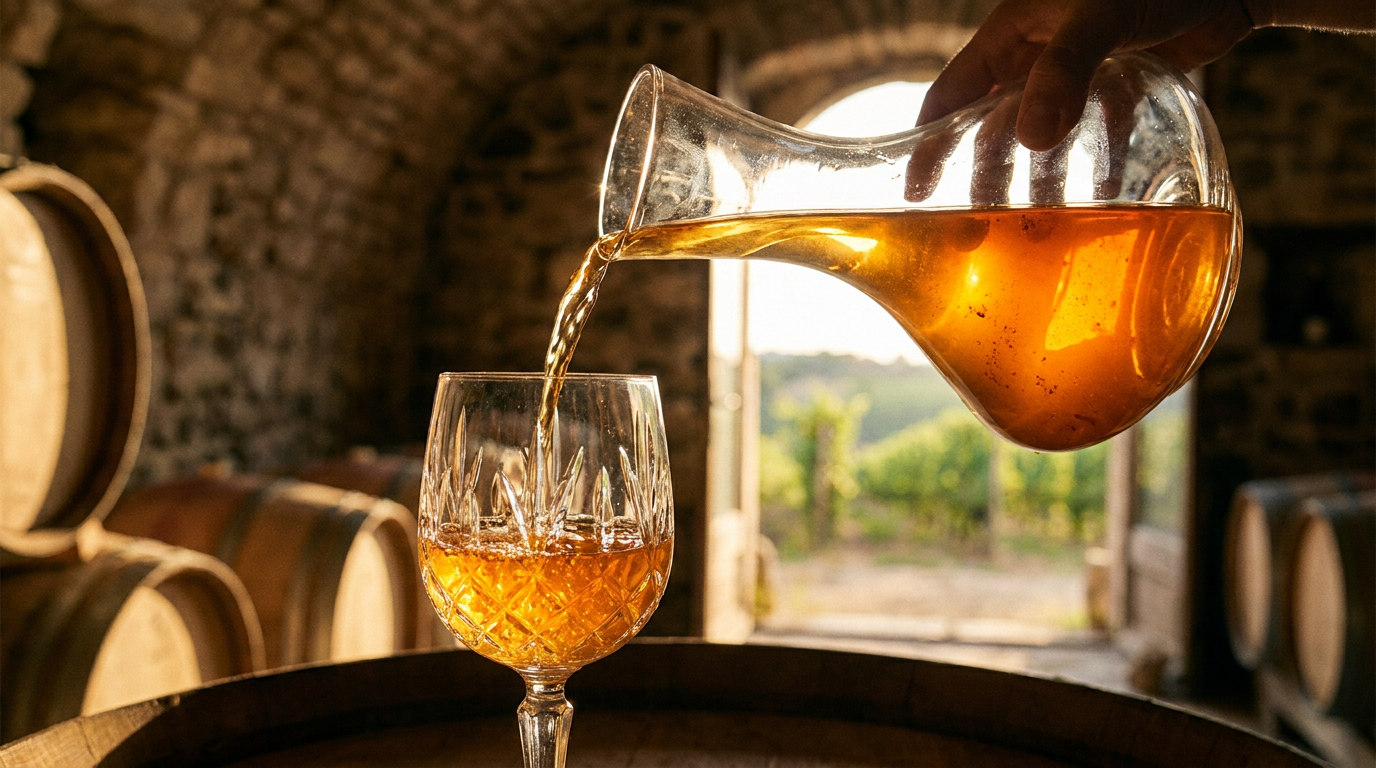
- Minimal Interventionists
- Winemakers who favor ancient methods, zero additives, and accept unpredictable, funky flavor profiles as authentic expressions of nature.
- Precision Enologists
- Modern winemakers who use skin-contact for texture and flavor but apply rigorous science to ensure clean, fault-free, and stable wines.
- Market Analysts
- Industry observers who view the category through the lens of consumer trends, retail expansion, and its high compound annual growth rate.
What's not represented
- · Conventional white wine producers losing market share to the skin-contact category
- · Georgian cultural historians advocating for the protection of traditional qvevri methods
Why this matters
Understanding how orange wine is made demystifies one of the fastest-growing categories in the beverage world. It helps consumers navigate modern restaurant wine lists and offers a scientific solution to pairing complex, spicy foods that traditional wines struggle to match.
Key points
- Orange wine is made by fermenting white grapes with their skins, a process normally reserved for red wine.
- The extended skin contact extracts tannins, giving the wine a dry, tea-like structure and an amber color.
- The technique originated in Georgia roughly 8,000 years ago using buried clay vessels called qvevri.
- The category is rapidly moving from niche natural wine bars to mainstream supermarkets and fine dining.
- Its unique combination of acidity and tannins makes it highly versatile for pairing with spicy and fermented foods.
For years, it was the punchline of the traditional wine world—a cloudy, cider-like curiosity poured exclusively in dimly lit natural wine bars in East London or Brooklyn. But by 2026, orange wine has officially shed its fringe reputation. Major supermarkets in the United Kingdom, including Waitrose and Marks & Spencer, have dedicated permanent shelf space to the category, while online retailer Ocado recently reported a 99 percent year-over-year surge in sales. In the United States, fine-dining establishments are increasingly featuring dedicated skin-contact sections on their reserve lists. This is no longer a fleeting hipster trend; it is a fundamental shift in how the global market understands and consumes white grapes.[4][5]
To understand the appeal of orange wine, one must first dismantle the basic binary of modern winemaking. Conventionally, white wine is made by pressing white grapes immediately after harvest and discarding the skins, fermenting only the clear juice. Red wine, conversely, is made by crushing red grapes and leaving the juice to macerate with the dark skins, extracting color, flavor, and structural compounds. Orange wine—more accurately described as skin-contact white wine or amber wine—borrows the red wine playbook but applies it to white grapes. The juice is left in contact with the skins and seeds for anywhere from a few days to several months.[1][2]
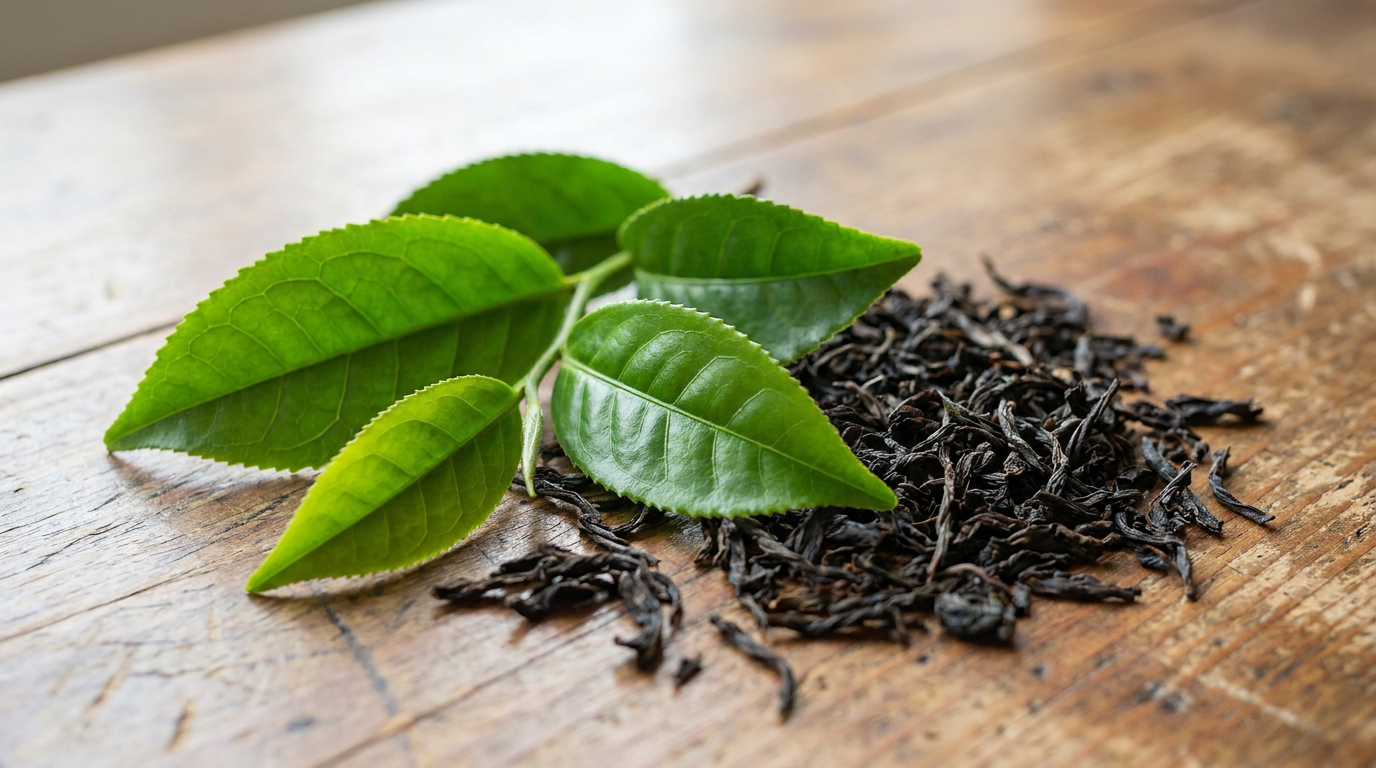
This extended maceration fundamentally alters the chemical architecture of the resulting beverage. While white grape skins lack the anthocyanins that give red wine its crimson hue, they are rich in other phenolic compounds. As the juice ferments alongside the skins, it extracts flavonoids, catechins, and occasionally carotenoids. These compounds interact with oxygen and each other to produce a spectrum of colors ranging from pale gold to deep, glowing amber. More importantly, this process extracts tannins—the astringent, mouth-drying polyphenols typically associated with robust red wines or over-steeped black tea.[2][3]

The presence of tannins in a wine made from white grapes creates a sensory paradox that thrills sommeliers and baffles uninitiated palates. A well-made orange wine retains the bright acidity and floral aromatics of a white wine, but it delivers the weight, texture, and structural grip of a red. The flavor profile shifts dramatically away from the crisp citrus and green apple notes of conventional whites. Instead, the oxidative environment and skin extraction yield complex, savory notes: bruised apple, dried apricot, honeycomb, jackfruit, and a distinct nuttiness that borders on hazelnut or almond.[1][3]
While the modern wine industry treats this as a novel innovation, skin-contact white winemaking is actually the oldest viticultural technique on record. The practice originated roughly 8,000 years ago in the Caucasus region, specifically in modern-day Georgia. Ancient winemakers crushed whole bunches of grapes—juice, skins, seeds, and stems—and sealed them inside massive, egg-shaped clay vessels called qvevri. These vessels were buried underground, where the earth provided natural temperature control during the turbulent fermentation process. The wine would rest on its skins for months before being unearthed, resulting in a deeply colored, highly stable liquid.[1][3]

While the modern wine industry treats this as a novel innovation, skin-contact white winemaking is actually the oldest viticultural technique on record.
This ancient Georgian tradition survived for millennia, eventually earning recognition from UNESCO as an Intangible Cultural Heritage of Humanity. However, it remained largely isolated from the Western European wine canon until the late 1990s. The modern resurgence can be traced to the borderlands of Italy and Slovenia, specifically the Friuli-Venezia Giulia region and the neighboring Brda hills. There, visionary winemakers like Josko Gravner grew disillusioned with the hyper-technological, heavily manipulated white wines that dominated the late 20th century. Seeking a return to authenticity, Gravner traveled to Georgia, imported traditional qvevri, and began applying ancient maceration techniques to local white grapes like Ribolla Gialla.[1][3]
Gravner’s initial experiments were met with fierce criticism from the Italian wine establishment, which viewed his amber, tannic liquids as flawed and oxidized. Yet, his persistence ignited a quiet revolution. A small cohort of producers in Italy, Slovenia, and eventually France’s Jura region began experimenting with skin-contact whites. They discovered that the technique not only produced fascinating flavors but also acted as a natural preservative. The tannins and antioxidants extracted from the skins protected the wine from spoilage, allowing winemakers to drastically reduce or eliminate the use of added sulfur dioxide—a cornerstone of the burgeoning natural wine movement.[1][2]
Today, the commercial momentum behind orange wine is staggering. Market analysts project the global orange wine sector to grow from roughly $650 million in 2025 to over $1.5 billion by 2031, representing a compound annual growth rate hovering near 8.5 percent. This growth is significantly outpacing the broader, largely stagnant conventional wine market. The expansion is being driven by a younger demographic of drinkers—particularly Millennials and Gen Z—who prioritize transparency, minimal intervention, and novel flavor experiences over the rigid prestige of traditional Bordeaux or Burgundy classifications.[4][5]

The culinary world has been instrumental in accelerating this mainstream adoption. For decades, sommeliers struggled to pair wine with notoriously difficult ingredients: the fiery spice of Thai curries, the pungent fermentation of Korean kimchi, the earthy complexity of Moroccan tagines, and the rich umami of asparagus or artichokes. Traditional white wines are often overpowered by these bold flavors, while the heavy oak and dark fruit of red wines can clash disastrously with spice and acidity. Orange wine bridges this gastronomic gap perfectly.[2][3]
The science of food pairing explains why skin-contact whites are so versatile. The bright acidity of the white grapes cuts through rich, fatty foods like aged cheeses and cured charcuterie, cleansing the palate. Simultaneously, the tannic structure binds to proteins and stands up to intense spices without turning metallic or bitter. The savory, oxidative flavor profile harmonizes beautifully with fermented foods and umami-rich broths. As global cuisine becomes increasingly fusion-oriented and spice-forward, orange wine has emerged as the ultimate utility player on modern tasting menus.[3][6]

As the category matures, the winemaking itself is evolving. The first wave of modern orange wines was often characterized by extreme funkiness, volatile acidity, and unpredictable bottle variation—traits that natural wine purists celebrated but mainstream consumers found alienating. Today, a new generation of enologists is applying rigorous scientific precision to the ancient craft. By carefully managing extraction times, controlling fermentation temperatures, and utilizing cleaner cellar practices, they are producing skin-contact wines that are pristine, elegant, and highly expressive of their specific regional terroir.[2][6]
The future of orange wine lies in this balance between ancient wisdom and modern refinement. It has proven itself to be much more than a passing fad; it is a reclamation of viticultural history that expands the sensory vocabulary of the modern drinker. By simply leaving the skins in the juice, winemakers have unlocked a vibrant, amber-hued frontier that challenges our assumptions about what white wine can be, proving that sometimes the most revolutionary innovations are simply forgotten traditions waiting to be unearthed.[1][4][6]
How we got here
6000 BCE
Early winemakers in the Caucasus region begin fermenting whole grapes in buried clay qvevri.
1997
Italian winemaker Josko Gravner produces his first commercial skin-contact Ribolla Gialla, sparking the modern revival.
2013
UNESCO recognizes traditional Georgian qvevri winemaking as an Intangible Cultural Heritage of Humanity.
2020
The natural wine movement pushes orange wine into trendy urban wine bars across Europe and the US.
2026
Major supermarkets and online retailers report massive sales surges, cementing the style's mainstream status.
Viewpoints in depth
The Natural Wine Purists
Advocates who view skin-contact winemaking as a return to pre-industrial authenticity.
For the natural wine community, orange wine represents a philosophical rejection of modern, chemically manipulated winemaking. Because the tannins extracted from the grape skins act as a natural antioxidant and preservative, winemakers can bottle the wine without adding synthetic sulfur dioxide. Purists celebrate the resulting unpredictability—embracing cloudy appearances, volatile acidity, and cider-like funkiness as honest expressions of the vineyard's terroir and the vintage's unique conditions.
The Modern Enologists
Technicians applying rigorous science to refine and stabilize ancient maceration techniques.
While respecting the historical roots of the practice, modern enologists argue that ancient methods do not excuse flawed wine. By utilizing temperature-controlled fermentation, precise extraction timing, and rigorous cellar hygiene, this camp aims to produce skin-contact whites that are pristine and elegant. They view the skins not as a chaotic variable, but as a tool to build texture, enhance aromatic complexity, and create highly stable, age-worthy wines that can compete with the world's finest traditional whites.
The Culinary World
Sommeliers and chefs who utilize orange wine as a versatile tool for complex food pairings.
In the high-end restaurant industry, orange wine is prized primarily for its utility. Sommeliers have long struggled to find single bottles that can bridge the gap between delicate seafood and heavy, spice-driven main courses. Because skin-contact whites possess the refreshing acidity of a white wine and the structural, protein-binding tannins of a red wine, they serve as a gastronomic skeleton key. They are uniquely capable of complementing umami-rich broths, fermented vegetables, and fiery curries without overwhelming the palate.
What we don't know
- Whether major multinational beverage conglomerates will begin acquiring small-batch orange wine producers to capture market share.
- How climate change and rising global temperatures will affect the phenolic ripeness of the white grape skins used for extended maceration.
- If the term 'orange wine' will eventually be replaced by the more accurate 'skin-contact white' in mainstream retail labeling.
Key terms
- Maceration
- The process of soaking crushed grapes, seeds, and skins in their own juice to extract color, tannins, and flavor.
- Tannins
- Naturally occurring polyphenols found in grape skins and seeds that create a dry, astringent sensation in the mouth.
- Qvevri
- Large, egg-shaped clay vessels used in traditional Georgian winemaking, buried underground to regulate fermentation temperature.
- Phenolic Compounds
- Chemical structures in grapes, including flavonoids and catechins, that contribute to a wine's color, taste, and mouthfeel.
- Anthocyanins
- The specific pigment molecules found in red grape skins that give red wine its color, which are absent in most white grapes.
Frequently asked
Does orange wine taste like oranges?
No. The name refers only to the wine's amber color. It is made entirely from grapes and contains no citrus fruit.
Should orange wine be served chilled?
Yes, but not as cold as a crisp white wine. Serving it around 55°F (13°C) allows the complex aromas to open up without making the tannins feel too harsh.
Is orange wine the same as natural wine?
Not necessarily. While many orange wines are made using natural, low-intervention methods, 'orange' refers to the skin-contact technique, whereas 'natural' refers to farming and additive-free cellar practices.
How long does an open bottle last?
Because the tannins and oxidative winemaking process act as natural preservatives, an open bottle of orange wine often stays fresh in the fridge for several days longer than a standard white wine.
Sources
Source coverage
6 outlets
3 viewpoints surfaced






[1]WSET GlobalPrecision Enologists
What is orange wine? Understanding skin-contact white wines
Read on WSET Global →[2]SevenFifty DailyPrecision Enologists
The Science of Orange Wine
Read on SevenFifty Daily →[3]Wine FollyMinimal Interventionists
What is an Orange Wine?
Read on Wine Folly →[4]Market Report AnalyticsMarket Analysts
Orange Wine Research Report - Market Overview and Key Insights
Read on Market Report Analytics →[5]Pristine Market InsightsMarket Analysts
Orange Wine Market Report: 2026-2036 Forecast
Read on Pristine Market Insights →[6]Factlen Editorial Team
Synthesis by Factlen editorial team
Read on Factlen Editorial Team →
More in food drink
See all 37 stories →Sustainable Viticulture
The Rise of PIWI Grapes: How Fungus-Resistant Vines Are Reshaping Sustainable Wine
6 sources
Flavor Science
The Science of Umami: How to Engineer Deep Savory Flavor in Plant-Based Cooking
6 sources

Cocktail Science
The Science of Clarified Milk Punch: How Curdled Milk Makes Crystal-Clear Cocktails
6 sources
Tea Chemistry
The Chemistry of Tea: How Processing and L-Theanine Alter the Health and Cognitive Effects of Camellia Sinensis
7 sources
Every angle. Every day.
Get food drink stories with full source coverage and perspective breakdowns delivered to your inbox.