
The Science and History of Midsummer: How Ancient Solstice Traditions Thrive Today
From Sweden's Midsommar to Peru's Inti Raymi, cultures worldwide continue to honor the June solstice with vibrant rituals of fire, flora, and community.
By Tara Reddy

In short
- The June solstice marks the longest day of the year in the Northern Hemisphere and the shortest in the Southern Hemisphere.
- Sweden's Midsommar and Latvia's Jāņi celebrate the peak of summer with maypoles, bonfires, and nature-based rituals.
- In Peru, the Inti Raymi festival honors the winter solstice, calling for the return of the sun god Inti.
The astronomical solstice, occurring annually on June 20 or 21, marks a profound planetary pivot. In the Northern Hemisphere, the North Pole tilts closest to the sun, resulting in the longest day of the year. Conversely, the Southern Hemisphere experiences its deepest tilt away from the sun, plunging into its shortest day.[2][3]
Across the globe, this celestial milestone has birthed some of humanity's most enduring and vibrant traditions. From the midnight sun of Scandinavia to the high altitudes of the Andes, the solstice is universally marked by fire, flora, and a deep reverence for the life-giving power of the sun.[3]
In Sweden, the celebration is known as Midsommar, a holiday that carries a cultural weight second only to Christmas. For Swedes, the festival is a collective exhale after a long, dark winter, marking the official arrival of the summer season.
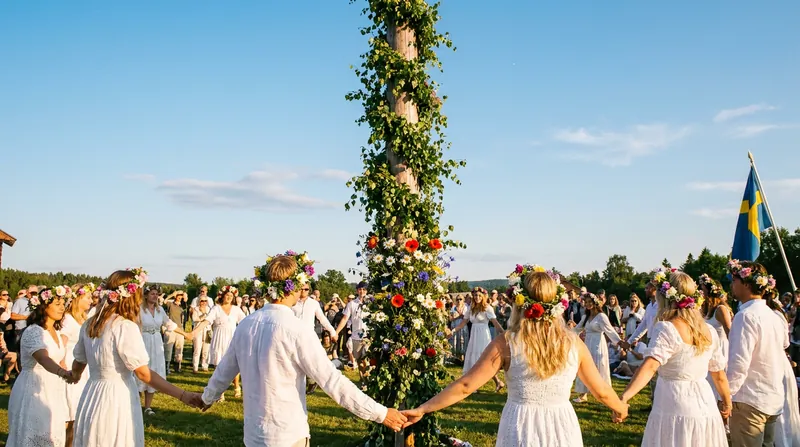
To celebrate, Swedes traditionally empty the cities and retreat to the countryside. Communities gather around the midsommarstång—a tall maypole decorated with lush birch branches and wildflowers—to dance, sing traditional songs like 'Små grodorna' (The Little Frogs), and feast on pickled herring, new potatoes, and strawberries.[2]
Swedish traditions are deeply steeped in the belief that nature holds special magic during the solstice. One of the most famous customs involves young women picking seven different species of wildflowers in silence and placing them under their pillows, a ritual historically believed to induce dreams of their future spouses.
Across the Baltic Sea, Latvia celebrates Jāņi, a fiercely protected national holiday rooted in ancient pagan fertility rites. The festival honors the natural cycle of the seasons and the power of the sun.
During Jāņi, Latvians weave heavy crowns of oak leaves for men—symbolizing strength—and delicate wildflower wreaths for women. Communities gather around massive bonfires that are kept burning from sunset until the early dawn, sharing homemade beer and traditional caraway cheese.
The fires of Jāņi are believed to transmit light and power to the next solar year. Leaping over the flames is a ritual meant to guarantee health and good fortune, while revelers playfully search the forests for the mythical 'fern flower,' which is said to bloom only on this night and bring immense luck to whoever finds it.[2]
While the Northern Hemisphere celebrates the peak of summer, the Andean region of South America marks the winter solstice. In Peru, this astronomical low point is the time of Inti Raymi, the majestic Festival of the Sun.[1]
Originally established in the 15th century by the Inca Empire, Inti Raymi honored Inti, the sun god. Because the sun was at its furthest point from the earth, the ancient Incas offered dances, gifts, and gratitude to invoke its return and ensure a bountiful agricultural cycle.[1][2]
Though the festival was banned by Spanish colonists in 1535, it was triumphantly revived in 1944. Today, Inti Raymi is a massive cultural spectacle in Cusco, featuring over 800 actors performing entirely in the indigenous Quechua language.
The modern Inti Raymi begins at the Qorikancha (Temple of the Sun) and culminates at the imposing stone fortress of Sacsayhuamán. It serves as a powerful reaffirmation of Andean identity and a deeply spiritual tribute to Pachamama, or Mother Earth.[1]
In the United Kingdom, the solstice draws thousands of visitors to the ancient megaliths of Stonehenge. The prehistoric monument was built to perfectly frame the rising midsummer sun, offering a tangible link to the astronomical observations of early Britons.
English folk traditions also emphasize the gathering of herbs, particularly St. John's wort. This bright yellow flower was believed to possess potent protective powers against evil spirits when harvested at the exact height of the sun's strength.
The historical endurance of these global festivals owes much to their cultural adaptation. As Christianity spread across Europe, many pagan solstice rites were absorbed into the feast of St. John the Baptist on June 24, allowing ancient bonfires to continue burning under a newly sanctioned religious banner.[2]
Today, the resurgence of these traditions speaks to a modern desire to reconnect with the natural world. In an era defined by digital screens and climate anxiety, the solstice offers a visceral, grounded reminder of the earth's fundamental rhythms.[3]
Whether it is a Swedish family dancing around a birch-clad pole, a Latvian choir singing until dawn, or an Andean priest offering gratitude to the sun in Cusco, the core human impulse remains identical across continents.[1]
The solstice stands as a universal acknowledgment of humanity's dependence on the sun—a shared, joyful pause to celebrate the light and warmth that sustains all life on Earth.[3]
Definitions
- Solstice
- The astronomical event when the sun reaches its highest or lowest point in the sky at noon, marking the longest and shortest days of the year.
- Midsommarstång
- A traditional Swedish maypole, decorated with greenery and flowers, around which communities dance during Midsummer.
- Jāņi
- Latvia's most significant cultural holiday, celebrating the summer solstice with bonfires, oak wreaths, and folk songs.
- Inti Raymi
- The ancient Inca Festival of the Sun, celebrated in Peru during the Andean winter solstice to honor the sun god Inti.
- Pachamama
- A revered goddess in Andean mythology, often translated as Mother Earth, representing fertility and the natural world.
Questions & answers
Why is the solstice celebrated on different days?
While the astronomical solstice usually falls on June 20 or 21, many cultural celebrations were historically fixed to June 24 to align with the Christian feast of St. John the Baptist.
Is Inti Raymi a summer or winter festival?
Inti Raymi takes place in June, which is the winter solstice in the Southern Hemisphere. It marks the shortest day of the year in Peru, prompting rituals to call the sun back.
What is the significance of the fern flower in Latvia?
In Latvian mythology, the fern is said to bloom only on the night of Jāņi. Finding this mythical flower is believed to bring immense luck, wealth, and the ability to understand the secrets of the universe.
Analysis by camp
Cultural Preservationists
Advocates who view solstice festivals as vital tools for protecting indigenous languages and ancient heritage.
For preservationists, events like Jāņi and Inti Raymi are far more than seasonal parties; they are acts of cultural survival. In Latvia, the continuous singing of traditional 'dainas' (folk songs) during the solstice helped maintain national identity through centuries of foreign occupation. Similarly, the modern Inti Raymi is conducted entirely in Quechua, serving as a powerful, highly visible platform to keep the indigenous language and Andean cosmovision alive in a rapidly globalizing world.
Modern Adapters
Participants who value the solstice primarily for its secular benefits of community building and nature connection.
Many contemporary participants engage with solstice traditions not out of religious or historical obligation, but for their psychological and social benefits. In Sweden, Midsommar is widely embraced as a secular, unifying holiday that forces a collective pause. Adapters emphasize the mental health benefits of leaving urban centers, gathering with loved ones, and spending extended time outdoors to appreciate the fleeting beauty of the summer months.
Spiritual & Neopagan Communities
Groups that honor the solstice as a sacred, energetic pivot point in the Earth's natural cycle.
For earth-based spiritual practitioners and modern pagans, the solstice remains a deeply mystical event. Gatherings at sites like Stonehenge or the sacred valleys of the Andes are viewed as opportunities to align human energy with the rhythms of the planet. These communities often focus on the traditional rituals of the solstice—such as herb gathering, fire leaping, and sunrise vigils—believing that the veil between the physical and spiritual worlds is thinnest during this astronomical peak.
- Cultural Preservationists
- Advocates who view solstice festivals as vital tools for protecting indigenous languages and ancient heritage.
- Modern Adapters
- Participants who value the solstice primarily for its secular benefits of community building and nature connection.
- Spiritual & Neopagan Communities
- Groups that honor the solstice as a sacred, energetic pivot point in the Earth's natural cycle.
Perspectives this story doesn't cover
- Agricultural workers whose historical harvest schedules dictated these festivals
- Meteorologists studying the shifting climate impact on traditional solstice weather
Sources
Source coverage
3 outlets
3 viewpoints surfaced



- [1]Peru TravelSpiritual & Neopagan Communities
Inti Raymi and the rebirth of the Sun
Read on Peru Travel → - [2]WikipediaCultural Preservationists
Midsummer
Read on Wikipedia → - [3]Factlen Editorial TeamModern Adapters
Synthesis by Factlen editorial team
Read on Factlen Editorial Team →

More in Culture
See all →Global Heritage
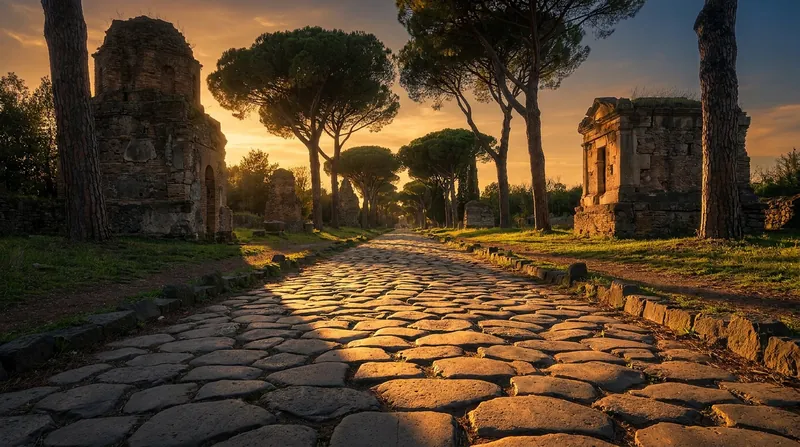
UNESCO Adds 24 New World Heritage Sites, Highlighting Nelson Mandela's Legacy and Rome's Via Appia
3 sources
Heritage Protection
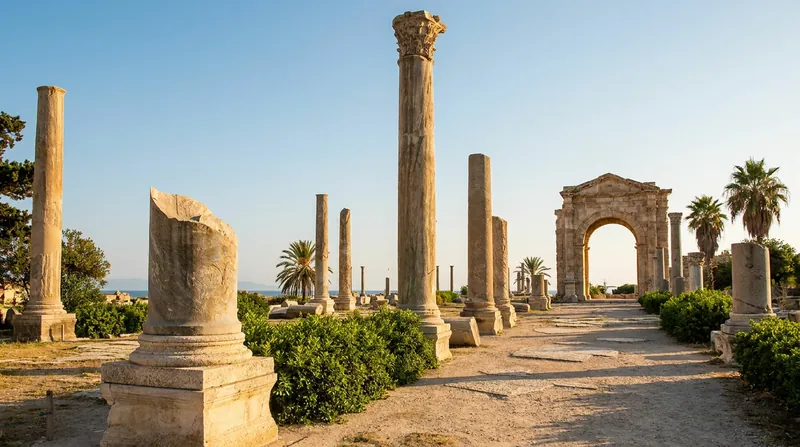
Israeli Airstrike Damages Tyre's World Heritage Site, Triggering Global Heritage Protection Protocols
4 sources
Cultural Heritage
The Global Revival of Kintsugi: How the Ancient Art of Repair Became a Modern Movement
6 sources

Midsummer
The Magic of Midsummer: How the Nordic World Celebrates the Longest Day of the Year
4 sources
Comments
Every angle. Every day.
Get Culture stories with full source coverage and perspective breakdowns, free every day.