
The 'Electrify Everything' Remodel: Upgrading Older Homes With Heat Pumps and Smart Panels
Modern cold-climate heat pumps and smart electrical panels are making it possible to retrofit century-old homes for net-zero energy without tearing down walls or triggering massive grid upgrades.
By Factlen Editorial Team
- Electrification Advocates
- Argue that full electrification is possible today using smart panels and 'watt diets' to bypass expensive grid upgrades.
- HVAC Pragmatists
- Emphasize that old homes require tailored designs, weatherization, and sometimes high-temperature or hybrid systems to ensure comfort.
- Grid Infrastructure Analysts
- Focus on the physical limitations of legacy 100-amp panels and the necessity of load-management technology to prevent local grid strain.
What's not represented
- · Local utility operators managing neighborhood grid capacity
- · Homeowners who cannot afford the upfront capital costs of smart panels
Why this matters
Retrofitting older homes is the biggest bottleneck in the transition to clean energy. Understanding how to bypass expensive electrical upgrades and radiator replacements can save homeowners thousands of dollars while modernizing their historic properties.
Key points
- Modern cold-climate heat pumps can efficiently heat homes even when outside temperatures drop to -15°F.
- High-temperature heat pumps allow older homes to keep their existing cast-iron radiators.
- Smart electrical panels can manage power loads dynamically, often eliminating the need for a costly 200-amp service upgrade.
- Weatherization and insulation remain critical prerequisites before installing any heat pump system.
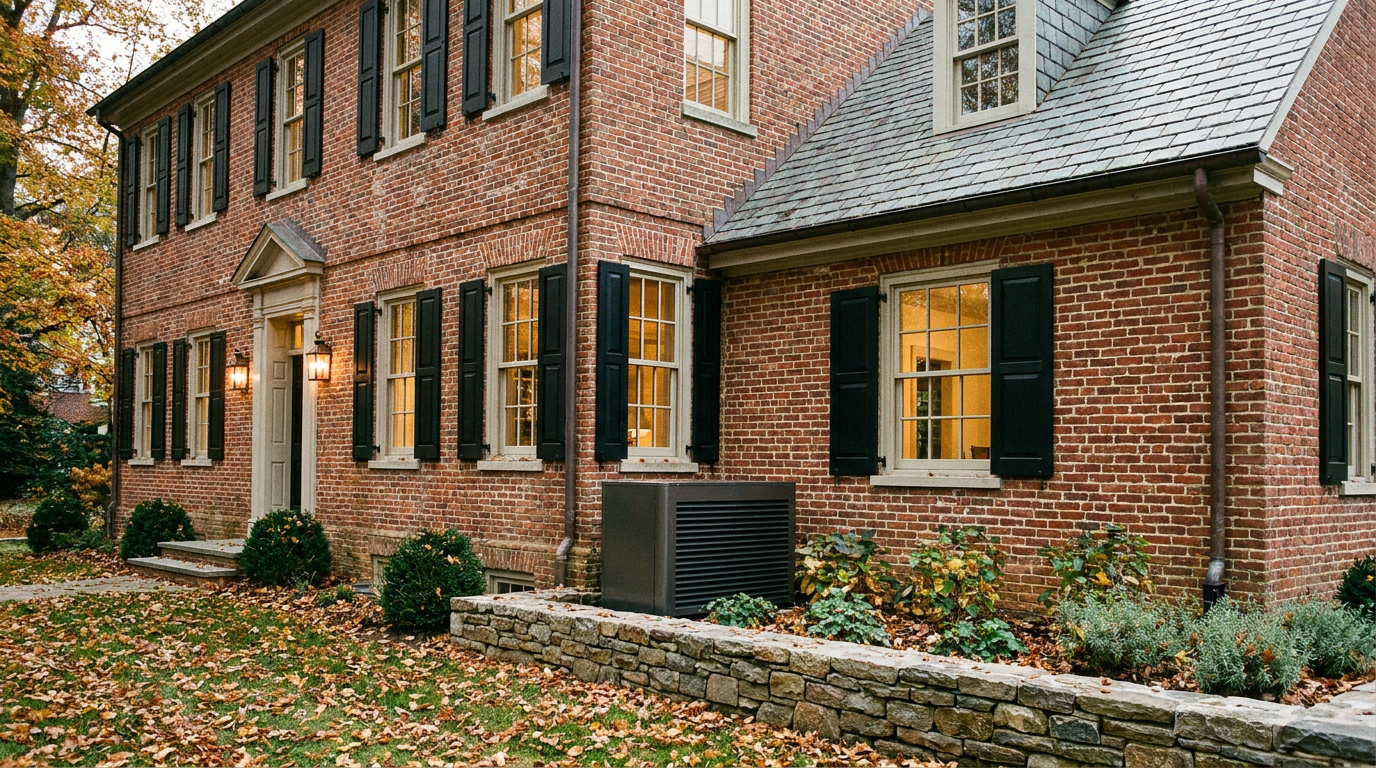
The push to electrify residential heating is accelerating globally, but owners of older properties frequently hit a frustrating wall. The prevailing assumption is that century-old homes—with their drafty plaster walls, massive cast-iron radiators, and outdated electrical wiring—are fundamentally incompatible with modern heat pump technology. For years, contractors have told homeowners that ditching their gas or oil boilers would require gutting their interiors, tearing up floors to install new ductwork, and paying utility companies a small fortune to upgrade the electrical service from the street. This narrative has left millions of historic and mid-century homes stranded on fossil fuels.[1][6]
However, the reality of home retrofitting is rapidly shifting. Advances in cold-climate compressor technology, high-temperature refrigerants, and intelligent electrical load management are rewriting the rules of what is possible. It is now entirely feasible to disconnect a 1920s Craftsman, a Victorian terrace, or a post-war bungalow from fossil fuels without destroying its architectural charm or triggering massive grid upgrades. By treating the home as an integrated energy system rather than a collection of isolated appliances, engineers and HVAC specialists are proving that the homes of the past are perfectly capable of running on the technology of the future.[1][2]
The first major hurdle for older homes has historically been the cold. Early generations of air-source heat pumps struggled significantly when outdoor temperatures dropped below freezing. Because they operate by extracting ambient heat from the outside air and moving it indoors, a lack of thermal energy in the winter air meant the compressor had to work overtime. In deep freezes, these older units would lose capacity entirely, forcing the home to rely on expensive, inefficient electric resistance backup heating. This gave heat pumps a lingering reputation as a technology suited only for mild, southern climates.[2][5]
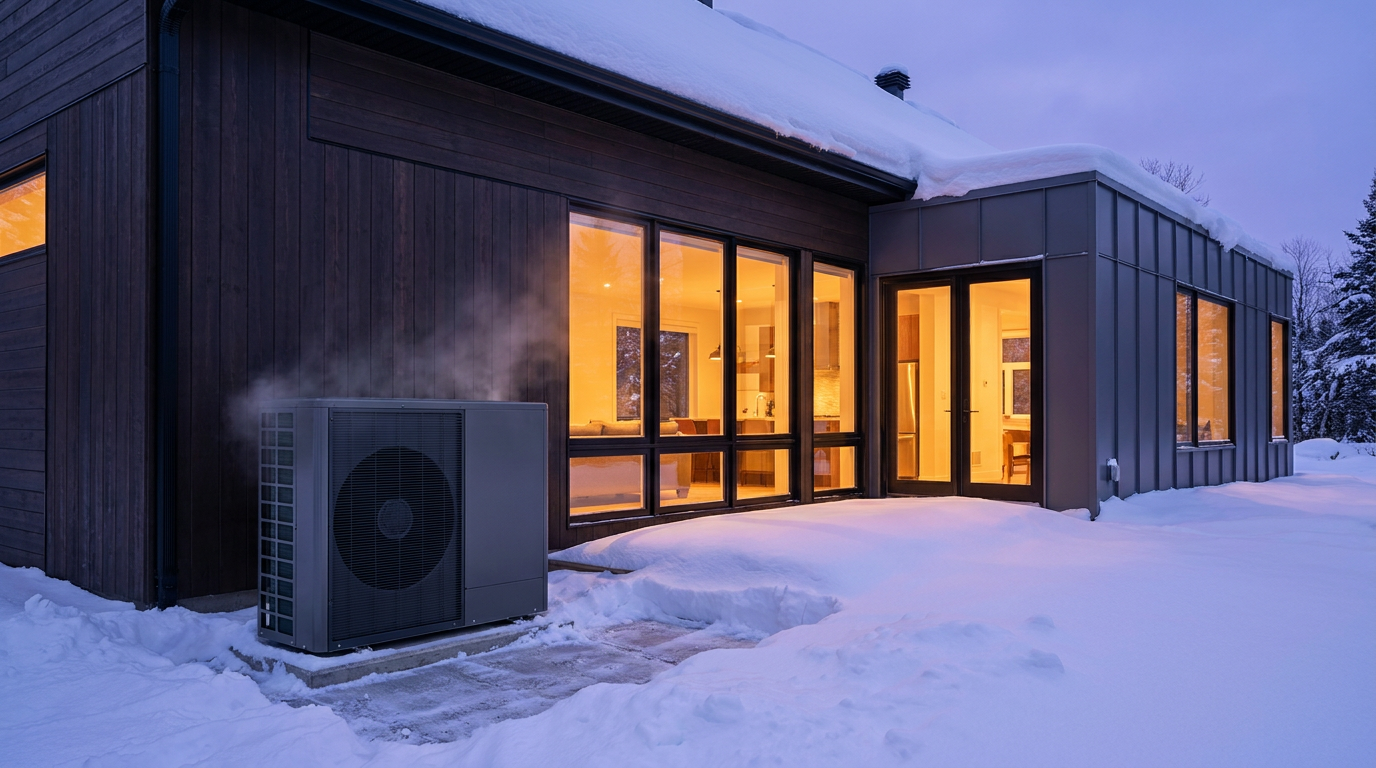
Today’s cold-climate heat pumps operate on an entirely different engineering paradigm. Manufacturers have integrated a technology called Enhanced Vapour Injection (EVI), which acts essentially like a turbocharger for the system's compressor. By injecting a precise amount of extra refrigerant vapor into the compressor at a critical stage in the cycle, EVI allows the heat pump to maintain its heating power and efficiency even when temperatures plunge to -15°F (-26°C). This breakthrough means that homes in extreme northern climates can rely on heat pumps through the darkest, coldest days of the winter without freezing.[2][5]

The efficiency gains delivered by these modern systems are staggering, especially when compared to traditional combustion heating. While a top-tier, brand-new natural gas furnace maxes out at around 95% efficiency—meaning 5% of the energy is lost as exhaust—modern heat pumps routinely hit a Coefficient of Performance (COP) of 3.0 or higher. Because they are moving heat rather than creating it through combustion, they deliver three units of thermal energy into the home for every one unit of electricity they consume. This 300% efficiency translates directly into lower monthly utility bills and a drastically reduced carbon footprint.[5]
But generating the heat is only half the battle; distributing that warmth effectively through an older, uninsulated home presents its own unique set of challenges. Most pre-1970s homes rely on traditional hydronic heating systems, featuring large cast-iron radiators designed to be filled with boiler water heated to a scalding 158°F (70°C). Standard heat pumps, optimized for modern, highly insulated new builds, typically output water at around 130°F (55°C). While this lower temperature is perfect for radiant underfloor heating, it leaves old cast-iron radiators feeling lukewarm and incapable of heating a drafty room.[7]
To bridge this critical gap, the HVAC industry has introduced high-temperature heat pumps that utilize eco-friendly R290 (propane) as a refrigerant. Because R290 has excellent thermodynamic properties, these specialized units can safely and efficiently deliver water at 158°F (70°C). This allows homeowners to simply swap out their old gas or oil boiler for an outdoor heat pump unit while keeping their historic radiators exactly where they are. By avoiding the need to tear up floorboards to install underfloor heating or run new piping, high-temperature units make retrofitting vastly more affordable and far less disruptive.[7]

To bridge this critical gap, the HVAC industry has introduced high-temperature heat pumps that utilize eco-friendly R290 (propane) as a refrigerant.
Even with the right heat pump selected, older homes face a severe, often hidden bottleneck: the electrical panel. Homes built before the 1990s were typically equipped with 100-amp electrical services. These panels were perfectly adequate for running lights, a refrigerator, and a television, but they were never designed to handle the simultaneous, heavy electrical load of a modern heat pump, an induction stove, a heat pump water heater, and a Level 2 electric vehicle charger. When homeowners attempt to electrify everything, they frequently max out their panel's physical capacity.[3][4]
The traditional solution to this bottleneck is a heavy-up, or a full panel upgrade to a 200-amp service. However, this is rarely a simple swap. Upgrading a panel can cost between $2,000 and $5,000 for the electrician's labor and materials alone. Worse, it sometimes triggers a requirement from the local utility company to replace the main service wire running from the street to the house, or even to upgrade the neighborhood transformer. These infrastructure upgrades can add thousands of dollars to the project and delay installations by months, killing the momentum of a retrofit.[3][8]
Enter the smart electrical panel, a technology that is revolutionizing how older homes manage power. Devices from companies like SPAN or Lumin replace or supplement the traditional breaker box, acting as digital conductors for a home’s electricity. Instead of a dumb switch that simply trips when overloaded, a smart panel monitors the real-time energy draw of every circuit in the house. This intelligent oversight allows a standard 100-amp service to safely and effectively support a fully electrified house without ever exceeding its maximum capacity or requiring a utility upgrade.[3][4]
The magic of the smart panel lies in dynamic load management. When the heat pump kicks on during a freezing morning to warm the house, the smart panel instantly calculates the total electrical draw. If the home approaches its 100-amp limit, the panel automatically pauses non-critical, heavy loads—such as an EV charger in the garage or an electric water heater in the basement—for a few minutes. Once the heat pump's initial surge settles and the heating cycle stabilizes, the panel seamlessly restores power to the paused circuits, all without the homeowner ever noticing a disruption.[4][8]

This strategy is often referred to by energy advocates as a 'watt diet.' It treats a home's electricity as a carefully managed resource rather than an unlimited pipe. By dynamically shifting loads and prioritizing critical systems like heating and cooking, homeowners can bypass the panel upgrade entirely. This not only saves thousands of dollars in upfront capital costs but also reduces the overall strain on the local municipal power grid, making neighborhood-wide electrification much more sustainable for utility operators to manage.[4][8]
Of course, technology cannot overcome the basic laws of thermodynamics. Energy experts universally emphasize that weatherization must remain the critical first step before any heat pump installation, regardless of how advanced the equipment is. Upgrading attic insulation, sealing drafty window frames, and addressing air leaks in the basement are non-negotiable prerequisites. A high-efficiency heat pump installed in a fundamentally leaky house will be forced to run continuously, eroding the promised energy savings, stressing the compressor, and ultimately leaving the occupants feeling chilly.[4][6]
For homes located in the most extreme northern climates, where temperatures routinely sit below -20°F for weeks at a time, some HVAC contractors recommend a hybrid or 'dual-fuel' approach as a pragmatic bridge. In this setup, the new cold-climate heat pump handles 90% of the winter heating duties, providing clean, affordable warmth for the vast majority of the season. The existing high-efficiency gas furnace is left in place, programmed to kick on only during the deepest polar vortexes when the heat pump's efficiency naturally dips, ensuring absolute comfort without compromise.[1]

Ultimately, the 'electrify everything' movement is no longer a luxury restricted to custom new builds and modern eco-homes. With the advent of smart load management, high-temperature compressors, and intelligent retrofitting strategies, the architectural heritage of the past is perfectly capable of embracing the clean energy of the future. Homeowners willing to plan carefully and deploy the right technology can successfully eliminate their fossil fuel dependence, proving that even the oldest houses can lead the way in the energy transition.[1][4]
How we got here
Pre-1970s
Most homes are built with minimal insulation, cast-iron radiators, and 100-amp electrical panels.
Early 2000s
First-generation heat pumps gain popularity but struggle to heat homes efficiently below freezing.
2021–2023
The DOE's Cold-Climate Heat Pump Challenge accelerates the development of units that operate at -15°F.
2024–2026
Smart electrical panels and load-management devices enter the mainstream, solving the 100-amp bottleneck for older homes.
Viewpoints in depth
Electrification Advocates
Argue that full electrification is possible today using smart panels and 'watt diets' to bypass expensive grid upgrades.
This camp, which includes energy efficiency non-profits and modern HVAC startups, believes the narrative that old homes require massive electrical upgrades is outdated. They point to data showing that most 100-amp panels have significant unused capacity. By utilizing smart electrical panels, load-pausing devices, and highly efficient appliances (like heat pump water heaters), they argue homeowners can fully electrify their properties without waiting for utility companies to upgrade neighborhood transformers. Their focus is on treating electricity as a managed resource rather than an unlimited supply.
HVAC Pragmatists
Emphasize that old homes require tailored designs, weatherization, and sometimes high-temperature or hybrid systems to ensure comfort.
Veteran contractors and HVAC engineers stress that while the technology has improved, physics cannot be ignored. They caution against 'plug-and-play' mentalities, noting that a heat pump installed in a drafty, uninsulated home will run constantly and fail to deliver promised savings. This group strongly advocates for mandatory weatherization audits before installation. For homes with existing cast-iron radiators, they champion the use of high-temperature R290 heat pumps, and in extreme northern climates, they often recommend keeping a gas furnace as a backup for the coldest days of the year.
Grid Infrastructure Analysts
Focus on the physical limitations of legacy 100-amp panels and the necessity of load-management technology to prevent local grid strain.
Analysts looking at the macro-level transition worry about the aggregate effect of millions of older homes electrifying simultaneously. They note that while a single home might manage its load with a smart panel, entire neighborhoods of older homes drawing peak power during a winter cold snap could overwhelm aging local transformers. This perspective values smart panels not just as a cost-saving measure for the homeowner, but as a critical grid-stabilization tool that utility companies will increasingly need to rely on to prevent localized brownouts.
What we don't know
- How quickly local utility grids will adapt if entire neighborhoods of older homes switch to heat pumps simultaneously.
- Whether the upfront costs of smart electrical panels will decrease enough to make them accessible to low-income homeowners.
- The long-term lifespan of high-temperature R290 compressors operating under maximum load in poorly insulated homes.
Key terms
- Coefficient of Performance (COP)
- A measure of a heat pump's efficiency, representing how many units of heat are produced for every unit of electricity consumed.
- Enhanced Vapour Injection (EVI)
- A compressor technology that acts like a turbocharger, allowing heat pumps to operate efficiently in extreme sub-zero temperatures.
- Smart Electrical Panel
- A digital circuit breaker box that monitors real-time energy use and can automatically pause non-critical appliances to prevent overloading the system.
- Watt Diet
- The strategy of managing a home's electrical load through efficient appliances and smart controllers to avoid exceeding the capacity of an existing electrical panel.
- High-Temperature Heat Pump
- A specialized unit that can heat water to traditional boiler temperatures (around 158°F), making it compatible with older radiator systems.
Frequently asked
Can I put a heat pump in a 100-year-old house?
Yes. With proper insulation upgrades and the right equipment, such as high-temperature heat pumps, older homes can be fully heated without fossil fuels.
Do I have to replace my old cast-iron radiators?
Not necessarily. High-temperature heat pumps using R290 refrigerant can heat water to 158°F (70°C), which is hot enough to work with traditional radiators.
Will I need to upgrade my electrical panel?
Many older homes have 100-amp panels. While a traditional upgrade is one option, installing a smart electrical panel or load-management device can often bypass the need for a costly service upgrade.
Do heat pumps work in freezing weather?
Modern cold-climate heat pumps use Enhanced Vapour Injection (EVI) to extract heat from the air even when temperatures drop to -15°F (-26°C).
Sources
Source coverage
8 outlets
3 viewpoints surfaced








[1]Factlen Editorial TeamElectrification Advocates
Synthesis by Factlen editorial team
Read on Factlen Editorial Team →[2]EnergySageElectrification Advocates
Do heat pumps work in cold weather?
Read on EnergySage →[3]CNETGrid Infrastructure Analysts
Getting a Heat Pump? You Might Need an Electrical Panel Upgrade
Read on CNET →[4]The Switch Is OnElectrification Advocates
How to Electrify Your Home Without a Panel Upgrade
Read on The Switch Is On →[5]Bridlewood MechanicalHVAC Pragmatists
Your Guide to an Efficient Winter Heating Solution
Read on Bridlewood Mechanical →[6]BoxergyHVAC Pragmatists
Heat Pump Suitability for Older Homes
Read on Boxergy →[7]Renewables ExcellenceHVAC Pragmatists
Heat Pumps in Old Homes: The Essential Guide
Read on Renewables Excellence →[8]AC DirectGrid Infrastructure Analysts
Do You Really Need a Panel Upgrade for a Heat Pump?
Read on AC Direct →
Every angle. Every day.
Get home stories with full source coverage and perspective breakdowns delivered to your inbox.