
Streaming Services Embrace the 'Mega-Bundle' Era, Offering Consumers Major Discounts
Major platforms including Disney, Warner Bros. Discovery, and Apple are teaming up to offer consolidated streaming bundles, saving viewers up to 40% on monthly subscription costs.
By Factlen Editorial Team
- Consumer Advocates
- Celebrate the bundles as a necessary financial relief that solves app fatigue and lowers monthly bills.
- Media Executives
- View bundling as a strategic necessity to reduce subscriber churn and stabilize long-term revenue.
- Industry Analysts
- Note the irony that the streaming industry is effectively recreating the traditional cable TV model to survive.
What's not represented
- · Independent content creators who may earn less revenue in a bundled ecosystem
Why this matters
After years of relentless price hikes and app fragmentation, the streaming industry is finally consolidating in a way that benefits the consumer. These new cross-platform bundles allow households to cut their monthly entertainment bills by nearly half while accessing more content in fewer apps.
Key points
- Disney, Warner Bros. Discovery, and Apple are rolling out major streaming bundles in summer 2026.
- The Disney+, Hulu, and Max bundle offers a 40% discount compared to standalone subscriptions.
- Amazon Prime Video is hosting a joint Apple TV+ and Peacock bundle for $19.99 a month.
- Disney plans to phase out the standalone Hulu app by late 2026 to create a unified viewing experience.
- The bundling trend is global, with similar partnerships launching in Europe and Southeast Asia.
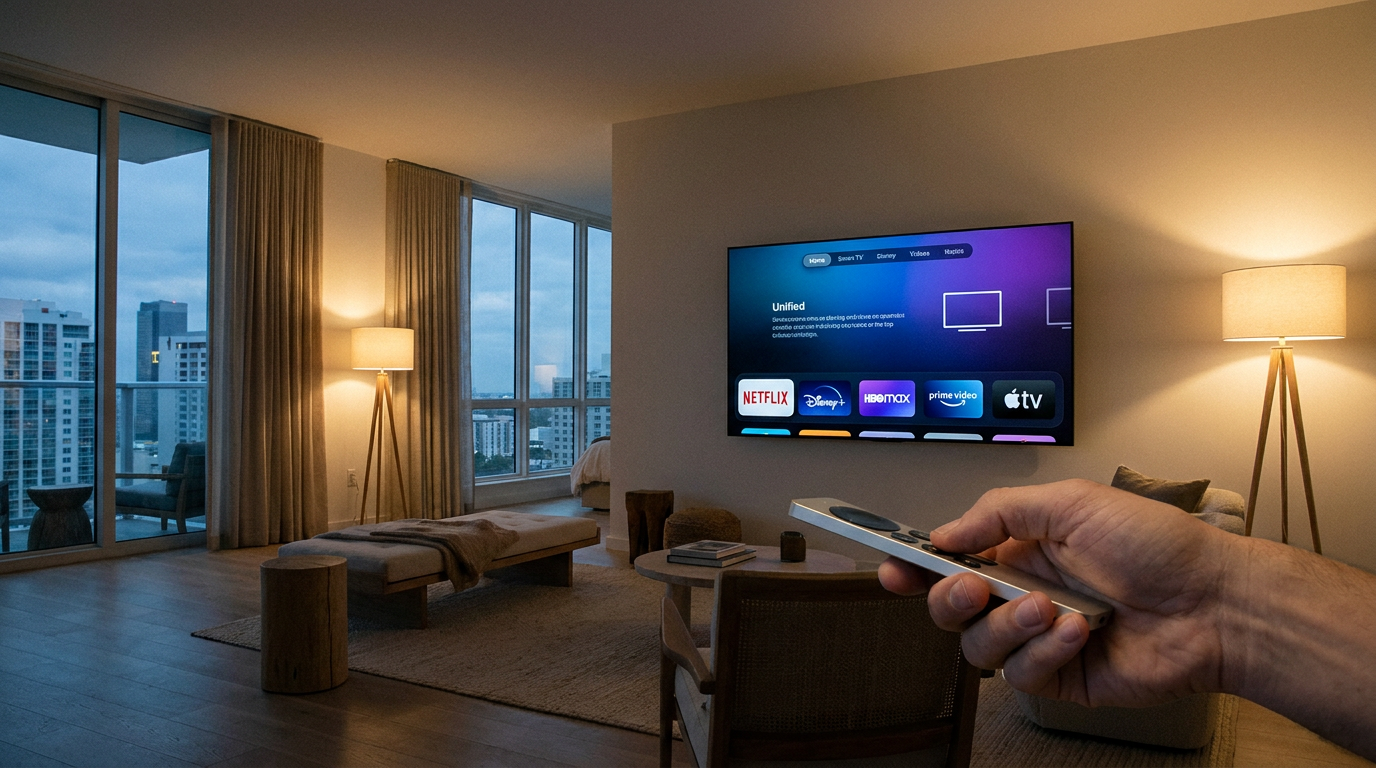
June 2026 marks the official arrival of the "Mega-Bundle Era" in streaming, bringing long-awaited financial relief to viewers exhausted by subscription fatigue and endless price hikes. After years of navigating fragmented apps and rising monthly fees, consumers are finally seeing the industry consolidate in ways that directly benefit their wallets.[3][4]
The flagship offering of the summer is the unprecedented partnership between Disney and Warner Bros. Discovery. The highly anticipated Disney+, Hulu, and Max bundle is now fully rolled out, combining three massive content libraries into a single monthly bill.[1][4]
Pricing for this "Prestige Trio" sits at $19.99 per month for the ad-supported tier, or $32.99 per month for the ad-free experience. This structure saves households roughly $15 to $23 a month compared to purchasing the services individually, representing a discount of over 40%.[3][4]

The consolidation isn't limited to Disney and Warner Bros. Amazon has expanded its Prime Video Channels to include a joint Apple TV+ and Peacock Premium Plus bundle, targeting viewers who want premium dramas and live sports without managing multiple accounts.[2][7]
Available for $19.99 per month, the Prime Video package offers ad-free Peacock—save for select live sporting events—alongside Apple's original programming. This saves subscribers $10 monthly while allowing them to watch everything directly within the Amazon app interface, eliminating the need to juggle multiple logins.[2][7]
Available for $19.99 per month, the Prime Video package offers ad-free Peacock—save for select live sporting events—alongside Apple's original programming.
The shift toward aggregation is fundamentally changing how users interact with their televisions. To streamline the viewing experience, Disney is currently in the final stages of merging Hulu's content directly into the Disney+ platform.[1][4]
By the end of 2026, the standalone Hulu app is expected to be entirely phased out in favor of a "One App Experience." This move is designed to reduce the digital clutter and endless menu scrolling that has frustrated consumers for the past half-decade.[1]

This bundling strategy is also taking hold internationally as regional markets seek to compete with global tech giants. In Europe, RTL+ and HBO Max have launched a joint subscription in Germany for €9.99 a month, bringing local hits and premium American dramas under one roof.[6]
Meanwhile, in Southeast Asia, regional streaming leaders Viu and iQiyi International have partnered to launch a cross-regional bundled subscription. The move combines massive libraries of Korean, Chinese, and Southeast Asian dramas to dominate the local market and offer unprecedented value to international viewers.[5]
For media executives, the math behind the mega-bundle is simple: retention. While platforms take a slight hit on the monthly revenue per user, bundled subscribers are significantly less likely to cancel their service during slow content months.[1][7]

Industry watchers point out the undeniable irony of the situation. By grouping disparate networks together at a discounted rate to prevent churn, Silicon Valley and Hollywood have effectively recreated the traditional cable television model they originally set out to disrupt.[2][3]
However, unlike the rigid cable packages of the past, the 2026 streaming bundles operate entirely on the consumer's terms. With no hardware rentals, no annual contracts, and the ability to cancel with a single click, viewers are finally getting the centralized entertainment ecosystem they were promised at the dawn of the streaming age.[3][4]
How we got here
Late 2023
Streaming services begin aggressive, industry-wide price hikes to achieve profitability.
Spring 2024
Disney and Warner Bros. Discovery first announce plans for an unprecedented cross-company streaming bundle.
October 2025
Apple and Peacock experiment with their first joint subscription offering.
June 2026
The 'Mega-Bundle' era fully matures with major cross-platform discounts becoming the industry standard.
Late 2026
Disney plans to officially sunset the standalone Hulu app, completing its 'One App Experience'.
Viewpoints in depth
Consumer Advocates
Bundles are a necessary financial relief that solves app fatigue and lowers monthly bills.
Consumer advocacy groups and cord-cutting analysts have widely praised the 2026 bundle offerings. After years of relentless price hikes across every major platform, the average household's streaming bill had begun to rival the cost of legacy cable. By offering 30% to 40% discounts, these mega-bundles provide immediate financial relief. Furthermore, advocates highlight the usability benefits: accessing multiple libraries through a single interface like Prime Video or the unified Disney+ app drastically reduces the 'app fatigue' and endless scrolling that has plagued modern television viewing.
Media Executives
Bundling is a strategic necessity to reduce subscriber churn and stabilize long-term revenue.
For the C-suites in Hollywood and tech, the mega-bundle is a defensive maneuver designed to solve the industry's biggest problem: churn. In an a la carte world, viewers routinely subscribe to a service for one specific show, binge it, and cancel immediately. By locking users into discounted, multi-service ecosystems, executives are trading a lower average revenue per user (ARPU) for long-term stability. The data shows that bundled subscribers are significantly less likely to cancel, providing companies with the predictable cash flow needed to fund expensive original programming and secure lucrative live sports rights.
Industry Analysts
The streaming industry is effectively recreating the traditional cable TV model to survive.
Tech and media analysts view the 2026 landscape with a sense of historical irony. The streaming revolution was built on the promise of unbundling the bloated cable package, allowing consumers to pay only for what they wanted. Yet, a decade later, the economic realities of content production have forced the industry to rebuild the exact model it destroyed. Analysts note that while the delivery mechanism has changed from coaxial cables to broadband internet, the business model—aggregating disparate networks into a single, discounted monthly bill—is identical to the cable TV playbook of the 1990s.
What we don't know
- Whether smaller, niche streaming services will be able to survive outside of these massive corporate bundles.
- If the discounted bundle pricing will remain stable, or if it will slowly creep up to match legacy cable costs over the next few years.
Key terms
- Churn
- The rate at which customers cancel their streaming subscriptions, a major metric that bundles are designed to reduce.
- ARPU
- Average Revenue Per User; a financial metric that may drop slightly in a bundle, but is offset by longer subscriber retention.
- Linear Content
- Traditional, scheduled television programming that airs at a specific time, as opposed to on-demand streaming.
Frequently asked
How much does the Disney+, Hulu, and Max bundle cost?
The bundle costs $19.99 per month for the ad-supported tier, or $32.99 per month for the ad-free version.
Do I need Amazon Prime to get the Apple TV+ and Peacock bundle?
Yes. The $19.99 per month bundle is offered exclusively as an add-on through Amazon Prime Video Channels, requiring an active Prime membership.
Is the standalone Hulu app shutting down?
Yes. Disney is in the process of migrating all Hulu content directly into the Disney+ app, with plans to phase out the standalone Hulu application by the end of 2026.
Do these bundles include live sports?
Yes, depending on the service. Peacock includes live sports like Premier League soccer, while the Disney bundle can be upgraded to include ESPN Unlimited for an additional fee.
Sources
Source coverage
7 outlets
3 viewpoints surfaced







[1]PCMagMedia Executives
Disney and Warner Bros. Discovery are planning a streaming subscription bundle
Read on PCMag →[2]MacRumorsIndustry Analysts
Apple TV and Peacock $20 Monthly Bundle Available on Amazon Prime Video
Read on MacRumors →[3]IGNConsumer Advocates
These Streaming Bundles Are Worth the Monthly Cost
Read on IGN →[4]Cord Cutter WeeklyConsumer Advocates
Streaming service bundles and deals
Read on Cord Cutter Weekly →[5]Screen DailyMedia Executives
Viu, iQiyi International join forces to launch streaming bundle in Southeast Asia
Read on Screen Daily →[6]BertelsmannMedia Executives
RTL+ And HBO Max Launch Joint Streaming Bundle
Read on Bertelsmann →[7]About AmazonMedia Executives
Apple TV and Peacock Premium Plus streaming bundle
Read on About Amazon →
Every angle. Every day.
Get entertainment stories with full source coverage and perspective breakdowns delivered to your inbox.