
The Whole-Home Electrification Retrofit: How Smart Panels and Heat Pumps are Transforming Older Houses
Homeowners are increasingly turning to 'deep energy retrofits' and smart electrical panels to decarbonize their homes, slash utility bills, and improve indoor air quality.
By Factlen Editorial Team
- Electrification Advocates
- Prioritizing the rapid transition away from fossil fuels to decarbonize the residential sector and improve health.
- Building Science Experts
- Emphasizing the 'envelope first' philosophy of deep insulation and air sealing before equipment upgrades.
- Pragmatic Homeowners & Trades
- Balancing the ideal of a zero-emission home with the practical realities of upfront costs and contractor availability.
What's not represented
- · Utility Grid Operators
- · Low-Income Housing Advocates
Why this matters
As energy costs fluctuate and extreme weather tests the grid, upgrading to an electrified, deeply insulated home is one of the most effective ways to permanently lower utility bills, improve indoor air quality, and future-proof your property's value.
Key points
- Deep energy retrofits aim to reduce a home's total energy consumption by 50% or more through holistic remodeling.
- Building scientists stress an 'envelope first' approach, prioritizing insulation and air sealing before installing new equipment.
- Whole-home electrification replaces fossil-fuel appliances with highly efficient electric alternatives like heat pumps and induction stoves.
- Smart electrical panels allow older homes to handle increased electric loads without requiring expensive utility service upgrades.
- Due to the high upfront costs of a full retrofit, experts recommend a phased approach utilizing federal and state incentives.
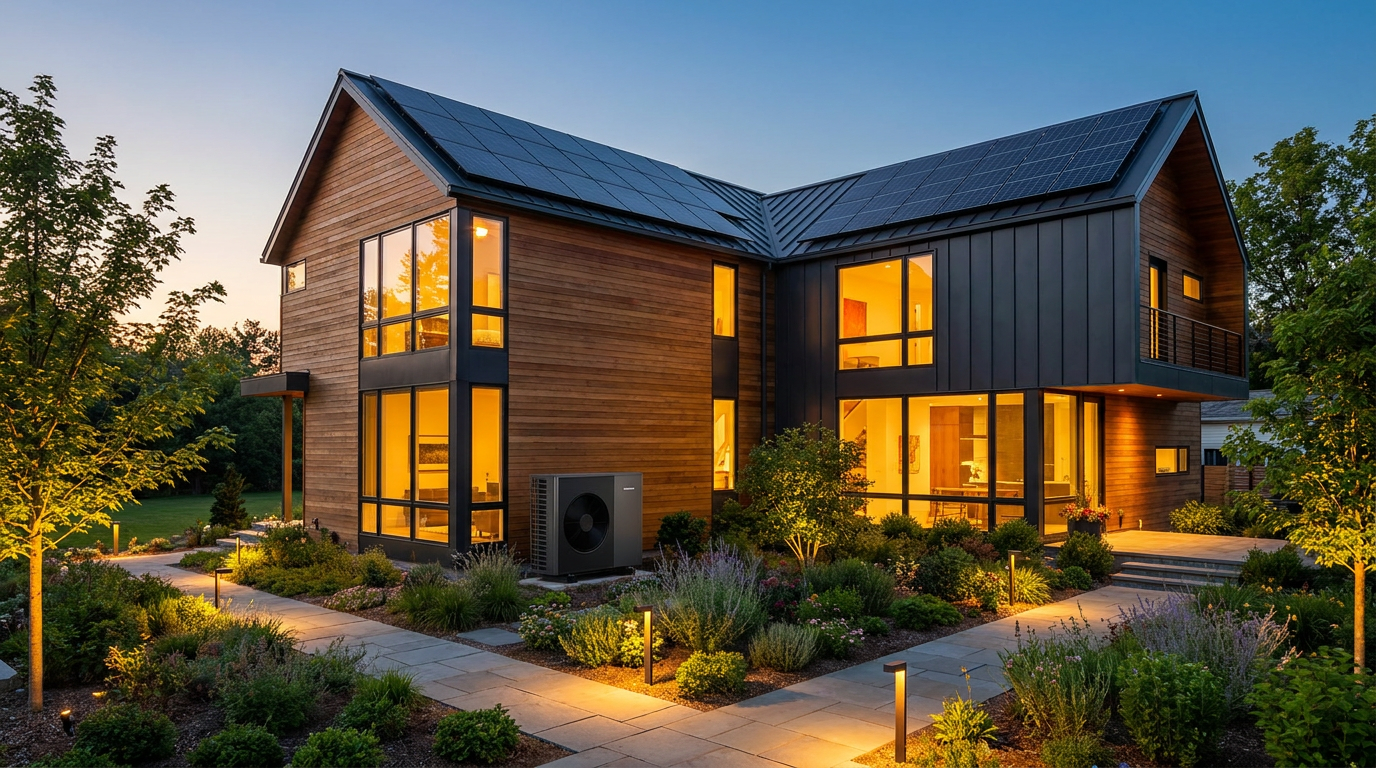
The American housing stock is aging, and for decades, the standard approach to a drafty house or high utility bills was simply to turn up the thermostat. But as energy costs fluctuate and extreme weather tests the resilience of the grid, a quiet revolution is taking place in residential remodeling. Homeowners are increasingly moving beyond cosmetic updates to embrace the "Deep Energy Retrofit" (DER) and whole-home electrification—a comprehensive strategy designed to drastically reduce a home's energy footprint while maximizing comfort.[1][3]
A deep energy retrofit is not a weekend DIY project involving weatherstripping and LED lightbulbs. It is a holistic, science-based remodeling process that aims to cut a home's total energy consumption by 50% or more. Rather than treating a house as a collection of separate rooms and appliances, building scientists view it as an interconnected system where insulation, airflow, and mechanical equipment must work in harmony.[2][3]
The foundational philosophy of any successful retrofit is "envelope first." Before a homeowner even considers purchasing new heating or cooling equipment, experts emphasize the need to seal the building. This begins with a comprehensive energy audit, typically featuring a blower door test and thermal imaging to pinpoint exactly where conditioned air is escaping. Contractors then deploy heavy insulation in attics, walls, and crawlspaces, alongside meticulous air sealing to eliminate drafts.[2][5]

By prioritizing the envelope, homeowners drastically reduce the amount of energy required to heat and cool the space. A tightly sealed home not only lowers utility bills but also allows for the installation of smaller, less expensive mechanical systems. Once the home's shell is optimized, the focus shifts to the equipment inside, driving the second major trend in modern remodeling: the push to "electrify everything."[2][5]
Whole-home electrification involves systematically replacing appliances that burn fossil fuels—such as natural gas, propane, or heating oil—with highly efficient electric alternatives. The undisputed heavy lifter of this transition is the air-source heat pump. Unlike traditional gas furnaces that burn fuel to generate heat, a heat pump operates like a reversible refrigerator. In the winter, it extracts ambient heat from the outside air and moves it indoors; in the summer, it reverses the process to provide air conditioning.[1]
Because they move heat rather than create it, modern heat pumps are remarkably efficient, often delivering three to four times more energy than they consume. This same thermodynamic principle is now being applied to domestic hot water. Heat pump water heaters pull warmth from the surrounding basement or garage air to heat the tank, operating at up to five times the efficiency of standard electric resistance or gas models and saving homeowners hundreds of dollars annually.[1]

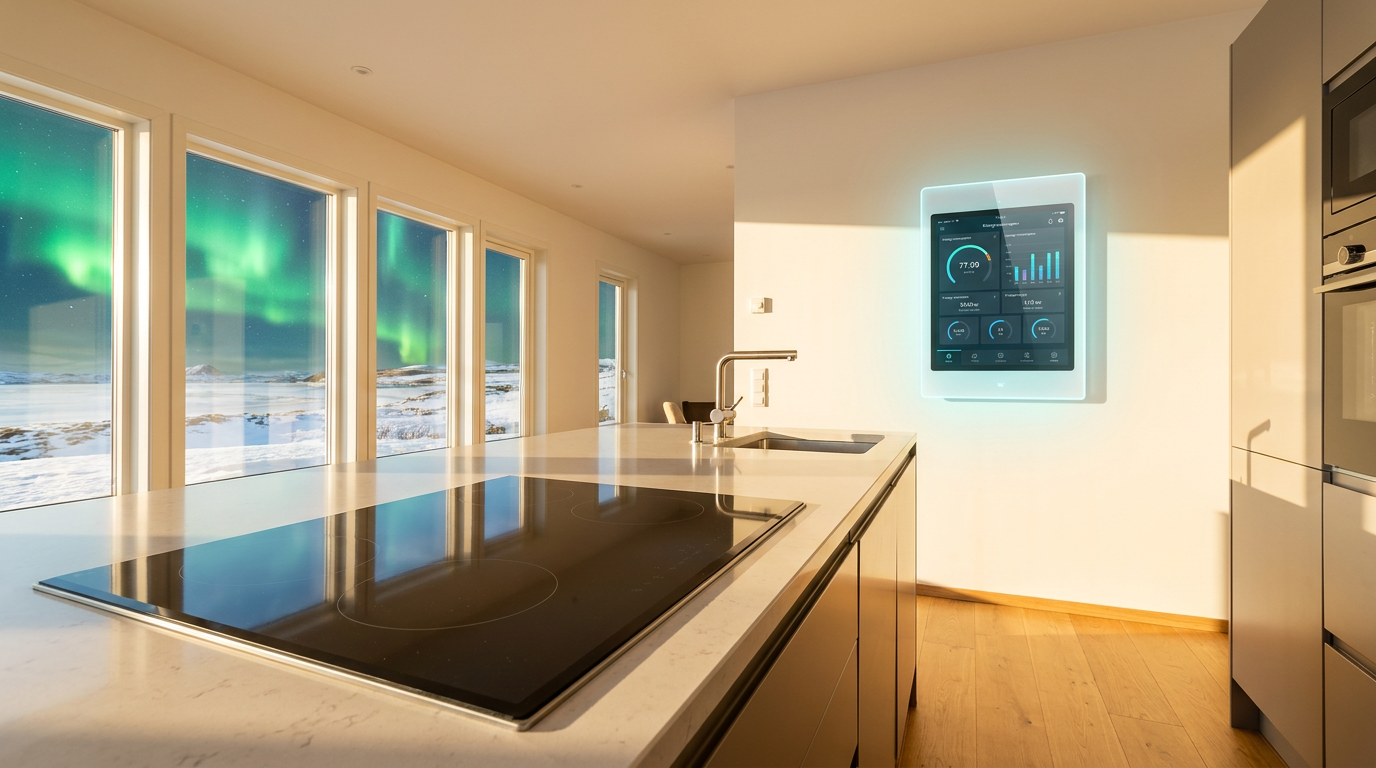
The electrification trend extends into the kitchen, where induction cooktops are rapidly replacing traditional gas ranges. Induction technology uses electromagnetic energy to heat pots and pans directly, boiling water significantly faster than gas while offering precise temperature control. Beyond performance, the shift away from gas cooking is increasingly driven by health concerns; eliminating open flames removes combustion byproducts like nitrogen dioxide and particulate matter, which have been linked to indoor air quality issues and childhood asthma.[1]
The electrification trend extends into the kitchen, where induction cooktops are rapidly replacing traditional gas ranges.
However, transitioning a home to run entirely on electricity introduces a significant logistical hurdle: the electrical panel. Many homes built in the 20th century were equipped with 100-amp electrical service, which was perfectly adequate for basic lighting, televisions, and a few appliances. But when a homeowner attempts to run an electric heat pump, an induction stove, a heat pump dryer, and an electric vehicle (EV) charger simultaneously, that 100-amp panel can easily become overwhelmed.[1][4]
Traditionally, the solution to this bottleneck was a "service upgrade," requiring an electrician to install a 200-amp or 400-amp panel. This process can be prohibitively expensive, often costing thousands of dollars and sometimes requiring the utility company to dig up yards or driveways to install thicker wires from the street to the house. For many homeowners, this hidden cost was a dealbreaker that stalled their electrification plans.[4]
Enter the "smart electrical panel." These modernized breaker boxes serve as the brain of the electrified home, offering a high-tech workaround to the costly service upgrade. Smart panels feature dynamic load management software that monitors the home's total power demand in real time. If the system detects that the home is approaching its 100-amp limit, it can automatically and temporarily pause a non-critical load—like the EV charger in the garage—while the induction stove and dryer are running, resuming the charge once the peak demand passes.[4]

By intelligently juggling the power draw, smart panels allow homeowners to fully electrify their houses without exceeding their existing utility connection. Furthermore, these panels provide granular, circuit-level data to a smartphone app, allowing residents to see exactly which appliances are consuming the most power and to remotely control specific circuits during a grid outage if the home is equipped with battery storage.[4]
Despite the clear benefits, the economics of a deep energy retrofit remain a challenge. A comprehensive, all-at-once DER that includes envelope sealing, window replacement, HVAC upgrades, and electrical work can easily cost between $50,000 and $100,000. Because of this steep upfront cost, most industry experts and financial advisors recommend a phased approach.[2][5]
In a phased retrofit, homeowners tackle the most cost-effective weatherization projects first, and then create a roadmap to replace fossil-fuel appliances with electric versions only as the old equipment reaches the end of its natural lifespan. This strategy prevents the premature disposal of working appliances while ensuring the home is ready to make the switch when a furnace or water heater eventually fails.[1][5]

To help offset the costs, homeowners in 2026 are increasingly leveraging a combination of federal incentives, such as those established by the 2022 Inflation Reduction Act, alongside state and local utility rebates. These financial mechanisms provide upfront discounts and tax credits specifically targeted at heat pumps, weatherization materials, and electrical panel upgrades, significantly lowering the barrier to entry for middle-income households.[1]
Beyond the financial calculus, the ultimate driver for many families undertaking these retrofits is the profound improvement in their daily living environment. A deeply retrofitted, electrified home is fundamentally different to live in: drafts are eliminated, room temperatures remain consistent floor-to-ceiling, and the air is free of combustion pollutants. As building codes evolve and energy efficiency becomes a premium selling point in real estate, the transition to the smart, electrified home is proving to be an investment in both immediate comfort and long-term resilience.[3][6]
How we got here
1970s
The energy crisis sparks initial interest in super-insulated homes and early passive house standards.
2010s
Air-source heat pump technology advances significantly, making electric heating viable in sub-zero climates.
2022
The Inflation Reduction Act passes, allocating billions in rebates and tax credits for residential electrification.
2026
Smart electrical panels become mainstream, allowing older homes to electrify without costly utility service upgrades.
Viewpoints in depth
Electrification Advocates
Prioritizing the rapid transition away from fossil fuels to decarbonize the residential sector.
Organizations like Rewiring America argue that the most urgent task is replacing the millions of fossil-fuel-burning machines in basements and kitchens. They emphasize that electrifying homes not only slashes carbon emissions when paired with renewable energy but also immediately improves indoor air quality by eliminating combustion gases like nitrogen dioxide. For this camp, the focus is on accessible financing, rebates, and consumer education to accelerate appliance turnover.
Building Science Experts
Emphasizing the 'envelope first' philosophy of insulation and air sealing before equipment upgrades.
Researchers at the Department of Energy and national laboratories caution against simply dropping high-efficiency heat pumps into drafty, uninsulated houses. They advocate for a holistic Deep Energy Retrofit (DER) that starts with rigorous air sealing, upgraded windows, and heavy insulation. By drastically reducing the home's heating and cooling load first, homeowners can install smaller, cheaper mechanical systems and ensure the home remains comfortable and resilient even during power outages.
Pragmatic Homeowners & Trades
Balancing the ideal of a zero-emission home with the practical realities of cost and contractor availability.
For general contractors and budget-conscious homeowners, the barrier to a full DER is often sticker shock, with comprehensive projects easily exceeding $50,000. Additionally, the trades face a steep learning curve; finding electricians experienced with smart panels or HVAC technicians trained in precise heat pump sizing can be difficult. This camp favors a phased, pragmatic approach—tackling the most cost-effective upgrades like attic insulation first, and utilizing smart load-management devices to avoid the expense of tearing up yards for utility service upgrades.
What we don't know
- How quickly the residential contracting workforce can scale up to meet the demand for specialized heat pump and smart panel installations.
- The long-term impact of millions of fully electrified homes on local utility grid infrastructure during peak winter heating demand.
Key terms
- Deep Energy Retrofit (DER)
- A whole-home remodeling approach that combines extensive insulation, air sealing, and high-efficiency equipment to cut energy use by at least 50%.
- Air-Source Heat Pump
- An electric system that heats and cools a home by transferring heat between the indoor and outdoor air, rather than burning fuel to create heat.
- Smart Electrical Panel
- An upgraded breaker box that monitors and dynamically manages a home's electrical loads to prevent overloading the main service.
- Induction Cooktop
- A stove that uses electromagnetic energy to directly heat pots and pans, offering faster cooking without indoor emissions.
- Blower Door Test
- A diagnostic tool used during an energy audit to measure a home's airtightness by depressurizing the house and locating drafts.
Frequently asked
Do I have to do a deep energy retrofit all at once?
No. Most experts recommend a phased approach, starting with weatherization and replacing fossil-fuel appliances with electric versions as they reach the end of their lifespan.
Will an electric heat pump work in a cold climate?
Yes. Modern cold-climate heat pumps are designed to extract heat from the outside air even in sub-zero temperatures, though a tightly insulated home envelope is crucial for optimal performance.
Why do I need to upgrade my electrical panel to go all-electric?
Replacing gas furnaces, water heaters, and stoves with electric versions, plus adding an EV charger, often exceeds the capacity of older 100-amp panels. Smart panels or service upgrades are required to handle the increased load safely.
Sources
Source coverage
6 outlets
3 viewpoints surfaced




[1]Rewiring AmericaElectrification Advocates
Electrify Everything in Your Home
Read on Rewiring America →[2]U.S. Department of EnergyBuilding Science Experts
Deep Energy Retrofit Solution for Residences in Cold/Very Cold Climates
Read on U.S. Department of Energy →[3]Lawrence Berkeley National LaboratoryBuilding Science Experts
Deep Energy Retrofits for Homes
Read on Lawrence Berkeley National Laboratory →[4]Energy News NetworkPragmatic Homeowners & Trades
In Minnesota, 'smart panels' seen as a possible alternative to expensive electrical upgrades
Read on Energy News Network →[5]AngiPragmatic Homeowners & Trades
What Is a Deep Energy Retrofit and How Can It Save You Money?
Read on Angi →[6]Factlen Editorial TeamPragmatic Homeowners & Trades
Synthesis by Factlen editorial team
Read on Factlen Editorial Team →
Every angle. Every day.
Get home stories with full source coverage and perspective breakdowns delivered to your inbox.