
NWSL's 2026 Season Marks a Historic Boom in Attendance, Expansion Fees, and Global Talent
Fueled by record-breaking crowds, a landmark collective bargaining agreement, and a $165 million expansion fee for Atlanta, the National Women's Soccer League has cemented its status as a global sports powerhouse in 2026.
By Factlen Editorial Team
- League Executives & Owners
- Focus on skyrocketing valuations, broadcast growth, and strategic expansion.
- Players & Union Advocates
- Emphasize the importance of the new CBA, free agency, and the ability to attract top global talent.
- Fans & Supporters
- Celebrate the record-breaking attendances, new local franchises, and the vibrant community culture.
What's not represented
- · Traditional men's sports executives adjusting to the new competition
- · European club managers losing talent to the NWSL
Why this matters
The explosive financial and cultural growth of the NWSL proves that women's sports are a highly lucrative, mainstream media property. For fans and athletes, the league's success translates to better working conditions, elite international play, and the establishment of a sustainable, player-empowered model for the future.
Key points
- The NWSL expanded to 16 teams in 2026 with the highly successful debuts of Boston Legacy FC and Denver Summit FC.
- Boston set an inaugural match attendance record with over 30,000 fans, while Denver sold more than 50,000 tickets for its home opener.
- Atlanta was awarded the league's 17th franchise for a record-breaking $165 million expansion fee, set to debut in 2028.
- A new collective bargaining agreement revolutionized roster building by eliminating the draft and introducing true free agency.
- The league's growing prestige was highlighted by Chicago Stars FC signing European champion Leila Ouahabi away from Manchester City.
The National Women's Soccer League is in the midst of a transformative 2026 season, rapidly transitioning from a growing domestic competition into a thriving global sports powerhouse. Across the United States, stadiums are packing in record numbers, franchise valuations are skyrocketing to unprecedented heights, and top-tier international talent is flocking to American shores. The league's 14th season has definitively proven that the business of women's sports is no longer a niche or emerging market—it is a booming, highly lucrative enterprise that commands mainstream attention and massive corporate investment.[7]
The sheer scale of the NWSL's financial explosion is best illustrated by the meteoric rise of its expansion fees. Just a few years ago, ownership groups in San Diego and Los Angeles paid roughly $2 million to enter the league. By 2024, that entry price had jumped to $53 million for Bay FC and the Boston Legacy. Now, the league has officially awarded its 17th franchise to Atlanta—backed by Arthur Blank's AMB Sports + Entertainment—for a staggering, record-breaking $165 million fee, signaling a seismic shift in how the financial world values women's soccer.[3][5]
The Atlanta franchise, which is set to debut in 2028 and play its home matches at the state-of-the-art Mercedes-Benz Stadium, represents a massive vote of confidence from traditional sports billionaires. NWSL Commissioner Jessica Berman has indicated that the league will also award an 18th franchise to begin play alongside Atlanta. This calculated growth strategy perfectly times the league's expansion with the upcoming negotiation of the NWSL's next media rights deal, ensuring maximum leverage at the bargaining table. By moving to a rolling expansion process rather than adhering to rigid deadlines, the league can carefully vet prospective ownership groups and select markets that offer the best infrastructure and community support.[5]

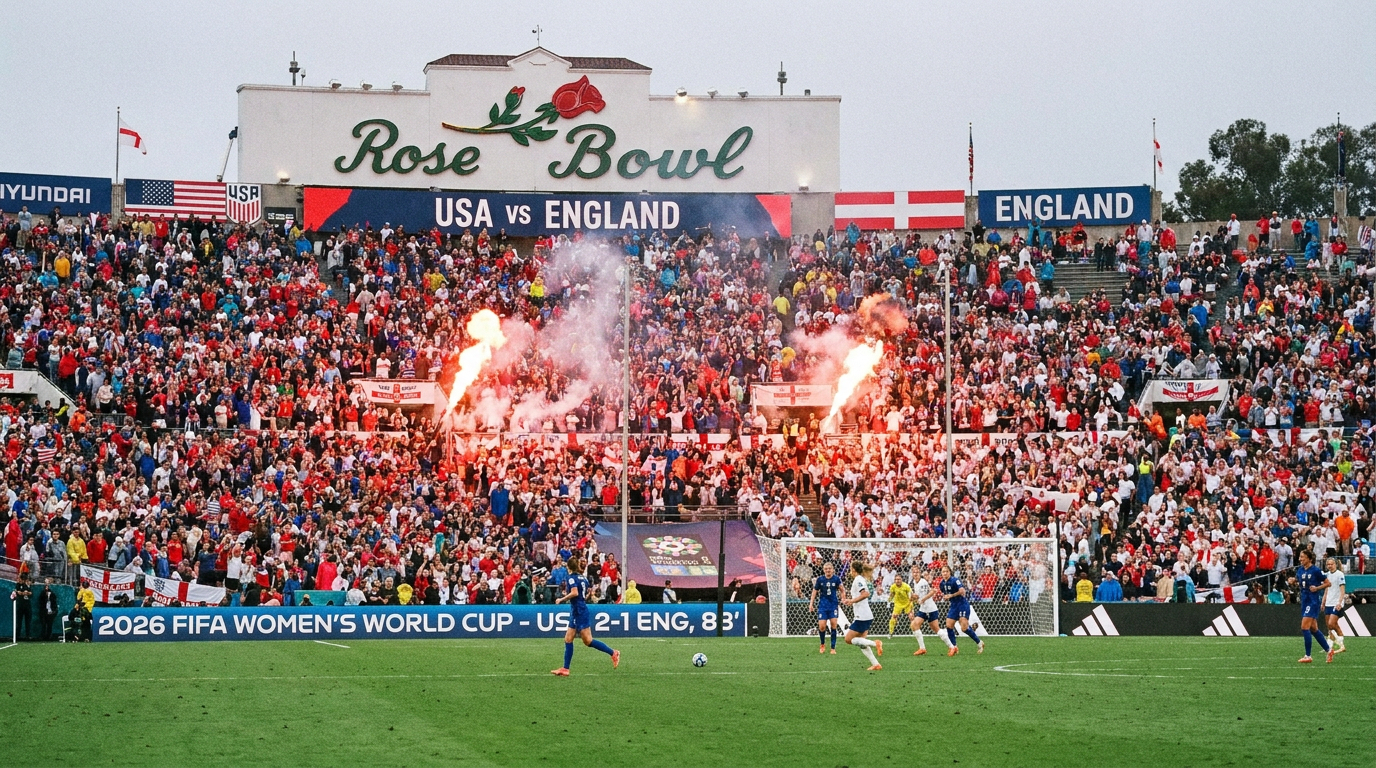
On the ground, the fan response to this new era has been equally unprecedented. The 2026 season opened with a record-setting weekend, drawing nearly 130,000 fans across eight matches nationwide. Seven of those matches saw crowds exceeding the 10,000-fan mark, completely shattering previous league benchmarks and proving that the demand for live women's soccer is scaling rapidly across diverse geographic regions. The electric atmosphere in these stadiums highlights a fundamental shift in consumer behavior, as fans increasingly prioritize the inclusive, community-driven experience that NWSL matches consistently provide.[1]
The league's newest expansion teams have been the primary catalysts for this massive attendance surge. Boston Legacy FC drew an astonishing 30,207 fans to Gillette Stadium for their inaugural match against reigning champions Gotham FC. This massive turnout set a brand-new NWSL record for a club's first-ever game, instantly validating the ownership group's vision and silencing early critics of the Boston market's viability for professional women's soccer. Despite a challenging initial brand launch, the Legacy quickly pivoted, leaning into a global identity and recruiting a tenacious squad that immediately resonated with the passionate New England sports fanbase.[1][2][4]
That impressive Boston record, however, is already under severe threat from the league's other 2026 newcomer. Fellow expansion side Denver Summit FC has reportedly sold more than 50,000 tickets for their highly anticipated home opener at Mile High Stadium. These massive crowds in untraditional soccer markets demonstrate that the NWSL is successfully tapping into a new, highly engaged demographic of sports fans who are eager to support women's athletics at the highest level. Denver's aggressive approach to roster building and their commitment to constructing a $300 million purpose-built stadium and training facility by 2028 have clearly energized the local community, translating directly into unprecedented ticket sales.[2][4]

That impressive Boston record, however, is already under severe threat from the league's other 2026 newcomer.
"We're not sports fans in general, to be honest," one Boston Legacy supporter noted during the team's debut weekend. "We're a fan of women." This sentiment echoes across the entire league, where dedicated supporters' groups have meticulously built inclusive, vibrant communities that differ significantly from the often-hostile environments found in traditional men's sports. The NWSL has cultivated a unique cultural space where advocacy, community service, and world-class athletic competition seamlessly intersect. This distinct identity is a major reason why the league continues to attract a younger, more diverse audience that remains fiercely loyal to both the players and the overarching mission of the sport.[2]
The league's broadcast metrics perfectly mirror this physical attendance boom. Regular-season viewership across Nielsen-rated platforms has increased by a remarkable 22% year-over-year, reaching over 20 million total viewers. Network partners are reaping the rewards of this surge; ESPN alone reported a massive 61% spike in average regular-season viewership. These numbers definitively prove that the appetite for live women's soccer extends far beyond the stadium gates, capturing a dedicated national television audience. With matches now regularly featured in primetime slots and streaming platforms reporting record engagement minutes, the NWSL has cemented its status as a cornerstone property for sports broadcasters.[3]
Beyond the impressive business metrics, the NWSL's on-field product has been completely revolutionized by a landmark Collective Bargaining Agreement signed ahead of the season. This historic labor deal fundamentally altered how teams build and manage their rosters by eliminating the traditional college and expansion drafts, granting players true free agency for the first time in league history. This structural overhaul represents a massive victory for the players' union and aligns the NWSL with global soccer standards. By removing restrictive draft mechanisms, the league has empowered athletes to take control of their careers, ensuring they can negotiate fair market value and choose environments that best support their professional development.[7]

This shift to free agency has forced clubs to compete fiercely on the quality of their facilities, coaching staffs, and overall team culture, rather than simply relying on exclusive draft rights to secure top collegiate talent. It has also allowed ambitious expansion teams like Boston and Denver to aggressively pursue elite players right out of the gate. Utilizing over $1 million in league-provided allocation money, these new franchises have been able to build highly competitive squads immediately, bypassing the traditional multi-year rebuild. The result is a more balanced, fiercely competitive league where every match matters and no team is guaranteed success without significant, ongoing investment in their players.[7]
The league's elevated global status and vastly improved working conditions are also drawing elite international stars who previously favored the established European club circuit. On June 16, Chicago Stars FC made headlines across the soccer world by announcing the signing of Spanish national team defender and European champion Leila Ouahabi to a lucrative three-year contract. Acquiring a player of Ouahabi's pedigree—fresh off a historic title-winning run with Manchester City—sends a clear message about the NWSL's growing international pull. Historically, top European talent rarely ventured to the United States during their prime years, but the NWSL's rising salary cap and unparalleled competitive depth are rapidly changing that dynamic.[6]
Ouahabi, who arrives with a trophy cabinet that includes a UEFA Women's Champions League title with Barcelona, explicitly cited the league's ambitious competitive project as her primary motivation for crossing the Atlantic. Her high-profile arrival underscores the NWSL's increasing ability to pull top-tier talent away from the lucrative European ecosystem, further raising the domestic standard of play and providing American fans with the opportunity to watch the world's best athletes compete in their own backyards. As more international stars follow suit, the NWSL is positioning itself not just as the premier league in North America, but as the ultimate destination for global women's soccer.[6]

As the league briefly pauses its grueling regular-season schedule in June to accommodate the international soccer calendar, the domestic momentum shows absolutely no signs of slowing down. On June 26, the highly anticipated NWSL Challenge Cup will take center stage in Columbus, Ohio, pitting the reigning league champion Gotham FC against the current NWSL Shield holders, the Kansas City Current. Hosting this marquee super-cup event in a soccer-crazed market like Columbus further expands the league's geographic footprint and showcases its premier talent to new audiences. The event serves as a mid-season celebration of the league's soaring popularity, bringing together the best teams for a high-stakes clash that highlights the tactical evolution of the American game.[7]
From record-shattering $165 million expansion fees to 50,000-seat stadium sellouts and groundbreaking labor agreements, the NWSL's 2026 season will be remembered as a definitive watershed moment. The league has not only secured its long-term financial future but has successfully established a sustainable, player-empowered business model. By prioritizing athlete welfare, embracing untraditional fanbases, and aggressively expanding its national footprint, the NWSL is actively writing the blueprint for the future of women's professional sports globally. As the march toward an 18-team league in 2028 continues, the NWSL stands as a testament to the undeniable power and profitability of investing in women.[3][7]
How we got here
2022
NWSL expansion fees sit at roughly $2 million for incoming franchises in San Diego and Los Angeles.
2024
A historic new Collective Bargaining Agreement eliminates the draft and introduces free agency to the league.
March 2026
Boston Legacy FC and Denver Summit FC debut, pushing the league to 16 teams and setting attendance records.
June 2026
Chicago Stars FC signs European champion Leila Ouahabi, highlighting the league's growing global pull.
2028
Atlanta and an 18th unnamed franchise will officially join the league, expanding the competition to 18 teams.
Viewpoints in depth
League Executives & Owners
Ownership groups view the NWSL as a highly lucrative growth asset with massive untapped potential.
For investors like Arthur Blank and the ownership groups behind Boston and Denver, the NWSL represents a rare ground-floor opportunity in a booming sector. Executives point to the 22% year-over-year viewership growth and the staggering jump in expansion fees—from $2 million to $165 million in just four years—as proof that women's soccer is a premium media property. They argue that the league's shift to a rolling expansion process will allow it to carefully select markets that maximize broadcast value and corporate sponsorships.
Players & Union Advocates
Athletes celebrate the new labor agreement that grants them unprecedented freedom and leverage.
From the perspective of the NWSL Players Association, the 2026 season is the culmination of years of hard-fought labor battles. By eliminating the college draft and instituting true free agency, the new Collective Bargaining Agreement has shifted the balance of power back to the athletes. Players argue that this freedom not only improves their quality of life but actively raises the league's standard of play, as clubs must now invest heavily in elite facilities, medical care, and coaching to attract top international stars like Leila Ouahabi.
Fans & Supporters
Supporters view the league's expansion as a victory for inclusive, community-driven sports culture.
For the fans filling Gillette Stadium and Mile High Stadium, the NWSL's boom is about more than just business metrics—it is the validation of a unique sports culture. Supporters' groups emphasize that women's soccer has cultivated an inclusive, welcoming environment that stands in stark contrast to traditional men's sports. They view the record-breaking attendances not just as ticket sales, but as a movement of fans who are deeply invested in the success and empowerment of female athletes.
What we don't know
- Which city will be awarded the 18th NWSL franchise to join alongside Atlanta in 2028.
- How the massive influx of expansion money and higher salary caps will affect competitive parity between legacy clubs and new franchises.
Key terms
- Expansion Fee
- The price an ownership group pays to the league to establish a new franchise and enter the competition.
- Collective Bargaining Agreement (CBA)
- A negotiated contract between the league and the players' union that dictates pay, benefits, and working conditions.
- Free Agency
- A system allowing players whose contracts have expired to sign with any team of their choosing, introduced to the NWSL in the latest CBA.
- Allocation Money
- Funds provided by the league and teams that can be used outside the standard salary cap to sign or retain players.
Frequently asked
How many teams are currently in the NWSL?
As of the 2026 season, the NWSL features 16 teams, following the addition of expansion franchises Boston Legacy FC and Denver Summit FC.
What is the record for an NWSL expansion fee?
The current record is $165 million, paid by Arthur Blank's AMB Sports + Entertainment for the Atlanta franchise that is set to debut in 2028.
Did the NWSL eliminate the college draft?
Yes. Under the new collective bargaining agreement, the league eliminated the draft system, allowing incoming players to enter as free agents and choose their teams.
Sources
Source coverage
7 outlets
3 viewpoints surfaced






[1]NWSL OfficialFans & Supporters
NWSL Sets Opening Weekend Attendance Record to Kick Off 2026 Season
Read on NWSL Official →[2]Front Office SportsLeague Executives & Owners
Boston's Record NWSL Debut Comes As Women's Sports Boom
Read on Front Office Sports →[3]SportsProLeague Executives & Owners
NWSL viewership up 22% as Atlanta pays record $165m expansion fee
Read on SportsPro →[4]Just Women's SportsPlayers & Union Advocates
Boston Legacy and Denver Summit enter NWSL with a bang
Read on Just Women's Sports →[5]AP NewsLeague Executives & Owners
NWSL to award its 18th franchise this year, with team expected to begin play in 2028
Read on AP News →[6]Chicago Stars FCPlayers & Union Advocates
Chicago Stars FC Acquires Spain National Team Defender and European Champion Leila Ouahabi
Read on Chicago Stars FC →[7]Factlen Editorial TeamFans & Supporters
Synthesis by Factlen editorial team
Read on Factlen Editorial Team →

Every angle. Every day.
Get sports stories with full source coverage and perspective breakdowns delivered to your inbox.