
G7 Leaders Push for Ukraine Peace Deal as Trump Shifts Focus from Iran
Following a preliminary agreement to end the conflict with Iran, U.S. President Donald Trump and G7 leaders have turned their attention to brokering a peace deal between Russia and Ukraine. European allies are urging Trump to host direct talks between Volodymyr Zelenskyy and Vladimir Putin, while the U.S. signals it may reimpose sanctions on Russian oil.
By Factlen Editorial Team
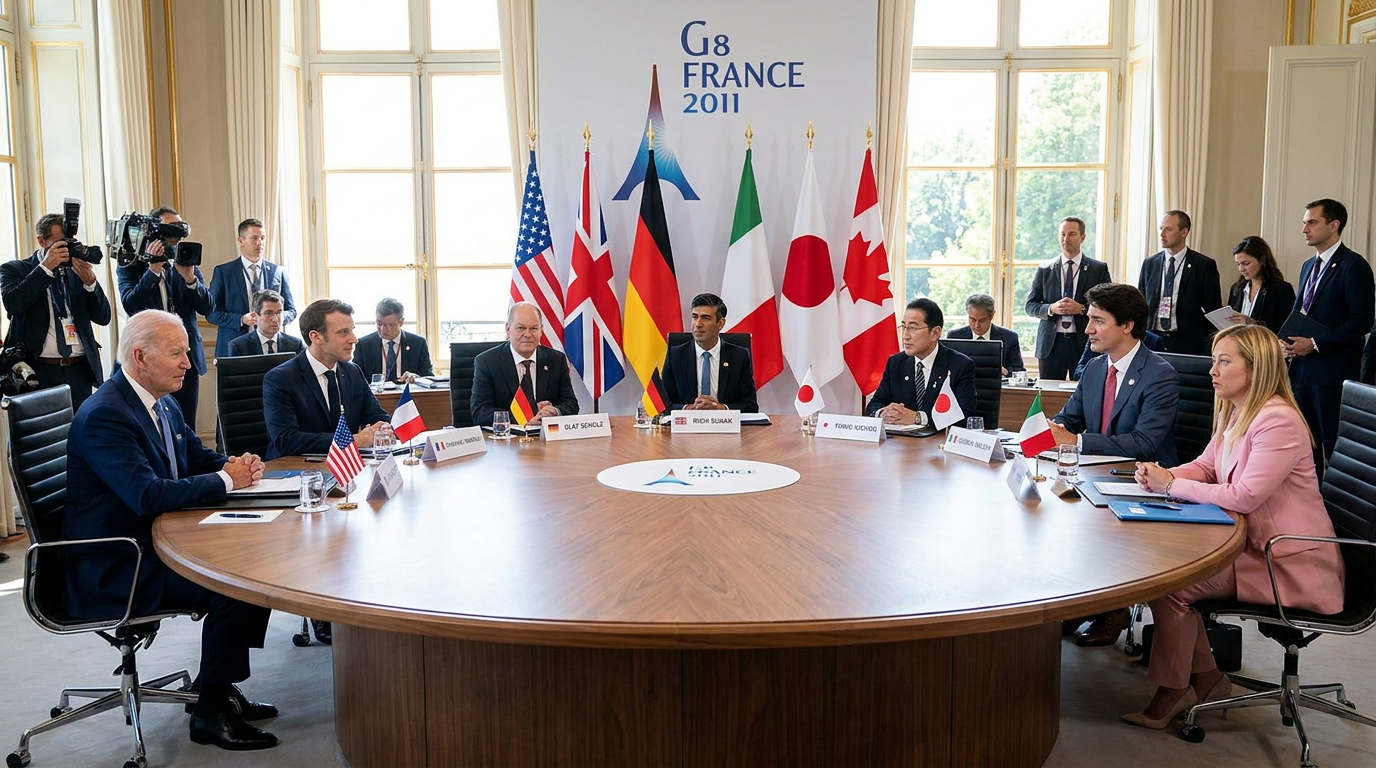
- European Allies
- Pushing for U.S. mediation while ensuring Ukraine is not forced into unfavorable territorial concessions.
- Ukrainian Leadership
- Seeking robust air defense commitments and direct talks from a position of improved battlefield strength.
- U.S. Administration
- Focused on brokering a rapid peace deal and leveraging the stabilized oil market to pressure Moscow.
What's not represented
- · The Russian Government
- · Global Energy Markets / Oil Traders
Why this matters
A U.S.-brokered peace process could bring an end to the five-year war in Ukraine, reshaping global security and energy markets. The potential reimposition of Russian oil sanctions and the licensing of new air defense systems signal a critical turning point in Western leverage over Moscow.
Key points
- G7 leaders are urging President Trump to host peace talks between Ukraine and Russia.
- Trump stated that Russia "should make a deal," calling the war's death toll "ridiculous."
- The U.S. may reimpose sanctions on Russian oil now that the Iran conflict has eased.
- Zelenskyy secured commitments for enhanced air defense systems and potential manufacturing licenses.
- The EU and the U.K. are preparing new sanctions targeting Russia's energy sector and shadow fleet.
Lead with the G7 summit in Évian-les-Bains, where US President Donald Trump and global leaders have pivoted their focus to ending the five-year war in Ukraine. This follows the announcement of a preliminary deal to halt the three-and-a-half-month conflict with Iran. The gathering of major industrialized democracies on the shores of Lake Geneva comes at a critical juncture, as the international community seeks to capitalize on the diplomatic momentum generated by the Gulf ceasefire. With the immediate threat to Middle Eastern oil supplies subsiding, the summit's agenda has rapidly shifted back to Europe's deadliest conflict in decades.[3][6]
Trump told reporters that Russia "should make a deal," calling the mounting death toll on both sides "ridiculous." He confirmed that he held direct telephone conversations with both Ukrainian President Volodymyr Zelenskyy and Russian President Vladimir Putin on Sunday, prior to arriving in France. According to the U.S. president, both leaders expressed an openness to potential negotiations. The upbeat mood regarding the Ukraine war stands in stark contrast to previous diplomatic engagements, sparking cautious optimism among the gathered heads of state that a tangible peace agreement could finally be within reach. Trump emphasized that the war has dragged on long enough, noting that Moscow has "lost a great many people, just like Ukraine," and that he intends to do whatever he can to facilitate an end to the fighting.[1][2][3]
European leaders are actively urging Trump to host direct peace talks between Zelenskyy and Putin in the United States. French President Emmanuel Macron and other allied leaders view the U.S. administration as uniquely positioned to break the diplomatic deadlock. However, they remain cautious about the specific terms of any potential settlement. European diplomats are utilizing the summit's working sessions to convince Washington that previous U.S. proposals may have been overly favorable to Moscow, stressing the importance of maintaining a unified front that does not force Kyiv into unwarranted territorial concessions. Macron, who hosted the summit, was overheard on a hot microphone acknowledging the difficult discussions surrounding the peace process. The overarching goal for the European bloc is to ensure that any U.S.-brokered mediation fully respects Ukraine's sovereignty while providing a realistic off-ramp for the Kremlin.[1][6]

Zelenskyy's negotiating position appears significantly stronger than in previous years, bolstered by recent successful drone incursions deep into Russian territory. European Commission President Ursula von der Leyen noted that the tide is turning and that Russia's fatigue is openly showing. Allied leaders are eager to impress upon Trump that Ukraine is no longer losing on the battlefield. They argue that the U.S. role should evolve from merely acting as a messenger between the two warring nations to serving as a mediator that actively supports Ukraine's strategic interests and leverages Russia's current vulnerabilities. By demonstrating that Kyiv can strike critical infrastructure within Russia, Zelenskyy hopes to prove that Moscow does not hold the undisputed initiative. This battlefield reality is central to the argument that Putin must be pressured into accepting a deal rather than being offered an easy exit.[1][2]
Zelenskyy's negotiating position appears significantly stronger than in previous years, bolstered by recent successful drone incursions deep into Russian territory.
During a 30-minute sideline meeting with Trump and Macron, Zelenskyy presented photographs of the Kyiv Pechersk Lavra—one of Ukraine's most important religious and historic landmarks—which was recently damaged by a direct Russian strike. Sources familiar with the encounter indicated that Trump appeared visibly moved and disappointed by the destruction of the cultural heritage site. The meeting marked the first face-to-face encounter between Zelenskyy and Trump in over four months, serving as a critical opportunity for the Ukrainian leader to personalize the ongoing toll of the invasion and advocate for sustained American support. The presentation of the damaged orthodox monastery was a calculated diplomatic move to highlight the indiscriminate nature of the Russian bombardment. Following the private viewing of the photographs, the three leaders transitioned into a broader joint working session with the rest of the G7 members, where the defense of Ukrainian airspace became the central topic.[4]

In the subsequent joint working session, G7 leaders unanimously agreed to bolster Ukraine's air defenses against ongoing ballistic missile attacks. Zelenskyy announced that the partners discussed providing additional Patriot missile systems, which are crucial for protecting Ukraine's power grid and civilian centers. Furthermore, the leaders explored the possibility of establishing licensing agreements that would allow Ukraine to manufacture anti-ballistic systems and missiles domestically. Zelenskyy noted that Trump appeared to view the domestic production proposal positively, a step that would significantly enhance Kyiv's long-term military self-sufficiency and reduce its reliance on continuous foreign aid shipments. The commitment to air defense is seen as a necessary precondition for any peace talks, ensuring that Russia cannot simply bomb Ukraine into submission while negotiations are underway. A French diplomat confirmed that providing these capabilities remains a top priority for the alliance.[4][5]
Economic pressure on Moscow is also set to increase dramatically as global energy markets stabilize. Trump signaled that the U.S. is now in a position to reimpose strict sanctions on Russian oil shipments. These sanctions had been temporarily waived to help lower global oil prices during the recent conflict with Iran. With a preliminary deal in place and oil flowing freely through the Strait of Hormuz once again, the U.S. administration believes it has the economic bandwidth to squeeze Russia's primary source of revenue without triggering a domestic energy crisis. "Soon we'll be able to do that, because the oil is now flowing," Trump told reporters, referencing the lapse of the waivers. This renewed economic leverage is viewed as a critical tool for forcing Putin to the negotiating table under terms acceptable to the West.[5][7]

The European Union and the United Kingdom are simultaneously tightening their own economic nets around the Kremlin. The EU is currently preparing its 21st sanctions package, which includes unprecedented restrictions on the sale of liquefied natural gas tankers to Russia. Meanwhile, the U.K. and Canada announced new measures targeting the "shadow fleet" of covert vessels that Moscow uses to export oil and evade existing price caps. By coordinating these financial and logistical blockades, the G7 aims to systematically dismantle the financial networks funding the Russian war machine just as diplomatic efforts accelerate. Canadian Prime Minister Mark Carney emphasized that the new sanctions will also target defense-industrial actors and disinformation networks. The synchronized transatlantic pressure campaign is designed to leave Moscow with few alternatives but to engage seriously in the proposed peace talks.[1][5][7]
The summit in Évian-les-Bains highlights a complex balancing act for the Group of Seven: maintaining unified, robust support for Ukraine's defense while aggressively pursuing a diplomatic off-ramp. As the Iran conflict rapidly moves into the "rearview mirror," the international community's focus rests entirely on whether Washington can successfully mediate an end to the war in Eastern Europe. If Trump can bring Zelenskyy and Putin to the table in the United States, it could mark the beginning of the end for a conflict that has reshaped global security architectures and devastated millions of lives. The coming weeks will test the durability of the G7's consensus and the effectiveness of the renewed sanctions regime. For now, the cautious optimism radiating from the French lakeside resort suggests that a negotiated settlement is being treated as a realistic, albeit challenging, objective.[2][5]
How we got here
Feb 2022
Russia launches its full-scale invasion of Ukraine.
Early 2026
A 3.5-month conflict with Iran disrupts global oil markets, prompting the U.S. to temporarily ease some Russian oil sanctions.
June 14, 2026
President Trump speaks with both Zelenskyy and Putin, noting both are open to a meeting.
June 15, 2026
The U.S. and Iran announce a preliminary deal, reopening the Strait of Hormuz.
June 16, 2026
Zelenskyy meets with Trump and Macron at the G7 summit in Évian-les-Bains to discuss peace talks and air defense.
Viewpoints in depth
European Allies
G7 nations pushing for a peace deal that does not force Ukraine to concede territory.
European leaders, including French President Emmanuel Macron, are eager for the U.S. to mediate an end to the war but remain wary of terms that might favor Moscow. They emphasize that Ukraine's recent military successes, particularly drone strikes inside Russia, have shifted the balance of power. The EU is simultaneously preparing its 21st package of sanctions to ensure Russia remains under maximum economic pressure during any negotiations.
The U.S. Administration
Seeking a rapid diplomatic resolution to the conflict while leveraging global oil markets.
President Trump views the successful preliminary deal with Iran as a template for resolving the Ukraine war. By reopening the Strait of Hormuz and stabilizing global oil prices, the administration believes it now has the economic bandwidth to reimpose strict sanctions on Russian oil. The U.S. strategy relies on using this renewed economic leverage to force Vladimir Putin to the negotiating table.
The Ukrainian Government
Demanding security guarantees and military support while remaining open to diplomacy.
President Zelenskyy is utilizing the summit to secure concrete military commitments, particularly regarding Patriot missile systems and domestic production licenses. While open to U.S.-brokered talks, Kyiv insists that any ceasefire or peace agreement must reflect the reality that Russia is taking heavy losses and does not hold the battlefield initiative. Zelenskyy's presentation of damaged cultural heritage sites aims to maintain moral and material support from Western allies.
What we don't know
- Whether Vladimir Putin will agree to attend U.S.-hosted peace talks with Zelenskyy.
- The specific terms or territorial compromises that might be proposed in a U.S.-brokered deal.
- The exact timeline for the U.S. to let the temporary waivers on Russian oil sanctions lapse.
Key terms
- G7 (Group of Seven)
- An intergovernmental political and economic forum consisting of Canada, France, Germany, Italy, Japan, the United Kingdom, and the United States.
- Kyiv Pechersk Lavra
- A historic Eastern Orthodox Christian monastery in Kyiv, Ukraine, which suffered damage from a recent Russian strike.
- Shadow Fleet
- A network of ships used by a country to export oil covertly, bypassing international sanctions and price caps.
- Strait of Hormuz
- A crucial maritime chokepoint between the Persian Gulf and the Gulf of Oman, through which a significant portion of the world's oil supply passes.
Frequently asked
Why is the G7 focusing on Ukraine now?
With a preliminary deal reached to end the recent conflict with Iran, global leaders have shifted their diplomatic focus back to resolving the five-year-old Russia-Ukraine war.
What did Zelenskyy show Trump at the summit?
Zelenskyy showed Trump photographs of the Kyiv Pechersk Lavra, a historic Ukrainian religious site that was recently damaged by a direct Russian attack.
Will the U.S. sanction Russian oil again?
President Trump indicated that the U.S. could soon let temporary waivers on Russian oil lapse, as the reopening of the Strait of Hormuz has stabilized global energy markets.
Sources
Source coverage
7 outlets
3 viewpoints surfaced







[1]The GuardianEuropean Allies
European leaders urge Trump to host Zelenskyy-Putin talks
Read on The Guardian →[2]The Jerusalem PostUkrainian Leadership
G7 leaders express optimism for peace after Trump's 'very good' Zelensky meeting
Read on The Jerusalem Post →[3]Japan TodayU.S. Administration
After taking Iran deal to G7 summit, Trump eyes ending Ukraine war
Read on Japan Today →[4]The Kyiv IndependentUkrainian Leadership
Zelensky meets Trump, Macron at G7 summit, shows photos of destroyed Lavra
Read on The Kyiv Independent →[5]PBSU.S. Administration
Trump signals he may reimpose sanctions on Russian oil as G7 refocuses on Ukraine
Read on PBS →[6]Al JazeeraEuropean Allies
What is on the agenda at the G7 Summit?
Read on Al Jazeera →[7]The HinduU.S. Administration
Trump says U.S. could let Russian oil waivers lapse
Read on The Hindu →
More in news politics
See all 12 stories →US-Iran Deal
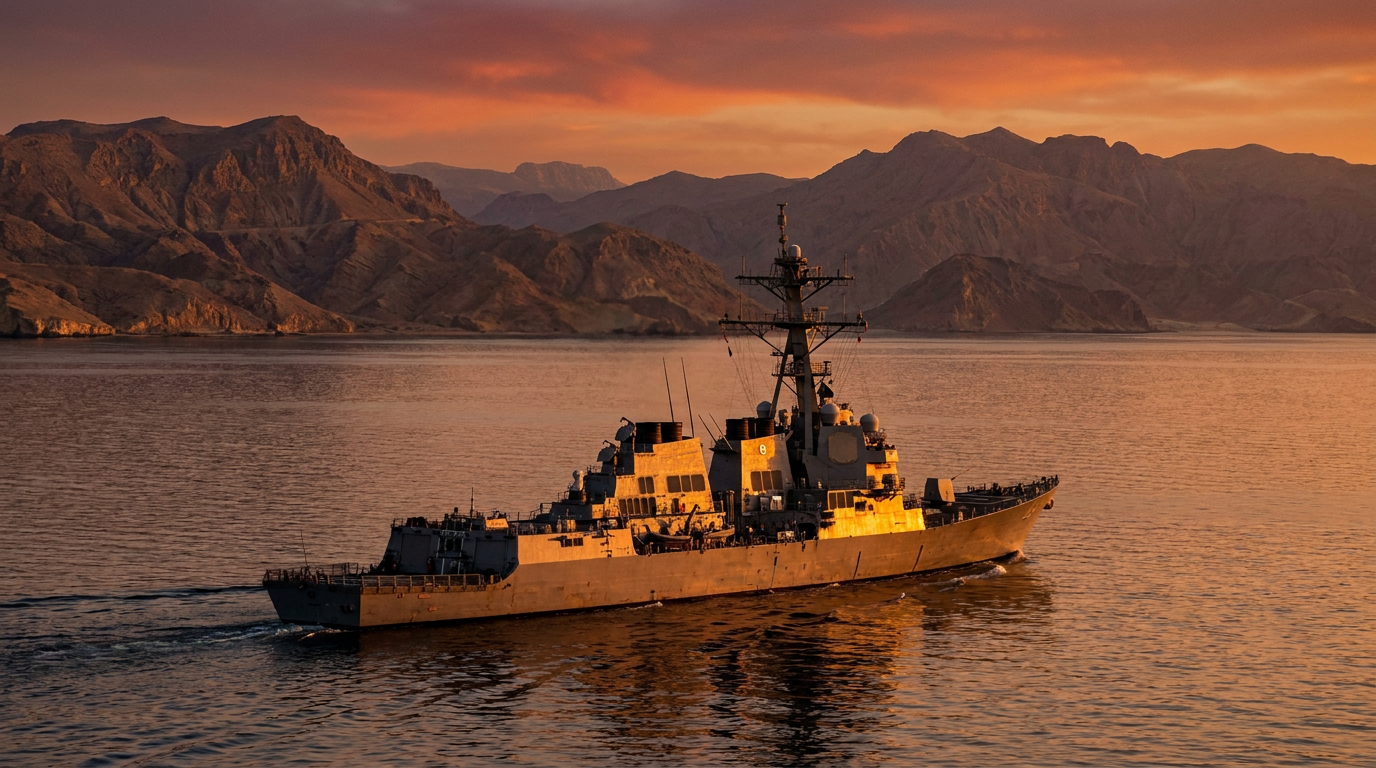
US and Iran to Sign Truce Ending Four-Month War as Analysts Warn of Strategic Defeat
8 sources
AI Infrastructure
DOJ Seeks to Halt NAACP Lawsuit Against xAI, Citing National Security and Military AI Use
7 sources
Reparations
Ghana Convenes 80 Nations to Advance Global Reparations Framework for Transatlantic Slave Trade
8 sources
US-Iran Conflict
US and Iran to Sign Interim Peace Deal to End War and Reopen Strait of Hormuz
7 sources
Every angle. Every day.
Get news politics stories with full source coverage and perspective breakdowns delivered to your inbox.