
How the New US-Iran Deal Reopened the Strait of Hormuz
Following weeks of military escalation and a critical blockade, the Strait of Hormuz has reopened under a controversial US-brokered agreement with Iran. The deal stabilizes global energy markets but has triggered fierce political backlash in Washington over the concessions made to Tehran.
By Factlen Editorial Team
- National Security Hawks
- View the unfreezing of funds as a dangerous capitulation that rewards aggression and poses an existential threat to Israel.
- Deal Proponents & Isolationists
- Argue that avoiding a catastrophic war and stabilizing global oil markets justifies the diplomatic concessions made to Tehran.
- Global Markets & Energy Importers
- Prioritize the immediate resumption of the 21 million barrels per day flow to prevent a global inflationary shock.
- Gulf Regional Actors
- Relieved by the resumption of their vital oil exports, but deeply anxious about the long-term implications of an enriched Iran.
What's not represented
- · Iranian domestic political factions
- · Commercial shipping fleet operators
Why this matters
Roughly 20% of the world's petroleum liquids pass through the Strait of Hormuz. The reopening prevents a catastrophic spike in global energy prices and inflation, but the political concessions made to secure it could fundamentally alter the balance of power in the Middle East.
Key points
- The Strait of Hormuz has reopened to commercial traffic following a new U.S.-brokered deal with Iran.
- U.S. Apache helicopters are actively escorting oil tankers through the waterway to deter attacks.
- The agreement reportedly unfreezes certain Iranian funds in exchange for maritime security guarantees.
- The deal has caused a massive political rift in Washington, with hawks calling it a betrayal of Israel.
The world's most critical energy artery is flowing again. Following weeks of military strikes, drone attacks, and paralyzed shipping lanes, the Strait of Hormuz has officially reopened to commercial tanker traffic. The resumption of transit marks the end of a severe bottleneck that threatened to send global energy markets into a tailspin and trigger a worldwide inflationary shock.[3][8]
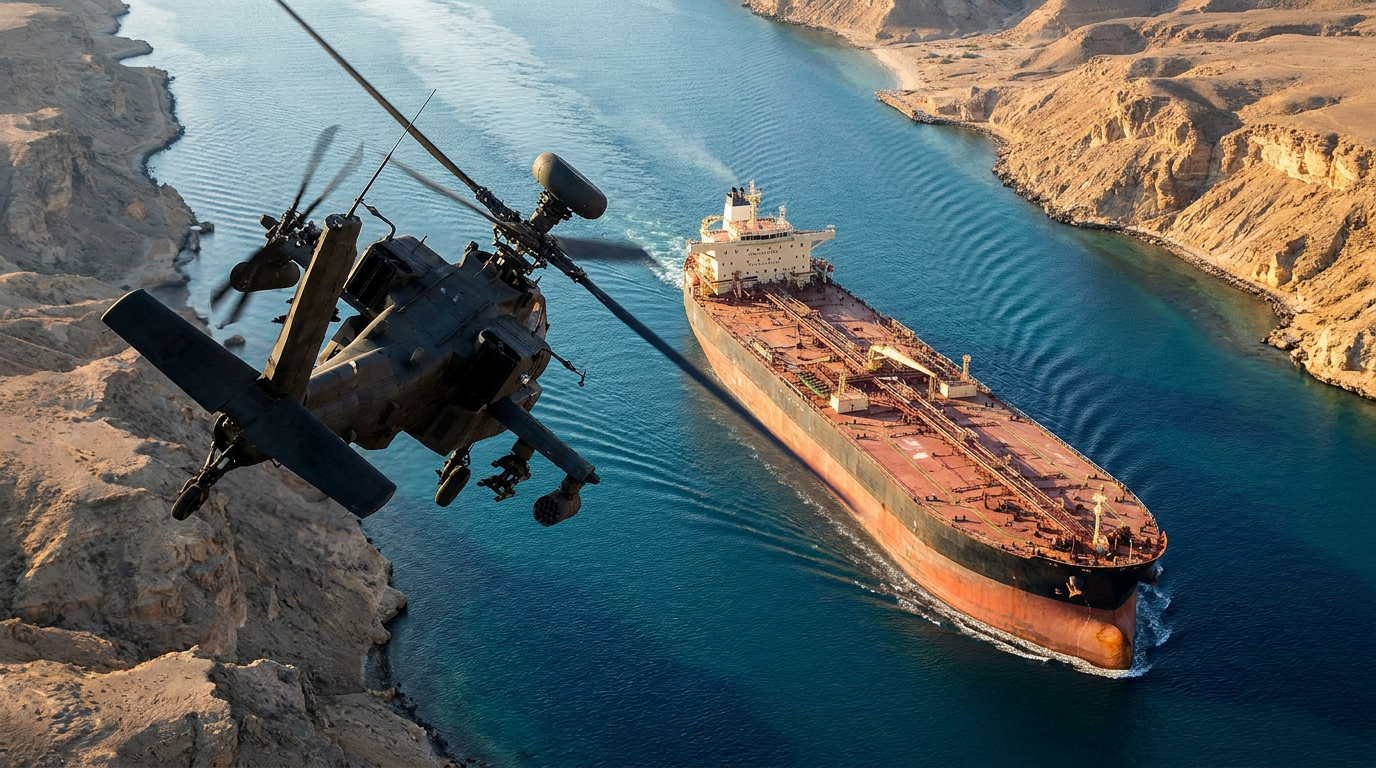
The reopening is being enforced by a highly visible display of American military power. AH-64E Apache helicopter gunships are now actively policing the shipping lanes, providing close air support and escorting massive oil tankers through the narrow waterway. This heavy aerial presence is designed to deter the fast-attack craft and drone swarms that recently made the strait impassable for unescorted vessels.[1]
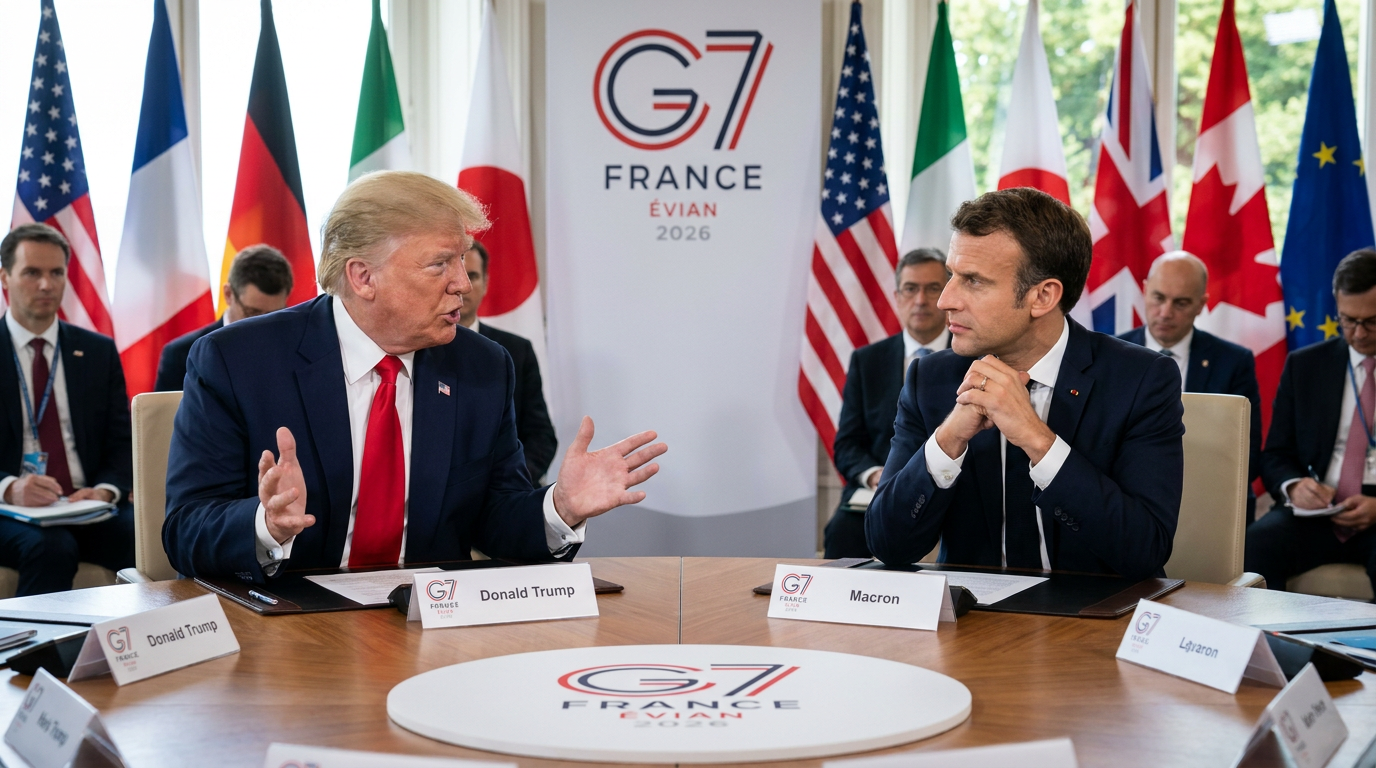
The military escorts, however, are only the operational enforcement of a much larger and highly controversial diplomatic breakthrough. The Trump administration has brokered a complex new agreement with Tehran—widely referred to as the "Iran deal"—that secures the safe passage of vessels in exchange for significant U.S. concessions.[2][7]
To understand the stakes of this agreement, one must look at the geography and economics of the Strait of Hormuz. At its narrowest point, the waterway is just 39 miles wide, with the actual shipping lanes restricted to two-mile-wide inbound and outbound channels. There are no viable alternative pipelines capable of absorbing the volume of oil that moves through this specific chokepoint.[6]
Through this narrow maritime corridor flows roughly 20% of all global petroleum liquids consumption—averaging over 20 million barrels per day. It is the primary exit route for oil exported from Saudi Arabia, the United Arab Emirates, Kuwait, and Iraq. When transit stops, the global economy immediately feels the shock at the fuel pump and in supply chains.[6]

The recent crisis peaked on June 8, when an Iranian drone strike directly targeted maritime infrastructure, prompting retaliatory U.S. strikes. The exchange of fire effectively closed the strait to unescorted commercial traffic, causing marine insurance premiums to skyrocket and forcing energy importers to brace for a massive supply shock.[1][8]
The new agreement halts this escalatory cycle. While the full text of the deal remains classified, leaked details indicate that it involves the unfreezing of certain "Strait funds" and a rollback of specific economic sanctions. In return, Iran has agreed to cease drone operations in the shipping lanes and allow the U.S. military to police the corridor without interference.[2][3]
In return, Iran has agreed to cease drone operations in the shipping lanes and allow the U.S.
For global markets, the deal is a massive relief. Brent crude prices, which had been creeping toward triple digits during the height of the standoff, have stabilized around $85 per barrel. Tanker insurers have cautiously begun lowering their risk premiums, allowing the backlog of anchored vessels to finally move through the Gulf of Oman.[3][8]

Yet, the relief in financial capitals stands in stark contrast to the political explosion the deal has triggered in Washington. The agreement has opened a profound rift within the Republican party, pitting the administration's "America First" isolationist wing against traditional national security hawks.[2]
For years, the hawkish wing of the MAGA movement and the broader GOP have viewed containing Iran as a paramount strategic imperative. Now, leading hawks are in open mutiny against the White House, characterizing the unfreezing of funds and the diplomatic concessions as a capitulation to Tehran that rewards aggressive behavior.[2][7]
The backlash is heavily tied to the perceived impact on Israel. Hardline opponents of the deal argue that providing any financial relief to Iran directly subsidizes its regional proxy network. They view the concessions not just as a bad bargain for maritime security, but as an "existential betrayal" of Israel's security interests.[2][4]
Israeli officials have echoed these concerns, expressing deep alarm over the terms of the arrangement. From Jerusalem's perspective, securing the Strait of Hormuz at the cost of enriching Tehran is a strategic miscalculation that will inevitably fund future conflicts on Israel's own borders.[4]

Conversely, the administration and its isolationist allies defend the deal as a necessary pragmatic maneuver. Their argument centers on the premise that the United States cannot afford to be dragged into another open-ended Middle Eastern war, especially one that would trigger a global recession by cutting off a fifth of the world's oil supply.[2][7]
Regional actors in the Gulf find themselves caught in the middle of this geopolitical realignment. Nations like Saudi Arabia and the UAE are heavily dependent on the Strait of Hormuz for their economic survival and have cautiously welcomed the resumption of shipping. However, they share Israel's underlying anxiety about an emboldened Iran.[5]
The operational reality in the strait remains tense. While the Apache helicopters provide a formidable deterrent, the underlying infrastructure of the Iranian Revolutionary Guard Corps' naval forces remains fully intact along the northern coast of the waterway. The balance of power is maintained by the diplomatic pact, not by the elimination of the threat.[1][6]
Ultimately, the new Iran deal represents a massive gamble by the White House. It prioritizes immediate global economic stability and military de-escalation over the long-term containment strategies favored by traditional defense establishments. Whether this pragmatic arrangement holds—or collapses under the weight of domestic and regional opposition—will define the next era of Middle Eastern geopolitics.[2][4][7]
How we got here
Early June 2026
Tensions escalate in the Persian Gulf, threatening commercial shipping lanes.
June 8, 2026
An Iranian drone strike targets maritime infrastructure, prompting U.S. retaliatory strikes.
Mid-June 2026
The White House brokers a controversial new agreement with Tehran to secure the waterway.
June 16, 2026
Commercial traffic resumes under the protection of U.S. Apache helicopter gunships.
Viewpoints in depth
US Isolationists & Deal Supporters
Prioritize avoiding a catastrophic Middle Eastern war and stabilizing the global economy.
Supporters of the agreement argue that the United States cannot afford to be dragged into an open-ended conflict with Iran over maritime shipping lanes. By unfreezing funds and offering diplomatic concessions, they believe the administration has successfully averted a global energy crisis that would have triggered massive domestic inflation. From this perspective, the deal is a necessary, pragmatic maneuver that puts American economic interests first, rather than committing U.S. forces to another endless Middle Eastern war.
National Security Hawks & Israeli Allies
View the concessions as a dangerous capitulation that funds regional terrorism.
Hardline opponents of the deal, including a significant faction of the MAGA movement and Israeli officials, view the agreement as a strategic disaster. They argue that any financial relief provided to Tehran will inevitably be funneled to proxy groups across the Middle East. By rewarding Iran's closure of the strait with unfrozen funds, hawks argue the U.S. has established a dangerous precedent that incentivizes future maritime hostage-taking and represents an existential betrayal of Israel's security.
Gulf Energy Exporters
Relieved by the resumption of oil exports but anxious about an emboldened Iran.
Nations like Saudi Arabia, the UAE, and Kuwait rely almost entirely on the Strait of Hormuz to export their primary source of national revenue. The reopening of the waterway is an immediate economic lifeline for these states. However, their relief is heavily tempered by the reality that the U.S. made concessions to secure it. Gulf leaders remain deeply concerned that an enriched Iran, free from certain sanctions, will increase its regional interference and proxy activities in their own backyards.
What we don't know
- The exact dollar amount and specific conditions attached to the 'Strait funds' unfrozen by the U.S.
- Whether Iran will permanently halt its fast-boat and drone harassment of commercial vessels.
- How the political mutiny in Washington will affect the long-term viability of the agreement.
Key terms
- Strait of Hormuz
- A narrow waterway between the Persian Gulf and the Gulf of Oman, serving as the only sea passage from the Persian Gulf to the open ocean.
- Chokepoint
- A narrow geographical feature on land or at sea that an armed force is forced to pass, making it highly vulnerable to blockade or attack.
- Brent Crude
- A major trading classification of sweet light crude oil that serves as a benchmark price for purchases of oil worldwide.
- Risk Premium
- The extra cost added to marine insurance policies for vessels traveling through active conflict zones or areas with high threat levels.
Frequently asked
Why was the Strait of Hormuz closed?
The strait was effectively closed to unescorted commercial traffic following a cycle of military escalation, culminating in a June 8 Iranian drone strike and retaliatory U.S. military action.
What is in the new US-Iran deal?
While fully classified, leaked details suggest the U.S. agreed to unfreeze certain 'Strait funds' and ease specific sanctions in exchange for Iran halting drone attacks and allowing U.S. military escorts in the shipping lanes.
How much oil goes through the Strait of Hormuz?
Roughly 21 million barrels per day, which accounts for about 20% of the world's total petroleum liquids consumption.
Why are some politicians angry about the deal?
National security hawks argue that providing financial relief to Iran rewards military aggression and provides funding that will be used against U.S. allies, particularly Israel.
Sources
Source coverage
8 outlets
4 viewpoints surfaced








[1]Fox NewsNational Security Hawks
Apache helicopter gunships showed off their power cleaning up the Strait of Hormuz
Read on Fox News →[2]AxiosDeal Proponents & Isolationists
MAGA hawk mutiny deepens Trump's isolation on Iran
Read on Axios →[3]ReutersGlobal Markets & Energy Importers
Oil prices stabilize as Strait of Hormuz traffic resumes under US-Iran pact
Read on Reuters →[4]The Jerusalem PostNational Security Hawks
Israel expresses deep concern over US concessions in new Iran deal
Read on The Jerusalem Post →[5]Al JazeeraGulf Regional Actors
Gulf states cautiously welcome Hormuz reopening amid regional realignments
Read on Al Jazeera →[6]U.S. Energy Information AdministrationGlobal Markets & Energy Importers
The Strait of Hormuz is the world's most important oil transit chokepoint
Read on U.S. Energy Information Administration →[7]The New York TimesDeal Proponents & Isolationists
Trump's Iran Deal Sparks Bipartisan Skepticism on Capitol Hill
Read on The New York Times →[8]Financial TimesGlobal Markets & Energy Importers
Tanker insurers lower premiums as Apache patrols secure Hormuz corridor
Read on Financial Times →
Every angle. Every day.
Get news politics stories with full source coverage and perspective breakdowns delivered to your inbox.