
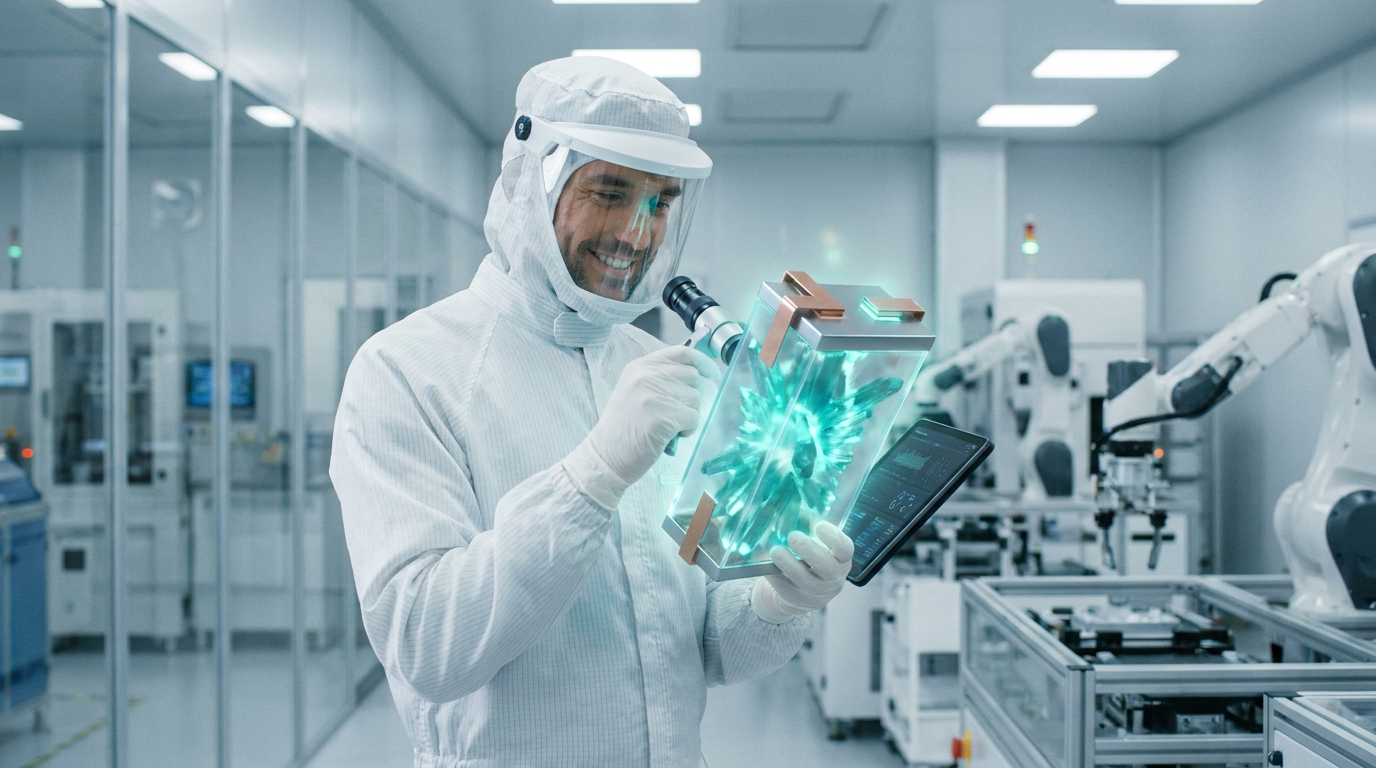
How Solid-State Batteries Work—And Why They Are Finally Ready to Change EVs
After years of laboratory development, solid-state batteries are entering pilot production in 2026, promising to double electric vehicle range and eliminate fire risks.
By Factlen Editorial Team
Solid-State Developers 35%Legacy Automakers 35%Manufacturing Skeptics 30%
- Solid-State Developers
- Companies engineering the chemistry view solid-state as a fundamental rewrite of battery architecture.
- Legacy Automakers
- Major car brands see the technology as a strategic leapfrog opportunity to solve EV range anxiety.
- Manufacturing Skeptics
- Industry analysts caution that building a perfect battery in a lab is vastly different from mass-producing it cheaply.
What's not represented
- · Lithium-ion manufacturers defending current tech
- · Raw material mining communities
Why this matters
Solid-state batteries are the most significant breakthrough in energy storage in decades. By doubling EV range and cutting charge times to 10 minutes, this technology is poised to eliminate the final hurdles to mass electric vehicle adoption and reshape the global auto industry.

More in guides
See all 51 stories →Exercise Science
The Science of Zone 2 Training: Why the Slowest Cardio Builds the Strongest Engine
7 sources

AI Developer Tools
Cursor vs. GitHub Copilot vs. Codeium: The 2026 AI Coding Assistant Trade-Offs
8 sources

Battery Tech
How Solid-State Batteries Work: The Breakthrough Reshaping the Future of Energy
6 sources
Auto Tech
EV vs. PHEV in 2026: Total Cost, Range, and Which Fits Your Drive
8 sources
Stay informed
Every angle. Every day.
Get guides stories with full source coverage and perspective breakdowns delivered to your inbox.