
How Hydrogen Trains Work: The Promise and Challenges of 'Hydrail'
Hydrogen-powered trains offer a zero-emission alternative to diesel on non-electrified routes, emitting only water vapor. But as record-breaking test runs clash with real-world infrastructure hurdles, the technology faces a critical proving ground.
By Factlen Editorial Team
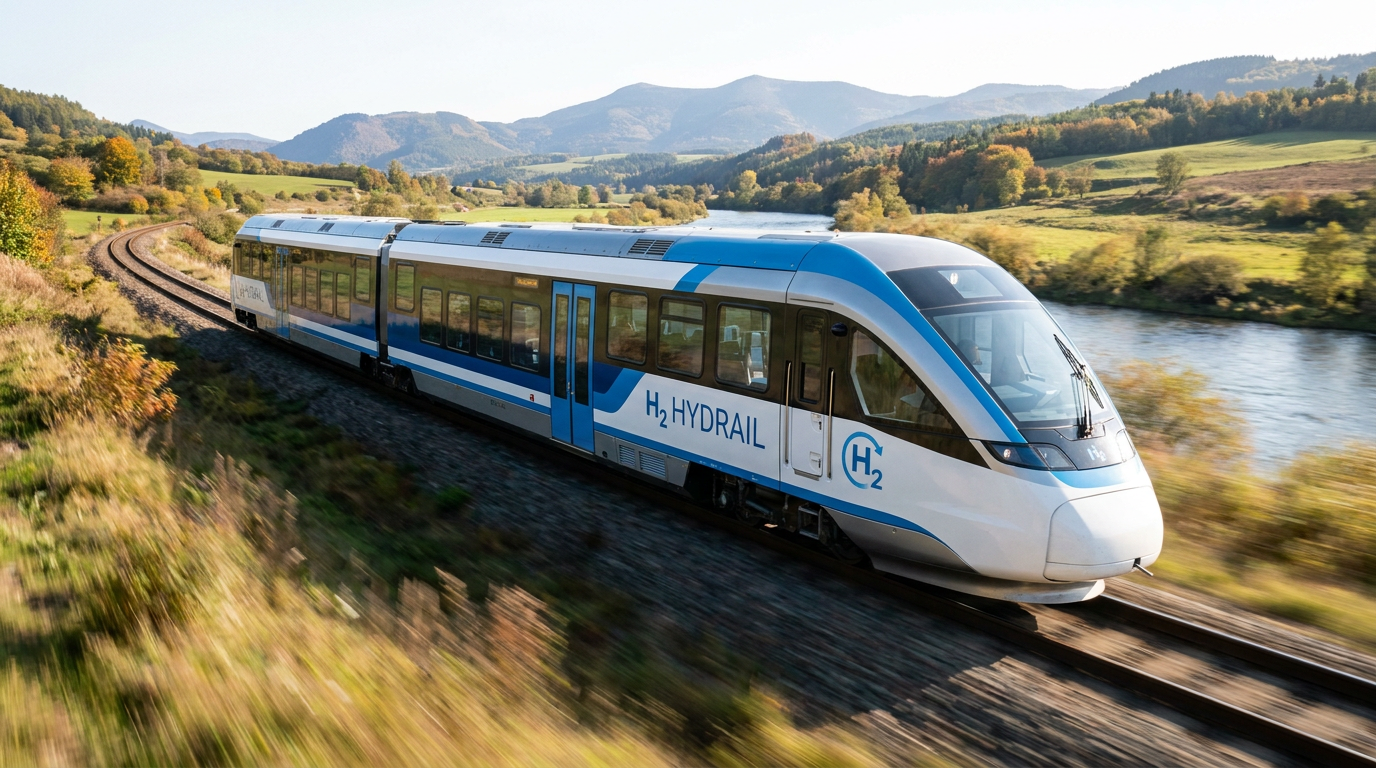
- Hydrogen Advocates
- Proponents view hydrail as the only viable zero-emission replacement for diesel on long, remote routes.
- Battery-Electric Proponents
- Critics argue that direct electrification and battery trains are more efficient and technologically simpler.
- Pragmatic Operators
- Transit authorities focus on the immediate logistical and financial hurdles of adopting a new fuel standard.
What's not represented
- · Local Communities
- · Fossil Fuel Industry
Why this matters
Rail transport is critical for global mobility, but thousands of miles of rural tracks still rely on highly polluting diesel engines. Hydrogen trains offer a path to eliminate these emissions entirely, potentially transforming the air quality and carbon footprint of regional transit worldwide.

More in transportation
See all 13 stories →Battery Tech
The Solid-State Battery Era Arrives: How 2026 Became the Tipping Point for EV Tech
7 sources

Maritime Tech
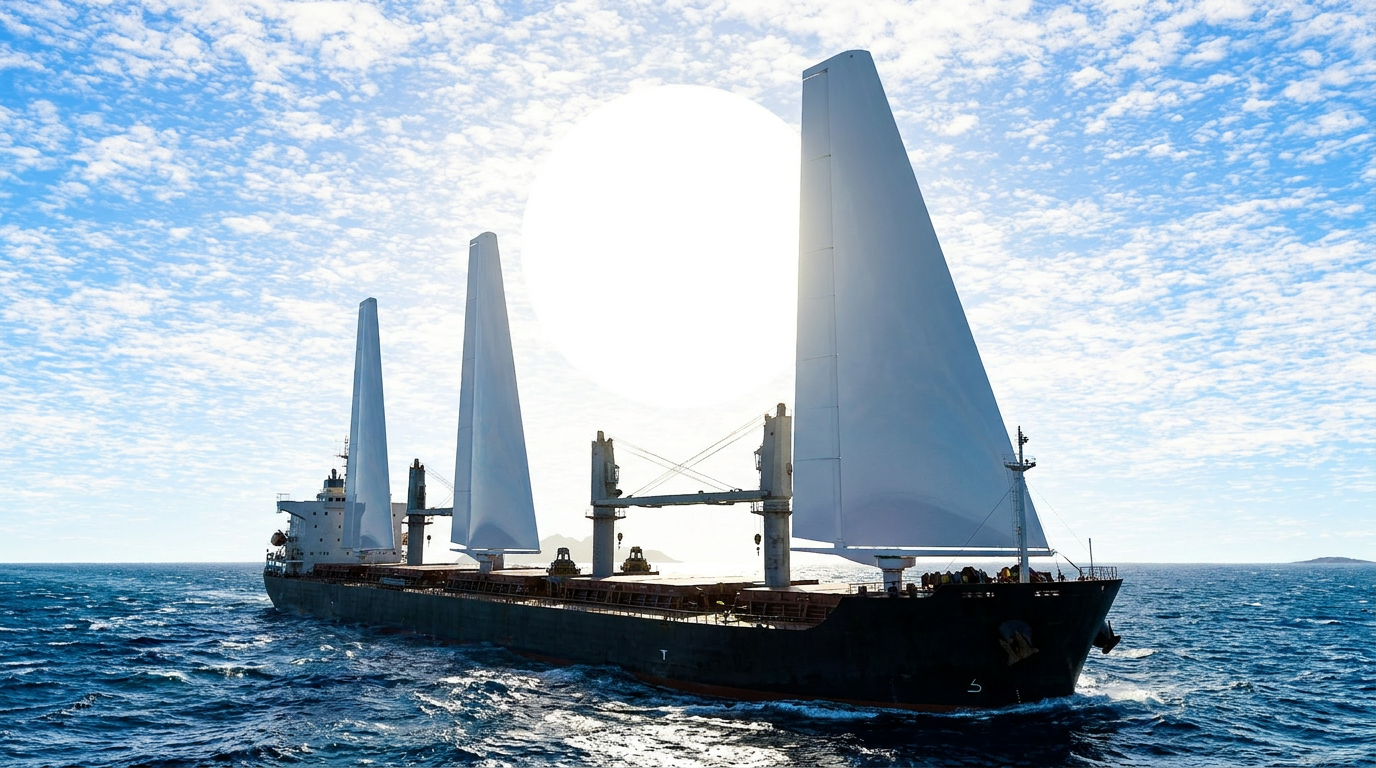
The High-Tech Return of Wind Power to Global Shipping
7 sources
Green Shipping
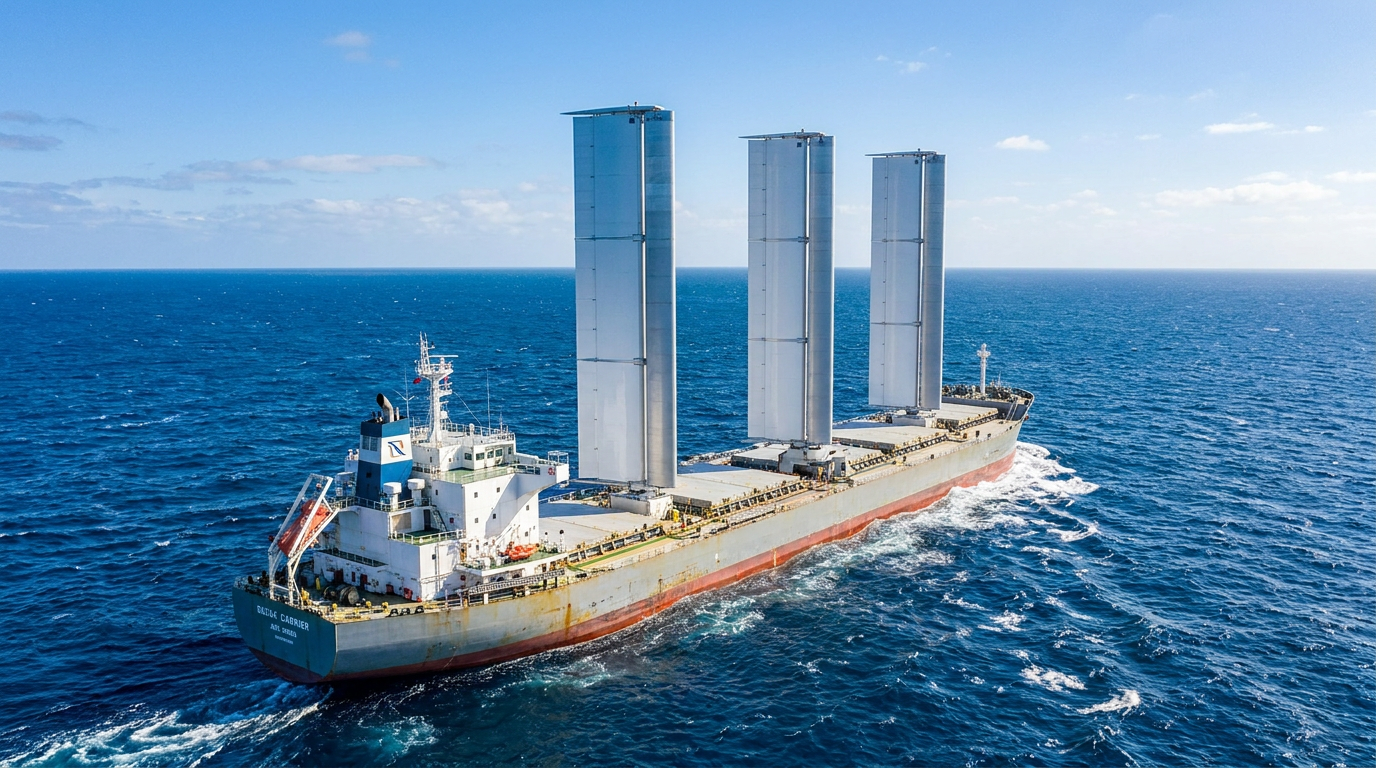
Commercial Shipping Returns to Wind Power to Slash Global Emissions
7 sources
Grid Tech
How Bidirectional Charging is Turning EVs into Mobile Power Plants
9 sources

Every angle. Every day.
Get transportation stories with full source coverage and perspective breakdowns delivered to your inbox.