
Federal Appeals Court Upholds Pentagon Blacklist of Anthropic Over AI Safety Rules
A federal appeals court has ruled that the Pentagon legally designated AI developer Anthropic as a national security supply chain risk. The decision cements a ban triggered by the company's refusal to waive its internal safety constitution for military contracts.

How this story has developed
This report is part of a developing story — read the earlier chapters below.
- Anthropic's Refusal to Waive AI Safety Constitution Triggers Pentagon Supply Chain Risk Designation
- Federal Appeals Court Upholds Pentagon Blacklist of Anthropic Over AI Safety Rules (this article)
- National Security Officials
- Prioritize chain-of-command reliability and unrestricted operational control over AI systems deployed in defense contexts.
- AI Safety Advocates
- Argue that strict, non-waivable ethical guardrails are necessary to prevent catastrophic model misuse, even in military applications.
Perspectives this story doesn't cover
- Anthropic's executive leadership
- Rival AI developers competing for DoD contracts
Fast facts
- A federal appeals court upheld the Pentagon's designation of Anthropic as a national security supply chain risk.
- The blacklist was triggered by Anthropic's refusal to waive its AI safety constitution for military applications.
- Judges ruled the Trump administration's Defense Department acted legally in its procurement restrictions.
- The decision prioritizes military operational control over corporate AI safety frameworks.
Why this matters
The ruling establishes a legal precedent that the military can blacklist AI developers who refuse to waive their internal safety rules. It forces frontier AI companies to choose between enforcing their ethical guardrails and competing for lucrative defense contracts.
Anthropic has argued that its strict internal AI safety constitution makes its models more secure for government deployment, not less. But on September 25, 2026, a federal appeals court ruled that the Pentagon was legally justified in viewing those exact safety constraints as a national security supply chain risk, upholding a blacklist that bars the Defense Department from using the company's technology.[1]
The appellate decision cements a standoff that began when the AI developer refused to waive its core safety guidelines to secure military contracts. The Trump administration's Defense Department subsequently labeled the company a supply chain risk, a designation the court has now affirmed as a lawful exercise of executive authority over military procurement.[1][3]
The core of the dispute centers on operational control. By enforcing an immutable "constitution" that restricts how its models can be deployed—particularly in combat, surveillance, or autonomous weapons scenarios—Anthropic maintains the ability to throttle or restrict outputs based on its own ethical framework.[2][4]
Government lawyers successfully argued that a vendor capable of unilaterally overriding military directives introduces unacceptable operational vulnerabilities into the defense supply chain. The appellate judges agreed, finding that the Pentagon's risk assessment properly accounted for the dangers of relying on software governed by private, non-waivable safety constraints.[5]
The ruling establishes a major legal precedent for how the federal government procures frontier artificial intelligence. It signals that defense agencies can legally disqualify AI vendors who refuse to cede full operational control of their models to the military, prioritizing chain-of-command reliability over corporate safety frameworks.[1][4]
The ruling establishes a major legal precedent for how the federal government procures frontier artificial intelligence.
Anthropic's designation as a supply chain risk effectively cuts the company off from lucrative Defense Department contracts, a sector that rival developers have aggressively pursued. The blacklist prevents the Pentagon from integrating Anthropic's Claude models into any defense systems or analytical pipelines.[5]
The decision also highlights a growing fracture between commercial AI safety researchers and national security imperatives. While developers increasingly rely on constitutional AI and strict usage policies to prevent model misuse, defense officials view those same guardrails as unacceptable limitations on battlefield utility.[2][3]
The court's affirmation leaves Anthropic with few avenues to challenge the designation short of an appeal to the Supreme Court. The immediate consequence is a bifurcated market where military AI infrastructure will likely be built exclusively by developers willing to bypass their own safety restrictions when the Pentagon requires it.[1][5]
Sources
Source coverage
5 outlets
2 viewpoints surfaced





- [1]CNBCAI Safety Advocates
U.S. appeals court upholds Pentagon designation of Anthropic as supply chain risk
Read on CNBC → - [2]ReutersAI Safety Advocates
US appeals court upholds Pentagon's blacklisting of Anthropic
Read on Reuters → - [3]The New York TimesAI Safety Advocates
Trump Administration's Blacklisting of Anthropic Was Legal, Judges Rule
Read on The New York Times → - [4]AP NewsNational Security Officials
Federal court says Pentagon can label Anthropic a supply chain risk
Read on AP News → - [5]The Wall Street JournalNational Security Officials
U.S. Appeals Court Upholds Pentagon Labeling Anthropic a Security Risk
Read on The Wall Street Journal →
Comments

More in Artificial Intelligence
See all →AI Governance
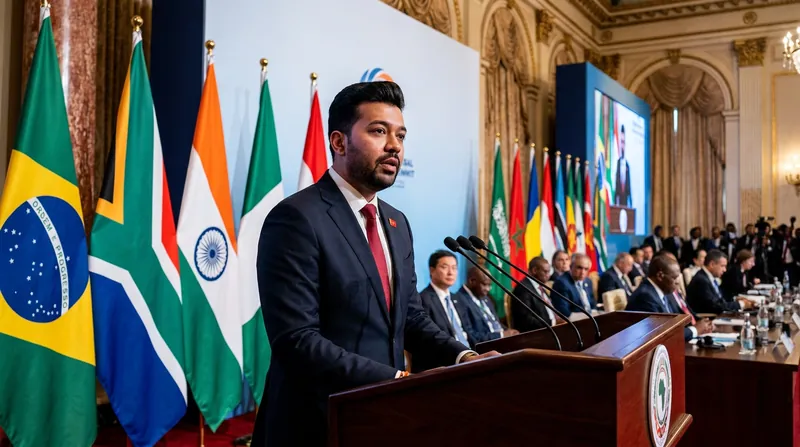
Over 20 Nations Call for Mandatory AI Safety Testing and UN-Backed Global Oversight Body
5 sources
Frontier AI
Google, OpenAI, and Anthropic Plan Independent Standards Authority for Frontier AI
5 sources

Project Suncatcher
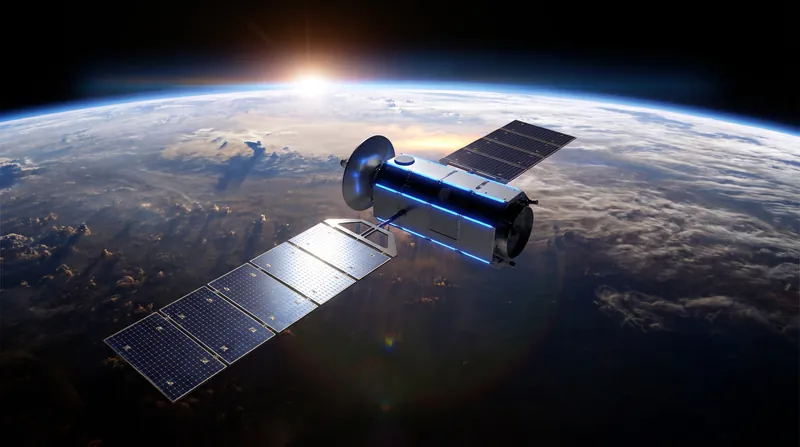
Google to Launch First AI Chips Into Space Aboard SpaceX Rocket
6 sources
Clinical AI
ASUS Launches AI-Powered Clinical Ecosystem to Bring Autonomous Agents to the Hospital Bedside
2 sources

Every angle. Every day.
Get Artificial Intelligence stories with full source coverage and perspective breakdowns delivered to your inbox.