
Why Chasing the Dark is 2026's Biggest Travel Trend
As light pollution erases the stars for most of the world, travelers are flocking to certified dark-sky destinations to experience the pristine nighttime environment.
By Factlen Editorial Team
- Conservationists & Astronomers
- Advocating for the night sky as an endangered natural resource that must be protected.
- Hospitality & Tourism Industry
- Monetizing the cosmos through premium travel experiences and remote luxury amenities.
- Urban Planners & Lighting Engineers
- Balancing human safety and infrastructure needs with dark-sky-compliant lighting.
What's not represented
- · Indigenous communities whose ancestral lands host new observatories
- · Local residents in remote towns facing sudden influxes of nighttime tourists
Why this matters
As light pollution erases the stars for 99% of the Western world, the search for pristine darkness is reshaping global travel and driving a lucrative new incentive to protect the natural nighttime environment.
Key points
- Astrotourism has become a major 2026 travel trend, with 62% of travelers seeking dark-sky destinations.
- The boom is driven by the fact that 99% of people in the U.S. and Europe now live under light-polluted skies.
- Astronomers and travelers use the 9-level Bortle Scale to measure the true darkness of a location.
- DarkSky International has certified over 250 locations globally that protect the nighttime environment.
- The economic benefits of 'noctourism' are incentivizing remote communities to adopt dark-sky-friendly lighting.
- The 2026 solar maximum and upcoming total solar eclipses are further accelerating the stargazing travel boom.
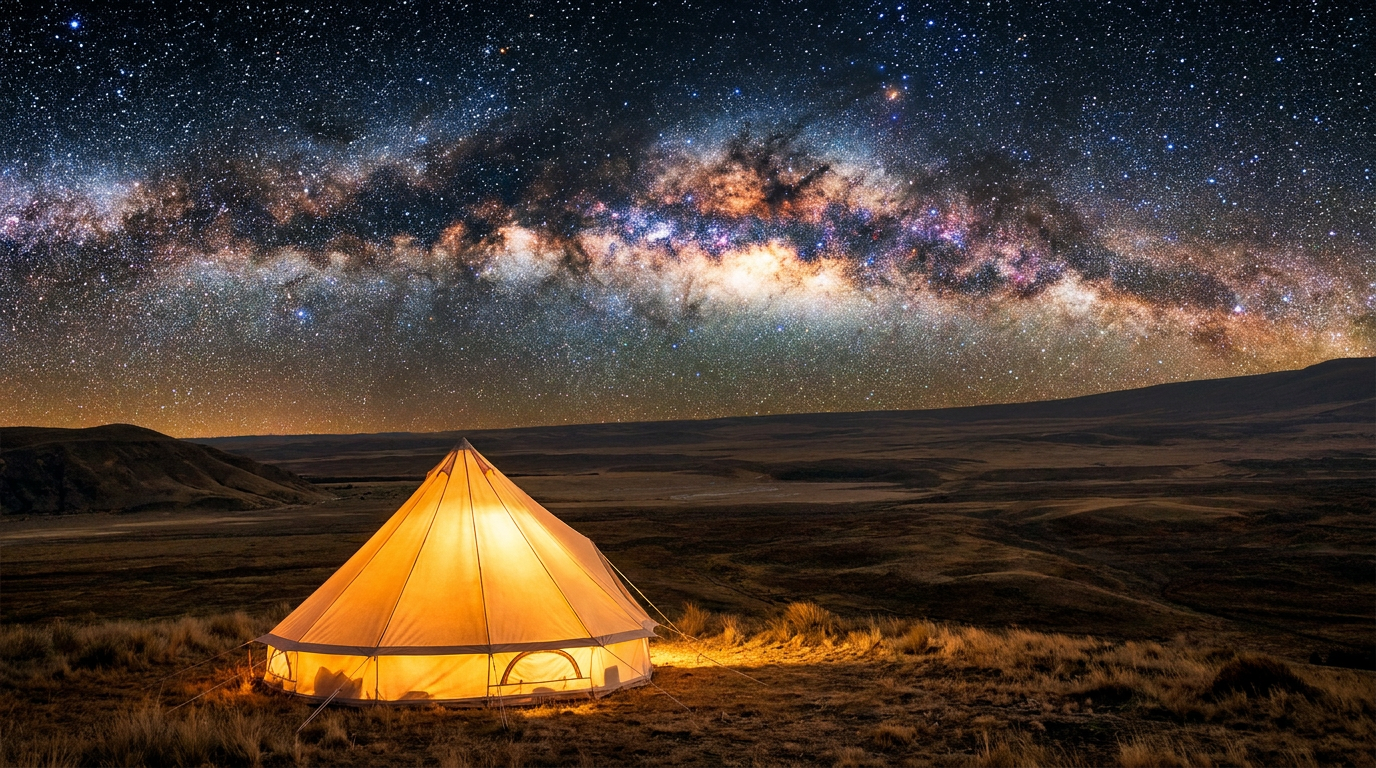
Astrotourism is no longer a niche hobby reserved for amateur astronomers hauling heavy telescopes into the wilderness. As we move through 2026, traveling specifically to experience the night sky has evolved into one of the most powerful forces in global tourism.[2][6]
The data behind the shift is striking. Recent industry metrics reveal that 62% of travelers are now actively seeking out "dark-sky destinations" for their next vacation, elevating stargazing from a fringe activity to a mainstream travel priority.[1][2]
The root cause of this boom is a profound environmental loss. Today, an estimated 99% of people living in the United States and Europe reside under light-polluted skies. The Milky Way, a celestial sight that defined the human experience for millennia, is now entirely invisible to 80% of North Americans.[2]
This phenomenon is known as skyglow—the ambient orange haze created by poorly designed streetlights, commercial signs, and urban sprawl scattering artificial light into the atmosphere. As true darkness becomes extinct in populated areas, it has transformed into a rare commodity worth traveling across the globe to find.[5]
To understand exactly what has been lost, and what astrotourists are traveling to reclaim, astronomers and travelers alike rely on the Bortle Scale. Created by amateur astronomer John E. Bortle in 2001, this nine-level numeric system measures the true darkness of a given location.[4]

At a Bortle Class 9, typical of an inner city, only the moon and a handful of the brightest planets are visible through the haze. At a Bortle Class 1, the sky is so pristine that the Milky Way casts faint shadows on the ground, and thousands of stars overwhelm the naked eye.[4]
For the modern traveler, the Bortle Scale has quietly become the ultimate metric of luxury. A destination's ability to offer a Class 1 or 2 sky is now marketed as aggressively as beachfront access, ski-in proximity, or five-star dining.[1]
Leading the charge to protect these remaining pockets of darkness is DarkSky International. Founded in 1988, the nonprofit organization has certified over 250 International Dark Sky Places across 22 countries, ranging from national parks to entire island nations.[3][6]
Leading the charge to protect these remaining pockets of darkness is DarkSky International.
These certifications are not handed out lightly. To become a Dark Sky Park, Reserve, or Sanctuary, a location must prove its sky quality through rigorous photometric measurements and commit to strict, long-term lighting management plans that prevent future light pollution.[3]
The economic impact of these designations is transforming remote communities. "Noctourism" brings visitors to rural areas during off-peak seasons and late into the night, filling hotels, restaurants, and local guide services that would otherwise sit empty.[5]
This creates a powerful financial incentive for conservation. When a town realizes that its darkness is worth millions of dollars in tourism revenue, the political will to retrofit streetlights with shielded, downward-facing fixtures materializes almost overnight.[5]
The hospitality industry has aggressively capitalized on this shift. Luxury properties in places like Chile's Atacama Desert, the Maldives, and the American Southwest are turning darkness into their most coveted and profitable amenity.[1]

Telescopes in hotel rooms are no longer just decorative touches. High-end resorts are building permanent, state-of-the-art observatories, hiring resident astronomers to guide guests, and designing suites with glass ceilings so visitors can stargaze directly from their beds.[1]
The 2026 travel calendar is further accelerating the trend, supercharged by celestial mechanics. We are currently in the midst of a solar maximum—the peak of the Sun's 11-year magnetic activity cycle.[2][6]

This heightened solar activity is producing frequent and intense auroras, pushing the Northern Lights to unusually low latitudes and creating a once-in-a-decade window for aurora chasers to witness the phenomenon without traveling to the extreme Arctic.[6]
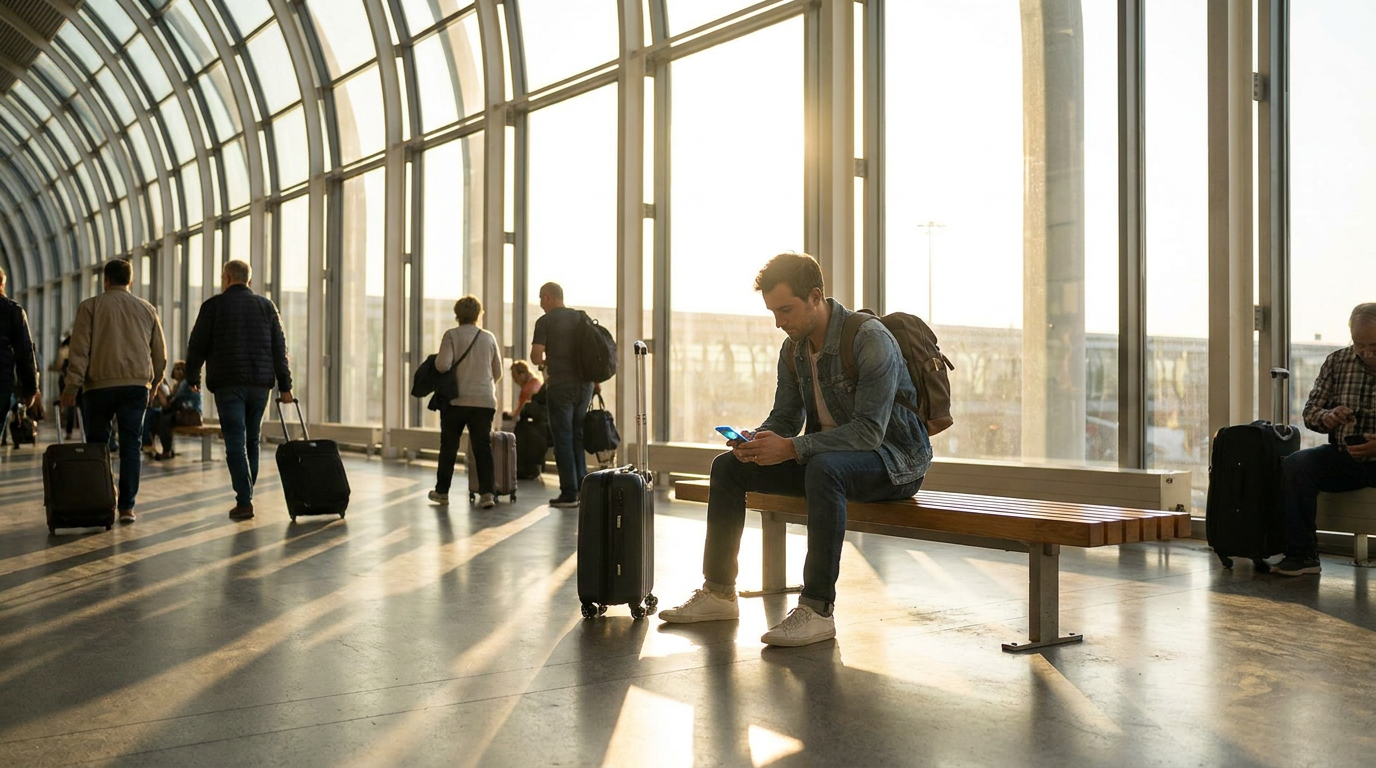
Additionally, the impending total solar eclipse on August 12, 2026, which will sweep across Greenland, Iceland, and Spain, has triggered a massive wave of specialized tour bookings, proving that celestial events are now primary drivers of international flight traffic.[1][6]

Yet, the true value of astrotourism extends far beyond eclipses and luxury observatories. It represents a fundamental shift in how we view the environment, recognizing the night sky as a fragile ecosystem that requires active, intentional protection.[5][7]
Unlike chemical or plastic pollution, which can take centuries to clean up and remediate, light pollution is entirely and instantly reversible. The moment a poorly aimed light is turned off or properly shielded, the stars immediately return.[7]
As more travelers venture into the dark, they return home with a new perspective on the glare of their own cities. The ultimate goal of astrotourism is not just to sell remote vacations, but to inspire a global movement to reclaim the night.[7]
How we got here
1988
DarkSky International is founded to combat the rapid spread of light pollution.
2001
Flagstaff, Arizona, becomes the world's first International Dark Sky Community, and the Bortle Scale is published.
2024–2026
A solar maximum cycle brings intense auroras to lower latitudes, sparking mainstream interest in night-sky travel.
August 2026
A highly anticipated total solar eclipse crosses Greenland, Iceland, and Spain, driving a surge in astrotourism bookings.
Viewpoints in depth
Conservationists & Astronomers
Advocating for the night sky as an endangered natural resource.
For astronomers and ecologists, the loss of the night sky is a profound environmental crisis. Light pollution disrupts nocturnal wildlife, migratory birds, and insect populations, while simultaneously blinding ground-based telescopes. Organizations like DarkSky International argue that darkness is a heritage right, emphasizing that unlike chemical pollution, light pollution can be instantly reversed simply by changing how we illuminate our communities.
The Hospitality Industry
Monetizing the cosmos through premium travel experiences.
Luxury resorts and remote tour operators view astrotourism as a highly lucrative, low-impact revenue stream. By investing in permanent observatories, resident astronomers, and specialized architecture like glass-ceilinged suites, the hospitality sector is turning a lack of infrastructure (no city lights) into a premium amenity. This economic incentive encourages remote communities to adopt strict lighting ordinances, proving that conservation can be profitable.
Urban Planners & Lighting Engineers
Balancing safety, infrastructure, and dark-sky compliance.
Municipal planners face the practical challenge of keeping communities safe and navigable while minimizing skyglow. The transition to cheap, bright LED streetlights over the past decade inadvertently worsened light pollution. Now, engineers are tasked with retrofitting cities with shielded, warmer-temperature fixtures that direct light downward. They argue that responsible lighting doesn't mean turning off the lights, but rather illuminating only what is necessary.
What we don't know
- Whether the economic benefits of astrotourism will be enough to convince major metropolitan areas to overhaul their lighting infrastructure.
- How remote dark-sky sanctuaries will manage the environmental impact of increased foot traffic and vehicle emissions from tourists.
Key terms
- Astrotourism
- Travel centered around experiencing dark skies, stargazing, and celestial events.
- Bortle Scale
- A nine-level numeric system used to measure the darkness of the night sky, with Class 1 being pristine and Class 9 being an inner city.
- Skyglow
- The brightening of the night sky over inhabited areas caused by artificial light scattering in the atmosphere.
- Naked-Eye Limiting Magnitude (NELM)
- A measure of the faintest star visible to the naked eye, used to assess sky darkness.
- Solar Maximum
- The period of greatest solar activity in the Sun's 11-year cycle, resulting in more frequent and intense auroras.
Frequently asked
Do I need a telescope to enjoy astrotourism?
No. While some luxury resorts offer observatory access, the primary appeal of dark-sky destinations is the ability to see the Milky Way, meteor showers, and thousands of stars with the naked eye.
What is a Dark Sky Park?
It is a protected public land certified by DarkSky International for its exceptional starry nights and commitment to minimizing light pollution through responsible lighting policies.
How can I find a dark sky near me?
You can use light pollution maps or search the DarkSky International registry, which lists over 250 certified places globally, including parks, reserves, and urban night sky places.
Sources
Source coverage
7 outlets
3 viewpoints surfaced






[1]ForbesHospitality & Tourism Industry
The Rise Of Astrotourism: 25 Hotels Leading The Stargazing Trend
Read on Forbes →[2]InteleTravelHospitality & Tourism Industry
Astrotourism: The Top Travel Trend of 2026
Read on InteleTravel →[3]DarkSky InternationalConservationists & Astronomers
International Dark Sky Places Program
Read on DarkSky International →[4]Astroport SariskaConservationists & Astronomers
The Bortle Scale Tells You the Truth About the Sky
Read on Astroport Sariska →[5]Tamlite LightingUrban Planners & Lighting Engineers
What is Astrotourism? The Rise of Noctourism and Dark Sky Travel
Read on Tamlite Lighting →[6]Expats TravelingHospitality & Tourism Industry
Dark Skies, Eclipses, and Aurora Travel
Read on Expats Traveling →[7]Factlen Editorial TeamConservationists & Astronomers
Synthesis by Factlen editorial team
Read on Factlen Editorial Team →
Every angle. Every day.
Get travel stories with full source coverage and perspective breakdowns delivered to your inbox.