
The Science of Skin Barrier Repair: How Ceramides and Microbiome-Friendly Grooming Actually Work
A compromised skin barrier is the hidden culprit behind chronic dryness, irritation, and premature aging. Dermatological science reveals how to rebuild your skin's lipid matrix and nurture its invisible microbial ecosystem.
By Factlen Editorial Team
- Clinical Dermatologists
- Focus on the structural integrity of the skin and preventing water loss.
- Microbiome Researchers
- Focus on the living ecosystem of bacteria that protects the skin.
- Minimalist Skincare Advocates
- Focus on reducing product load and allowing the skin to heal itself.
What's not represented
- · Cosmetic Chemists
- · Estheticians
Why this matters
Understanding your skin barrier prevents you from wasting money on harsh products that cause premature aging and irritation. By adopting a science-backed repair routine, you can permanently resolve chronic dryness, redness, and sensitivity.
Key points
- The skin barrier functions like a brick wall, with cells acting as bricks and lipids (ceramides) acting as the mortar.
- Over-exfoliating, using harsh soaps, and washing with hot water are the primary causes of barrier damage.
- A damaged barrier leads to Transepidermal Water Loss (TEWL), causing chronic dryness, redness, and irritation.
- Repair requires a minimalist routine: gentle cleansing, humectants for hydration, and ceramides to rebuild the lipid matrix.
- The skin microbiome—a layer of beneficial bacteria—works alongside the physical barrier to maintain an optimal, slightly acidic pH.
For years, the grooming and skincare industries sold a narrative of eradication. Consumers were encouraged to scrub away dead skin, strip away oils, and aggressively exfoliate their way to a better complexion. But a quiet revolution is reshaping how dermatologists and researchers approach skin health. The focus has shifted from breaking the skin down to building it up, centering on a microscopic shield that dictates almost everything about how our skin looks and feels: the skin barrier.[7]
When skin feels inexplicably tight, looks persistently red, or stings upon the application of a basic moisturizer, it is rarely a random allergic reaction. These are the classic distress signals of a compromised skin barrier. Rather than reaching for more active ingredients to "fix" the problem, dermatologists warn that adding more products to damaged skin is akin to pouring acid on a wound. The solution requires a fundamental understanding of cellular biology.[2][5]
The shift away from aggressive exfoliation marks a maturation in consumer grooming habits. The short-term brightness achieved by scrubbing away the top layer of skin is quickly replaced by chronic dehydration and low-grade inflammation, a process researchers sometimes call "inflammaging." To achieve long-term resilience, the daily routine must pivot toward structural support.[3]
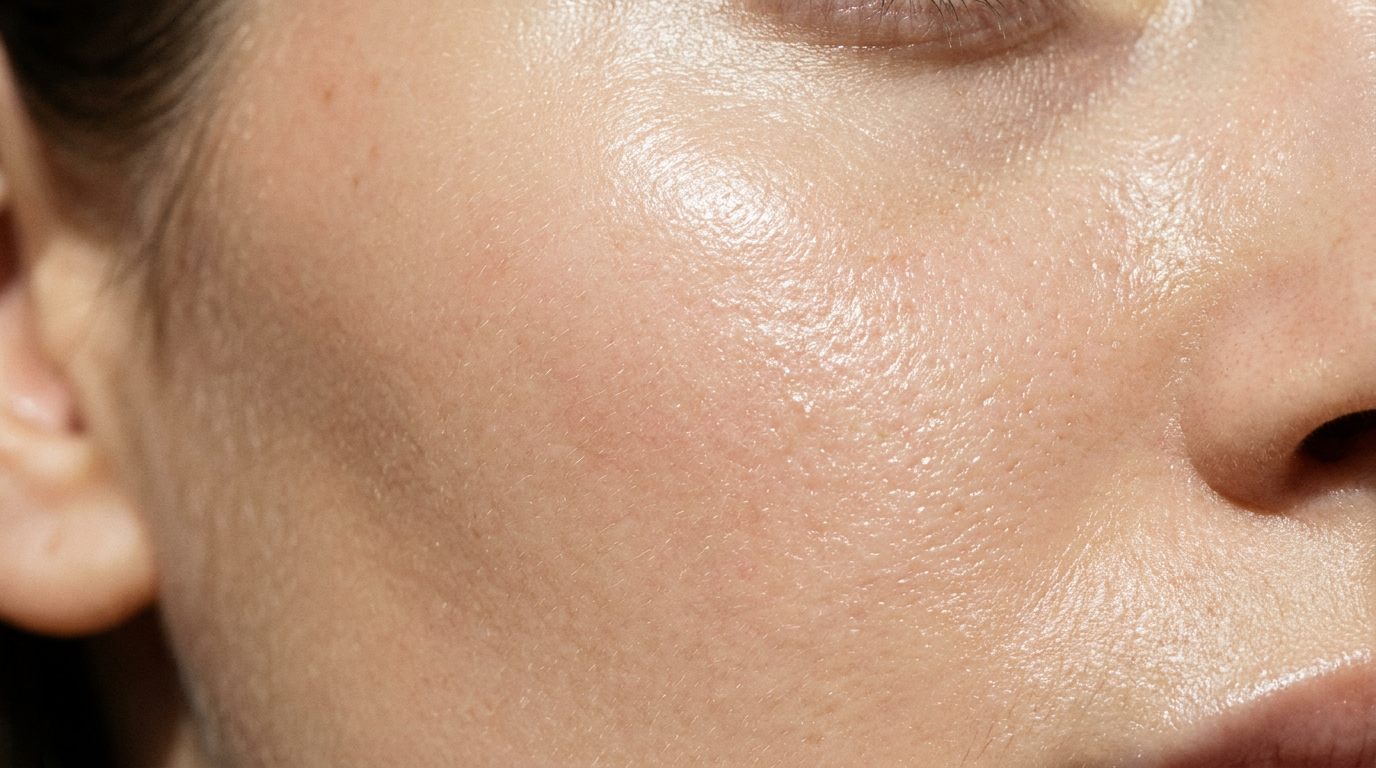
To understand barrier repair, one must look at the stratum corneum—the outermost layer of the epidermis. Though it is composed of dead cells, it is a highly active and essential biological interface. It serves a dual mandate: keeping vital water inside the body and keeping environmental aggressors, pollutants, and pathogens out.[1]
Dermatologists universally rely on a "brick and mortar" analogy to explain this structure. The "bricks" are corneocytes, which are tough, flattened, protein-rich cells. But a wall is only as strong as the mortar holding it together. In the skin, this mortar is a complex lipid matrix composed primarily of ceramides, cholesterol, and free fatty acids.[2][3]

Ceramides are the undisputed heavyweights of this lipid matrix, making up roughly 50 percent of the mortar. They are structurally complex molecules that form dense, highly organized lamellar sheets between the cells. When ceramide levels deplete—whether due to age, genetics, or environmental damage—the mortar crumbles, leaving microscopic cracks in the skin's armor.[1][6]
These microscopic cracks lead to a phenomenon known in dermatology as Transepidermal Water Loss, or TEWL. Without an intact lipid matrix to seal the surface, water evaporates continuously from the deeper layers of the skin into the air. No amount of drinking water or applying lightweight serums can overcome severe TEWL if the structural seal is broken.[1][5]
But the physical lipid barrier is only half the story. Sitting directly on top of the stratum corneum is the skin microbiome—an invisible, bustling ecosystem of billions of bacteria, fungi, and viruses. Just as gut health relies on a balance of flora, skin health depends on a diverse and harmonious microbial community.[4]
Sitting directly on top of the stratum corneum is the skin microbiome—an invisible, bustling ecosystem of billions of bacteria, fungi, and viruses.
This microbiome acts as a living shield. Beneficial bacterial strains, such as Staphylococcus epidermidis, actively produce antimicrobial peptides that fend off harmful pathogens. Furthermore, a healthy microbiome helps maintain the skin's slightly acidic pH, which is crucial because the enzymes responsible for synthesizing ceramides only function properly in an acidic environment.[3][4]
Unfortunately, modern grooming habits are uniquely designed to destroy both the lipid matrix and the microbiome. One of the most common culprits is hot water. Washing the face in a steaming shower literally melts away the skin's natural fats, much like hot water washing butter off a knife.[2]
The overuse of active ingredients compounds the damage. High concentrations of alpha-hydroxy acids (AHAs), beta-hydroxy acids (BHAs), and retinoids can dissolve the lipid mortar faster than the body can replace it. When combined with harsh, sulfate-heavy cleansers that strip away both oils and beneficial bacteria, the skin is left entirely defenseless.[3][5]

Environmental factors also wage a constant war on the barrier. Cold winter air and low humidity actively pull moisture from the skin, while indoor heating accelerates the evaporation process. Without a conscious effort to replenish what the environment takes away, the barrier inevitably weakens.[6]
Repairing a damaged barrier requires a disciplined, minimalist approach, starting with how the skin is cleansed. Dermatologists advise abandoning foaming, soap-based cleansers in favor of mild, soap-free alternatives. Cleansing should be done with tepid water, and for those with severely compromised skin, a morning cleanse may be skipped entirely to preserve overnight lipid production.[2][5]
Once the skin is gently cleansed, the rebuilding process relies on a specific sequence of ingredients. The first step involves humectants, such as glycerin and hyaluronic acid, which act like molecular sponges to pull water into the epidermis. However, humectants alone are insufficient; without a seal, that water will simply evaporate again.[5]

The next critical step is lipid replacement. Applying moisturizers formulated with a physiological ratio of ceramides, cholesterol, and fatty acids directly replenishes the missing mortar. Clinical studies demonstrate that these specific lipid combinations can accelerate barrier recovery and significantly reduce inflammation within days.[1][6]
For severe damage, dermatologists recommend sealing the repair ingredients with an occlusive—a technique sometimes referred to as a "cosmetic bandage." Ingredients like petrolatum, squalane, or rich shea butter form a physical shield over the skin, halting TEWL entirely and creating a protected micro-environment where the skin can heal itself.[5][6]
The frontier of barrier repair now extends into biotic skincare. Formulations containing prebiotics (food for good bacteria) and postbiotics (the beneficial proteins produced by bacteria) are emerging as powerful tools to stabilize the microbiome. By nurturing the flora, these products indirectly strengthen the physical barrier.[3][4]

Patience is a prerequisite for barrier repair. While occlusives can provide immediate relief from tightness and stinging, rebuilding the cellular structure takes time. Depending on the severity of the damage, a full recovery of the stratum corneum and microbiome can take anywhere from two to four weeks of consistent, gentle care.[2][5]
Ultimately, the science of skin barrier repair teaches a lesson in biological respect. The skin is not a canvas to be scrubbed and sterilized, but a complex, living ecosystem. By prioritizing lipid health and microbial balance over aggressive exfoliation, readers can achieve a level of resilience and clarity that harsh treatments could never provide.[7]
Viewpoints in depth
Clinical Dermatologists
Focus on the structural integrity of the skin and preventing water loss.
Medical professionals view the skin barrier primarily through the lens of structural biology and lipid chemistry. Their primary concern is Transepidermal Water Loss (TEWL) and the depletion of ceramides, which they treat with targeted lipid replacement and heavy occlusives. They often warn against the overuse of trendy active ingredients, emphasizing that a structurally sound stratum corneum is the prerequisite for any aesthetic improvement.
Microbiome Researchers
Focus on the living ecosystem of bacteria that protects the skin.
Scientists studying the skin's flora argue that the physical lipid barrier is only half the equation. They emphasize that the skin is a living ecosystem where beneficial bacteria actively fight off pathogens and regulate inflammation. From this perspective, maintaining a slightly acidic pH and using prebiotic or postbiotic formulations is just as critical as applying traditional moisturizers.
Minimalist Skincare Advocates
Focus on reducing product load and allowing the skin to heal itself.
This camp argues that the modern grooming industry has created the very problems it claims to solve by pushing multi-step routines and harsh exfoliants. They advocate for a 'do no harm' approach, suggesting that washing with water alone in the mornings and relying on a single, well-formulated moisturizer is often superior to complex regimens. Their philosophy centers on getting out of the skin's way so its natural repair mechanisms can function.
What we don't know
- The exact long-term impact of synthetic postbiotic skincare ingredients on the natural diversity of the skin microbiome.
- How individual genetic variations dictate the exact ratio of ceramides needed for optimal barrier repair in different populations.
Key terms
- Stratum Corneum
- The outermost layer of the epidermis, consisting of tough, dead cells and a protective lipid matrix.
- Ceramides
- Essential lipid molecules that make up about 50 percent of the skin's protective mortar, locking in moisture.
- Transepidermal Water Loss (TEWL)
- The process by which water passively evaporates through the skin into the air, which accelerates when the barrier is damaged.
- Microbiome
- The invisible ecosystem of beneficial bacteria, fungi, and viruses that live on the skin and protect against pathogens.
- Occlusives
- Heavy moisturizing ingredients, like petrolatum or shea butter, that create a physical seal over the skin to prevent moisture loss.
Frequently asked
How do I know if my skin barrier is damaged?
Signs include unexplained tightness, persistent redness, flaking, and a stinging sensation when applying basic, previously tolerated moisturizers.
Can I still use exfoliants or retinoids?
Not while your barrier is compromised. Dermatologists recommend stopping all active ingredients until the skin heals, which typically takes two to four weeks.
Does drinking more water fix a damaged barrier?
No. While systemic hydration is healthy, a damaged barrier suffers from Transepidermal Water Loss (TEWL). Without repairing the lipid seal, any internal hydration will simply evaporate from the skin.
What is the difference between a humectant and an occlusive?
Humectants (like hyaluronic acid) pull water into the skin, while occlusives (like petrolatum or squalane) form a physical seal on top to prevent that water from evaporating.
Sources
Source coverage
7 outlets
3 viewpoints surfaced






[1]National Center for Biotechnology InformationClinical Dermatologists
The structure, function, and importance of ceramides in skin
Read on National Center for Biotechnology Information →[2]Cleveland ClinicClinical Dermatologists
What Is Your Skin Barrier and How Do You Repair It?
Read on Cleveland Clinic →[3]Dr. David JackMicrobiome Researchers
The Real Science of Skin Barrier Repair: Why Ceramides and Fatty Acids Matter
Read on Dr. David Jack →[4]Dove Men+CareMicrobiome Researchers
Guys: It's Time To Talk About Your Skin Microbiome
Read on Dove Men+Care →[5]The Primary RxMinimalist Skincare Advocates
Skin Barrier Repair: What Science Actually Says
Read on The Primary Rx →[6]Complete Family DermatologyClinical Dermatologists
Winter Skin Barrier Repair Methods for 2026
Read on Complete Family Dermatology →[7]Factlen Editorial TeamMinimalist Skincare Advocates
Synthesis by Factlen editorial team
Read on Factlen Editorial Team →
Every angle. Every day.
Get lifestyle stories with full source coverage and perspective breakdowns delivered to your inbox.