
The Science of Temperature Therapy: When to Use Cold Plunges, Saunas, and Contrast Baths for Recovery
While cold water immersion and infrared saunas both accelerate muscle recovery, emerging sports science reveals they trigger entirely different physiological mechanisms. Understanding when to use heat, cold, or a combination of both can optimize athletic performance and reduce injury risk.
By Factlen Editorial Team
- Endurance & Tournament Athletes
- Value rapid inflammation reduction and immediate pain relief to survive multi-day events.
- Strength & Hypertrophy Athletes
- Prioritize preserving the inflammatory cascade necessary for long-term muscle growth.
- Sports Physiologists
- Advocate for periodizing temperature therapy based on the specific goals of the current training block.
What's not represented
- · Casual gym-goers who lack access to expensive temperature therapy equipment
- · Individuals with cardiovascular conditions for whom extreme temperature shifts are contraindicated
Why this matters
Using the wrong recovery method at the wrong time can actually sabotage your fitness goals. By understanding the distinct biological mechanisms of heat and cold, you can ensure your recovery protocol actively supports your specific training phase rather than working against it.
Key points
- Cold water immersion (5–10°C) triggers vasoconstriction, rapidly flushing metabolic waste and reducing inflammation.
- Ice baths are highly effective for immediate pain relief but can blunt long-term muscle growth if used immediately after resistance training.
- Heat therapy causes vasodilation, increasing blood flow by up to 400% and triggering the repair of damaged proteins via Heat Shock Proteins.
- Contrast therapy alternates hot and cold to create a 'vascular pump' effect, maximizing waste clearance while maintaining nutrient delivery.
The modern athletic recovery landscape is increasingly dominated by extremes of temperature. From elite professional training facilities to suburban garages, fitness enthusiasts and competitive athletes alike are routinely plunging into ice-filled tubs or sweating in high-tech infrared saunas. For decades, the standard prescription for post-workout soreness was simply rest and hydration. Today, temperature manipulation has become a foundational pillar of sports science, promising to accelerate tissue repair, reduce systemic inflammation, and get athletes back to peak performance faster than passive rest alone. Yet, as these modalities transition from niche athletic protocols to mainstream wellness trends, a critical nuance is often lost in the enthusiasm. While both cold water immersion and heat therapy are broadly categorized under the umbrella of recovery, they are not interchangeable tools. They trigger entirely different, and sometimes opposing, physiological mechanisms within the human body.[6]
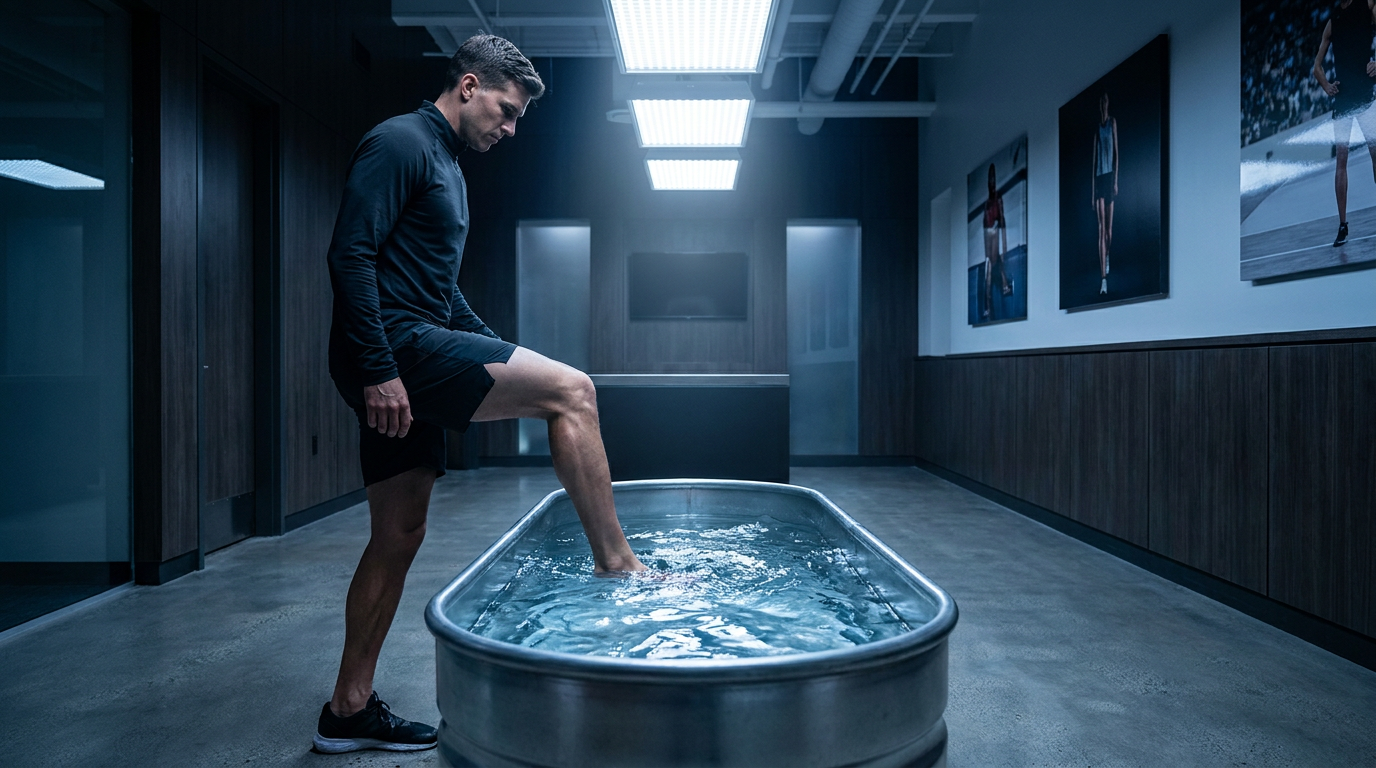
Cold water immersion, commonly known as ice bathing, primarily acts as a powerful, rapid-response anti-inflammatory tool. When the human body is submerged in water temperatures ranging between 5°C and 10°C, the autonomic nervous system triggers immediate vasoconstriction—a rapid and aggressive narrowing of the peripheral blood vessels. This survival mechanism is designed to preserve core body temperature, but it serves a secondary purpose for muscular recovery. The constriction effectively forces blood away from the extremities and damaged muscle tissues, acting like a sponge being squeezed. This mechanical action helps flush metabolic waste products, such as lactic acid and cellular debris generated during intense exercise, out of the fatigued muscles and into the central circulatory system for processing. A comprehensive 2025 network meta-analysis confirmed that 10 to 15 minutes of low-temperature cold exposure is highly effective at reducing the severity of delayed-onset muscle soreness in the days following strenuous physical exertion.[1][2]
Beyond the mechanical flushing of waste, cold water immersion exerts a profound effect on the body's neurological and biochemical pain pathways. The sudden exposure to freezing temperatures activates TRPM8 cold receptors located throughout the skin. Once activated, these receptors inhibit the firing frequency of nociceptive, or pain-sensitive, nerve endings, effectively slowing the transmission of pain signals to the brain. This neurological dampening explains the immediate, almost numbing analgesic effect that athletes experience shortly after exiting an ice bath. Blood tests corroborate these subjective feelings of relief with hard biochemical data. Recent systematic reviews and meta-analyses have demonstrated that cold water immersion significantly lowers circulating levels of creatine kinase and C-reactive protein. Because these two biomarkers are the primary indicators of exercise-induced muscle damage and systemic inflammation, their reduction provides concrete evidence that cold therapy actively suppresses the body's inflammatory cascade.[2][3]

However, the potent anti-inflammatory power of cold water immersion comes with a significant physiological trade-off that many recreational athletes fail to consider. Because cold therapy so effectively blunts the body's natural inflammatory response, it can inadvertently blunt the cellular signaling required for long-term muscle hypertrophy and strength adaptations. Inflammation is not inherently bad; acute inflammation is the exact biological trigger that tells the body to rebuild muscle fibers thicker and stronger than they were before. Research indicates that utilizing cold water immersion immediately after heavy resistance training can inhibit immediate explosive power, such as countermovement jump performance, and significantly reduce long-term muscle growth. By artificially shutting down the inflammatory cascade too quickly, athletes may be short-circuiting the very adaptations they spent hours in the gym trying to achieve, making cold therapy a double-edged sword depending on the training phase.[2][6]
Heat therapy, conversely, operates on the exact opposite physiological principle: vasodilation. Whether utilizing a traditional dry sauna or a modern infrared sauna that uses light wavelengths to penetrate tissue directly, exposing the body to sustained high temperatures causes blood vessels to widen and relax. This thermal response can increase peripheral blood flow by up to 400 percent, mimicking the cardiovascular effects of moderate aerobic exercise. This massive surge in circulation delivers a rich supply of oxygen, amino acids, and vital nutrients directly to damaged muscle fibers. Unlike cold therapy, which seeks to shut down the inflammatory site, heat therapy accelerates the repair process by flooding the zone with the biological building blocks needed for tissue regeneration, all without subjecting already fatigued muscles to the additional mechanical stress of active recovery exercises like cycling or jogging.[5]
Heat therapy, conversely, operates on the exact opposite physiological principle: vasodilation.
At a microscopic cellular level, heat exposure triggers one of the body's most fascinating biological defense mechanisms: the production of Heat Shock Proteins. When cells are exposed to thermal stress, they rapidly synthesize these specialized proteins to protect themselves from damage. In the context of athletic recovery, Heat Shock Proteins play a crucial role in cellular triage. They actively seek out and repair damaged, misfolded muscle proteins that were degraded during intense physical exertion. Furthermore, regular heat exposure has been shown to stimulate the parasympathetic nervous system, shifting the body out of a high-stress, sympathetic fight-or-flight state and into a restorative rest-and-digest state. This neurological shift not only aids in physical muscle repair but also lowers circulating cortisol levels, promoting deeper sleep and comprehensive central nervous system recovery.[5][6]

For athletes seeking to harness the benefits of both extremes without the drawbacks of either, contrast water therapy has emerged as a highly effective middle ground. Also known as contrast bath therapy, this technique involves rapidly alternating between hot and cold environments. A standard protocol typically requires an athlete to spend three to five minutes submerged in warm water, usually around 38°C to 40°C, immediately followed by one minute in cold water hovering between 8°C and 10°C. This cycle is usually repeated three to four times, always ending on a cold cycle to ensure the pores close and residual inflammation is kept in check. While the exact timings can vary based on professional preference, the underlying physiological goal remains the same: to create a dynamic, alternating stress on the vascular system that maximizes the efficiency of the body's natural recovery pathways.[4]
The rapid switching between the vasodilation induced by the heat and the vasoconstriction induced by the cold creates what sports scientists refer to as a vascular pump effect. As the blood vessels rapidly expand and contract in sequence, this mechanical pumping action is believed to maximize the flushing of edema, localized swelling, and metabolic waste products from the tissues. Simultaneously, the warm phases ensure that oxygen-rich blood continues to be delivered to stiff joints and damaged soft tissues. This dual-action approach makes contrast therapy particularly popular among elite team-sport athletes and physical therapists treating acute injuries, as it provides the pain-relieving and swelling-reduction benefits of cold therapy while maintaining the nutrient-delivery and tissue-healing benefits of heat therapy.[4][6]

Ultimately, the choice between hot, cold, or contrast therapy should not be based on trends, but rather dictated by the athlete's immediate physiological goals and their specific phase of training. During a multi-day tournament, a grueling playoff series, or an intense endurance event where immediate pain relief, reduction of swelling, and rapid restoration of perceived readiness are paramount, cold water immersion is undeniably the superior choice. In these scenarios, the primary objective is surviving the next day's competition, making the temporary blunting of long-term muscle hypertrophy an acceptable and necessary trade-off for immediate functional recovery.[1][6]
Conversely, during an off-season hypertrophy phase or a dedicated strength-building block where the primary goal is to build muscle mass and maximize cellular adaptation, heat therapy is the optimal modality. Saunas provide the necessary circulatory support and protein repair mechanisms without blunting the body's natural growth signals. By understanding the distinct biological mechanisms of temperature therapy, fitness enthusiasts and elite competitors alike can periodize their recovery protocols just as carefully as their training programs, ensuring they apply the right thermal tool at exactly the right time to support their ultimate performance goals.[5][6]
How we got here
Antiquity
Roman bathhouses and Nordic cultures utilize alternating hot and cold water for general health and wellness.
Early 2000s
Cold water immersion becomes a standard post-match protocol in elite professional sports like rugby and soccer.
2015
Studies begin to reveal that immediate post-workout cold exposure can blunt muscle hypertrophy and strength adaptations.
2020s
Infrared saunas and commercial cold plunge tubs surge in popularity, bringing elite temperature therapy to the consumer wellness market.
2025
Comprehensive network meta-analyses establish precise temperature and duration protocols for maximizing specific recovery biomarkers.
Viewpoints in depth
Endurance & Tournament Athletes
Prioritize immediate inflammation reduction to survive multi-day events.
For marathon runners, Tour de France cyclists, or basketball players in a playoff series, the primary goal is rapid restoration of functional capacity. These athletes rely heavily on cold water immersion because it aggressively dampens the inflammatory response and provides immediate analgesic relief. The blunting of long-term muscle hypertrophy is irrelevant during a competition phase; the only metric that matters is reducing perceived soreness and joint stiffness so they can perform again 24 hours later.
Strength & Hypertrophy Athletes
Avoid cold therapy post-workout to preserve the biological signals for muscle growth.
Bodybuilders, powerlifters, and athletes in their off-season mass-building phases actively avoid ice baths immediately following resistance training. Because acute inflammation is the biological trigger that signals satellite cells to repair and grow muscle fibers, shutting down that inflammation with cold water effectively short-circuits the adaptation process. Instead, this camp relies on heat therapy and saunas, which increase blood flow and deliver nutrients to damaged tissue without interrupting the body's natural hypertrophic signaling cascade.
Sports Physiologists
Advocate for periodized recovery that matches the thermal modality to the training block.
Modern sports scientists view temperature therapy not as a daily requirement, but as a periodized tool. They argue that athletes should cycle their recovery methods just as they cycle their training volume. During high-intensity functional overreaching phases, contrast therapy or cold plunges are prescribed to manage systemic fatigue. However, during developmental blocks meant to build baseline strength, physiologists often prescribe passive rest or heat therapy, allowing the body to naturally adapt to the stress of training without artificial intervention.
What we don't know
- The exact long-term effects of daily extreme temperature fluctuations on the autonomic nervous system.
- Whether the psychological placebo effect of enduring an ice bath accounts for a significant portion of the perceived recovery benefits.
Key terms
- Vasoconstriction
- The narrowing of blood vessels, typically triggered by cold exposure, which forces blood away from the extremities and toward the body's core.
- Vasodilation
- The widening of blood vessels, often triggered by heat, which increases peripheral blood flow and oxygen delivery to tissues.
- Hypertrophy
- The enlargement of an organ or tissue from the increase in size of its cells; in fitness, this refers to the growth of muscle mass.
- Heat Shock Proteins (HSPs)
- Specialized proteins produced by cells in response to thermal stress that help repair damaged or misfolded proteins in the body.
- Delayed-Onset Muscle Soreness (DOMS)
- The muscular pain and stiffness experienced 24 to 72 hours after unaccustomed or strenuous physical exercise.
Frequently asked
Should I take an ice bath immediately after lifting weights?
No, if your primary goal is building muscle mass or strength. Cold water immersion immediately after resistance training blunts the acute inflammatory response required to signal muscle hypertrophy. It is better to wait several hours or use heat therapy instead.
How long should I stay in a cold plunge?
Research suggests that 10 to 15 minutes in water temperatures between 5°C and 10°C is optimal for reducing delayed-onset muscle soreness and lowering systemic inflammation markers.
What is the correct ratio for contrast water therapy?
A standard protocol involves three to five minutes of heat (38°C–40°C) followed immediately by one minute of cold (8°C–10°C), repeated for three to four cycles. Always end on a cold cycle.
Does a sauna help clear lactic acid?
Yes. The heat causes vasodilation, which significantly increases blood flow. This enhanced circulation helps flush metabolic waste products like lactic acid out of fatigued muscles more efficiently than passive rest.
Sources
Source coverage
6 outlets
3 viewpoints surfaced






[1]Frontiers in PhysiologyEndurance & Tournament Athletes
Network meta-analysis of cold water immersion protocols on acute exercise-induced muscle damage
Read on Frontiers in Physiology →[2]National Institutes of HealthStrength & Hypertrophy Athletes
Efficacy of Cold-Water Immersion applied to different body regions for post-exercise muscle damage recovery
Read on National Institutes of Health →[3]MDPI SportsEndurance & Tournament Athletes
Effects of Cold-Water Immersion Combined with Other Therapies in Post-Exercise Fatigue Recovery
Read on MDPI Sports →[4]WebMDSports Physiologists
What Is a Contrast Bath?
Read on WebMD →[5]OPW Health ScienceSports Physiologists
Heat Therapy in Modern Recovery Science
Read on OPW Health Science →[6]Factlen Editorial TeamSports Physiologists
Synthesis by Factlen editorial team
Read on Factlen Editorial Team →

Every angle. Every day.
Get fitness stories with full source coverage and perspective breakdowns delivered to your inbox.