
Why Automakers Are Ditching Apple CarPlay and Android Auto
Major car manufacturers are phasing out popular phone-mirroring features in favor of native operating systems, sparking a battle over dashboard control, user data, and subscription revenue.

For the past decade, car buyers and automakers have operated on a simple, unspoken handshake agreement. Drivers would tolerate whatever clunky, proprietary software came pre-installed on their dashboard, provided the manufacturer included a way to bypass it.[1]
That bypass came in the form of Apple CarPlay and Android Auto. By plugging in a smartphone, drivers could instantly project a familiar, driving-optimized interface onto the car's screen, gaining seamless access to Spotify, Google Maps, and their contacts.
It was a plug-and-play revolution that turned the car into an extension of the phone. But in 2026, that decade-long truce is rapidly unraveling. Major automakers are systematically pulling the plug on phone projection, forcing drivers back into proprietary digital ecosystems.[2]
The most seismic shift is coming from General Motors. After initially dropping CarPlay and Android Auto from its electric vehicles, GM CEO Mary Barra recently confirmed that the automaker will phase out the popular phone-mirroring features across its entire lineup—including gas-powered cars.
The transition will culminate in 2028, when GM debuts a new, in-house centralized computing platform. In place of phone projection, GM is rolling out a native infotainment system powered by Google's Android Automotive OS, featuring deep integration with the Gemini AI assistant.[1]
GM is not acting alone. While electric vehicle pioneers Rivian and Tesla have famously never supported CarPlay or Android Auto, legacy brands are now following suit. Mercedes-Benz, Audi, Ford, and Toyota are all investing heavily in their own independent software ecosystems.
To understand why the industry is pivoting, it is crucial to understand the technical difference between "projection" and "native" software. Apple CarPlay and standard Android Auto are projection systems; the car's screen acts as a dumb monitor, while the smartphone's processor does all the heavy lifting.
Native systems, such as Android Automotive OS (AAOS), are entirely different. AAOS is a freestanding operating system installed at the factory that runs directly on the vehicle's internal computers. It does not require a phone to function, connecting to the internet via the car's own cellular modem.
Automakers argue that native systems offer a vastly superior, safer experience. Because a native OS talks directly to the car's hardware, it can manage complex tasks that a mirrored phone cannot.[3]
For example, if a driver routes to a charging station using a native EV navigation system, the car can automatically precondition the battery for faster charging upon arrival. GM also points to advanced audio integrations, like Dolby Atmos on Amazon Music, which are technically impossible through simple USB or Bluetooth projection.[1]
However, industry analysts and consumer advocates point to a more lucrative motive behind the shift: data and recurring revenue. When a driver uses CarPlay, the resulting data—location, speed, media preferences, and stops—flows directly to Apple or Google.
By forcing drivers to use native systems, automakers reclaim that highly valuable data stream. More importantly, owning the dashboard interface opens the door to the holy grail of modern business: the subscription model.
The in-car infotainment and software market is projected to reach between $14 billion and $18 billion by 2030. Automakers are eager to monetize their dashboards, offering premium navigation, enhanced voice assistants, and advanced driver-assistance features for a monthly fee.[2]
Unsurprisingly, consumers are fiercely resisting the change. For many buyers, smartphone integration is not a luxury; it is a baseline requirement. According to data from Cars.com, nearly 90 percent of car shoppers value smartphone integration, and 46 percent consider it an absolute dealbreaker.[3]
The backlash has been swift and vocal. Drivers have accused automakers of prioritizing corporate cash grabs over user convenience, expressing deep skepticism about the industry's ability to build software that rivals Apple or Google.[1]
Tech giants are not ceding the dashboard without a fight. Apple is aggressively pushing its next-generation CarPlay Ultra, which aims to take over every screen in the vehicle, including the instrument cluster, while integrating with the car's speedometer and climate controls.
Meanwhile, Google is playing both sides of the board. It continues to update the phone-based Android Auto while simultaneously licensing its native Android Automotive OS to the very automakers trying to kill phone projection.
For consumers buying a car in 2026 and beyond, the dashboard is no longer just a place to check the speed and change the radio station. It is the frontline of a multi-billion-dollar turf war. While existing vehicles will retain their current features, the era of simply plugging in a phone and driving away is coming to a definitive end.[3]
Key points
- General Motors is phasing out Apple CarPlay and Android Auto across its entire vehicle lineup, including gas-powered cars.
- Automakers are shifting toward native operating systems like Android Automotive OS to enable deeper hardware integration.
- The move allows car manufacturers to reclaim valuable driving data and introduce new software subscription models.
- Consumer sentiment remains strongly in favor of phone projection, with nearly half of buyers considering it a dealbreaker.
Open questions
- Whether consumer blowback will force automakers to reverse course and reintroduce phone projection.
- How aggressively automakers will price the subscription services tied to their new native operating systems.
- If Apple's next-generation CarPlay Ultra will successfully convince automakers to cede dashboard control back to smartphones.
Timeline
2014
Apple CarPlay and Android Auto launch, beginning the era of phone projection.
2017
Google introduces Android Automotive OS (AAOS) as a native vehicle platform.
2023
General Motors announces it will drop phone projection from its future electric vehicles.
Late 2025
GM confirms the phase-out will extend to all gas-powered cars, sparking industry-wide shifts.
2028
GM plans to fully transition its entire lineup to a new centralized computing platform.
- Automakers
- Argue that native operating systems provide a safer, more unified, and deeply integrated driving experience that phone mirroring cannot achieve.
- Consumer Advocates
- View the shift as a cash grab designed to lock drivers into subscription ecosystems and harvest valuable driving data.
- Tech Giants
- Pushing to maintain dashboard dominance through next-generation projection software while simultaneously supplying native OS foundations to carmakers.
Perspectives this story doesn't cover
- Independent app developers
- Used car market analysts
Sources
Source coverage
3 outlets
3 viewpoints surfaced



- [1]EngadgetConsumer Advocates
Car manufacturers are ditching Android Auto in 2026: Here's why
Read on Engadget → - [2]AutoblogConsumer Advocates
Automakers plan to drop CarPlay and Android Auto
Read on Autoblog → - [3]Cars.comAutomakers
GM to Remove Apple CarPlay, Android Auto From Future Vehicles
Read on Cars.com →
More in Technology
See all →Autonomous Vehicles
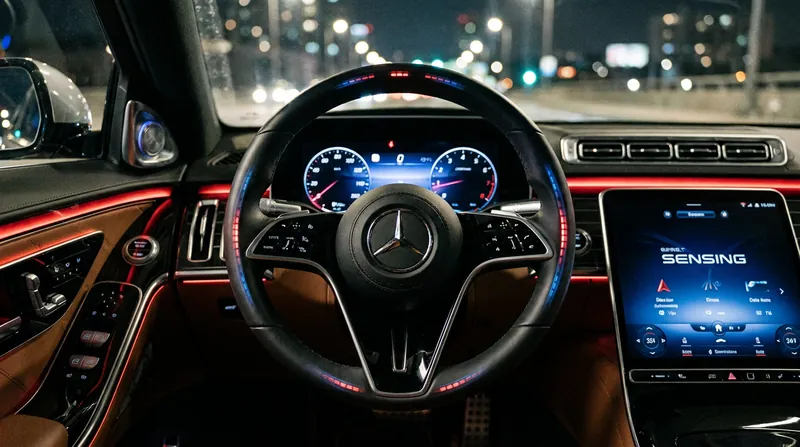
UN Adopts First Global Regulation for Fully Autonomous Driving Systems, Unifying Standards for US, EU, and China
3 sources
Robotaxi Race
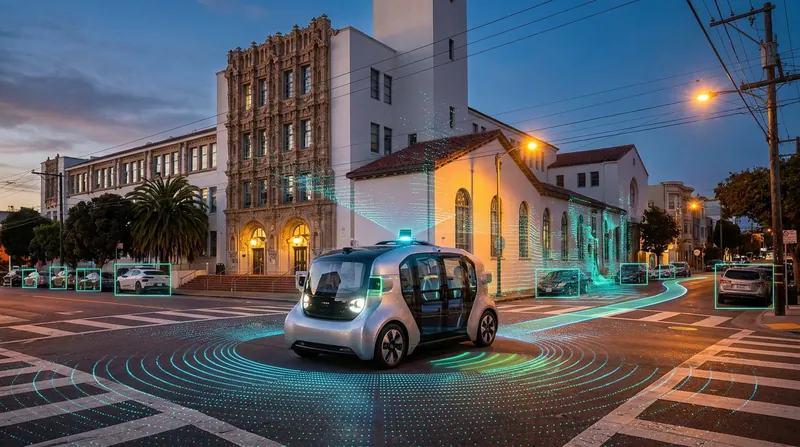
The Global Robotaxi Race Reaches Commercial Scale: How 2026 Became the Year of Driverless Transit
3 sources
Autonomous Freight
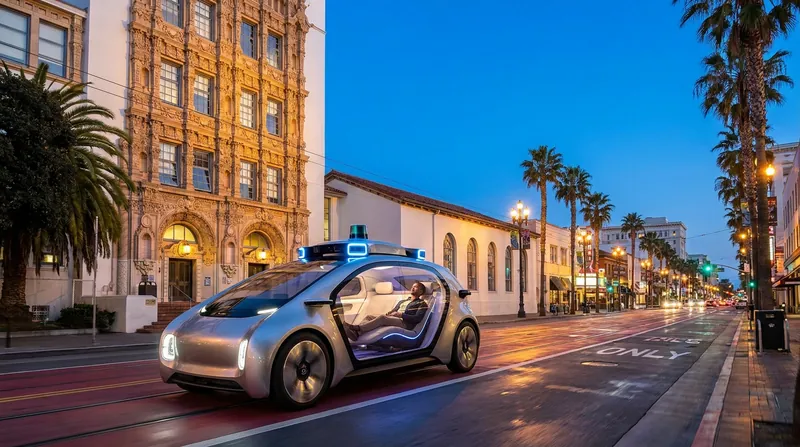
How Autonomous Trucks Are Evolving to Save Lives on U.S. Highways
5 sources
Hydrodynamics
Bulbous Bows Trade Added Wetted Skin Friction for a Wave-Canceling Trough That Cuts Hull Drag by Up to 15 Percent
4 sources

Comments
Every angle. Every day.
Get Technology stories with full source coverage and perspective breakdowns, free every day.