
Why Audi is Paying Drivers $10,000 to Keep Their Leased Electric Vehicles
Audi is offering massive discounts to lessees who buy out their electric vehicles, exposing a structural miscalculation in how automakers projected EV residual values three years ago.
By Dev Anand

Share this story
In a bulletin sent to its United States dealers on September 1, 2026, Audi outlined a highly unusual proposition for drivers nearing the end of their electric vehicle leases: keep the car, and the company will take up to $10,000 off the buyout price.[2]
The "Audi BEV Lessee Buyout Option Incentive" offers a $10,000 discount for the e-tron GT, $5,000 for the Q4 e-tron, and $4,000 for the Q8 e-tron. Dealerships receive a $500 facilitation fee just for processing the paperwork, an aggressive push to keep the vehicles in customer driveways rather than returning them to dealer lots.[1][2][3]
Automakers typically want leased vehicles returned so they can stock their certified pre-owned inventory. Paying a driver five figures to not return a car signals a structural breakdown in how those vehicles were valued three years ago.[1][4]
The mechanism driving this is the residual value—the predicted worth of a vehicle at the end of its lease, written into the contract on day one. Monthly payments are calculated by subtracting this residual from the purchase price and dividing the difference over the lease term.[4][5]
In 2023, when many of these Audi leases were signed, automakers bet that luxury EVs would hold their value similarly to their combustion-engine counterparts. They did not. A combination of rapid technological obsolescence, federal tax credits that artificially lower the price of new models, and aggressive price cuts by market leader Tesla dragged down used EV valuations across the board.[4][5]
The depreciation curve has been brutal. While a typical gas-powered vehicle loses 15 to 20 percent of its value in the first year, electric vehicles routinely shed 25 to 30 percent. This leaves captive finance arms holding contracts where the stated buyout price is thousands of dollars higher than what the car can actually fetch on the open market.[4]
If the lessee simply hands the keys back, the automaker must send the vehicle to a wholesale auction, where they might take a $15,000 to $20,000 loss. Bribing the customer $10,000 to buy the car outright is an act of financial damage control.[1][4]
The scale of the problem is just now hitting the market. According to J.D. Power, returning EV lease volume is projected to jump 230 percent in 2026, reaching roughly 215,000 vehicles. "In some cases, the buyout amount on an existing EV now compares poorly with current market pricing," noted GreenCars in its analysis of the data, pointing out that financing a buyout could sometimes cost more monthly than leasing a brand new model.[5]
S&P Global Mobility data shows that 2023 was the first year US EV registrations topped one million units, and roughly half of those vehicles were leased. Those three-year leases are maturing right now, flooding the market with inventory.[5]
The equity reality varies wildly by brand. "EVs depreciate faster than gas cars—especially in the early years—and that makes lease buyouts a mixed bag," noted lease buyout platform Lease End in its August 2026 market report.[4]
According to Lease End's data, 78.9 percent of Tesla Model Y lessees hold positive equity in their vehicles. Conversely, only 4.2 percent of Hyundai Ioniq 5 lessees hold positive equity, facing an average deficit of $4,394 compared to their contract's residual value.[4]
For the consumer, this dynamic flips the traditional lease-end playbook. A driver holding a contract with an inflated residual value has immense leverage. If the buyout price minus the automaker's new incentive is lower than the cost of a comparable used EV on the open market, purchasing the vehicle becomes a mathematically sound decision.[1][4]
If the math does not work out, the driver can simply walk away, leaving the manufacturer to absorb the depreciation. As hundreds of thousands of EV leases mature over the next 18 months, Audi's aggressive discounting is unlikely to remain an outlier. The luxury EV market is currently functioning as a buyer's market, subsidized by the miscalculations of the manufacturers themselves.[1][4][5]
Key points
- Audi is offering current EV lessees up to $10,000 to buy out their vehicles at the end of their terms.
- The incentives are a response to plunging used EV values, which have fallen far below the residual values written into contracts three years ago.
- Automakers are subsidizing buyouts because paying a customer $10,000 is cheaper than absorbing a larger loss at a wholesale auction.
- Returning EV lease volume is projected to jump 230 percent in 2026, forcing the industry to manage a massive influx of depreciated inventory.
What we don’t know
- It is unclear if other luxury automakers like Mercedes-Benz or BMW will match Audi's $10,000 direct-to-consumer buyout incentives.
- The exact financial impact these subsidized buyouts will have on the quarterly earnings of captive finance arms remains undisclosed.
- Coverage of specific internal dealer communications regarding these incentives is limited to a few automotive outlets.
- Automakers and Captive Lenders
- Focused on mitigating massive wholesale auction losses by subsidizing customer buyouts.
- Lease Market Analysts
- Tracking the structural shift in EV depreciation and advising consumers to leverage their position.
- Used Vehicle Retailers
- Preparing for a massive influx of off-lease EVs that will reshape the secondary market.
Perspectives this story doesn't cover
- Dealership Owners
- Used Car Buyers
Sources
Source coverage
5 outlets
3 viewpoints surfaced





- [1]InsideEVsAutomakers and Captive Lenders
Audi Wants To Sweeten Your EV Lease Buyout Deal With Up to $10,000 Off
Read on InsideEVs → - [2]CarsDirectAutomakers and Captive Lenders
Audi Offering $10,000 EV Lease Buyout Deal
Read on CarsDirect → - [3]AutoblogAutomakers and Captive Lenders
Incentives up to $10,000
Read on Autoblog → - [4]Lease EndLease Market Analysts
EV Lease Buyouts: Should You Buy Out Your EV Lease?
Read on Lease End → - [5]GreenCarsUsed Vehicle Retailers
The used EV market is entering a new phase
Read on GreenCars →
More in Automotive & Transportation
See all →Auto Industry Crisis
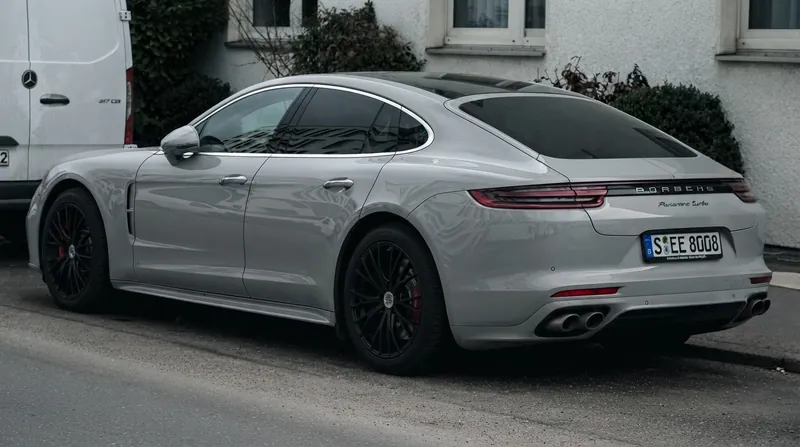
German Auto Workers at BMW, Mercedes, and Porsche Join Volkswagen Protests Against Mass Job Cuts
5 sources

Auto Industry
Volkswagen Takes €6 Billion Writedown on Porsche Stake Amid Sales and Margin Declines
4 sources

Carbon Fiber Tech
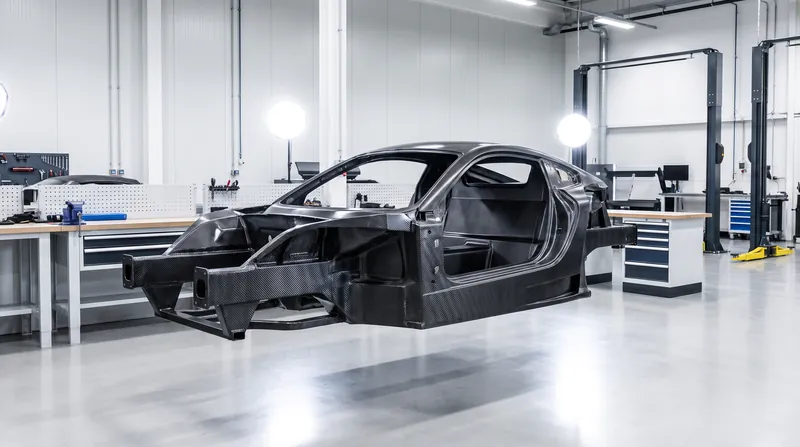
The Anisotropy of Carbon Fiber: How Fiber Orientation Dictates Strength and Stiffness in Different Directions
7 sources
EV Efficiency
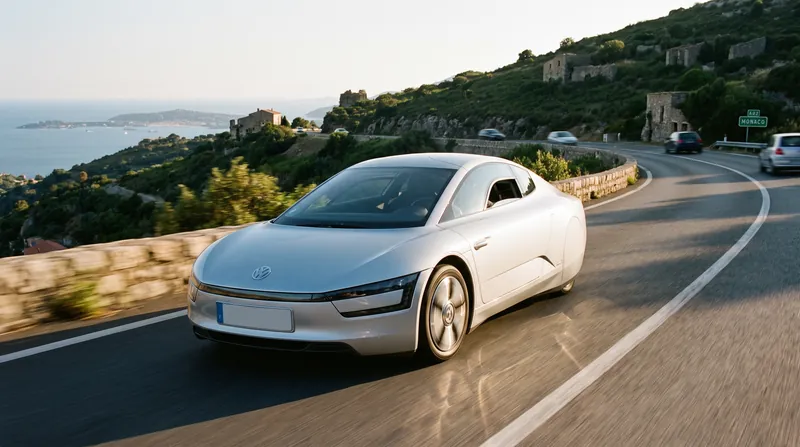
Volkswagen's Mission Efficiency Uses Aerodynamics to Reach 9.59 Miles Per Kilowatt-Hour
3 sources
Comments
Every angle. Every day.
Get Automotive & Transportation stories with full source coverage and perspective breakdowns, free every day.