
US-Iran Peace Talks in Switzerland Postponed Amid Renewed Strikes in Lebanon
Initial negotiations between the U.S. and Iran have been abruptly delayed just days after President Trump and Iranian leaders signed a preliminary agreement to end hostilities. The postponement follows renewed Israeli airstrikes against Hezbollah in Lebanon, complicating the fragile 60-day window to secure a permanent nuclear deal.
By Factlen Editorial Team
- U.S. Administration
- Focuses on the economic wins of reopening the Strait of Hormuz and views the delay as a temporary logistical issue.
- Iranian Leadership
- Demands a complete halt to regional hostilities, particularly in Lebanon, before engaging in technical nuclear negotiations.
- Israeli Security Establishment
- Rejects the terms of the U.S.-Iran deal and insists on continuing military operations against Hezbollah to secure its borders.
- Global Markets & Mediators
- Prioritizes the immediate resumption of oil traffic and the stabilization of the global economy over the specific political grievances of the warring parties.
What's not represented
- · Lebanese Civilians
- · European Energy Importers
Why this matters
The sudden delay threatens to unravel a historic ceasefire that just reopened the Strait of Hormuz and stabilized global energy markets. If the talks collapse completely, the Middle East risks plunging back into a full-scale regional war that could send oil prices skyrocketing and draw the U.S. back into direct military conflict.
Key points
- The first round of U.S.-Iran technical talks scheduled for Friday in Switzerland has been postponed.
- The White House cited logistical issues for canceling Vice President JD Vance's trip.
- Iranian officials delayed their delegation's travel amid renewed Israeli airstrikes in Lebanon.
- The delay comes days after the U.S. and Iran signed a preliminary agreement to end hostilities.
- The initial deal successfully reopened the Strait of Hormuz, causing global oil prices to tumble.
- Negotiators now face a fragile 60-day window to secure a permanent agreement on Iran's nuclear program.
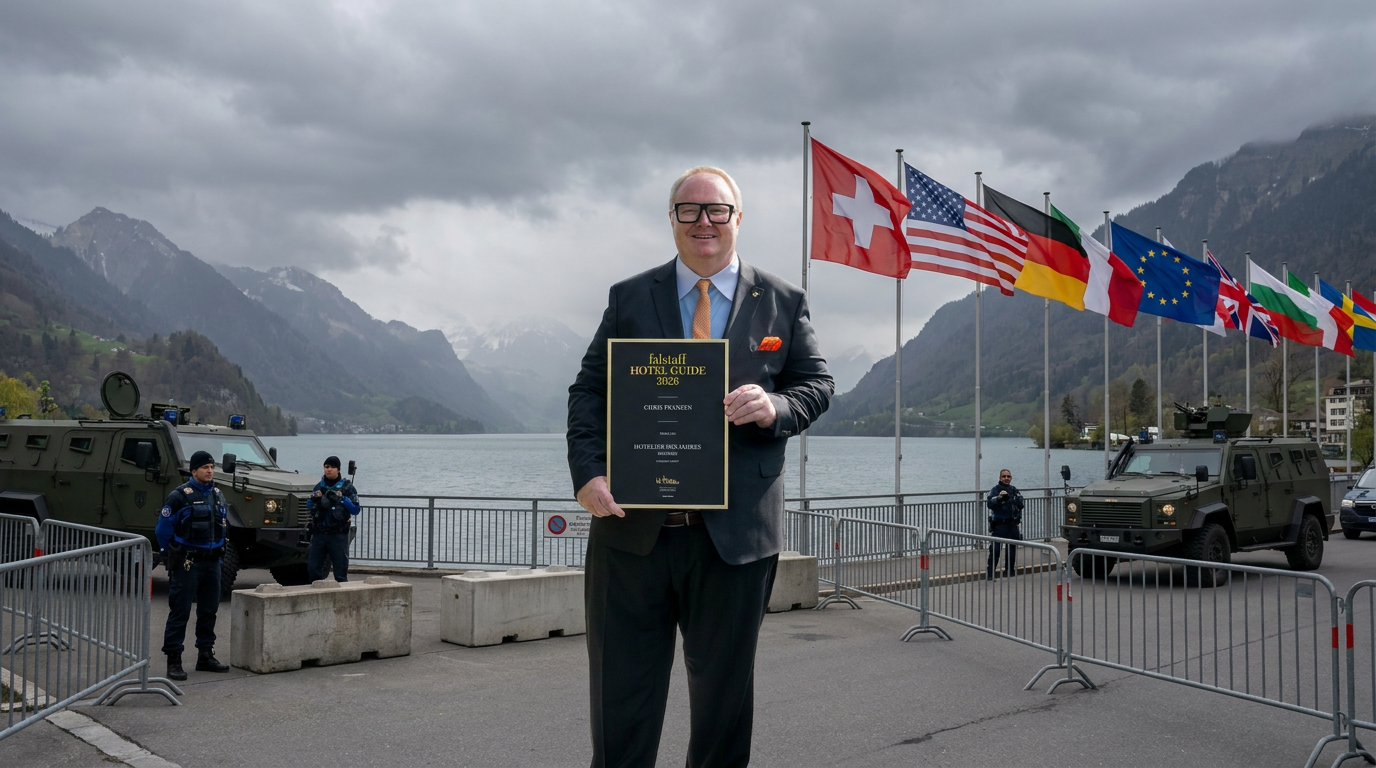
The highly anticipated first round of technical talks between the United States and Iran in Switzerland has been abruptly postponed, casting immediate doubt on the durability of a newly signed preliminary peace agreement. The talks, scheduled to begin Friday at the Bürgenstock resort in Obbürgen, were intended to implement the 'Islamabad Memorandum of Understanding' signed earlier this week by U.S. President Donald Trump and Iranian President Masoud Pezeshkian. The sudden delay underscores the immense fragility of the ceasefire, which was designed to end a devastating months-long conflict but now faces severe headwinds from ongoing regional violence and deep-seated mistrust between the negotiating parties.[1][4]
The sudden cancellation unfolded late Thursday night when the White House announced that Vice President JD Vance, who is leading the U.S. delegation, would not be traveling to Switzerland as originally planned. A White House spokesperson cited unresolved logistical issues, stating that the 'logistics of these negotiations have never been simple or predictable.' Despite the abrupt change in schedule, the administration affirmed that the United States remains ready to begin technical talks as soon as possible and that the delegation is prepared to depart at the first available opportunity once the groundwork is secured.[3][8]
Shortly after the White House announcement, the Swiss Foreign Ministry formally confirmed the delay, officially removing the Friday meetings from the diplomatic calendar. 'The planned talks between the US, Iran, Qatar and Pakistan have been postponed,' the ministry said in a statement released early Friday morning. The Swiss government emphasized that it remains ready to facilitate the negotiations and that preparatory work at the Alpine resort is continuing, though they declined to provide a new date for when the delegations might actually arrive at the negotiating table.[2][7]

While U.S. officials pointed publicly to logistical hurdles, regional dynamics appear to be the primary driver of the diplomatic delay. The postponement coincides with a sudden surge in violence in Lebanon, where Israel—which is notably not a party to the U.S.-Iran agreement—launched a wave of retaliatory airstrikes in the country's south and the Bekaa Valley. The intense bombardment followed an attack by the Iran-backed militant group Hezbollah that killed four Israeli soldiers, threatening to unravel the broader regional de-escalation that the memorandum of understanding was intended to foster.[3][5]
Iranian media and government officials quickly signaled that Tehran was unwilling to proceed with the Swiss talks while the Israeli strikes in Lebanon continued. The preliminary U.S.-Iran deal explicitly mandates a ceasefire in Lebanon, but Israel has distanced itself from the pact and vowed to maintain a military buffer zone in the country's south. Israeli officials have accused Hezbollah of violating the truce first, creating a volatile standoff where Iran is demanding that the United States rein in its closest Middle Eastern ally before any technical negotiations regarding nuclear enrichment can commence.[3][5]
Iranian media and government officials quickly signaled that Tehran was unwilling to proceed with the Swiss talks while the Israeli strikes in Lebanon continued.
The diplomatic stall comes just days after a historic breakthrough that temporarily halted a devastating war that began in late February. On Wednesday, President Trump and President Pezeshkian electronically signed a 14-point memorandum of understanding brokered by Pakistan and Qatar. The landmark deal immediately authorized the reopening of the Strait of Hormuz—a critical artery for global energy supplies—and mandated the lifting of the U.S. naval blockade on Iranian ports, effectively ending the immediate military confrontation between Washington and Tehran.[6][7]

The economic impact of the initial signing was immediate and profound. Oil prices tumbled globally as the threat to the Strait of Hormuz evaporated, and financial markets rallied, prompting President Trump to take to social media to declare the deal a massive, unprecedented success. 'These fools, who think I haven't been tough enough on Iran, when the Stock Market Just Hit A RECORD HIGH, and Oil prices are tumbling down, are either jealous, bad people, or stupid,' Trump posted on Thursday, framing the agreement as a total vindication of his administration's strategy.[4]
Despite the market optimism and the resumption of commercial shipping traffic, the core geopolitical issues remain entirely unresolved. The memorandum merely opened a fragile 60-day window for the two nations to negotiate a permanent settlement regarding Iran's advancing nuclear program and the unfreezing of Iranian assets, which reportedly includes a proposed $300 billion reconstruction fund. If the two sides cannot reach a comprehensive agreement within this tight timeframe, the region risks plunging back into the full-scale conflict that the memorandum temporarily paused.[5][6]

The political situation in Tehran also remains highly precarious, complicating the path forward for Iranian negotiators. Iran's new Supreme Leader, Ayatollah Mojtaba Khamenei—who assumed power after his father, Ali Khamenei, was killed in a U.S. airstrike on the first day of the war in February—issued a written statement approving the accord but noting he held a 'different view' on the deal. Khamenei warned that Iran would not accept excessive American demands, signaling to domestic hardliners that the regime is not capitulating to Washington.[3][8]
For now, the immediate crisis centers on whether the fragile ceasefire can hold long enough to actually get the respective negotiators into the same room. With Vice President Vance remaining in Washington and the Iranian delegation holding back in Tehran, European diplomats and mediators from Qatar and Pakistan are scrambling to salvage the timeline. The coming days will determine whether the delay in Switzerland is a minor logistical hiccup or the first fatal crack in an ambitious agreement meant to reshape the Middle East.[5][7]
How we got here
Feb 28, 2026
War begins; a U.S. airstrike kills Iranian Supreme Leader Ali Khamenei.
Jun 14, 2026
President Trump announces a preliminary agreement to end the war and reopen the Strait of Hormuz.
Jun 17, 2026
Trump and Iranian President Masoud Pezeshkian electronically sign the Islamabad Memorandum of Understanding.
Jun 18, 2026
The U.S. lifts its naval blockade, and commercial vessels begin transiting the Strait of Hormuz.
Jun 19, 2026
First round of technical talks in Switzerland are postponed amid renewed fighting in Lebanon.
Viewpoints in depth
The U.S. Administration's View
The Trump administration frames the preliminary deal as a massive economic and diplomatic victory.
President Trump and his allies argue that the agreement has already achieved its primary goal: reopening the Strait of Hormuz and stabilizing global energy markets. They view the delay in Switzerland as a minor logistical hurdle rather than a fatal blow, pointing to tumbling oil prices and record stock market highs as proof that their maximum-pressure-turned-diplomacy strategy is working.
Iran's View
Tehran insists that the U.S. must control its allies and prove its commitment to the ceasefire before broader talks proceed.
Iranian officials and state media emphasize that the memorandum of understanding is contingent on a comprehensive cessation of hostilities, including in Lebanon. Supreme Leader Mojtaba Khamenei has expressed deep reservations about American reliability, and Tehran is using the delay to signal that it will not negotiate under the shadow of continued Israeli military operations against its regional allies.
Israel's View
Israel views the U.S.-Iran agreement as a dangerous concession that leaves its northern border unsecured and Iran's nuclear program intact.
Israeli leadership has explicitly distanced itself from the U.S.-brokered deal. They argue that the agreement provides Iran with massive financial relief without dismantling its nuclear infrastructure. Consequently, Israel maintains it is not bound by the ceasefire in Lebanon and will continue military operations to secure its border against Hezbollah, regardless of how it impacts the talks in Switzerland.
What we don't know
- When the postponed technical talks in Switzerland will actually be rescheduled.
- Whether Israel will agree to halt its military operations in Lebanon to facilitate the U.S.-Iran negotiations.
- The exact details of the 14-point memorandum of understanding beyond the reopening of the Strait of Hormuz.
Key terms
- Islamabad Memorandum of Understanding
- A 14-point preliminary agreement brokered by Pakistan and Qatar to end the 2026 U.S.-Iran war and open a 60-day window for nuclear negotiations.
- Strait of Hormuz
- A highly strategic waterway between the Persian Gulf and the Gulf of Oman, through which a significant portion of the world's oil supply passes.
- Bürgenstock Resort
- An Alpine resort in Obbürgen, Switzerland, frequently used as a secure, neutral venue for high-level international peace conferences.
Frequently asked
Why were the talks in Switzerland canceled?
The White House cited logistical issues, but reports indicate Iran delayed sending its delegation in protest of renewed Israeli airstrikes against Hezbollah in Lebanon.
What is in the preliminary U.S.-Iran agreement?
The 14-point memorandum immediately reopens the Strait of Hormuz, lifts the U.S. naval blockade on Iran, and establishes a 60-day window to negotiate a permanent deal regarding Iran's nuclear program.
Is Israel part of the peace deal?
No. Israel was not included in the negotiations, has distanced itself from the agreement, and continues its military operations in Lebanon, arguing the deal does not adequately address Iran's nuclear threat.
Sources
Source coverage
8 outlets
4 viewpoints surfaced








[1]NPRGlobal Markets & Mediators
US-Iran talks in Switzerland canceled
Read on NPR →[2]Fox NewsU.S. Administration
Switzerland confirms talks with the US and Iran are postponed and more top headlines
Read on Fox News →[3]The GuardianIranian Leadership
US-Iran talks abruptly called off after Israel and Hezbollah trade deadly attacks
Read on The Guardian →[4]CBS NewsU.S. Administration
Switzerland says U.S.-Iran talks postponed
Read on CBS News →[5]Times of IsraelIsraeli Security Establishment
First round of US-Iran talks in Switzerland called off, clouding prospects for lasting truce
Read on Times of Israel →[6]PBSGlobal Markets & Mediators
The United States and Iran have reached an agreement to end the war and open the Strait of Hormuz
Read on PBS →[7]EuractivIranian Leadership
Switzerland says US-Iran talks postponed
Read on Euractiv →[8]SBSGlobal Markets & Mediators
US-Iran talks in Switzerland postponed hours after Vance trip cancelled
Read on SBS →

Every angle. Every day.
Get news politics stories with full source coverage and perspective breakdowns delivered to your inbox.