
US and Iran Sign Memorandum to Halt Hostilities and Reopen Strait of Hormuz
The United States and Iran have electronically signed a memorandum of understanding to end direct military engagements and reopen the critical Strait of Hormuz to global shipping.
By Factlen Editorial Team
- US Administration
- Views the agreement as a victory for deterrence that secures economic stability without requiring a prolonged military commitment.
- Iranian Leadership
- Frames the MoU as a successful defense of sovereignty that forces the US to lift sanctions and acknowledge Iran's regional influence.
- Global Energy Markets
- Focuses primarily on the immediate relief of supply bottlenecks and the stabilization of crude oil prices.
What's not represented
- · Lebanese Civilians
- · Israeli Defense Establishment
- · International Shipping Conglomerates
Why this matters
The reopening of the Strait of Hormuz—through which roughly 20% of the world's oil flows—is expected to immediately lower global energy prices and ease inflation. Furthermore, the ceasefire averts the immediate threat of a broader regional war involving the US and its allies.
Key points
- The US and Iran electronically signed an MoU to halt hostilities and reopen the Strait of Hormuz.
- The agreement includes a framework to end the ongoing war in Lebanon.
- Global oil prices plummeted immediately following the announcement of the ceasefire.
- The MoU is a preliminary framework, leaving long-term disputes over nuclear enrichment unresolved.
- Diplomatic teams will meet next week to establish binding operational protocols.
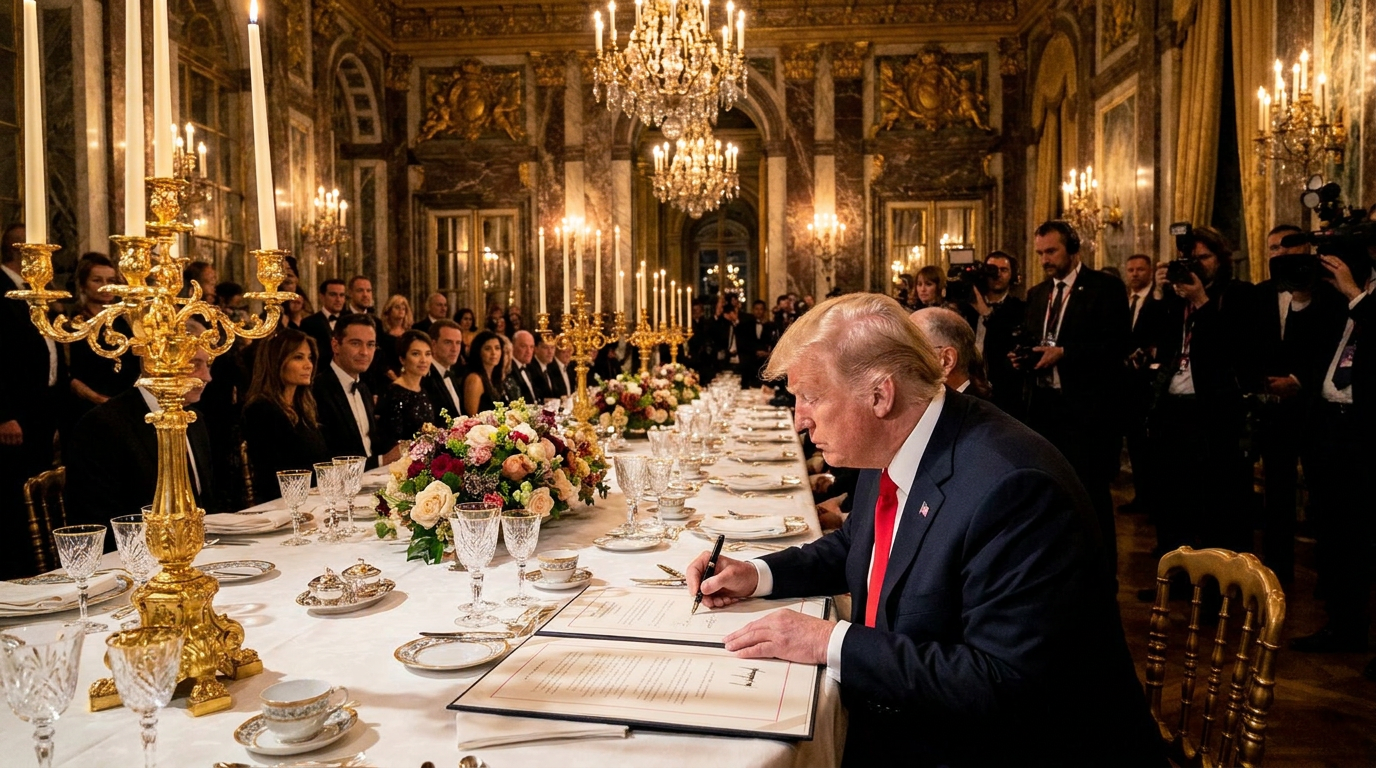
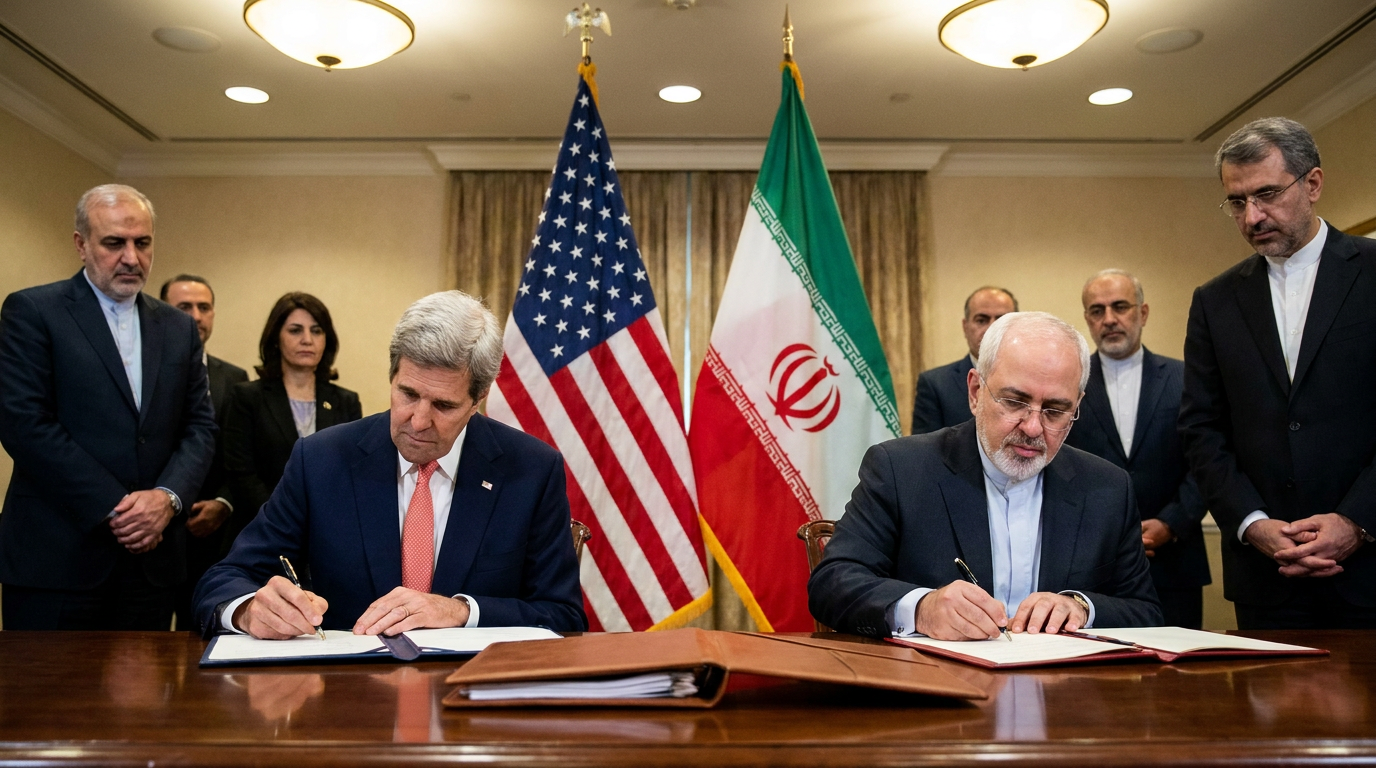
The United States and Iran have officially signed a memorandum of understanding to halt military hostilities and immediately reopen the Strait of Hormuz, ending a tense, months-long standoff that had effectively choked global energy supplies. The breakthrough agreement was signed electronically by representatives for US President Donald Trump and Iranian President Masoud Pezeshkian, marking a sudden and dramatic diplomatic pivot after weeks of escalating regional conflict. The sudden resolution caught many international observers by surprise, as rhetoric from both Washington and Tehran had pointed toward a prolonged military engagement in the Persian Gulf. By formalizing this electronic MoU, both nations have signaled a mutual desire to step back from the brink of a wider war that threatened to destabilize the entire Middle East.[1][2]
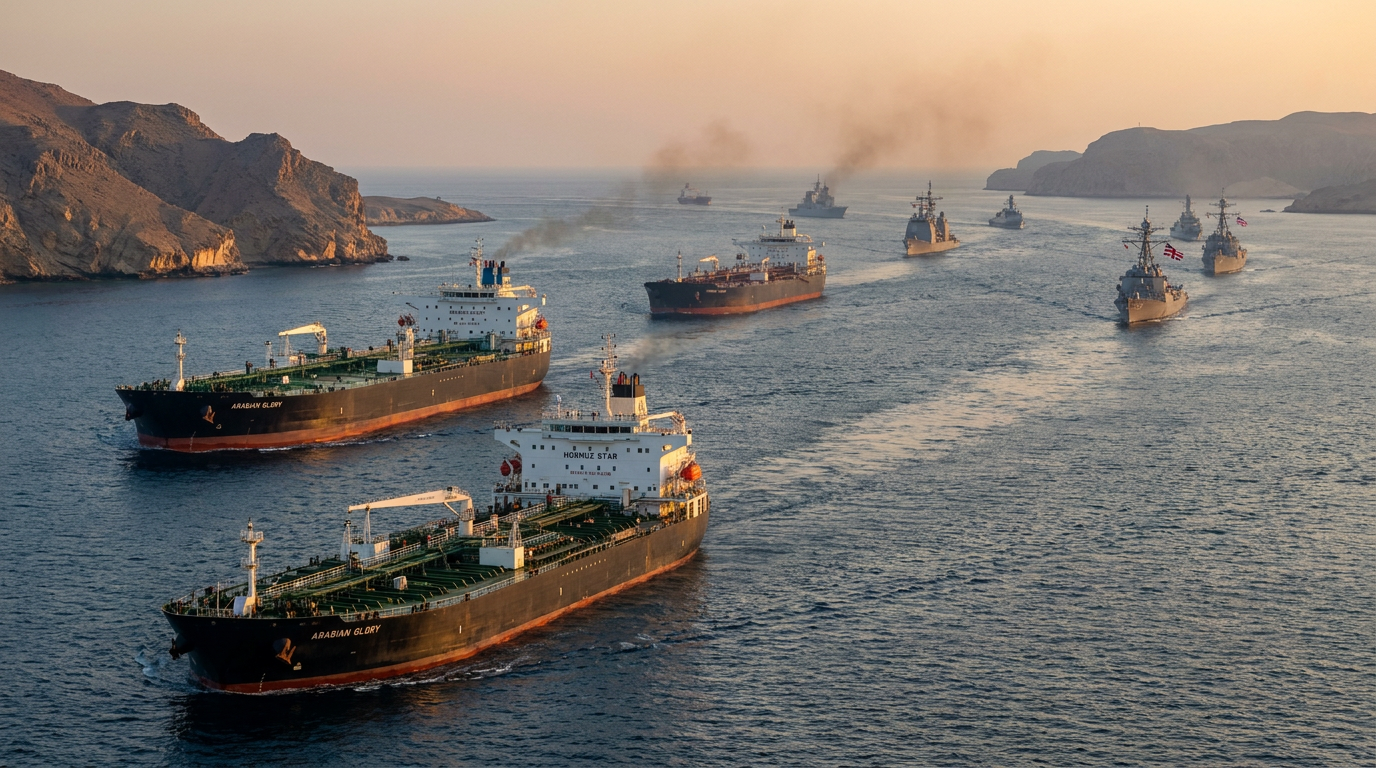
According to Iranian Foreign Ministry spokesperson Esmaeil Baghaei, the finalized document mandates an immediate and verifiable cessation of direct military engagements between US and Iranian forces across all theaters of operation. Crucially, the text includes strict provisions for the safe passage of commercial vessels through the Strait of Hormuz, a vital maritime chokepoint that Tehran had previously restricted during the height of the hostilities. The agreement outlines a phased withdrawal of offensive naval assets from the immediate vicinity of the shipping lanes, allowing international oil tankers to resume their routes without the imminent threat of seizure or collateral damage. This maritime de-escalation is viewed as the cornerstone of the MoU, directly addressing the primary catalyst for the recent spike in global economic anxiety.[2][8]
The White House immediately framed the agreement as a decisive victory for American deterrence and diplomatic leverage, emphasizing that the deal was struck from a position of strength. The Trump administration stated that the MoU secures vital American economic interests by stabilizing global shipping routes, all while preventing a prolonged Middle Eastern quagmire that could draw in further US military assets and personnel. Administration officials highlighted that the rapid resolution demonstrates the effectiveness of their maximum-pressure military posture, which they argue forced Tehran to the negotiating table. By securing the reopening of the strait without committing to a massive ground presence, the US aims to pivot its strategic focus back to broader geopolitical competition while maintaining a stabilizing overwatch in the Gulf.[6][7]

The diplomatic breakthrough extends significantly beyond the waters of the Persian Gulf, encompassing broader regional conflicts that have fueled the recent crisis. Both sides confirmed that the MoU includes a comprehensive framework to end the ongoing war in Lebanon, where Iranian-backed Hezbollah forces have been engaged in heavy and destructive fighting. This linkage suggests a grand-bargain approach to cooling multiple flashpoints simultaneously, addressing the interconnected nature of Middle Eastern proxy conflicts. The inclusion of Lebanon in the bilateral US-Iran agreement follows recent comments by President Trump, who publicly urged Israeli Prime Minister Benjamin Netanyahu to use a "softer touch" in the Levantine nation to facilitate this exact type of regional de-escalation.[1][3]
The diplomatic breakthrough extends significantly beyond the waters of the Persian Gulf, encompassing broader regional conflicts that have fueled the recent crisis.
In Tehran, the Pezeshkian administration presented the MoU to its domestic audience as a successful defense of Iranian sovereignty that forces the United States to formally acknowledge Iran's sphere of regional influence. State media heavily emphasized that the agreement halts American airstrikes on critical Iranian infrastructure and paves the way for the lifting of specific maritime and financial sanctions that had severely crippled the nation's export economy. Iranian officials framed the reopening of the Strait of Hormuz not as a concession, but as a sovereign decision made possible only after securing guarantees against foreign aggression. This narrative allows the Iranian leadership to claim a strategic victory, maintaining domestic support while securing the economic relief necessary to stabilize their domestic markets.[8]
Global financial markets reacted violently and immediately to the news of the signing, with Brent crude prices plummeting as commodities traders rapidly priced in the return of unimpeded shipping through the Persian Gulf. Prior to the agreement, the effective closure of the Strait of Hormuz—which handles roughly a fifth of total global oil consumption—had driven energy prices to multi-year highs, threatening to trigger a severe global recession and widespread inflation. Equities markets in Europe and Asia rallied on the news, as the prospect of stabilized energy costs provided immediate relief to manufacturing and transportation sectors that had been bracing for prolonged supply shocks.[5][7]

Despite the overwhelming market optimism, defense analysts and seasoned regional observers remain highly cautious about the long-term viability of the arrangement. The MoU is explicitly a preliminary framework designed to halt immediate violence, rather than a comprehensive peace treaty, leaving entirely unresolved the underlying disputes over Iran's ballistic missile program and its nuclear enrichment capabilities. Interestingly, President Trump recently noted it was "unfair" for Iran to lack ballistic missiles if other regional rivals possess them, hinting at a highly unconventional potential shift in US non-proliferation strategy that has left traditional allies seeking clarification. Until these core strategic issues are addressed in formal treaties, analysts warn that the current peace remains fragile.[4][7]
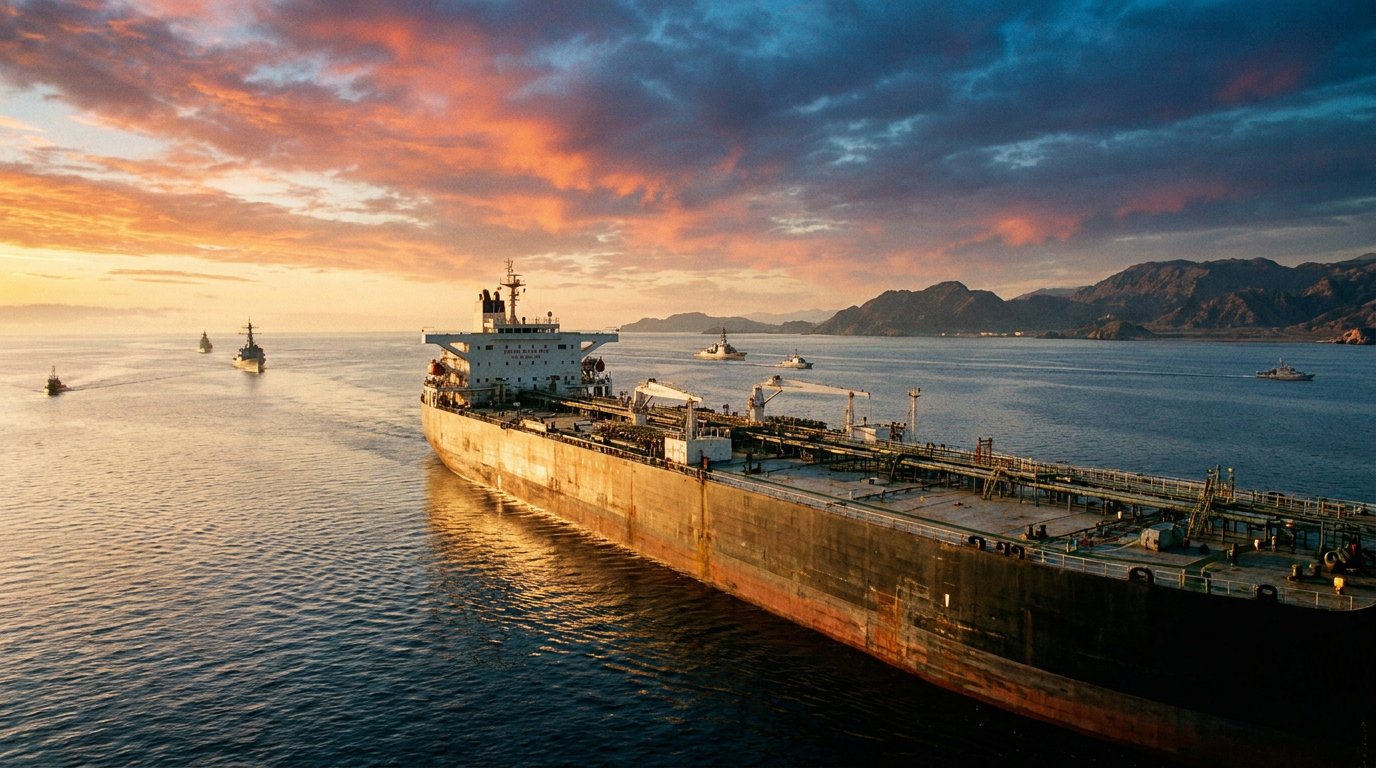
The immediate focus for both militaries now shifts to the complex logistics of implementation and de-confliction. US Naval Forces Central Command and the Islamic Revolutionary Guard Corps Navy (IRGCN) will need to rapidly establish emergency communication channels to manage the safe resumption of massive commercial traffic in a highly congested waterway. International shipping conglomerates and maritime insurance firms are currently awaiting formal, verifiable security guarantees before routing their largest supertankers back into the strait. The coming days will require unprecedented coordination between adversarial forces to ensure that a misunderstanding or rogue action does not inadvertently shatter the newly signed ceasefire.[5][7]
Diplomatic teams from Washington and Tehran are expected to convene in a neutral third country next week to begin the arduous process of translating the electronic MoU into binding, operational protocols. These working groups will be tasked with defining the exact parameters of the maritime corridors, the timeline for sanctions relief, and the verification mechanisms required by both sides. Until those operational mechanisms are fully tested and verified by independent maritime observers, the global economy remains highly sensitive to any miscalculations in the narrow waters of the Gulf, making the next few weeks critical for the durability of the agreement.[1][7]
How we got here
Early 2026
Military hostilities escalate in the Persian Gulf, leading to the effective closure of the Strait of Hormuz to commercial shipping.
June 17, 2026
President Trump publicly urges Israeli Prime Minister Benjamin Netanyahu to use a 'softer touch' in Lebanon, signaling a pivot toward regional de-escalation.
June 18, 2026
Representatives for the US and Iran electronically sign a memorandum of understanding to halt fighting and reopen the strait.
Viewpoints in depth
US Administration
Focuses on securing economic interests and avoiding a prolonged Middle Eastern war.
The White House views the agreement as a validation of its maximum-pressure military posture, arguing that a strong show of force compelled Tehran to negotiate. By securing the reopening of the Strait of Hormuz without committing to a massive, long-term ground presence, the administration believes it has protected vital American economic interests while retaining the flexibility to focus on broader geopolitical competition. Officials emphasize that the deal was struck from a position of strength, achieving immediate stabilization without conceding core strategic leverage.
Iranian Leadership
Focuses on sovereignty, sanctions relief, and regional recognition.
For the Pezeshkian administration, the MoU is framed as a triumph of national resistance that forced the United States to acknowledge Iran's undeniable influence over the Persian Gulf. By securing a halt to American airstrikes and paving the way for targeted sanctions relief, Tehran aims to stabilize its domestic economy while maintaining its strategic posture. Iranian state media portrays the reopening of the strait not as a surrender to Western demands, but as a sovereign concession granted only after Iran's security guarantees were formally met.
Global Energy Markets
Focuses on the immediate relief of supply bottlenecks and price stabilization.
Commodities traders and financial analysts are primarily concerned with the unimpeded flow of the 20% of global oil supply that transits the Strait of Hormuz. The market's immediate, violent reaction—characterized by plummeting crude prices—reflects profound relief that a worst-case scenario of prolonged supply destruction has been averted. However, market observers remain cautious, noting that until physical tankers safely transit the waterway under the new protocols, the risk premium on Middle Eastern energy exports will not fully evaporate.
What we don't know
- The specific timeline for the phased withdrawal of naval assets from the shipping lanes.
- How the framework to end the war in Lebanon will be enforced on the ground by proxy forces.
- Whether this preliminary MoU will lead to a comprehensive treaty addressing Iran's nuclear program.
Key terms
- MoU (Memorandum of Understanding)
- A formal agreement between two or more parties that outlines a framework for cooperation, often serving as a preliminary step before a comprehensive treaty.
- Brent Crude
- A major trading classification of sweet light crude oil that serves as a primary benchmark price for global oil purchases.
- De-confliction
- The process of establishing communication channels and protocols between opposing military forces to prevent accidental clashes or misunderstandings.
Frequently asked
What is the Strait of Hormuz?
It is a narrow, strategically vital waterway between the Persian Gulf and the Gulf of Oman through which roughly 20% of the world's oil supply passes.
Does this agreement end all US-Iran tensions?
No. The MoU is a preliminary framework focused on halting immediate military hostilities and reopening shipping lanes, leaving broader issues like nuclear enrichment unresolved.
How will this affect global gas prices?
The reopening of the strait is expected to significantly lower global crude oil prices by removing the threat of supply disruptions, which should eventually reduce prices at the pump.
Sources
Source coverage
8 outlets
3 viewpoints surfaced





[1]Al JazeeraIranian Leadership
Iran war live: Trump, Pezeshkian sign MoU to end fighting, reopen Hormuz
Read on Al Jazeera →Diplomat confirms that US and Iran have signed MoU electronically
Read on Al Jazeera →Trump to Netanyahu: Use a ‘softer’ touch on Lebanon
Read on Al Jazeera →Trump says it’s ‘unfair’ for Iran to lack ballistic missiles
Read on Al Jazeera →[5]ReutersGlobal Energy Markets
Oil prices plunge as US and Iran sign memorandum to reopen Strait of Hormuz
Read on Reuters →[6]Fox NewsUS Administration
Trump announces historic peace agreement with Iran, securing Strait of Hormuz
Read on Fox News →[7]The New York TimesUS Administration
U.S. and Iran Reach Tentative Truce, Easing Middle East Tensions
Read on The New York Times →[8]Tehran TimesIranian Leadership
Pezeshkian administration secures ceasefire, emphasizes Iranian sovereignty over territorial waters
Read on Tehran Times →
Every angle. Every day.
Get news politics stories with full source coverage and perspective breakdowns delivered to your inbox.