
The Science of the 'Ileal Brake': How Dietary Fiber Naturally Triggers Your Body's GLP-1
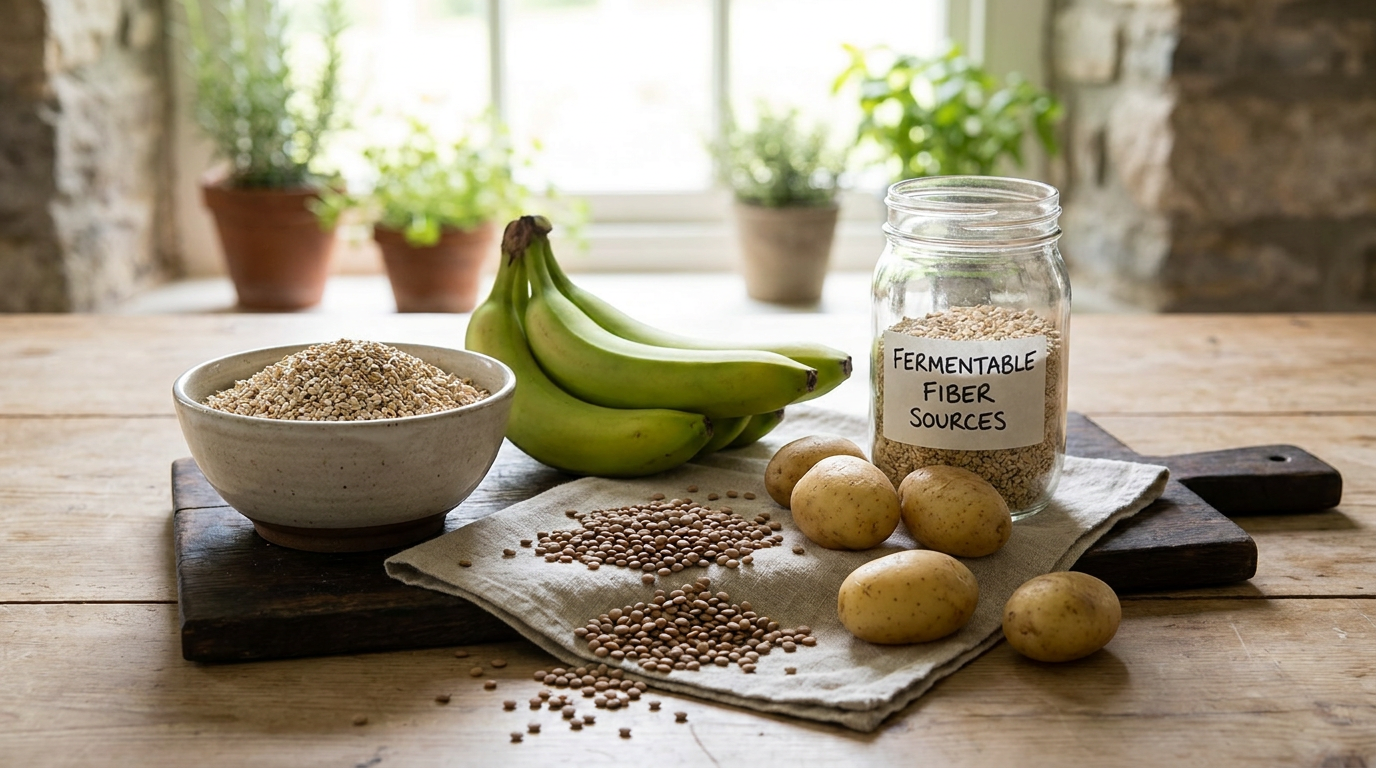
While pharmaceutical GLP-1 agonists have revolutionized weight management, emerging research highlights how fermentable dietary fibers and gut bacteria work together to stimulate the body's own natural production of the satiety hormone.
By Factlen Editorial Team
- Metabolic Researchers
- Scientists studying the biochemical pathways that govern human energy balance and endocrine signaling.
- Clinical Dietitians
- Healthcare professionals translating metabolic science into actionable, food-first patient interventions.
- Microbiome Scientists
- Researchers investigating the symbiotic relationship between human biology and the trillions of bacteria in the gut.
What's not represented
- · Pharmaceutical developers focusing on synthetic GLP-1 longevity
Why this matters
Understanding how to naturally stimulate GLP-1 empowers you to manage your appetite and blood sugar through everyday food choices. By feeding your gut microbiome the right fibers, you can activate your body's built-in satiety signals without relying solely on medications.

More in health
See all 109 stories →Lupus Treatment
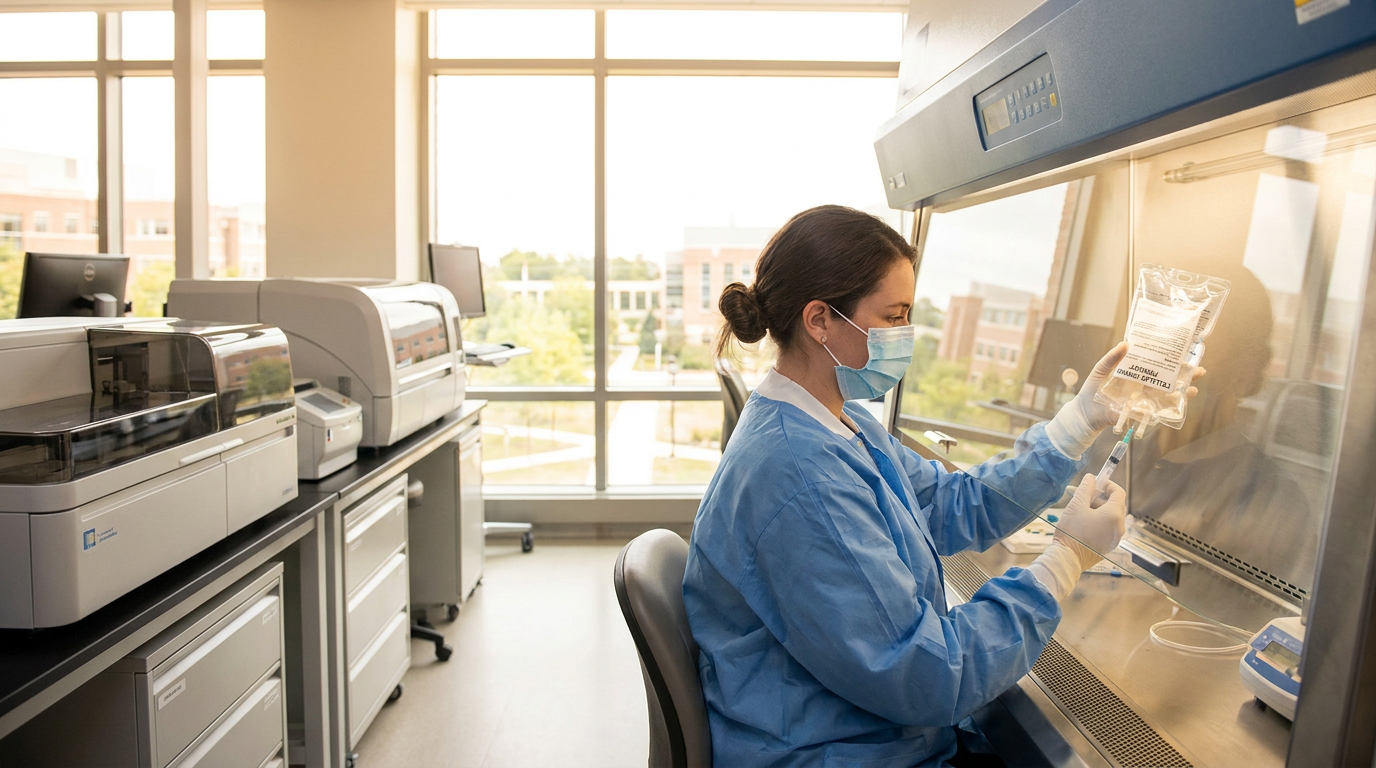
A Cancer Therapy is 'Resetting' the Immune System to Send Severe Lupus into Remission
9 sources
Longevity Science
Rapamycin and Longevity: What the Latest Human Trials Actually Show
8 sources
Depression Treatment
Massive Data Reviews Confirm Exercise Matches Medication and Therapy for Depression
7 sources

Autoimmune Breakthrough
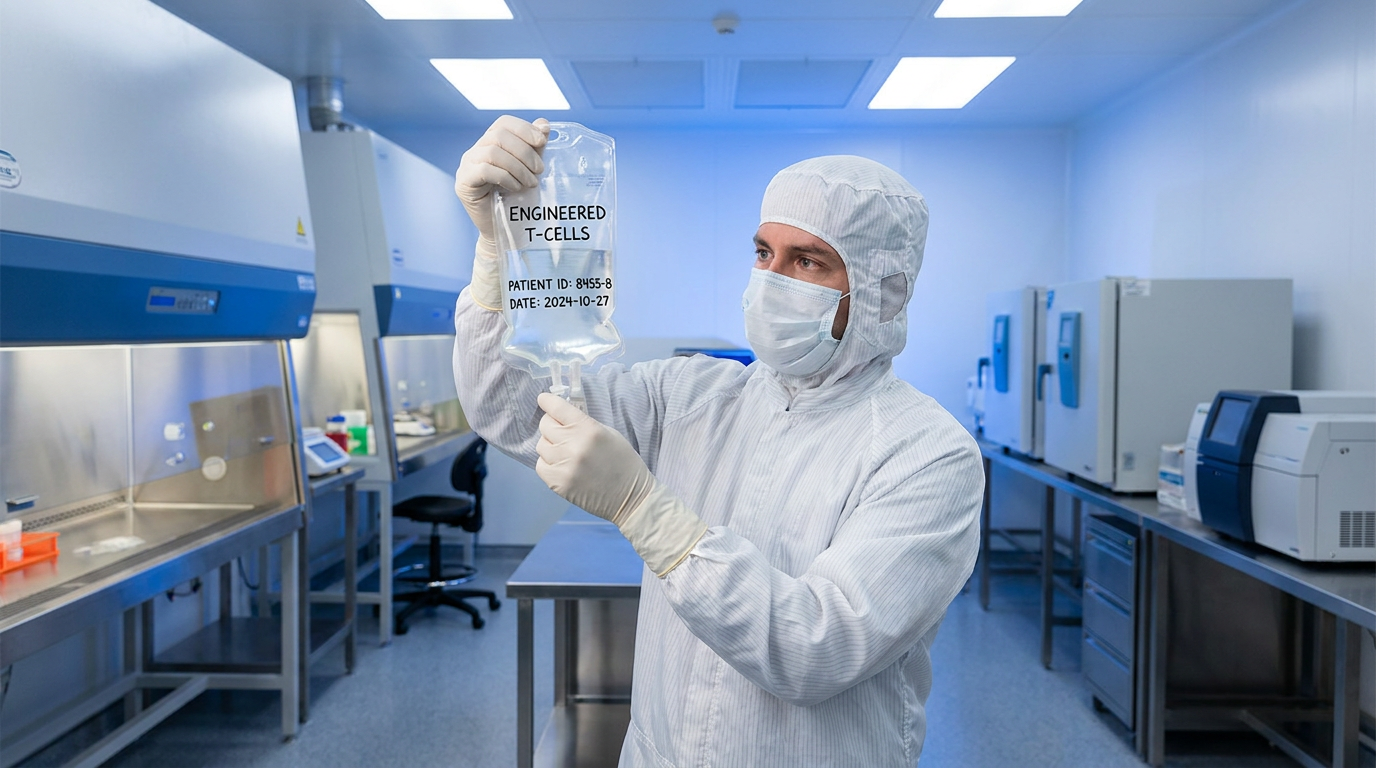
How an 'Immune Reset' Therapy is Putting Severe Lupus into Remission
6 sources
Every angle. Every day.
Get health stories with full source coverage and perspective breakdowns delivered to your inbox.