
The Rise of 'Exercise Mimetics': How New Longevity Drugs Replicate the Biology of a Workout
A new class of therapeutics known as exercise mimetics aims to trigger the metabolic benefits of physical exertion without the sweat. By targeting cellular energy sensors, these compounds could revolutionize the treatment of obesity, muscle wasting, and age-related metabolic decline.
By Factlen Editorial Team
- Longevity Innovators
- Focus on reprogramming cellular metabolism to extend human healthspan.
- Clinical Researchers
- Prioritize the biochemical mechanisms and therapeutic applications for metabolic diseases.
- Editorial Synthesis
- Weighs the profound medical potential against the physiological limitations of replacing actual movement.
What's not represented
- · Physical Therapists
- · Health Insurance Providers
Why this matters
For millions of elderly, disabled, or severely obese individuals unable to perform rigorous physical activity, exercise mimetics could provide a vital biochemical lifeline. Furthermore, these drugs offer a 'muscle-sparing' alternative to current weight-loss injections, fundamentally changing how we treat metabolic decline.
Key points
- Exercise mimetics are drugs designed to trigger the metabolic benefits of physical exertion without actual movement.
- These compounds activate AMPK, the body's master energy sensor, shifting cells from fat storage to energy expenditure.
- Unlike GLP-1 weight-loss drugs, mimetics pull energy exclusively from fat, preserving vital lean muscle mass.
- While highly promising for treating obesity and aging, mimetics cannot replace the bone-building mechanical stress of real exercise.
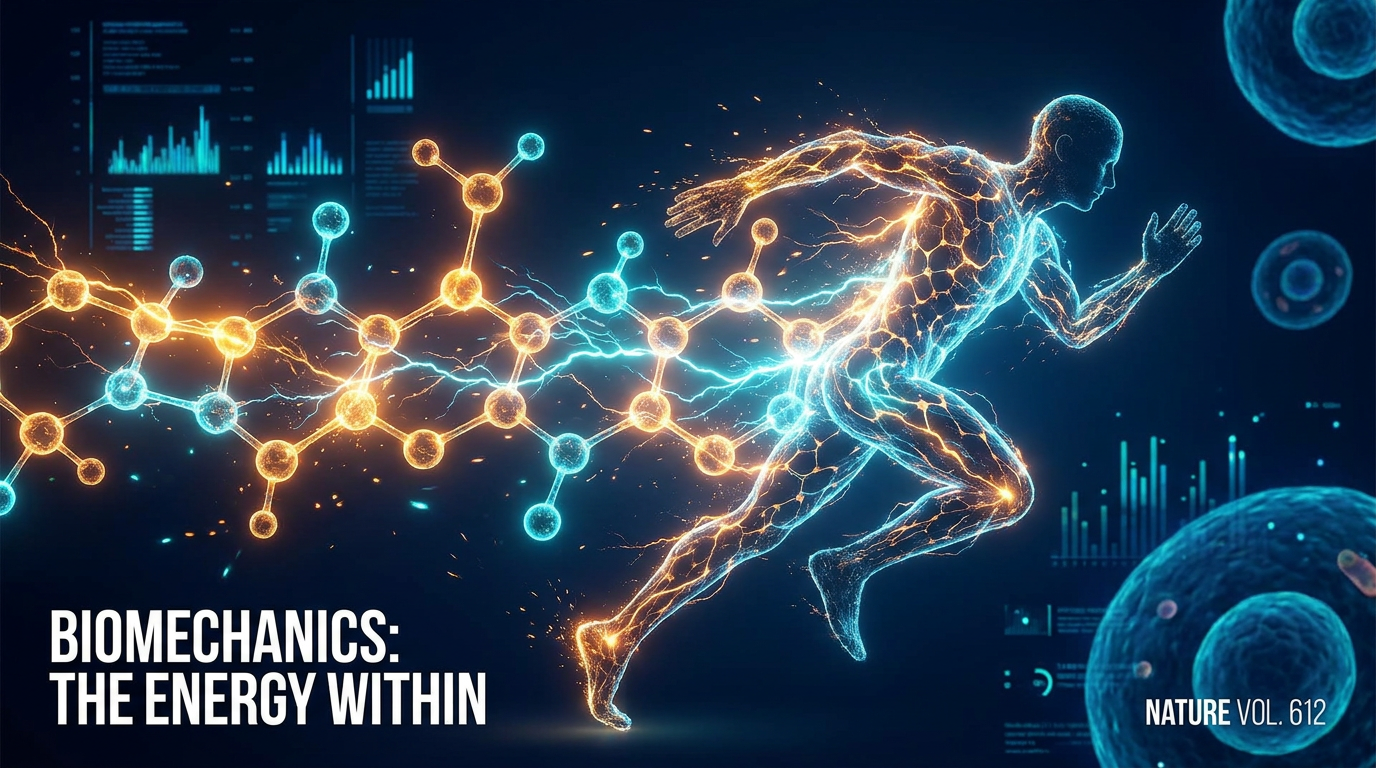
The concept of a "workout in a pill" has long been dismissed as science fiction or late-night infomercial fodder. But a rapidly maturing field of longevity biology is turning that premise into a clinical reality. Known as "exercise mimetics," this new class of therapeutics is designed to trigger the exact molecular cascades that physical exertion induces in the human body, entirely without the need for a treadmill, heavy dumbbells, or hours of cardiovascular strain. For decades, the medical consensus has been that the myriad benefits of exercise must be earned through sweat. Now, researchers are proving that the biological adaptations of a workout can be chemically induced.[1][3]
Unlike traditional weight-loss drugs or central nervous system stimulants, exercise mimetics do not simply suppress appetite or artificially spike heart rates to burn calories. Instead, they operate at the deepest levels of cellular metabolism, tricking the body’s energy sensors into believing a grueling workout has just occurred. By flipping these microscopic switches, researchers hope to unlock the profound systemic benefits of exercise—from enhanced glucose uptake to mitochondrial regeneration—for populations unable to engage in rigorous physical activity. This represents a monumental leap forward for treating chronic metabolic diseases.[3][4][5]
The biological foundation of this breakthrough rests on a master metabolic regulator known as AMP-activated protein kinase, or AMPK. When a person engages in strenuous exercise, their muscle cells rapidly consume adenosine triphosphate (ATP), the body's primary energy currency. As ATP is depleted during heavy exertion, levels of a byproduct called AMP begin to rise, signaling a state of severe energetic stress. This shifting ratio is the universal biological trigger that tells a cell it is working hard and needs to adapt to survive the physical demand.[3][4]
AMPK acts as a highly sensitive cellular fuel gauge. When it detects this shifting AMP-to-ATP ratio, it sounds a metabolic alarm across the entire body. The kinase immediately halts energy-consuming anabolic processes—like fat storage and rapid cell division—and activates catabolic processes to generate new ATP. It commands the cell to burn stored lipids, pull excess glucose from the bloodstream, and build new mitochondria, effectively shifting the body from a state of sluggish storage to a state of high-efficiency energy expenditure.[3][4][7]

For nearly three decades, pharmaceutical companies have chased the dream of safely activating AMPK pharmacologically. Early attempts yielded fascinating but ultimately flawed results. In the late 2000s, researchers demonstrated that an experimental AMPK agonist called AICAR could boost running endurance in completely sedentary mice by an astonishing 44 percent, allowing them to run significantly further than untreated mice. However, these early compounds often lacked molecular specificity, requiring massive doses that led to off-target toxicity and safety concerns that stalled human clinical trials for years.[7]
The landscape shifted dramatically in mid-2026 when Cambrian Biopharma, a clinical-stage longevity company, presented the first successful human data for a novel AMPK network activator called ATX-304. Unveiled at the American Diabetes Association’s 86th Scientific Sessions, the Phase 1b results confirmed that the drug safely elevated overall metabolic activity in adults with obesity and prediabetes. This marked a historic milestone: the first time an exercise mimetic successfully and safely activated the AMPK network in human subjects without the toxic side effects of previous generations.[2]
ATX-304 works by simultaneously increasing cellular glucose uptake and mitochondrial respiration. This creates a balanced surge in both energetic supply and metabolic demand, driving up the body's resting metabolic rate in a manner that closely mirrors the physiological effects of aerobic endurance training. Crucially, the drug achieved statistically significant improvements in lipid metabolism and body composition, proving that the preclinical promise of exercise mimetics could finally be translated into a highly viable human therapeutic without compromising patient safety.[2]
ATX-304 works by simultaneously increasing cellular glucose uptake and mitochondrial respiration.
The most profound implication of ATX-304 and similar mimetics lies in the specific quality of weight loss they induce. Current blockbuster GLP-1 agonists, such as semaglutide, drive weight loss primarily through intense appetite suppression. While highly effective at reducing numbers on a scale, a significant portion of the weight lost on GLP-1s comes from lean muscle mass, which can paradoxically worsen long-term metabolic health and accelerate physical frailty in older adults who cannot afford to lose strength.[1][4]
Exercise mimetics offer a vital 'muscle-sparing' alternative to the GLP-1 paradigm. Because AMPK activation specifically targets metabolically active tissues, it pulls energy almost exclusively from adipose, or fat, stores to fuel the muscles. In preclinical models, obese mice treated with ATX-304 lost weight at rates comparable to GLP-1s, but the weight loss was entirely derived from fat, with absolutely no reduction in muscle mass or daily food intake. The mice ate normally but burned fat as if they were running miles every day.[2]

Cambrian is not alone in this pursuit. Another highly anticipated compound, SLU-PP-332, targets a different set of metabolic receptors to simulate the physical boost of working out. In recent animal studies, obese mice treated with SLU-PP-332 lost 12 percent of their total body weight and gained ten times less fat than untreated control mice, all while demonstrating vastly improved physical endurance on treadmill tests. These results highlight the broad potential of targeting various nodes within the exercise signaling network.[6]
Researchers are also exploring naturally occurring mitochondrial-derived peptides, such as MOTS-c. Encoded directly within the mitochondrial genome, MOTS-c binds to the gamma subunit of AMPK, perfectly mimicking the AMP elevation that normally requires intense muscle contraction. These peptides represent an endogenous, evolutionary mechanism for regulating metabolic homeostasis that science is only now learning to harness. By utilizing the body's own signaling molecules, scientists hope to create therapies that are even safer and more seamlessly integrated into human biology.[6]
The benefits of exercise mimetics extend far beyond simple AMPK activation. A crucial secondary effect of these drugs is the suppression of the mechanistic target of rapamycin (mTOR) pathway. While mTOR is absolutely essential for muscle growth and repair during the recovery phase after a workout, its chronic, unyielding overactivation in aging populations drives cellular senescence, systemic inflammation, and severe insulin resistance. Turning mTOR off temporarily is just as important as turning AMPK on. This delicate balance is what keeps young cells healthy and resilient.[3][4]
By activating AMPK, exercise mimetics temporarily inhibit mTORC1, perfectly mimicking the catabolic stress of a heavy workout. This temporary suppression triggers autophagy—a vital cellular recycling process where the body clears out damaged proteins, misfolded structures, and dysfunctional mitochondria. This metabolic reprogramming is absolutely essential for restoring proteostasis and lipid homeostasis, effectively cleaning up the microscopic cellular debris that accumulates and causes widespread tissue dysfunction as human beings age. Without this cleanup phase, cells become sluggish and prone to disease.[4]
This dual action—boosting energy expenditure while simultaneously triggering cellular cleanup—makes exercise mimetics uniquely suited to combat sarcopenic obesity. This devastating geriatric syndrome, characterized by the simultaneous loss of skeletal muscle and the accumulation of excessive fat, is a rapidly growing public health crisis. For elderly patients who are simply too frail, injured, or sick to safely engage in resistance or endurance training, mimetics could provide the biochemical benefits of exercise, halting the vicious cycle of metabolic decline.[4][5]

Furthermore, researchers note that mimetics induce the 'athlete's paradox' at a cellular level. They actively promote a shift in muscle composition toward oxidative, slow-twitch Type I fibers, which are highly resistant to fatigue and incredibly rich in mitochondria. This fundamental remodeling of the muscle architecture could drastically improve mobility, balance, and independence in aging populations, potentially allowing frail individuals to regain enough baseline strength to eventually resume natural physical activity and physical therapy. It is a stepping stone back to a fully active lifestyle.[3][5][7]
Despite the immense promise, longevity researchers and physiologists caution that exercise mimetics are not a wholesale replacement for physical movement. While these drugs brilliantly replicate the metabolic and biochemical signaling of a workout, they cannot simulate the mechanical loading required to build bone density, nor can they fully replicate the cardiovascular sheer stress that maintains arterial elasticity and heart health. Movement remains essential for structural integrity, meaning these drugs are best viewed as powerful adjuncts rather than complete substitutes for an active life.[1][3]
As these compounds advance through Phase 2 clinical trials, they represent a fundamental paradigm shift in preventive medicine and longevity science. Rather than treating the downstream symptoms of aging—such as high cholesterol, hypertension, or elevated blood sugar—exercise mimetics target the root cause of metabolic decline. By rewriting the body's energy narrative at the cellular level, science is inching closer to a future where the profound healing power of exercise can be prescribed in a daily dose, transforming how we age.[1][2][5]
How we got here
Late 2000s
Researchers demonstrate that the experimental AMPK agonist AICAR boosts running endurance in sedentary mice by 44%.
2015-2020
The discovery of mitochondrial-derived peptides like MOTS-c reveals how the body endogenously signals exercise adaptation.
2024
Preclinical data on SLU-PP-332 shows the compound induces massive fat loss and endurance gains in obese animal models.
June 2026
Cambrian Biopharma presents the first successful human clinical data for an AMPK network activator, ATX-304, at the ADA Scientific Sessions.
Viewpoints in depth
Longevity & Biotech Innovators
Focus on healthspan extension and reprogramming metabolic decline.
Biotech founders and longevity researchers view exercise mimetics as a cornerstone of next-generation preventative medicine. Rather than treating individual age-related diseases like diabetes or heart disease as they arise, this camp argues for targeting the root metabolic dysfunction. By maintaining AMPK activation and mitochondrial health artificially, they believe we can significantly extend human healthspan and decouple chronological aging from physical frailty.
Public Health & Gerontology Experts
Emphasize the therapeutic necessity for disabled, injured, and elderly populations.
For clinical gerontologists, the excitement around exercise mimetics is less about biohacking and more about basic accessibility. Millions of elderly patients suffer from sarcopenic obesity or severe osteoarthritis, making traditional exercise impossible. This physical inability accelerates their metabolic decline. Public health experts argue that prescribing a mimetic could break this vicious cycle, allowing frail patients to regain enough metabolic health and muscle function to eventually resume physical therapy and natural movement.
Sports Physiology & Anti-Doping Agencies
Concerned with the limitations of mimetics and their potential for athletic abuse.
Sports scientists are quick to point out that a pill cannot replicate the mechanical loading required for bone density, nor the cardiovascular sheer stress that keeps arteries elastic. Furthermore, anti-doping agencies are already bracing for the illicit use of AMPK activators in professional sports. Because these drugs fundamentally alter muscle fiber composition and drastically increase endurance without the need for training volume, they represent a highly potent, difficult-to-detect frontier for performance enhancement.
What we don't know
- Whether long-term pharmacological activation of AMPK carries unforeseen risks to cellular energy balance.
- How effectively these drugs will translate their massive endurance gains from animal models to human athletes.
- If mimetics can be safely combined with traditional GLP-1 weight-loss drugs for synergistic effects.
Key terms
- Exercise Mimetics
- A class of therapeutics designed to replicate the biochemical and metabolic effects of physical exercise without actual physical exertion.
- AMPK (AMP-activated protein kinase)
- An enzyme that serves as the body's master energy sensor, triggering fat burning and energy production when cellular fuel is low.
- mTOR (mechanistic target of rapamycin)
- A cellular pathway that promotes growth and protein synthesis, which must be temporarily suppressed to allow for cellular cleanup.
- Autophagy
- A natural cellular recycling process where the body clears out damaged proteins and dysfunctional components.
- Sarcopenic Obesity
- A geriatric condition characterized by the simultaneous loss of skeletal muscle mass and the accumulation of excess body fat.
Frequently asked
Can exercise mimetics completely replace working out?
No. While they replicate metabolic benefits like fat burning and improved insulin sensitivity, they cannot simulate the mechanical stress needed to build strong bones or the cardiovascular pressure that maintains arterial health.
Do these drugs cause muscle loss like some weight-loss injections?
Current data suggests the opposite. Because AMPK activators pull energy specifically from fat stores to fuel the muscles, they are highly 'muscle-sparing,' unlike GLP-1 agonists which often result in lean mass loss.
Are exercise mimetics currently available to the public?
No. Drugs like ATX-304 and SLU-PP-332 are strictly in the clinical trial phase and are not yet approved by the FDA for public use.
Who would benefit most from an exercise pill?
The primary medical targets are elderly patients, individuals with severe obesity, and those with physical disabilities or injuries who are physically incapable of performing traditional exercise.
Sources
Source coverage
7 outlets
3 viewpoints surfaced







[1]Factlen Editorial TeamEditorial Synthesis
Synthesis by Factlen editorial team
Read on Factlen Editorial Team →[2]Cambrian BioLongevity Innovators
Cambrian Bio Announces First Human Clinical Data for ATX-304, a First-in-Class AMPK Network Activator
Read on Cambrian Bio →[3]National Institutes of HealthClinical Researchers
Exercise Mimetics: Impact on Health and Aging
Read on National Institutes of Health →[4]Aging and DiseaseClinical Researchers
Targeting the AMPK/mTOR Signaling Nexus in Sarcopenic Obesity
Read on Aging and Disease →[5]MDPIClinical Researchers
Myokines and Pharmacologic Exercise-Mimetics
Read on MDPI →[6]Peptide ResearchLongevity Innovators
New Exercise Mimetic Drug SLU-PP-332 and MOTS-c
Read on Peptide Research →[7]Cell MetabolismClinical Researchers
AMPK-PPARδ Pathway and Exercise Endurance
Read on Cell Metabolism →

More in health
See all 5 stories →Vaccine Research
Recombinant Shingles Vaccine Linked to 24% Lower Dementia Risk in Major Study
6 sources

Exercise Mimetics
The Dawn of the Exercise Pill: How New Mimetics Trick the Body into Burning Fat and Building Endurance
6 sources
Precision Nutrition
The End of the Universal Diet: How AI and 'Nutritional Dark Matter' Are Rewriting Human Health
6 sources

Every angle. Every day.
Get health stories with full source coverage and perspective breakdowns delivered to your inbox.