
Oil Prices Surge to $95 as Renewed US-Iran Military Strikes Escalate Strait of Hormuz Risk
Brent crude topped $95 a barrel following fresh U.S. airstrikes on Iranian targets, though physical oil flows through the Strait of Hormuz remain largely intact.
By Marina Lopez

Share this story
Brent crude surged past $95 a barrel following renewed U.S. military strikes against Iranian targets near the Strait of Hormuz, reigniting fears of a supply shock in the world's most critical oil chokepoint. The market reaction was swift, with Brent jumping roughly 5% to settle at $94.65, its highest level since late July. West Texas Intermediate (WTI) followed suit, climbing 5.2% to $90.22. The rally caps an 8% surge over three sessions as traders rapidly reprice the geopolitical risk embedded in Middle Eastern supply chains.[1][3][5]
The price spike was triggered by U.S. Central Command confirming strikes on Islamic Revolutionary Guard Corps (IRGC) air defense sites, radar systems, and maritime assets. The military action was launched in response to attempted attacks on commercial shipping and U.S. personnel in the region. The sudden escalation effectively shattered a fragile period of relative calm, bringing the vulnerability of the waterway straight back to the forefront of global energy markets.[1][4]
Yet, despite the military escalation and the sharp premium priced into crude futures, the physical flow of oil has not halted. U.S. Energy Secretary Chris Wright noted that approximately 17 million barrels of crude transited the strait on Monday, the highest daily volume since war-related restrictions began disrupting flows earlier in the year. This creates an unusually binary market: prices are surging on the threat of closure, even as actual physical supply conditions show signs of resilience.[4]
The mechanics of the chokepoint explain the market's outsized reaction to any military activity in the area. The Strait of Hormuz normally handles about 20 million barrels a day—roughly a quarter of all seaborne oil trade and a fifth of total global consumption. Because pipeline alternatives through Saudi Arabia and the United Arab Emirates can only redirect 3.5 to 5.5 million barrels daily, the vast majority of the region's output has no alternative route to market.[1][3]
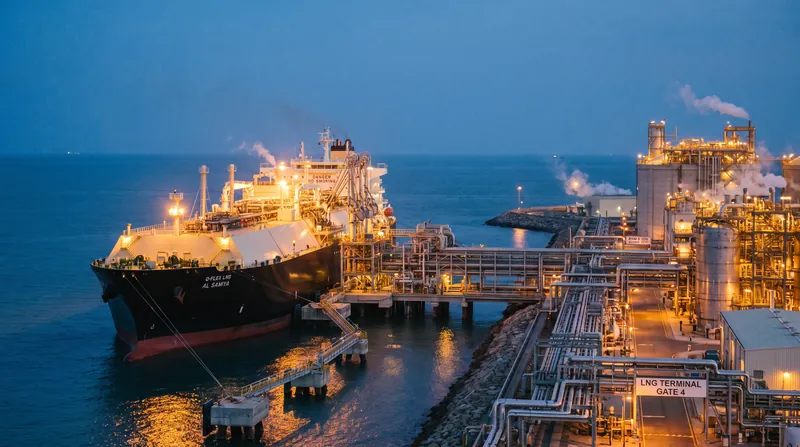
Tanker operators are adapting to the elevated threat environment rather than stopping operations entirely. Several supertankers and liquefied natural gas (LNG) carriers have been observed exiting the strait with their transponders switched off to avoid detection. Additionally, many vessels are hugging the Omani coastline to maximize their distance from Iranian waters, navigating around the central section of the waterway where the risk of sea mines remains a primary concern for the shipping industry.[4]
The supply shock fears arrive at a moment when global inventory buffers are already thinning. U.S. crude stockpiles fell by 2.8 million barrels last week, marking the sixth consecutive week of declines. Concurrently, the U.S. Strategic Petroleum Reserve saw a 3.1 million barrel drawdown, leaving stockpiles at 286.6 million barrels. With less emergency supply available to cushion a potential disruption, the market is highly sensitive to any threat to active production.[3][4]
The oil rally is also rippling aggressively through broader macroeconomic indicators. The 10-year U.S. Treasury yield hit its highest level since 2023 as bond traders weighed the fresh oil shock against the broader inflation outlook. Diesel futures have also surged to a 52-month high, reflecting fears that sustained energy inflation could force central banks to maintain tighter monetary policy for longer than previously anticipated.[1][3]
Looking ahead, the market is attempting to balance the immediate military risks against diplomatic signals that the escalation may be contained. President Donald Trump suggested that the renewed U.S. bombing campaign may not last "too long," offering a potential off-ramp, though he maintained that the U.S. is prepared to conduct further strikes if necessary. For now, oil prices remain suspended between the bearish reality of continued tanker flows and the bullish threat of a sudden chokepoint closure.[2][4]
Viewpoints in depth
Physical Market Traders
Focuses on actual barrel flows and inventory levels, noting that despite the geopolitical noise, millions of barrels are still successfully navigating the strait.
For those trading physical barrels rather than paper contracts, the market is defined by a stark divergence between military headlines and maritime reality. While the threat of a closure commands a heavy risk premium, the daily logistics of the Strait of Hormuz tell a story of resilience. With 17 million barrels successfully transiting the waterway on Monday, traders point out that the global supply chain is bending rather than breaking. The focus here remains on the mechanics of adaptation: ships turning off AIS transponders, hugging the Omani coast, and relying on naval escorts to maintain the flow of crude to Asian and European buyers.
Geopolitical Risk Analysts
Emphasizes the binary risk of a full Hormuz closure and the severe lack of pipeline alternatives to redirect the 20 million barrels that rely on the waterway.
Risk analysts view the current situation as a structural vulnerability that no amount of temporary maritime maneuvering can solve. The Strait of Hormuz is not just a shipping lane; it is a chokepoint with no viable workaround. Because the combined pipeline capacity of Saudi Arabia and the UAE can only bypass a fraction of the strait's normal 20-million-barrel daily volume, any sustained military blockade would immediately remove over 10 million barrels a day from the global market. From this perspective, the 5% price jump is entirely justified, as the market must price in the non-zero probability of a historic supply shock.
Macroeconomic Strategists
Tracks the inflationary spillover of the oil shock into broader financial markets, particularly its impact on Treasury yields and central bank policy.
For macroeconomic observers, the oil spike is less about the Middle East and more about its downstream effects on Western monetary policy. The immediate surge in the 10-year U.S. Treasury yield to a multi-year high illustrates how quickly energy shocks translate into inflation expectations. Strategists warn that if Brent crude sustains levels near or above $95, the resulting rise in gasoline and diesel prices could stall the disinflationary progress seen over the past year. This complicates the calculus for central banks, potentially forcing them to delay rate cuts or maintain restrictive policies to prevent a secondary wave of inflation.
Key points
- Brent crude surged roughly 5% to settle at $94.65 a barrel following U.S. strikes on Iranian targets.
- The U.S. military targeted IRGC air defense and maritime assets in response to attempted attacks on commercial shipping.
- Despite the military escalation, physical oil flows continue, with 17 million barrels transiting the strait on Monday.
- Tanker operators are adapting by turning off transponders and hugging the Omani coastline to avoid Iranian waters.
- Physical Market Traders
- Focuses on actual barrel flows and inventory levels, noting that despite the geopolitical noise, millions of barrels are still successfully navigating the strait.
- Geopolitical Risk Analysts
- Emphasizes the binary risk of a full Hormuz closure and the severe lack of pipeline alternatives to redirect the 20 million barrels that rely on the waterway.
- Macroeconomic Strategists
- Tracks the inflationary spillover of the oil shock into broader financial markets, particularly its impact on Treasury yields and central bank policy.
Perspectives this story doesn't cover
- Middle Eastern regional diplomats mediating the conflict
- Marine insurance underwriters pricing the transit risk
Sources
Source coverage
5 outlets
3 viewpoints surfaced





- [1]Startup FortuneGeopolitical Risk Analysts
Oil Jumps to $95 a Barrel as US Strikes Iran Near the Strait of Hormuz
Read on Startup Fortune → - [2]NDTV ProfitMacroeconomic Strategists
Brent Crude Near $95 After 8% Oil Rally; Trump Says Iran Strikes May Not Last 'Too Long'
Read on NDTV Profit → - [3]BigGo FinanceGeopolitical Risk Analysts
Oil Tops $95 as US-Iran Strikes Threaten Hormuz Supply
Read on BigGo Finance → - [4]EnergyNow.comPhysical Market Traders
Oil Holds Near Five-Week Highs as U.S.-Iran Fighting Keeps Hormuz Risk Elevated
Read on EnergyNow.com → - [5]QuartzGeopolitical Risk Analysts
Oil prices surge above $94 after U.S. strikes Iran in Hormuz
Read on Quartz →
More in Energy
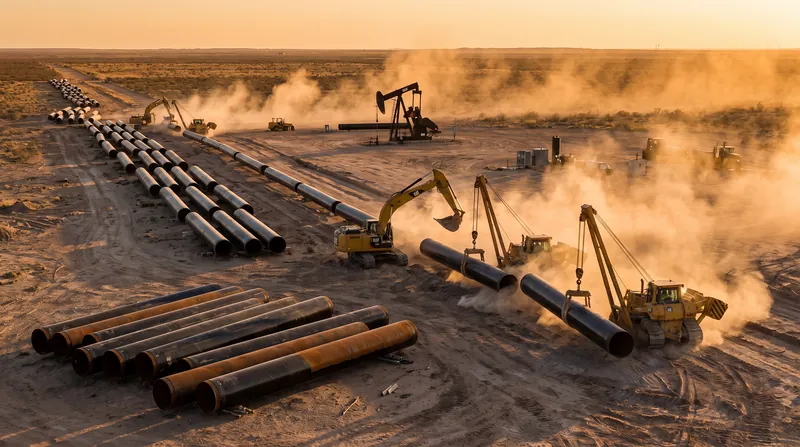
See all →Permian Infrastructure
Energy Transfer's 2.2 Bcf/d Hugh Brinson Pipeline Begins Service, Unlocking Permian Gas Supply
4 sources
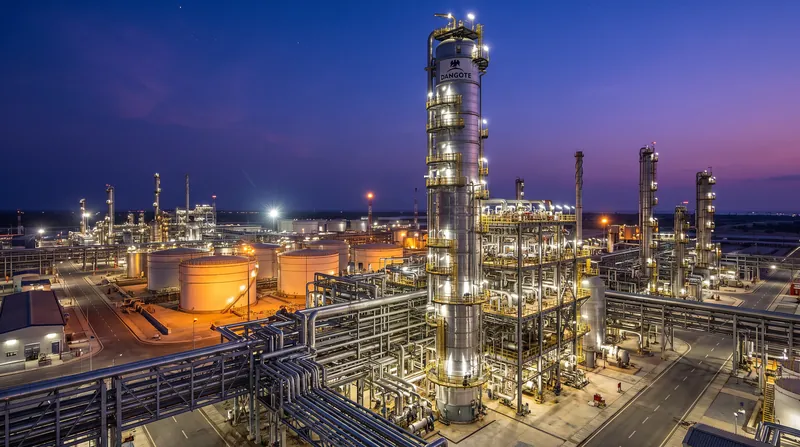
Global Refining
Nigeria's Petroleum Product Exports Surge Seven-Fold Amid Refining Expansion
5 sources
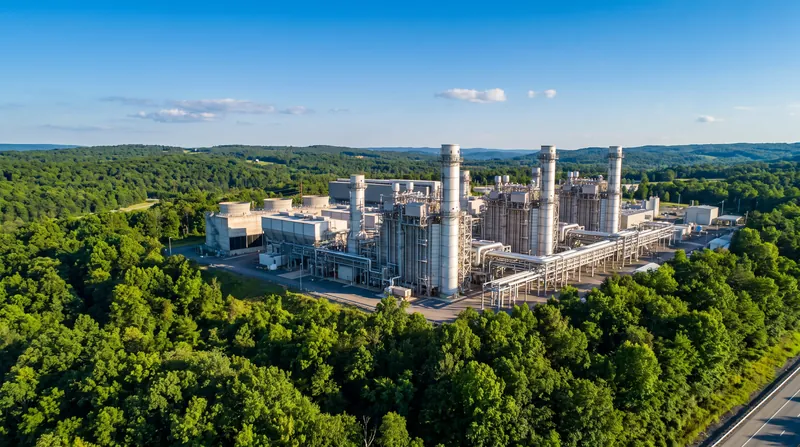
Grid Infrastructure
Equinor Acquires Stake in 1.5 GW Pennsylvania Gas Plant for $940 Million to Meet Data Center Demand
6 sources
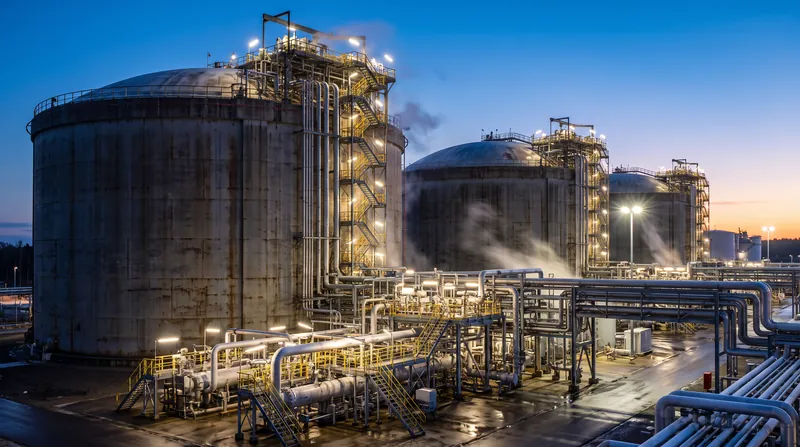
LNG Pricing
The S-Curve and J-Curve That Define the Price Relationship Between Oil-Indexed and Hub-Indexed LNG Contracts
5 sources
Comments
Every angle. Every day.
Get Energy stories with full source coverage and perspective breakdowns, free every day.