
National Rail Strike Halts Train Services Across Italy Following Summer Ban Expiration
A 24-hour nationwide walkout by Italian railway staff has suspended high-speed and regional services, with operations restricted to legally mandated commuter windows.

Share this story
The impact of a national rail stoppage in Italy is ultimately determined by the fasce di garanzia—the legally mandated time windows that force operators to maintain baseline commuter services regardless of union participation.
When a 24-hour nationwide strike began at 9:18 p.m. on Monday, September 7, 2026, the entire Italian rail network shifted from open schedules to these protected bands. Until 9:00 p.m. on Tuesday, September 8, the state-owned Gruppo FS Italiane, private high-speed operator Italo, and regional carriers like Lombardy's Trenord are operating under strict regulatory constraints rather than standard timetables.[2][3]
The walkout encompasses virtually the entire domestic rail infrastructure. High-speed Alta Velocità routes, including the Frecce trains connecting Turin, Milan, Rome, and Naples, face widespread cancellations. Regional services operated by Trenitalia Tper in Emilia-Romagna and Trenord in Lombardy are similarly curtailed. For passengers, the disruption is absolute outside the protected windows of 6:00 a.m. to 9:00 a.m. and 6:00 p.m. to 9:00 p.m., during which a basic level of regional train service is legally guaranteed to run.[1][2]
The action was called by a coalition of grassroots and independent transport unions, including CUB Trasporti, SGB, ORSA Ferrovie, and CAT. The core of the dispute lies in the collective bargaining agreement for the railway industry, which has been stalled in negotiations since early 2024.
While neither union leadership nor operating company executives provided direct public statements in the immediate strike notices, the labor coalition's published demands argue that current draft proposals fail to address stagnant wages, demanding structural changes to shift work conditions, workload distribution, and baseline safety standards across the network.[1][2][4][5]
Beyond immediate compensation, the unions are protesting structural shifts within the state-run rail system. A primary point of contention is the planned division of Italy's Intercity service into three separate bidding packages. Labor organizations view this fragmentation as a precursor to dismantling the integrated national network, warning that privatization of these segments will degrade both working conditions and service reliability.[4]
This week's stoppage is the first major rail strike in weeks, triggered directly by the expiration of Italy's summer ban on transport strikes. The national regulation prohibits labor actions in the rail and air travel sectors during the peak August holiday period to protect the tourism economy. With that moratorium lifted, the September 7 action serves as the opening move in a broader autumn campaign by transport workers.[5]
The downstream consequences extend beyond the immediate 24-hour window. Trains that were already in transit when the strike commenced at 9:18 p.m. on Monday were permitted to reach their final destinations, provided they could do so within one hour. However, the cascading effects of displaced rolling stock and crew positioning mean delays will likely persist into Wednesday morning. Further actions are already scheduled, with local public transit strikes announced for September 15 in cities including Florence, Venice, and Naples, signaling a protracted period of infrastructural friction.[4]
To mitigate the immediate fallout, operators have deployed alternative logistics where possible. Trenord announced that in the event of cancellations affecting airport service trains, non-stop replacement buses will be provided between Milano Cadorna and Malpensa Aeroporto, as well as between Stabio and Malpensa. Passengers on canceled long-distance routes are entitled to full refunds or free rebooking, though the sheer volume of displaced travelers will strain capacity on the first trains operating after the strike concludes.[3]
The structural tension between Italy's rail operators and their workforce remains unresolved. With the 2024 collective bargaining agreement still unsigned and the Intercity bidding packages moving forward, the underlying conditions that triggered the September 7 stoppage are unchanged. The next test of the network's resilience will arrive in mid-September, as the rolling schedule of regional transit strikes begins to overlap with the resumption of full national rail service.[2][4]
Key points
- A 24-hour national rail strike in Italy began at 9:18 p.m. on September 7 and concludes at 9:00 p.m. on September 8.
- The walkout affects major operators including Trenitalia, Italo, and Trenord, disrupting both high-speed and regional services.
- Regional trains are legally guaranteed to run only during protected commuter windows from 6:00 a.m. to 9:00 a.m. and 6:00 p.m. to 9:00 p.m.
- Unions are protesting stalled collective bargaining negotiations and the planned division of Intercity services into separate bidding packages.
How we got here
Early 2024
Negotiations stall over the new collective bargaining agreement for the Italian railway industry.
August 2026
Italy's statutory summer ban on transport strikes temporarily halts labor actions in the rail and air sectors.
September 7, 2026
A 24-hour national rail strike begins at 9:18 p.m., immediately restricting service to guaranteed commuter windows.
September 8, 2026
The national rail strike concludes at 9:00 p.m., though cascading delays continue into the following morning.
September 15, 2026
Local public transit strikes are scheduled to disrupt bus and tram services in major cities including Florence and Venice.
- Grassroots Transport Unions
- Argue that stalled contract negotiations and the planned division of Intercity services threaten worker safety, wages, and the integrity of the national rail network.
- Railway Operators
- Focus on maintaining baseline statutory service levels and minimizing passenger disruption through guaranteed time windows and replacement bus services.
Perspectives this story doesn't cover
- Italian Ministry of Infrastructure and Transport
- Tourism and hospitality industry representatives
Sources
Source coverage
5 outlets
2 viewpoints surfaced





- [1]Visit UkraineRailway Operators
Train Strike in Italy: Where Will There Be Disruptions on September 7–8?
Read on Visit Ukraine → - [2]Vivere in ItalienRailway Operators
From Monday evening: 24-hour rail strike across Italy
Read on Vivere in Italien → - [3]TrenordRailway Operators
National Strike 7-8 September 2026
Read on Trenord → - [4]Italien NewsGrassroots Transport Unions
Rail Strike in Italy on September 7 and 8, 2026: All the Details
Read on Italien News → - [5]The LocalGrassroots Transport Unions
Today in Italy: A roundup of the latest news on Monday
Read on The Local →
More in Transportation
See all →Rail Infrastructure
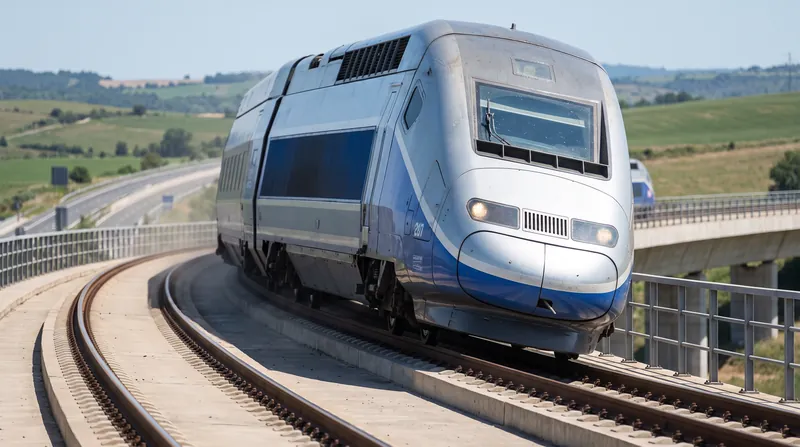
Amtrak and CN Sign Eight-Year Operating Agreement, Resolving Decade-Long Regulatory Dispute
5 sources
Oversight Audit
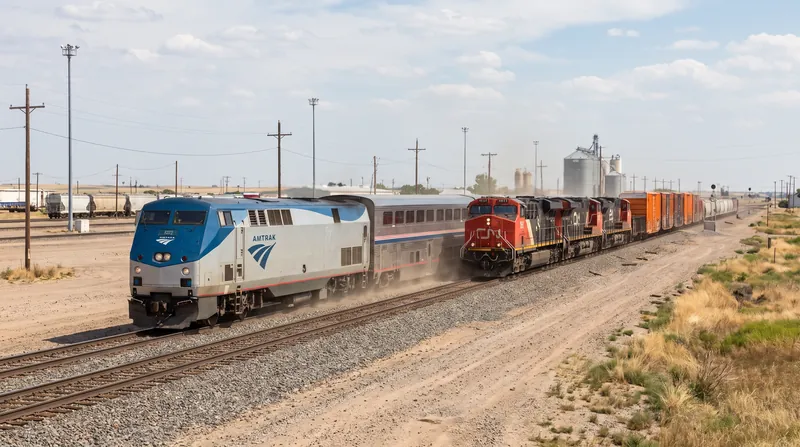
Inspector General Finds California High-Speed Rail Paid $600,000 in Unallowable Consultant Travel Expenses
6 sources
Freight Rail Safety
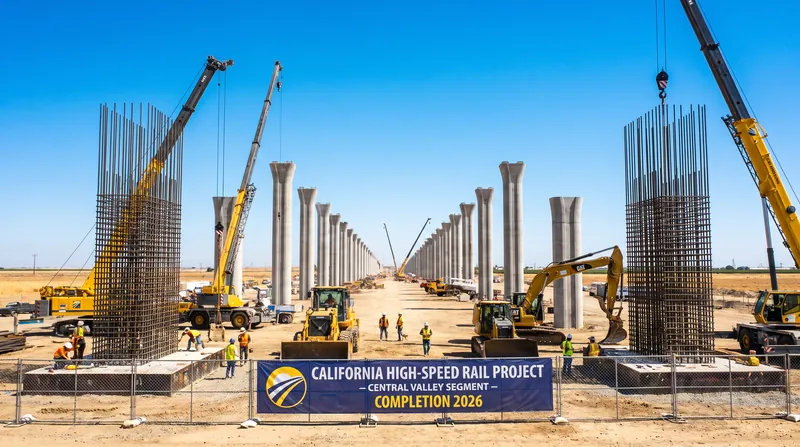
Multi-Car Train Derailment in Montana Prompts Precautionary Evacuations With No Hazardous Spills
5 sources
Break of Gauge
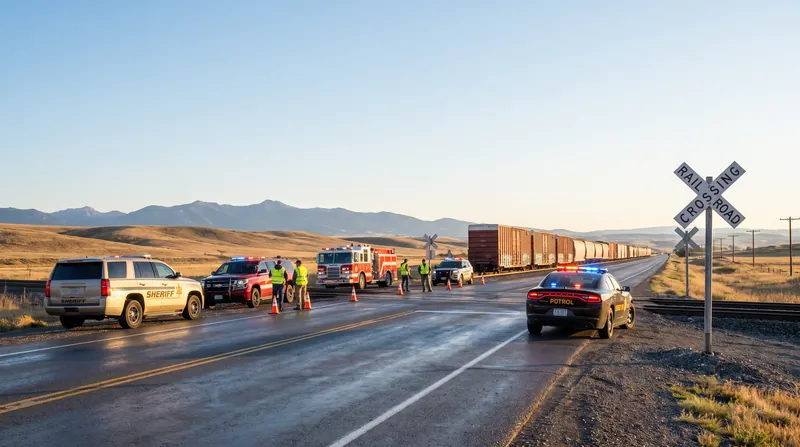
Rebuild the Track or Rebuild the Train: The Engineering Behind Variable-Gauge Railways
5 sources
Comments
Every angle. Every day.
Get Transportation stories with full source coverage and perspective breakdowns, free every day.