
Lucas Montecot Returns to French Squad as Pre-World Cup Injury Report Reshapes Global Rosters
Lucas Montecot has completed his recovery to anchor the French Men's National Team for the 2026 FIH World Cup, offsetting the loss of Etienne Tynevez, as the sport introduces new injury-tracking protocols.

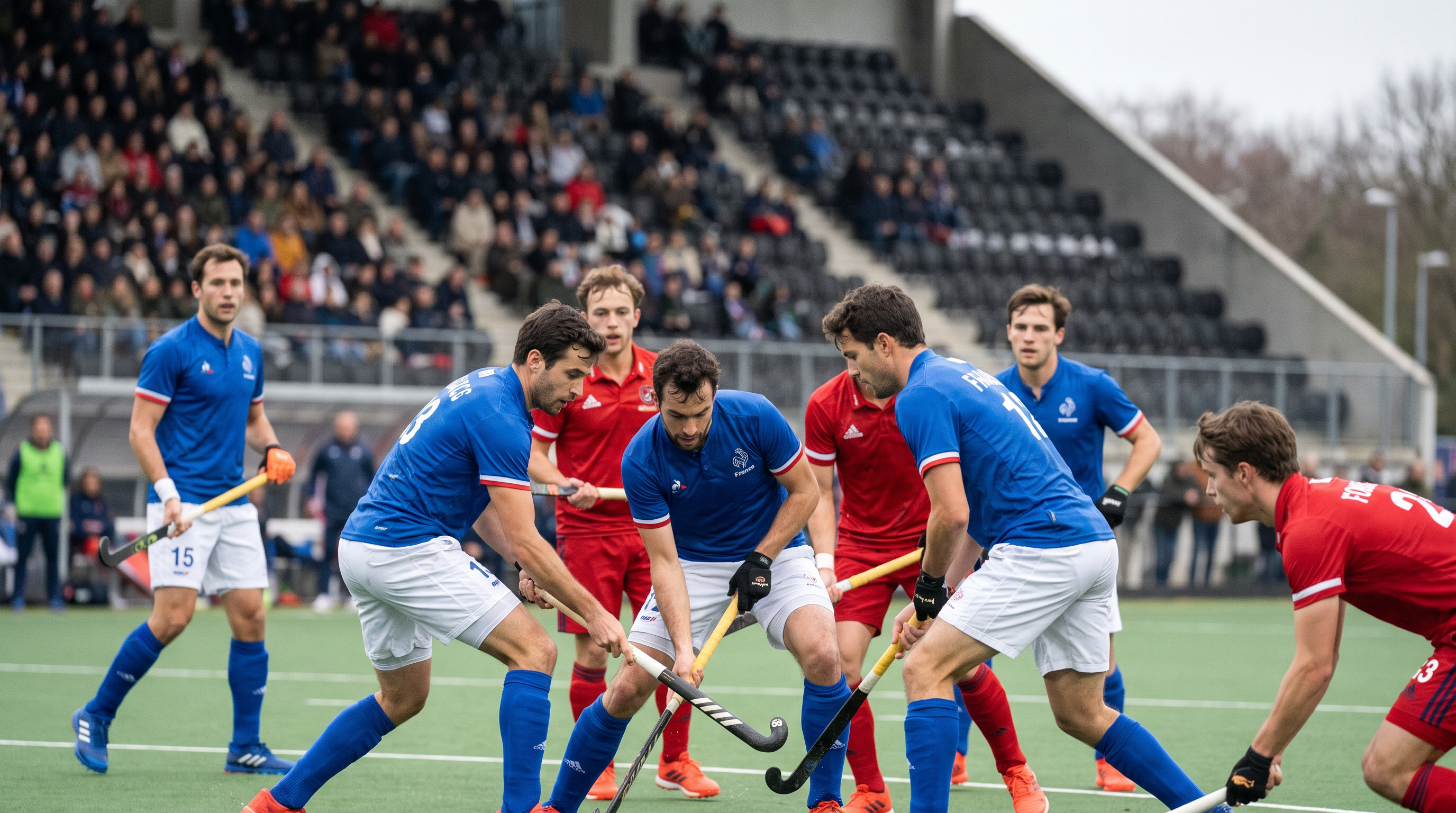
- National Team Management
- Focused on balancing the heartbreak of injured veterans with the opportunity to integrate healthy returnees and U21 talent.
- Sports Medicine Officials
- Prioritizing long-term player safety through standardized injury tracking and evidence-based return-to-play protocols.
- Affected Athletes
- Navigating the emotional highs of returning to the pitch and the devastating lows of missing a major summer tournament.
Why this matters
Injuries are the most unpredictable variable in international sports. How national teams manage the physical attrition of their rosters—and how the sport's governing bodies evolve to protect them—directly dictates who lifts the World Cup trophy.
Key points
- Lucas Montecot has successfully rehabbed and will anchor the French Men's National Team at the 2026 World Cup.
- French veteran Etienne Tynevez was ruled out of the tournament after failing to fully recover from his injury.
- Dutch women's forward Jip Dicke will miss the summer campaign due to a severe foot injury.
- France called up U21 standouts Aristide Michaelis and Malo Martinache to bolster their World Cup roster.
- The FIH is utilizing a new Injury Assessment Protocol to better track and manage player health.
- A Medical Symposium will be held during the World Cup to share new evidence-based recovery strategies.
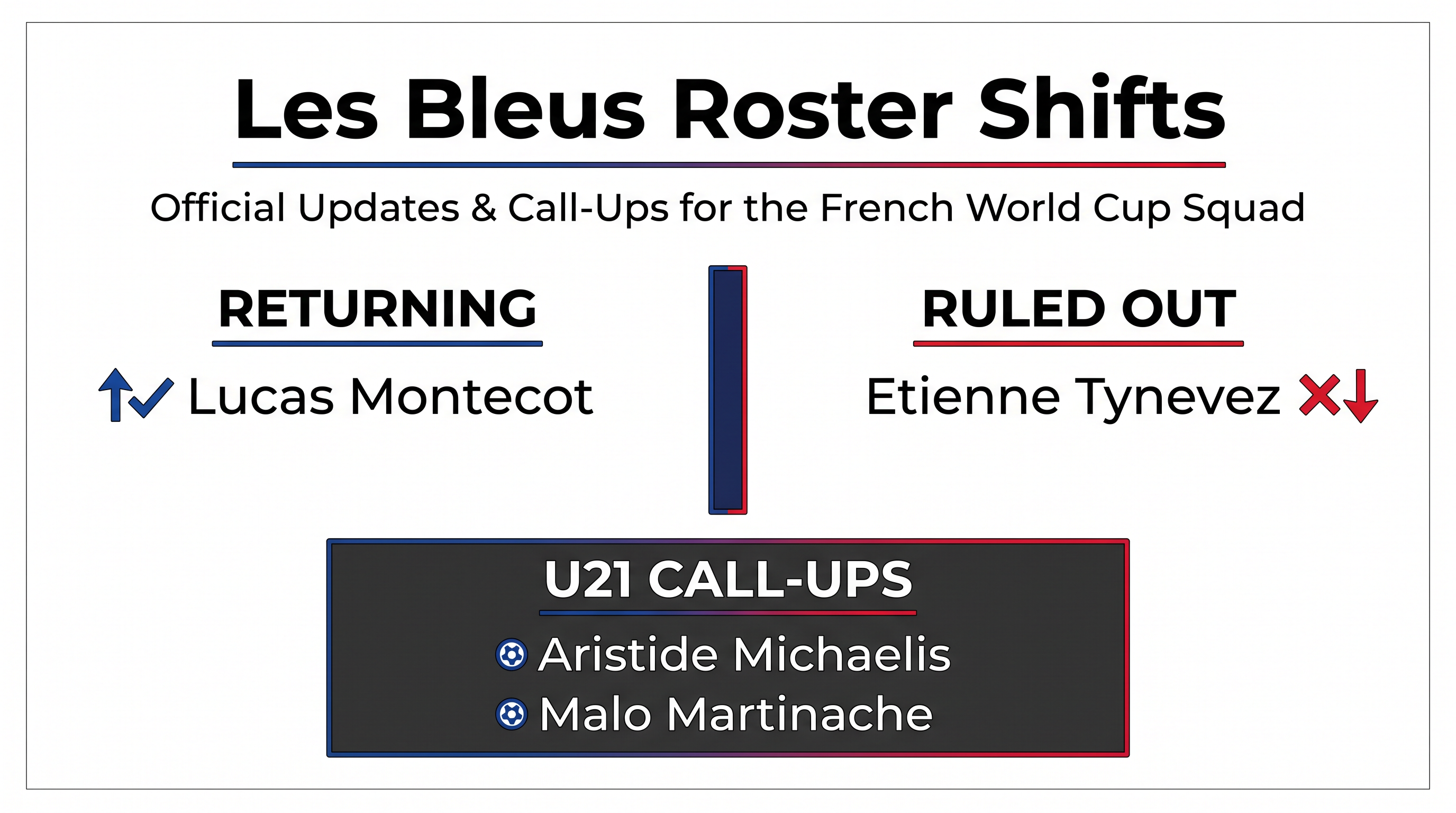
With the 2026 FIH Hockey World Cup just weeks away, final rosters are cementing the global injury landscape. On Monday, French Men's National Team coach John-John Dohmen unveiled the 20-player squad that will carry Les Bleus into the tournament in Belgium and the Netherlands. The headline of the announcement is the triumphant return of Lucas Montecot, who has successfully completed his rehabilitation and rejoined the squad just in time for the sport's premier event.[1]
Montecot's return provides a vital injection of experience and stability for a French side facing a grueling group stage against Belgium, Germany, and Malaysia. His presence is especially crucial given the parallel heartbreak within the camp: veteran Etienne Tynevez has been officially ruled out of the tournament.[1]
Tynevez had been racing the clock to recover from a lingering injury, but the medical staff ultimately determined he had not reached the necessary fitness threshold for the intense physical demands of a World Cup. While his absence is a blow to the team's attacking depth, the French management has used the setback to open the door for the next generation.[1]
To fill the void, Dohmen has called up Aristide Michaelis and Malo Martinache, two rising stars who featured prominently in the U21 World Cup last December. The integration of these youngsters alongside returning veterans like Montecot highlights the cyclical, resilient nature of national team programs, turning an injury crisis into an opportunity for future development.[1]
France is not the only nation grappling with the cruel timing of pre-tournament injuries. The reigning champion Netherlands women's squad was recently dealt a significant setback when rising offensive star Jip Dicke was sidelined by a severe foot injury.[2]
France is not the only nation grappling with the cruel timing of pre-tournament injuries.
Dicke, who had been a focal point of the Dutch attack during the FIH Pro League, expressed her devastation publicly, noting that her entire summer campaign had been erased in an instant. Her absence forces the heavily favored Dutch side to recalibrate their forward line just weeks before the opening whistle, proving that even the deepest rosters are vulnerable to sudden physical attrition.[2]
The wave of high-profile injuries and subsequent comebacks underscores the extreme physical toll of modern field hockey. With ball speeds exceeding 100 kilometers per hour and the relentless cardiovascular demands of the turf, the sport is actively working to modernize its approach to player safety and rehabilitation.[3]
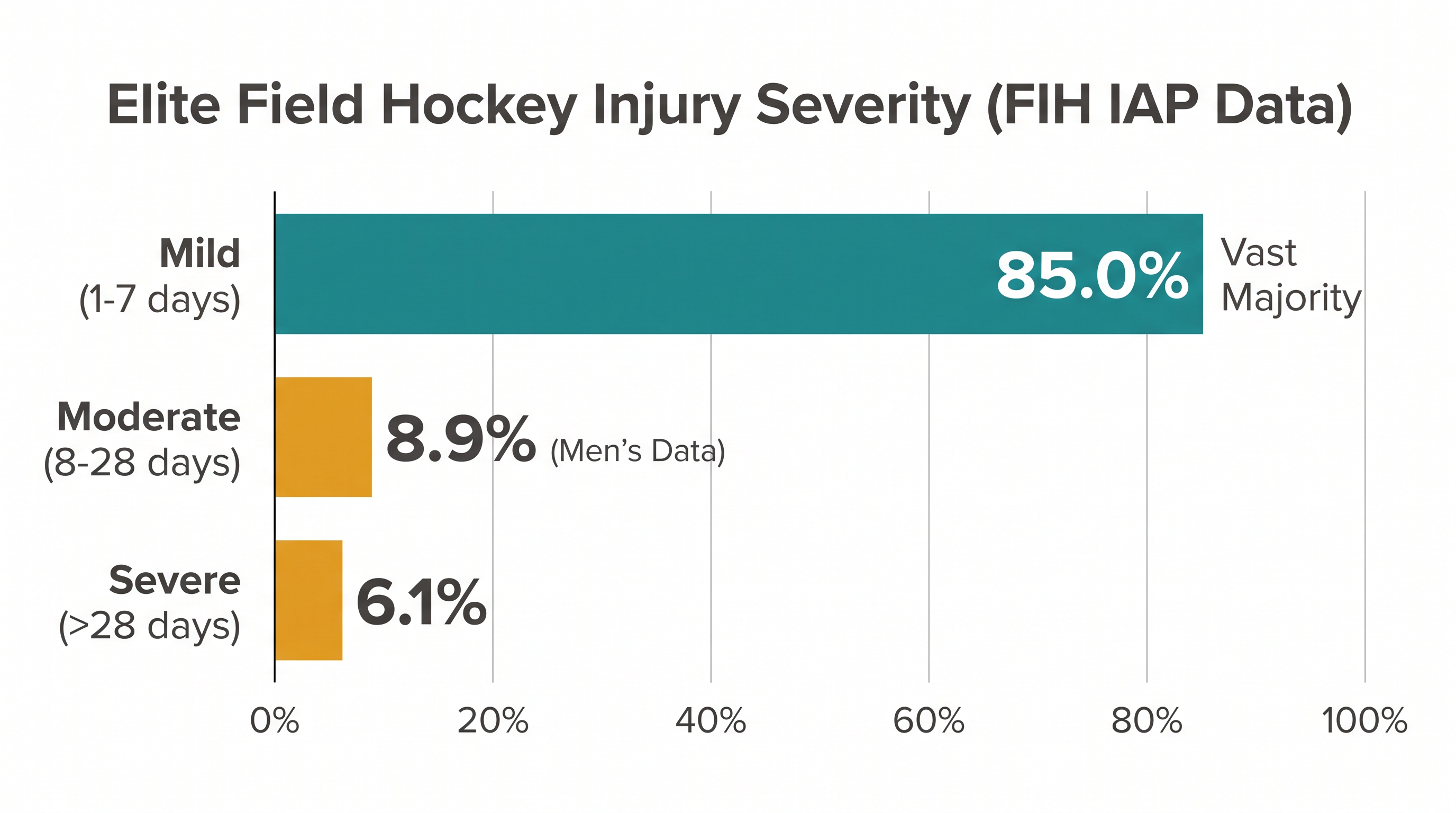
To that end, the 2026 World Cup will serve as a major proving ground for the FIH's newly implemented Injury Assessment Protocol (IAP). A recent study published in BMJ Open Sport & Exercise Medicine validated the protocol, which requires medical officials to systematically track the severity and mechanism of every injury during elite matches.[3]
The data is already reshaping how teams approach recovery. The IAP revealed an overall injury incidence of 39.7 per 1,000 player match hours in elite men's hockey, with muscle and ligament issues causing the longest delays in return-to-play. By standardizing this data, the FIH aims to eliminate the guesswork from rehabilitation timelines and prevent athletes from returning to the pitch before their bodies are ready.[3]
This evidence-based approach will take center stage at the World Cup's dedicated Medical Symposium on August 22 in Wavre. Leading sports medicine experts, including Professor François Delvaux of the University of Liège, will present new strategies for injury risk management and sustainable recovery to team physicians from around the globe.[4]
The symposium represents a cultural shift in field hockey, moving away from a mindset where players are pressured to play through pain, and toward objective, data-driven return-to-play benchmarks that prioritize long-term health.[3][4]
For players like Lucas Montecot, the evolution of these medical protocols is the difference between a career-ending setback and a World Cup comeback. As the tournament approaches, the teams that best navigate the delicate balance of health, proactive rehab, and youth integration will ultimately have the stamina to survive the gauntlet.[1][3]
How we got here
Dec 2025
The BMJ publishes data validating the FIH's new Injury Assessment Protocol, setting a baseline for tracking elite field hockey injuries.
Jul 2026
Dutch forward Jip Dicke announces she will miss the summer campaign due to a severe foot injury.
Aug 3, 2026
France announces its 20-player men's World Cup squad, confirming Lucas Montecot's return and Etienne Tynevez's injury absence.
Aug 22, 2026
The FIH Medical Symposium will convene in Wavre, Belgium, to discuss injury prevention and athlete health.
Viewpoints in depth
National Team Management
Focused on balancing the heartbreak of injured veterans with the opportunity to integrate healthy returnees and U21 talent.
For national team coaches like France's John-John Dohmen, final roster selection is a delicate balancing act of loyalty and pragmatism. While leaving an injured veteran like Etienne Tynevez at home is emotionally difficult, the demanding schedule of a World Cup requires a fully fit squad. Management views these injury gaps not just as setbacks, but as necessary catalysts to blood the next generation, bringing in U21 players like Aristide Michaelis to gain invaluable senior experience.
Sports Medicine Officials
Prioritizing long-term player safety through standardized injury tracking and evidence-based return-to-play protocols.
The medical community within field hockey is pushing back against the traditional sports culture of playing through pain. By implementing the Injury Assessment Protocol (IAP), officials are gathering hard data on exactly how and why players get hurt. Their goal is to use this data at events like the upcoming Medical Symposium to establish universal, non-negotiable recovery timelines that protect athletes from chronic, career-ending damage.
What we don't know
- Whether the French team's U21 call-ups can adequately replace the attacking depth lost by Etienne Tynevez's absence.
- How the Netherlands women's team will tactically adjust their forward line without Jip Dicke.
- If the new FIH Injury Assessment Protocol will lead to specific rule changes regarding player equipment or match scheduling.
Key terms
- Return-to-play protocol
- A structured, medical timeline of physical benchmarks an athlete must pass before being cleared to compete after an injury.
- Injury Assessment Protocol (IAP)
- A standardized data collection system introduced by the International Hockey Federation to accurately track the severity and mechanism of injuries during elite tournaments.
- Player match hours
- A statistical metric used in sports medicine to calculate injury rates, representing the total number of hours athletes spend actively playing in matches.
Frequently asked
Why is Etienne Tynevez missing the 2026 World Cup?
Tynevez was ruled out of the French squad because he has not fully recovered from a lingering injury in time to meet the tournament's physical demands.
Who did France call up to replace their injured players?
Head coach John-John Dohmen called up Aristide Michaelis and Malo Martinache, two young players who recently competed in the U21 World Cup.
What happened to Dutch player Jip Dicke?
The Netherlands women's national team forward was ruled out for the summer, including the World Cup, after suffering a severe foot injury.
What is the FIH Injury Assessment Protocol (IAP)?
It is a standardized medical tracking system used during elite matches to record the severity, location, and cause of injuries, helping the sport develop better safety and rehab guidelines.
Sources
Source coverage
4 outlets
3 viewpoints surfaced




[1]International Hockey FederationNational Team Management
France Men's Squad Named for FIH Hockey World Cup 2026
Read on International Hockey Federation →[2]Hockey RefreshAffected Athletes
Jip Dicke sidelined by foot injury: 'There went my summer'
Read on Hockey Refresh →[3]BMJ Open Sport & Exercise MedicineSports Medicine Officials
Accurate assessment of injury severity in elite field hockey: evaluation of the FIH Injury Assessment Protocol
Read on BMJ Open Sport & Exercise Medicine →[4]FIH Hockey World Cup 2026 Official SiteSports Medicine Officials
Medical Symposium 2026: Athlete Health and Performance Optimisation
Read on FIH Hockey World Cup 2026 Official Site →
Every angle. Every day.
Get sports stories with full source coverage and perspective breakdowns delivered to your inbox.