
Israel and Hezbollah Renew Ceasefire as Lebanon Flare-Up Threatens US-Iran Peace Deal
A violent 24-hour escalation between Israel and Hezbollah forced the cancellation of a critical US-Iran summit in Switzerland before a fragile truce was restored under intense diplomatic pressure.
By Factlen Editorial Team
- US Administration
- Argues the peace deal is a necessary diplomatic victory to end the war and stabilize global energy markets.
- Israeli Leadership
- Views the agreement as a betrayal that enriches Iran and prematurely halts the campaign against Hezbollah.
- Iranian Government
- Insists that any comprehensive peace agreement must include a complete Israeli withdrawal from Lebanon.
What's not represented
- · Lebanese civilians displaced by the ongoing border conflict
- · European energy markets dependent on the Strait of Hormuz
Why this matters
The survival of the US-Iran peace agreement dictates whether the Strait of Hormuz remains open, directly impacting global energy prices and the broader economic stability of the Middle East.
Key points
- Israel and Hezbollah renewed a fragile ceasefire after a 24-hour flare-up threatened the broader US-Iran peace deal.
- The violence prompted the abrupt cancellation of a critical US-Iran implementation summit in Switzerland.
- The US-Iran agreement establishes a 60-day truce and aims to reopen the economically vital Strait of Hormuz.
- Iran insists the deal requires Israel to halt its military operations in Lebanon, a condition Israel vehemently rejects.
- US officials, including Vice President JD Vance, issued stark warnings to Israel not to undermine the diplomatic progress.
Israel and Hezbollah have agreed to renew a fragile ceasefire in Lebanon, pulling back from a violent 24-hour flare-up that threatened to collapse a newly signed, historic peace agreement between the United States and Iran. The sudden spike in cross-border fighting—which included deadly Hezbollah strikes and a wave of retaliatory Israeli bombardments—sent shockwaves through the international community, demonstrating how easily a localized border conflict could derail a superpower's broader regional exit strategy. The rapid de-escalation came only after intense diplomatic pressure from Washington, which views the quiet on the Lebanese front as a mandatory prerequisite for ending its own four-month war with Tehran.[1][2]
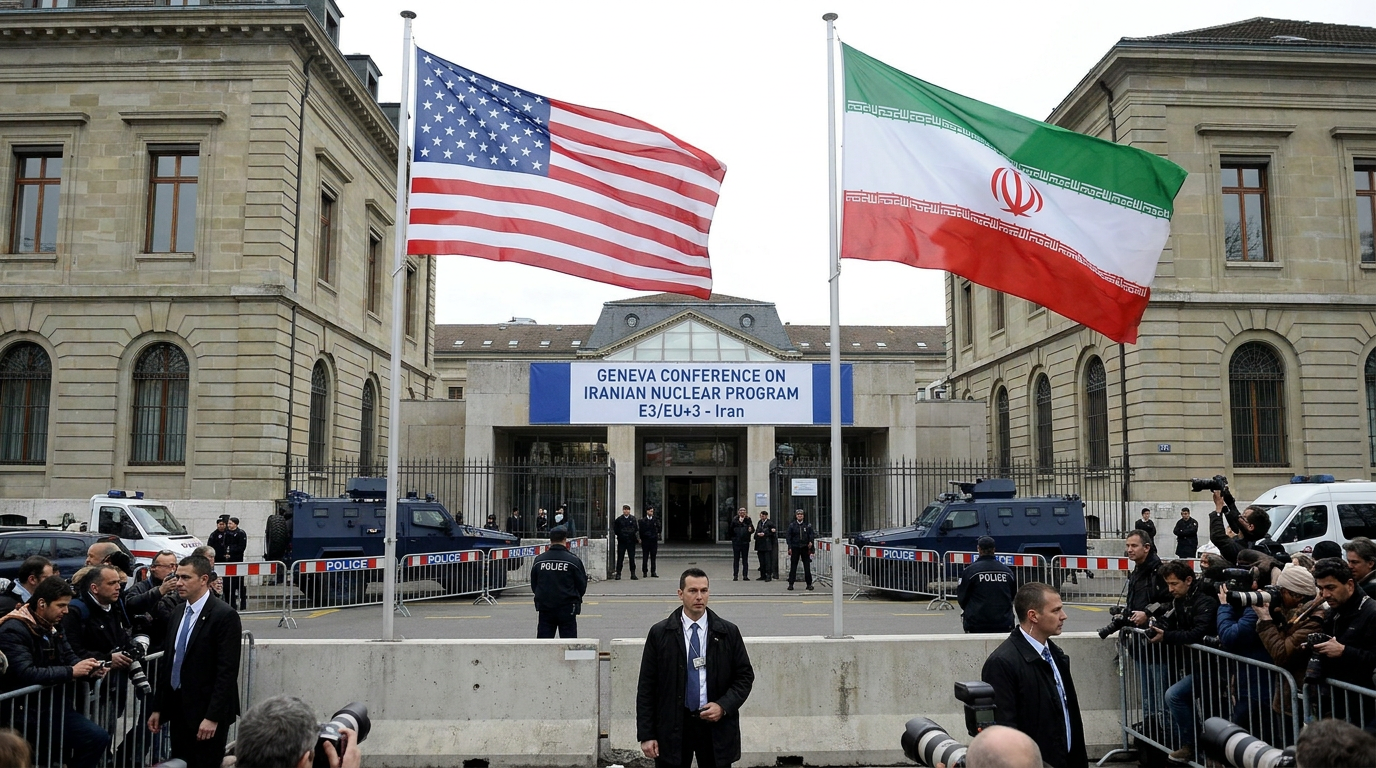
The immediate casualty of the weekend's violence was a critical US-Iran implementation summit scheduled to take place in Switzerland. Iranian officials outright refused to travel to the diplomatic gathering, insisting that the United States had failed to enforce the terms of their new agreement by allowing Israel to continue its military operations. The cancellation was so abrupt that US Vice President JD Vance, who is leading the peace negotiations for the administration, had his flight to Europe aborted on the tarmac. The diplomatic whiplash underscored the extreme fragility of the Middle East's current geopolitical landscape, where trust between the primary actors remains virtually nonexistent.[1][2]
The broader framework at risk is a memorandum of understanding (MOU) signed earlier in the week by US President Donald Trump and Iranian officials. The agreement represents the closest the two nations have come to a permanent resolution since their direct military conflict erupted in February. The MOU establishes a 60-day ceasefire window designed to halt hostilities, reopen critical maritime trade routes, and set the stage for complex, long-term negotiations over Iran's nuclear program and billions of dollars in frozen assets. For the Trump administration, the deal is a signature foreign policy priority aimed at extricating the US military from an unpopular Middle Eastern war.[1][2][3]

For the global economy, the stakes of salvaging the agreement are nearly existential. The four-month war severely disrupted maritime traffic through the Strait of Hormuz, a strategic chokepoint through which roughly one-fifth of the world's oil and gas trade passes. The resulting blockade triggered a spiraling global energy crisis and threatened widespread economic chaos. The MOU's promise to reopen the waterway has already provided immense relief to Arab Gulf states, who rely heavily on the strait for their exports. If the broader ceasefire holds, it will allow the passage of commercial vessels to resume without the threat of Iranian interception, stabilizing markets that have been on edge for months.[1][2]
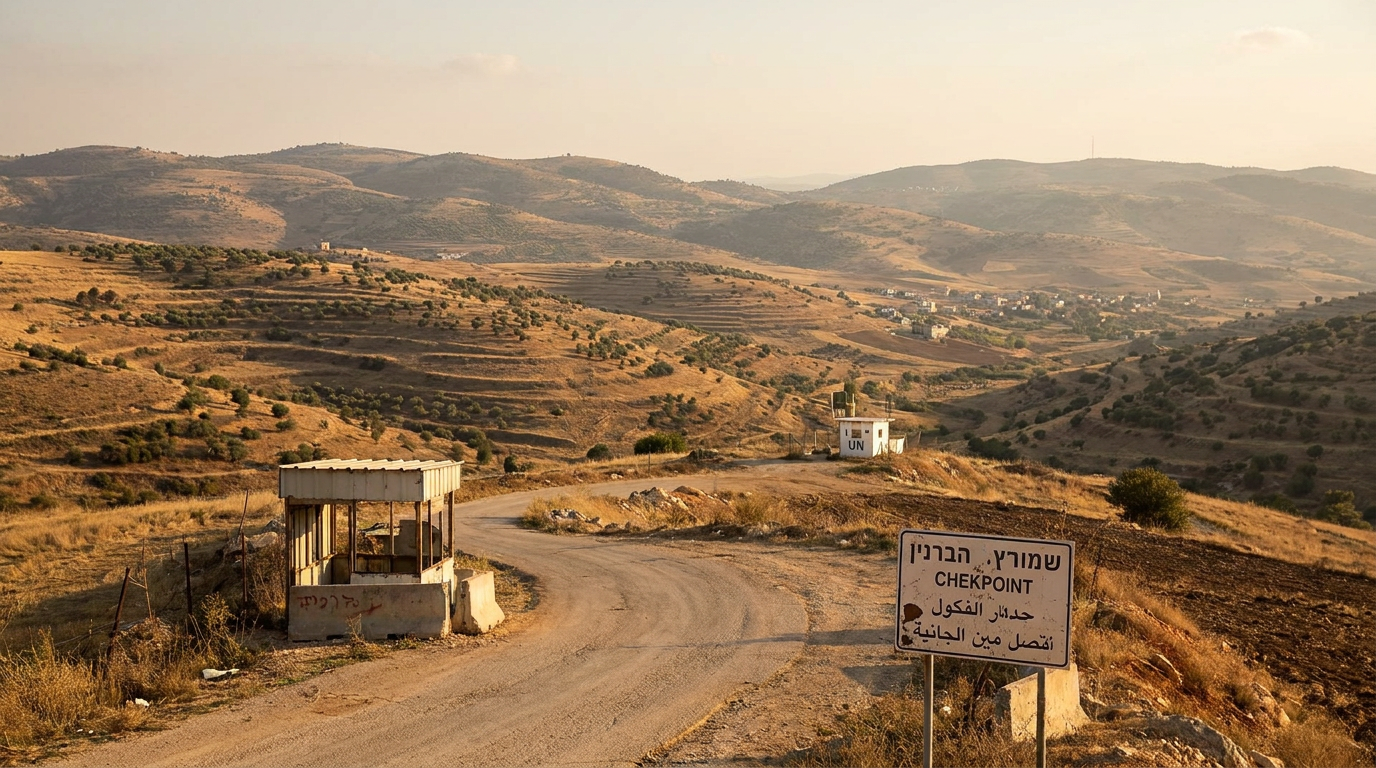
However, the survival of the US-Iran pact is inextricably linked to the situation in the Levant. During the negotiations, Iranian diplomats were adamant that any comprehensive peace agreement must include a complete and permanent cessation of military operations on all fronts. This explicitly places Israel's ongoing campaign against Hezbollah in southern Lebanon squarely in the crosshairs of the agreement. Tehran has signaled its willingness to risk renewed war with the United States to protect its most important regional proxy, effectively using the global desire for open shipping lanes as leverage to force an Israeli withdrawal from Lebanese territory.[2][7]
However, the survival of the US-Iran pact is inextricably linked to the situation in the Levant.
Israel, which is not a signatory to the MOU, has vehemently rejected the notion that it is bound by the Washington-Tehran agreement. Prime Minister Benjamin Netanyahu has publicly vowed that the Israel Defense Forces will not withdraw from southern Lebanon until the country's northern border is definitively secure from Hezbollah attacks. Israeli officials have insisted that they retain the sovereign right to defend themselves against the Iran-backed militant group, regardless of the diplomatic timelines established by the United States. This defiant stance set the stage for the explosive weekend confrontation.[4][6]

Tensions boiled over when Hezbollah launched an attack that killed four Israeli soldiers, testing the limits of the newly declared truce. Israel responded with overwhelming force, launching a wave of retaliatory airstrikes across southern Lebanon and the Bekaa Valley that left at least 47 people dead. The violence immediately paralyzed the broader peace process, as Tehran accused Washington of failing to rein in its closest ally. The deadly exchange highlighted the inherent flaw in the MOU: attempting to mandate a ceasefire for proxy forces without securing the buy-in of the primary combatants on the ground.[1][2]
The escalating crisis prompted direct and forceful intervention from the White House. President Trump stated in a television interview that he personally urged Israeli officials to agree to the Lebanon ceasefire, describing a halt to the northern fighting as the "little icing on the cake" needed to allow broader US-Iran diplomacy to unfold beautifully. Behind the scenes, the administration's frustration with Jerusalem has become increasingly palpable. US officials recognize that without a quiet Lebanese border, the entire architecture of the Iran peace deal—and the economic relief it promises—could collapse in a matter of days.[3][5]
The friction between Washington and Jerusalem has led to unusually blunt public warnings. Following the cancellation of the Swiss summit, Vice President Vance delivered a stark message to Israeli leadership, reminding them that Trump remains their "only powerful ally" in the world and cautioning against biting the hand of the superpower. Furthermore, US intelligence agencies have reportedly warned the administration that Netanyahu, facing immense domestic political pressure, might take deliberate steps to undermine the Iran deal. For the Israeli premier, suspending hostilities or withdrawing from Lebanon under Iranian pressure would be widely viewed as a humiliating political defeat.[1][3]

Inside Israel, the US-Iran deal has sparked widespread anger, anxiety, and feelings of profound betrayal across the political spectrum. Israeli officials and commentators argue that the agreement effectively rewards Tehran, funneling billions of dollars to the regime and leaving its nuclear infrastructure largely intact, while simultaneously handcuffing Israel's military objectives. National Security Minister Itamar Ben Gvir declared that Israel is "not a banana republic" subordinate to the United States, reflecting a deep-seated fear that Washington is prioritizing a quick exit from the Middle East over the long-term security of its closest regional ally.[4][6]
With the Lebanon border tentatively quieted, international mediators from Qatar and Pakistan are scrambling to get American and Iranian negotiators back to the table. The aborted Switzerland summit must be rescheduled quickly to capitalize on the momentum of the initial signing and to establish the verification mechanisms for the Strait of Hormuz. Over the next 60 days, diplomats face the monumental task of translating a fragile, multi-front ceasefire into a permanent geopolitical realignment. Whether this temporary truce hardens into a lasting peace or collapses back into a devastating regional war will depend entirely on whether the disparate factions can maintain discipline on the ground.[1][2][7]
How we got here
Feb 2026
Direct military conflict erupts between the United States and Iran, disrupting global energy markets.
April 2026
An initial, fragile two-week ceasefire is brokered by Pakistan but is repeatedly violated.
June 17, 2026
The US and Iran sign a memorandum of understanding establishing a 60-day truce and reopening the Strait of Hormuz.
June 19, 2026
A violent flare-up between Israel and Hezbollah forces the cancellation of a US-Iran implementation summit in Switzerland.
June 20, 2026
Under intense US pressure, Israel and Hezbollah agree to renew their ceasefire, tentatively saving the broader peace deal.
Viewpoints in depth
The US Administration's view
Washington prioritizes extricating itself from the conflict and reopening global shipping lanes.
For the White House, the memorandum of understanding is a signature foreign policy achievement that ends a costly four-month war. US officials argue that reopening the Strait of Hormuz is paramount to preventing a global economic meltdown. Consequently, the administration views Israel's continued operations in Lebanon as a dangerous complication that threatens to unravel the broader peace framework, prompting unusually blunt public warnings to its closest Middle Eastern ally.
The Israeli perspective
Jerusalem feels betrayed by an agreement that leaves Iran's nuclear infrastructure intact.
Across the Israeli political spectrum, the US-Iran deal is viewed with deep suspicion and anger. Leaders argue that the agreement rewards Tehran with sanctions relief and frozen assets while failing to dismantle its nuclear program. Furthermore, Israeli officials vehemently reject the notion that a bilateral US-Iran pact should dictate Israel's security policy in Lebanon, insisting that the IDF must remain until the northern border is permanently secured against Hezbollah.
Iran's demands
Tehran leverages the global need for open shipping lanes to protect its regional proxy network.
Iran has explicitly tied the success of the broader peace negotiations to the cessation of Israeli military operations in Lebanon. By refusing to attend the implementation summit in Switzerland while fighting continued, Tehran demonstrated its willingness to risk the entire agreement—and the associated economic relief—to shield Hezbollah. Iranian negotiators insist that a true end to the war requires a complete cessation of hostilities on all fronts.
What we don't know
- Whether the Israel-Hezbollah ceasefire will hold long enough for the US and Iran to reschedule their summit.
- How much of Iran's frozen assets will be released during the 60-day negotiation window.
- Whether Israel will ultimately agree to withdraw its forces from southern Lebanon.
Key terms
- Strait of Hormuz
- A highly strategic waterway between the Persian Gulf and the Gulf of Oman, through which roughly one-fifth of the world's oil and gas trade passes.
- Memorandum of Understanding (MOU)
- A formal agreement between two or more parties that outlines the terms and details of an understanding, often serving as the foundation for a final, binding treaty.
- Proxy Force
- An armed group that acts on behalf of, or is supported by, a larger power that is not directly involved in the hostilities, such as Hezbollah's relationship with Iran.
Frequently asked
Why was the US-Iran summit in Switzerland canceled?
Iranian officials refused to attend the summit after a violent flare-up between Israel and Hezbollah, insisting that the peace deal requires a complete cessation of hostilities on all fronts.
What does the US-Iran memorandum of understanding do?
The agreement establishes a 60-day ceasefire, reopens the Strait of Hormuz to commercial shipping, and sets the stage for negotiations over Iran's nuclear program and frozen assets.
Why is Israel opposed to the agreement?
Israeli leaders argue the deal enriches Iran while leaving its nuclear infrastructure intact, and they reject the condition that Israel must halt its military campaign against Hezbollah in Lebanon.
Sources
Source coverage
7 outlets
3 viewpoints surfaced







[1]The GuardianIranian Government
Israel and Hezbollah agree to renew ceasefire after flareup of violence
Read on The Guardian →[2]PBSIranian Government
Israel and Hezbollah renew ceasefire after U.S. and Iran call off talks over fighting in Lebanon
Read on PBS →[3]The Washington PostUS Administration
U.S. intelligence warns Israel is likely to undermine Iran peace deal, officials say
Read on The Washington Post →[4]The Times of IsraelIsraeli Leadership
Netanyahu vows IDF to stay in Lebanon amid US and Iranian pressure
Read on The Times of Israel →[5]CBS NewsUS Administration
Trump says he personally asked Israel to agree to ceasefire with Hezbollah
Read on CBS News →[6]Middle East EyeIsraeli Leadership
'Israel is weaker': Israeli political class reacts angrily to the US-Iran peace deal
Read on Middle East Eye →[7]Al JazeeraIranian Government
Iran war day 113: Tehran presses US over Lebanon ceasefire
Read on Al Jazeera →

More in news politics
See all 7 stories →US-Iran Deal
Inside the U.S.-Iran Peace Deal: How the Islamabad Memorandum Halted a 110-Day War
7 sources

US-Iran Deal
US Envoys Arrive in Switzerland for Iran Talks as Israel Fumes Over Peace Deal
8 sources
Information Ecosystem
Evidence Pack: Does Crowdsourced Fact-Checking Actually Work?
6 sources

US-Iran Deal
Fragile US-Iran Ceasefire Holds as Trump Envoys Head to Switzerland Amid Israeli Backlash
7 sources
Every angle. Every day.
Get news politics stories with full source coverage and perspective breakdowns delivered to your inbox.