
How 'Cozy Fantasy' and 'Solarpunk' Became Publishing's Antidote to Dystopian Fatigue
As readers increasingly reject grim and apocalyptic narratives, subgenres focused on low-stakes comfort, radical kindness, and optimistic climate futures are dominating the 2026 literary market.
By Factlen Editorial Team
- Cozy Fiction Advocates
- Readers and authors who believe literature should provide emotional safety and comfort in a stressful world.
- Solarpunk Visionaries
- Writers and environmentalists who argue that optimistic, sustainable sci-fi is necessary to inspire real-world climate action.
- Literary Traditionalists
- Critics who worry that removing conflict and stakes from fiction reduces it to pure escapism.
What's not represented
- · Traditional publishers who initially resisted the low-stakes trend
- · Authors of grimdark fiction adapting to the changing market
Why this matters
The media we consume shapes our worldview. The shift toward optimistic, community-focused literature suggests a cultural pivot away from cynicism and despair, offering readers blueprints for how to build a better, more sustainable future.
Key points
- The publishing industry is seeing a massive shift away from dystopian and 'grimdark' narratives toward optimistic, low-stakes fiction.
- Cozy fantasy focuses on domestic magic, community building, and emotional safety, popularized by breakout hits like Legends & Lattes.
- Solarpunk offers an optimistic alternative to climate doom, imagining futures where humanity thrives in harmony with nature.
- The hopepunk philosophy frames kindness and cooperation as radical acts of rebellion against a cynical world.
- The trend is driven by readers seeking a 'literary ASMR experience' to counter real-world anxieties and political polarization.
For the better part of two decades, the speculative fiction landscape was defined by its darkness. From the brutal political machinations of epic fantasy series to the dystopian survivalism of young adult blockbusters, readers flocked to "grimdark" narratives that explored the bleakest aspects of human nature. These stories operated on a fundamental assumption: that high stakes, moral ambiguity, and existential threats were the necessary ingredients for compelling literature. But in 2026, the publishing industry is experiencing a seismic shift in the opposite direction, driven by a readership that is fundamentally exhausted by fictional trauma.[8]
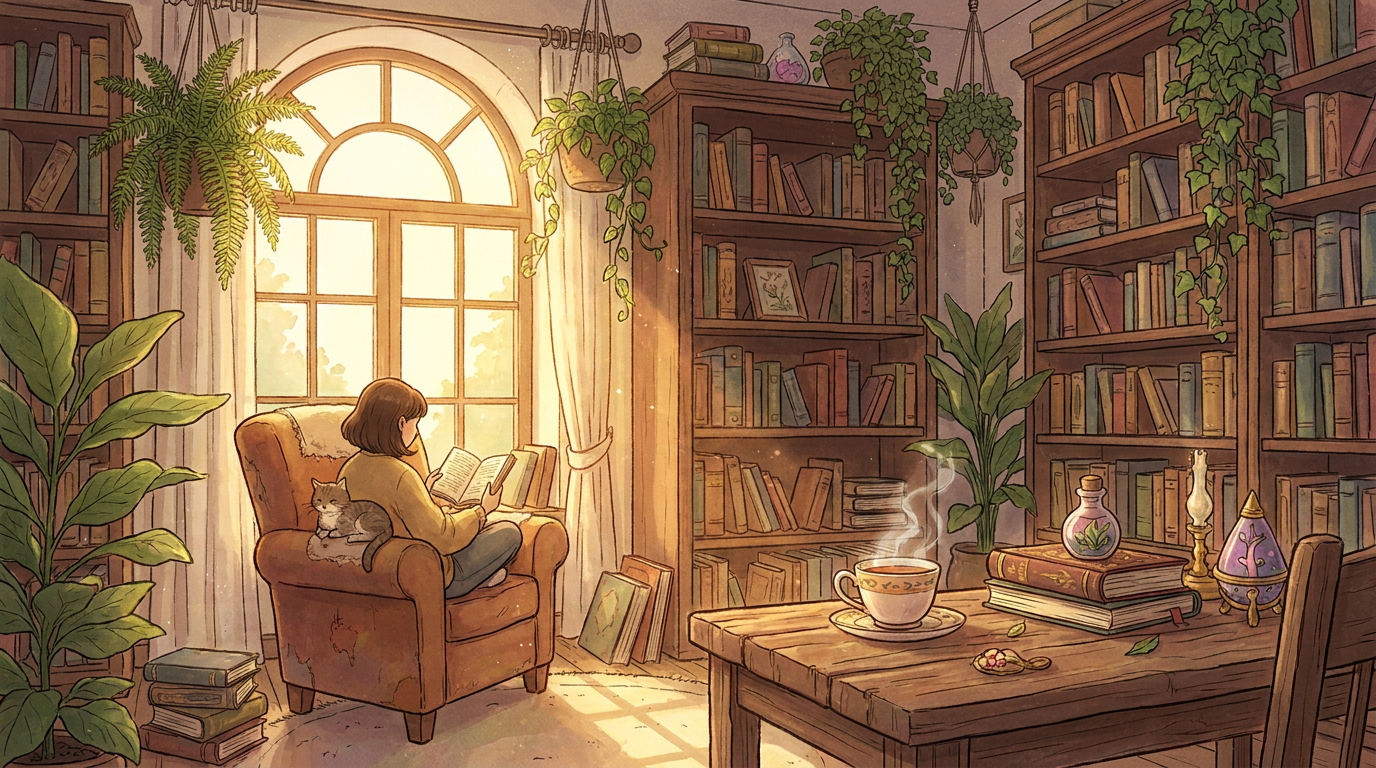
Walk into any major bookstore today, and the display tables tell a remarkably different story. Instead of blood-spattered swords and post-apocalyptic wastelands, the covers feature steaming teacups, lush green cities, and quiet village bakeries. This is the era of "cozy fantasy," "solarpunk," and "hopepunk"—a triad of rapidly growing subgenres that prioritize comfort, community, and optimistic futures over existential dread. What began as a niche internet subculture has matured into a dominant market force, fundamentally reshaping what publishers acquire and what readers expect from speculative fiction.[2][4]
The movement's breakout moment is widely traced back to Travis Baldree's *Legends & Lattes*, a novel billed simply and unapologetically as "high fantasy and low stakes." The story follows a battle-weary orc who retires from a life of violent adventuring to open a coffee shop in a quiet town. There are no dark lords to defeat, no ancient prophecies to fulfill, and no kingdoms to save. The primary conflict revolves around whether the protagonist can successfully brew a cappuccino, attract local customers, and make friends in a new community.[4]
What started as a self-published pandemic project designed to soothe the author's own anxieties has exploded into a highly lucrative publishing category. Industry analysts note that cozy fantasy has become a massive economic driver, propelled heavily by visual social media platforms like BookTok and Bookstagram. Readers are initially drawn to the "cottagecore" aesthetics of these books—the illustrated covers featuring cozy cottages and spell books—but they stay for the emotional safety the narratives provide. The genre inspires fierce series loyalty, as readers discover they can trust certain authors to provide consistent, reliable comfort.[3][4]

Publishing experts and literary agents describe the appeal of cozy fantasy as a "literary ASMR experience." In a world characterized by intense political polarization, economic uncertainty, and a relentless 24-hour news cycle of global crises, readers are actively seeking media that lowers their heart rate rather than raising it. The genre offers a guaranteed equilibrium: a small business might struggle to pay rent, or a magical cake might burn in the oven, but the fabric of the world will never tear. For many, this predictability is a feature, not a bug.[3]
While cozy fantasy offers a domestic retreat from the world, its sister genre, "solarpunk," tackles global anxieties head-on—specifically, the overwhelming dread surrounding the climate crisis. Solarpunk is a speculative fiction and artistic movement that asks a radically optimistic question: What would the world actually look like if humanity succeeded in solving climate change? It serves as a direct counter-narrative to the doom-laden projections that dominate both the daily news and traditional science fiction. By refusing to accept environmental collapse as an inevitability, solarpunk provides a space for readers to imagine a future where human ingenuity and ecological stewardship have triumphed over corporate greed and fossil fuel dependency.[1][5]
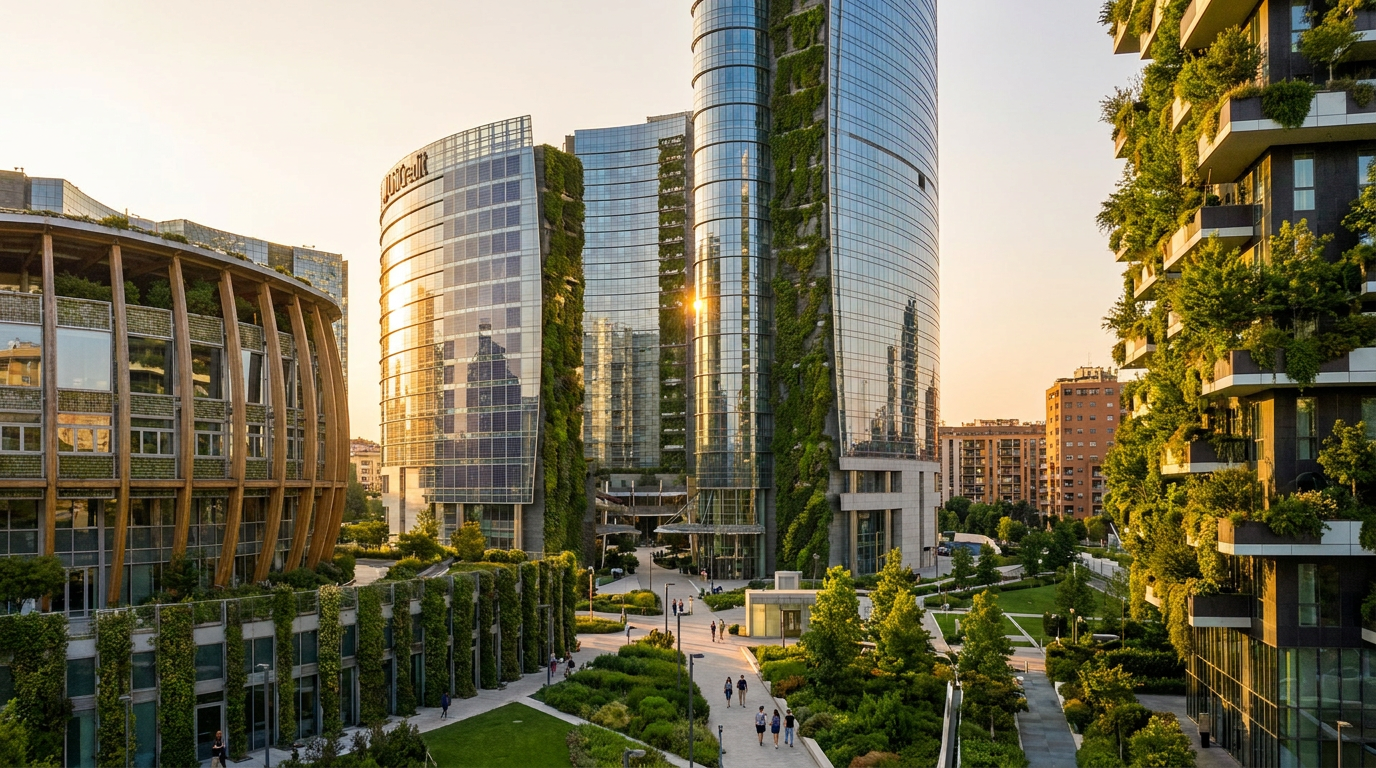
Unlike traditional "cli-fi" (climate fiction), which often leans heavily into dystopian warnings of flooded coastal cities, violent resource wars, and total societal collapse, solarpunk imagines a future defined by renewable energy and ecological harmony. It envisions green cities glowing under warm, solar-harnessed skies, where community-driven technology is used not to conquer or extract from nature, but to actively complement it. In these narratives, homes might be powered by advanced, localized biodigesters, and urban landscapes are seamlessly integrated with thriving, protected wilderness. The aesthetic is inherently bright and warm, replacing the cold steel and neon of cyberpunk with natural wood, abundant plant life, and cooperative living spaces.[1][2]
In these narratives, homes might be powered by advanced, localized biodigesters, and urban landscapes are seamlessly integrated with thriving, protected wilderness.
Authors like Becky Chambers, whose acclaimed *Monk and Robot* series features a tea-brewing monk traveling through a sustainable, post-industrial wilderness, have become the vanguard of this movement. These stories argue that dystopian fiction, while initially valuable as a societal warning, can eventually inadvertently breed apathy and climate despair. If the end of the world is viewed as a foregone conclusion, there is no motivation to prevent it. Solarpunk, by contrast, offers a tangible blueprint for a future that readers might actually want to live in, arguing that hope is a far more effective motivator than fear.[2][5]

Tying these aesthetic and thematic shifts together is the overarching philosophical framework of "hopepunk." Coined in 2017 by fantasy author Alexandra Rowland as the direct, intentional antithesis to grimdark, hopepunk is less about a specific magical setting or technological level, and more about a moral worldview. It is the narrative embodiment of weaponized optimism, asserting that in a chaotic, unfair, and often cruel world, choosing kindness, cooperation, and empathy is a radical act of rebellion. Hopepunk stories do not pretend that evil or systemic injustice do not exist; rather, they focus entirely on the characters who refuse to surrender to apathy in the face of those overwhelming odds.[6]
Hopepunk operates on the premise that human beings are fundamentally capable of goodness, rejecting the cynical, Hobbesian notion that people will inevitably turn on each other the moment resources become scarce. Instead of lone, brooding anti-heroes cutting a bloody swath through their enemies to achieve their goals, hopepunk narratives focus on characters fighting for positive change through communal support and collective action. The victories in these stories are rarely achieved through overwhelming violence or magical supremacy; they are won through mutual aid, deep understanding, and the painstaking, unglamorous work of building functional, inclusive communities from the ground up.[6][8]
This literary shift is not without its detractors. Some traditional literary critics have dismissed these emerging genres as pure escapism, arguing that "plotless" stories about magical tea shops and conflict-free utopian societies deliberately ignore the pressing, complex realities of the modern world. They caution that retreating into comforting, low-stakes fiction can be a dangerous form of societal disengagement, allowing readers to hide from difficult political and environmental truths rather than confronting them through challenging, provocative art. To these critics, the removal of high stakes and deep moral conflict strips literature of its primary function: to interrogate the human condition in all its messy, often tragic complexity.[8]
However, proponents of the movement push back strongly against the idea that softness equates to weakness, or that optimism is inherently less serious than pessimism. They argue that envisioning a better world is the necessary, non-negotiable first step to actually building one. As one solarpunk advocate noted, dystopia shows us what happens if we fail to act, but solarpunk shows us what we are actually fighting to achieve. In a culture that has long equated "serious" literature with darkness and trauma, these genres insist that comfort, healing, and joy are equally legitimate artistic pursuits.[1][5]
The economics of the publishing industry suggest this trend is far from a passing pandemic-era fad. By 2026, the sustained, overwhelming demand for comfort reads has prompted major publishers to expand the "cozy" label into entirely new territories. Readers are now seeing the rapid rise of "cozy sci-fi," "cozy mysteries," and even the seemingly paradoxical "cozy horror"—stories that maintain a gentle, character-driven focus and guarantee emotional safety, even when exploring traditionally darker or more suspenseful themes. This genre-blurring proves that the core appeal is not the specific setting, but the underlying promise made to the reader: that they will be taken care of, and that the narrative will not betray their trust for the sake of a shocking twist.[7]

Furthermore, the movement is actively democratizing the types of stories that get told, and who gets to tell them. Because these genres emphasize community building over violent conquest, they frequently center marginalized voices, queer-normative worlds, and diverse, intersectional casts. The narrative focus shifts away from the "chosen one" archetype—usually a solitary figure destined for greatness—and instead highlights the quiet, transformative power of the collective. It validates the everyday heroism of simply existing, caring for others, and striving to leave a small corner of the world better than it was found.[2][8]
Ultimately, the explosion of cozy fantasy, solarpunk, and hopepunk reflects a profound, structural shift in the cultural zeitgeist. After years of consuming media that deliberately amplified their anxieties and capitalized on their deepest fears, a massive segment of the reading public has collectively decided they have had enough. They are no longer willing to pay for the privilege of being stressed out by their entertainment, choosing instead to invest their time and money in narratives that actively restore their emotional reserves. This is not a retreat from reality, but a calculated strategy for surviving it, using literature as a tool for psychological resilience.[3][4]
By choosing stories that validate their desire for gentleness, readers are proving that literature does not need to be grim, violent, or apocalyptic to be deeply meaningful. They are demanding a new kind of storytelling that prioritizes healing over harm, and cooperation over conflict. In doing so, they are reshaping the global publishing landscape, one low-stakes, heartwarming, and radically optimistic chapter at a time. As the world continues to navigate unprecedented challenges, the enduring legacy of this literary movement may be its simple, unwavering insistence that a better, kinder future is not only possible, but entirely within our grasp to imagine.[8]
How we got here
2017
Author Alexandra Rowland coins the term 'hopepunk' on Tumblr as the philosophical opposite of grimdark.
2020
The onset of the global pandemic drives a massive surge in reader demand for escapist, low-stress fiction.
2022
Travis Baldree's self-published novel Legends & Lattes is traditionally published, becoming a breakout hit and cementing the cozy fantasy subgenre.
2024
Solarpunk gains significant mainstream traction as an antidote to widespread climate anxiety.
2026
The 'cozy' label expands across the publishing industry, spawning hybrid genres like cozy sci-fi and cozy horror.
Viewpoints in depth
Cozy Fiction Advocates
Argue that literature doesn't need to be traumatic to be valuable, and that emotional safety is a legitimate artistic choice.
Proponents of cozy fiction argue that the traditional literary establishment has long suffered from a bias that equates darkness and trauma with artistic seriousness. They point out that in an era defined by constant real-world crises, providing readers with a guaranteed safe space is a profound and necessary service. By removing existential threats from the narrative, authors can focus more deeply on character relationships, personal growth, and the quiet triumphs of everyday life.
Solarpunk Visionaries
Believe that dystopian fiction breeds climate apathy, and that society needs optimistic blueprints of sustainable futures to inspire real-world action.
Solarpunk advocates argue that the endless parade of post-apocalyptic media has inadvertently convinced the public that environmental collapse is inevitable. They believe that if people cannot imagine a sustainable future, they will not fight for one. By presenting meticulously researched, technologically plausible visions of a green, equitable world, solarpunk aims to shift the cultural mindset from climate despair to active, hopeful problem-solving.
Literary Traditionalists
Express concern that the rejection of conflict and high stakes in fiction amounts to societal escapism.
Some critics worry that the overwhelming demand for 'safe' fiction reflects a broader cultural unwillingness to engage with difficult realities. They argue that literature's historical role has been to challenge the reader, provoke uncomfortable thoughts, and reflect the messy complexities of the human condition. From this perspective, stories that artificially remove conflict and guarantee happy endings risk infantilizing the reader and reducing art to mere pacification.
What we don't know
- Whether the demand for cozy fiction will wane if real-world political and economic anxieties stabilize.
- How traditional literary awards and institutions will adapt to recognize low-stakes, comfort-focused narratives.
- If the optimistic blueprints of solarpunk fiction will translate into tangible, real-world climate policy and architectural design.
Key terms
- Grimdark
- A subgenre of speculative fiction characterized by a bleak, dystopian, or amoral tone, often featuring violence and morally ambiguous characters.
- Solarpunk
- A movement in speculative fiction and art that envisions a sustainable, optimistic future powered by renewable energy and ecological harmony.
- Hopepunk
- A narrative framework where characters actively fight for a better world through kindness, cooperation, and weaponized optimism.
- Cottagecore
- An internet aesthetic that romanticizes a simple, rural lifestyle, often featuring baking, gardening, and cozy domesticity, which heavily influences cozy fantasy.
Frequently asked
What is the difference between cozy fantasy and epic fantasy?
Epic fantasy typically involves high stakes, such as saving the world or defeating a dark lord, with a focus on battles and complex magic systems. Cozy fantasy focuses on low-stakes, everyday problems, such as running a business or building a community, prioritizing emotional comfort.
Who coined the term 'hopepunk'?
The term was coined in 2017 by fantasy author Alexandra Rowland as the direct opposite of 'grimdark,' describing stories where characters fight for positive change through radical kindness.
How does solarpunk differ from traditional climate fiction?
Traditional climate fiction (cli-fi) often focuses on dystopian scenarios of environmental collapse and resource scarcity. Solarpunk is an optimistic subgenre that imagines a future where humanity has successfully solved the climate crisis and lives in harmony with nature.
Sources
Source coverage
8 outlets
3 viewpoints surfaced








[1]Mother JonesSolarpunk Visionaries
What If We Actually Beat Climate Change?
Read on Mother Jones →[2]MediaCat MagazineSolarpunk Visionaries
Cosy fantasy and solarpunk: how new utopian books give us hope
Read on MediaCat Magazine →[3]Jane FriedmanCozy Fiction Advocates
The Rise of Cozy Fantasy and the Demand for Comfort Reads
Read on Jane Friedman →[4]Novelists, Inc.Cozy Fiction Advocates
The Rise of Cozy Fantasy and Why It Matters
Read on Novelists, Inc. →[5]Edge EffectsSolarpunk Visionaries
Solarpunk Narrates Futures Beyond Climate Despair
Read on Edge Effects →[6]WikipediaLiterary Traditionalists
Hopepunk
Read on Wikipedia →[7]BooksShelfCozy Fiction Advocates
What's hot in 2026? Cozy Fantasy and Hybrid Genres
Read on BooksShelf →[8]Factlen Editorial TeamLiterary Traditionalists
Synthesis by Factlen editorial team
Read on Factlen Editorial Team →
Every angle. Every day.
Get culture stories with full source coverage and perspective breakdowns delivered to your inbox.