
The Rise of Solarpunk: How Science Fiction is Rewriting Our Climate Future
Weary of dystopian gloom, a growing movement of authors and readers is embracing 'solarpunk' and 'hopepunk'—genres that imagine a sustainable, community-driven future built on radical optimism.
By Factlen Editorial Team
- Solarpunk Advocates
- View the genre as a necessary tool for combating climate despair and inspiring real-world action.
- Literary Skeptics
- Argue that overly optimistic settings lack the narrative tension required for compelling storytelling.
- Publishing Analysts
- Track the genre as a market response to readers' dystopia fatigue and post-pandemic anxieties.
What's not represented
- · Mainstream film and television executives who still heavily invest in dystopian franchises.
- · Frontline climate scientists evaluating the technical feasibility of solarpunk's green technologies.
Why this matters
The stories we tell about the future shape the policies and technologies we build today. By shifting from climate doom to actionable optimism, solarpunk provides a psychological and practical blueprint for navigating the climate crisis.
Key points
- Solarpunk is a speculative fiction subgenre focused on renewable energy, sustainability, and harmony with nature.
- Hopepunk emphasizes radical kindness and community resilience as a rebellion against cynicism.
- The movement arose as a direct counter to the 'grimdark' and dystopian trends that dominated the 2000s and 2010s.
- Authors like Becky Chambers and Kim Stanley Robinson use the genre to explore the aftermath of climate struggles.
- Critics argue the genre can lack narrative tension, while advocates say it provides a vital blueprint for climate optimism.
For the better part of two decades, the future has looked exceedingly bleak. From the irradiated wastelands of The Road to the hyper-capitalist dystopias of Cyberpunk 2077 and the brutal survivalism of The Hunger Games, popular culture has largely agreed that tomorrow will be worse than today. This "grimdark" dominance reflected genuine societal anxieties about climate change, technological overreach, and institutional decay. But a growing faction of readers and writers has hit a wall of dystopia fatigue, seeking an escape to somewhere far better than here.[5][9]
Enter "solarpunk" and "hopepunk"—twin literary and aesthetic movements that are aggressively rewriting the script on humanity's future. Rather than asking how the world ends, these genres ask a much more difficult question: What does it look like if we actually solve our biggest problems? By focusing on the changes society could make, the movement aims to move audiences past climate anxiety and into a space of actionable optimism.[4][9]
Solarpunk, which officially entered The Encyclopedia of Science Fiction in 2024, is a subgenre of speculative fiction that envisions a sustainable future interconnected with nature and community. The "solar" represents renewable energy and a rejection of climate doomerism, while the "punk" refers to the countercultural, anti-capitalist rebellion required to build such a world. It draws practical inspiration from real-world sustainable architecture and renewable technologies.[3]
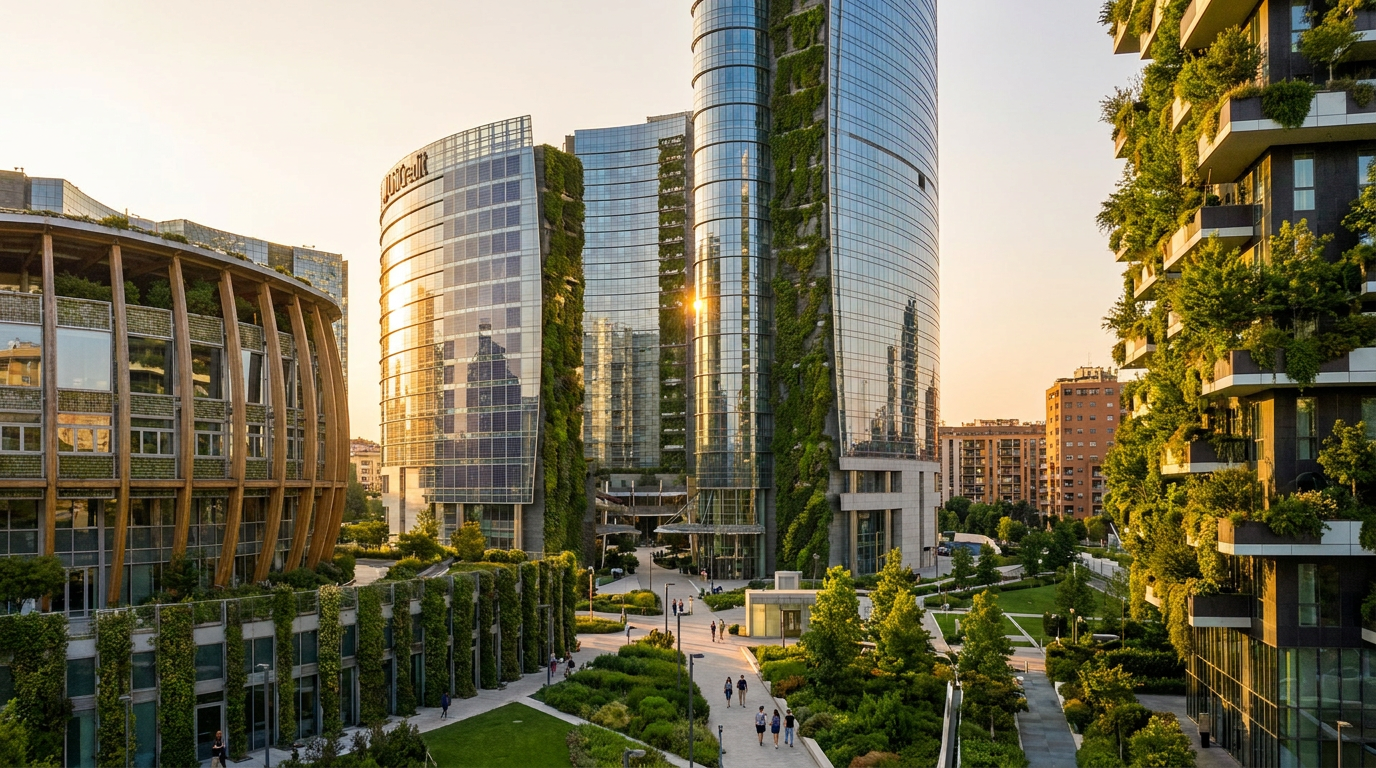
If cyberpunk is defined by "high tech and low life"—where neon-soaked mega-corporations alienate humanity from nature—solarpunk is its direct foil. It imagines a world where technology is deployed not to conquer the natural world, but to complement it. In solarpunk narratives, characters might live in skyscrapers engulfed by vines, utilize solar-powered root cellars, or manage communal desalination plants that irrigate deserts.[1][3]

Closely related is "hopepunk," a term coined in 2017 by author Alexandra Rowland to describe narratives where radical kindness and community resilience act as weapons against cynical nihilism. Hopepunk insists that in a world structured around brutal competition and endless misery, choosing to care for one another is a profound act of rebellion. It is the narrative equivalent of fighting for positive change with radical empathy.[5][8]
The vanguard of this movement includes authors like Becky Chambers, whose Hugo Award-winning Monk and Robot series has become a foundational text for the genre. Chambers sketches a world called Panga, where humanity survived a climate collapse, granted independence to their newly sentient robots, and fundamentally reorganized society to live in balance with the ecosystem.[1][2]
Chambers' work is deliberately gentle, focusing on a traveling tea monk and a robot trying to understand human desires. Yet, beneath the cozy aesthetic of cob houses and solar-powered camper vans lies a rigorous philosophical argument. The series suggests that true freedom might mean living in a society where all beings are treated with indiscriminate dignity, even if individuals still struggle to find their own existential purpose.[2]
Chambers' work is deliberately gentle, focusing on a traveling tea monk and a robot trying to understand human desires.
Other heavyweights of speculative fiction have tackled the genre from a more grounded, near-future perspective. Kim Stanley Robinson's New York 2140 does not start in a lush utopia; instead, it portrays a flooded Manhattan where residents have turned skyscrapers into co-op housing. The focus is on the gritty, collective work of sharing resources and surviving the slow destruction of the old world to build a new one.[7]

This focus on the work of rebuilding is crucial to understanding solarpunk's mechanism. As author and editor Sarena Ulibarri notes, solarpunk does not ignore the realities of ecological collapse or pretend that society has suddenly become worthy of utopia. Instead, it moves past climate anxiety by focusing on adaptation and systemic change. It is less about a magical paradise and more about the messy, ongoing process of transitioning away from extractive capitalism.[1][4]
"We've gone from The Road to repairing the road," is how some publishing analysts describe the shift. Instead of lone-wolf protagonists hoarding ammunition, these stories feature communities planting guerrilla wetlands, engineering agrivoltaic farms, and negotiating the equitable distribution of resources. The heroism lies in cooperation and mutual aid, not domination and violence.[1][8]
However, the movement is not without its detractors. Some literary traditionalists and critics argue that solarpunk and hopepunk lack the narrative tension required for compelling fiction. They contend that stories devoid of deep conflict or pessimistic realities risk becoming quaint, cute, and cozy reflections that ignore the darker, more selfish aspects of human nature. To these skeptics, a world where everyone simply agrees to be nice is a naive fantasy, or worse, a terrifying sci-fi dystopia of enforced positivity.[6]
Solarpunk authors counter that this critique fundamentally misunderstands the genre. The optimism of solarpunk is not born of ignorance, but of defiance. As essayist Rebecca Solnit has argued in broader climate discussions, "climate despair is a luxury" that only the privileged can afford; for the vulnerable, giving up means surrendering to devastation. Hope, in this context, requires immense struggle.[2][4]

Furthermore, the best solarpunk stories still feature profound conflict—it is just a different kind of conflict. Characters still experience grief, political disagreements, and logistical failures. The tension arises from the difficulty of maintaining a just society, dealing with the scars of the past, and navigating the complexities of human relationships in a world that is healing but not yet whole.[1][4]
The impact of these genres is already bleeding off the page and into the real world. Online communities dedicated to solarpunk share blueprints for open-source agricultural tools, celebrate right-to-repair legislation, and organize local mutual aid networks. The aesthetic of green cities and warm, solar-lit futures is even beginning to influence urban planning, advertising, and architectural design.[1][5]
Ultimately, solarpunk and hopepunk serve as a vital thought experiment for a society paralyzed by the scale of its own crises. By refusing to concede the future to dystopia, these stories provide a psychological blueprint for survival. They remind readers that while the work of saving the world is daunting, the future is not yet written—and it might just be beautiful.[4][9]

How we got here
1974
Ursula K. Le Guin publishes 'The Dispossessed', laying early philosophical groundwork for anti-capitalist, sustainable sci-fi.
2014
Adam Flynn publishes 'Solarpunk: Notes toward a manifesto', helping formalize the aesthetic and literary movement.
2017
Author Alexandra Rowland coins the term 'hopepunk' on Tumblr to describe fiction where kindness is a political act.
2021
Becky Chambers publishes 'A Psalm for the Wild-Built', bringing solarpunk themes to mainstream bestseller lists.
2024
Solarpunk is officially added to The Encyclopedia of Science Fiction as a recognized subgenre.
Viewpoints in depth
Solarpunk Authors & Advocates
View the genre as a necessary tool for combating climate despair and inspiring real-world action.
Advocates argue that dystopian fiction has reached a point of diminishing returns, paralyzing society with fear rather than motivating change. By rigorously imagining how a post-carbon, equitable society might function—including the logistical challenges of renewable energy and community governance—solarpunk provides a 'blueprint' for survival. They view optimism not as naivety, but as a deliberate, rebellious choice in the face of systemic crises.
Literary Skeptics
Argue that overly optimistic settings lack the narrative tension required for compelling storytelling.
Some critics and traditional sci-fi fans contend that literature requires deep conflict to explore the human condition effectively. They warn that hopepunk and solarpunk can sometimes veer into 'cozy' escapism, presenting sanitized worlds where complex geopolitical and psychological issues are resolved too easily. From this perspective, a world without profound struggle risks becoming a flat, unengaging utopia that fails to reflect the darker realities of human nature.
What we don't know
- Whether solarpunk will achieve the same mainstream, blockbuster dominance as dystopian franchises like The Hunger Games.
- How the genre will evolve as real-world climate impacts become more severe over the next decade.
Key terms
- Solarpunk
- A movement in speculative fiction and art that envisions a sustainable future powered by renewable energy and interconnected with nature.
- Hopepunk
- A storytelling trend that embraces optimism, radical kindness, and community resilience as acts of rebellion against a bleak world.
- Grimdark
- A subgenre of speculative fiction characterized by a tone that is dystopian, amoral, or particularly violent and pessimistic.
- Cyberpunk
- A sci-fi subgenre featuring advanced technological and scientific achievements juxtaposed with a degree of societal breakdown or dystopian corporate control.
- Agrivoltaics
- The simultaneous use of areas of land for both solar panels and agriculture, a common real-world technology featured in solarpunk.
Frequently asked
What is the difference between solarpunk and cyberpunk?
While cyberpunk envisions a future where advanced technology alienates humanity and empowers mega-corporations (high tech, low life), solarpunk imagines technology being used to harmonize with nature and empower local communities.
Is solarpunk only found in literature?
No. Solarpunk is also an aesthetic and social movement that influences visual art, fashion, architecture, and real-world activism like guerrilla gardening and the right-to-repair movement.
Who are some popular solarpunk authors?
Key authors include Becky Chambers, Kim Stanley Robinson, Sarena Ulibarri, and precursors like Ursula K. Le Guin and Octavia Butler.
Sources
Source coverage
9 outlets
3 viewpoints surfaced









[1]Mother JonesSolarpunk Advocates
You Might Like Solarpunk: A recent literary genre imagines what happens when our climate changes—and so do we
Read on Mother Jones →[2]Los Angeles Review of BooksSolarpunk Advocates
Feeling Solarpunk: On Becky Chambers's Monk and Robot Series
Read on Los Angeles Review of Books →[3]Wikipedia
Solarpunk
Read on Wikipedia →[4]Five BooksSolarpunk Advocates
The Best Solarpunk Books recommended by Sarena Ulibarri
Read on Five Books →[5]MediaCat MagazinePublishing Analysts
Cosy fantasy, solarpunk and hopepunk: the rise of optimistic sci-fi
Read on MediaCat Magazine →[6]MediumLiterary Skeptics
Hopepunk, explained: Why optimistic sci-fi might be a terrifying dystopia
Read on Medium →[7]Little StackSolarpunk Advocates
Solarpunk Books That Imagine a More Hopeful Future
Read on Little Stack →[8]Draft2DigitalPublishing Analysts
Genre Trends in Publishing for 2025
Read on Draft2Digital →[9]Factlen Editorial TeamSolarpunk Advocates
Synthesis by Factlen editorial team
Read on Factlen Editorial Team →

Every angle. Every day.
Get culture stories with full source coverage and perspective breakdowns delivered to your inbox.