
US Envoys Arrive in Switzerland for Iran Talks as Israel Fumes Over Peace Deal
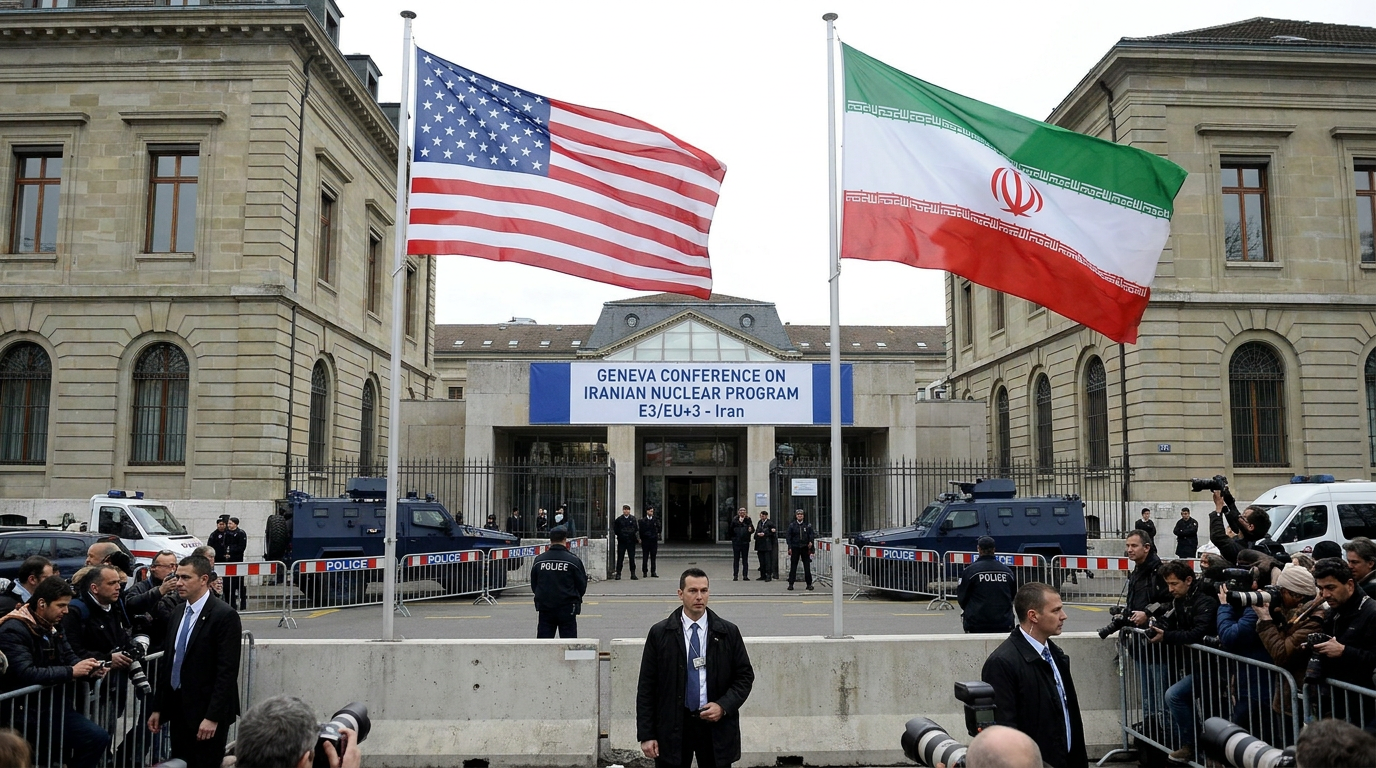
US envoys Steve Witkoff and Jared Kushner have arrived in Switzerland to begin 60 days of negotiations with Iran, following a historic memorandum of understanding that has deeply fractured the US-Israel alliance.
By Factlen Editorial Team
- US Administration
- Prioritizes ending the 110-day war, reopening the Strait of Hormuz, and stabilizing the global economy through a negotiated settlement.
- Israeli Leadership & Public
- Views the deal as a dangerous capitulation that leaves Iran's nuclear infrastructure intact and forces an unwanted ceasefire with Hezbollah.
- Iranian Government
- Seeks immediate sanctions relief and guarantees against US regime-change efforts, while remaining highly suspicious of long-term American commitments.
What's not represented
- · Lebanese civilians caught in the crossfire
- · Gulf Arab states relying on the Strait of Hormuz
Why this matters
The 110-day war between the US and Iran choked off global oil supplies and spiked inflation. This fragile 60-day negotiation window will determine whether the world economy stabilizes or plunges back into a conflict that has now deeply alienated America's closest Middle Eastern ally.
Key points
- US envoys Steve Witkoff and Jared Kushner are in Switzerland to begin 60 days of negotiations with Iran.
- The talks follow a 14-point Memorandum of Understanding signed by President Trump and Iranian President Pezeshkian.
- The deal mandates an immediate ceasefire on all fronts and the reopening of the Strait of Hormuz within 30 days.
- Israel has expressed profound anger over the agreement, arguing it leaves Iran's nuclear infrastructure intact.
- The inclusion of a ceasefire in Lebanon has strained the US-Israel alliance, with Israel continuing strikes against Hezbollah.
US envoys Steve Witkoff and Jared Kushner have arrived in Switzerland to begin high-stakes technical negotiations with Iran, days after President Donald Trump and Iranian President Masoud Pezeshkian signed a historic Memorandum of Understanding (MOU) to end a devastating 110-day war.[1][8]
The 14-point "Islamabad Memorandum," brokered largely by Pakistan and Qatar, establishes a 60-day window to negotiate a permanent settlement regarding Iran's nuclear program and crippling US sanctions. Crucially, it mandates an immediate ceasefire on all fronts—including Lebanon—and requires Iran to fully restore commercial shipping traffic through the Strait of Hormuz within 30 days.[2][8]

The talks in Switzerland were initially delayed due to flare-ups between Israel and the Iran-backed militant group Hezbollah, prompting US Vice President JD Vance to cancel his planned trip to the alpine nation. However, Witkoff and Kushner are now on the ground, with Iranian Foreign Minister Abbas Araghchi expected to join them to hammer out the complex technical details of sanctions relief and uranium enrichment.[1][6]
For the Trump administration, the immediate victory is economic. The 110-day conflict choked off a fifth of the world's oil supply, spiking gas prices and threatening global growth. Trump boasted Friday that maritime traffic through the Strait of Hormuz is already surging, calling the deal a win that avoids a global economic depression.[1][4]
For the Trump administration, the immediate victory is economic.
But the diplomatic breakthrough has triggered a seismic rift between Washington and Jerusalem. Israel, which launched the initial strikes alongside the US in February with the goal of dismantling Iran's nuclear infrastructure and forcing regime change, was largely sidelined during the final negotiations.[3][7]

Across Israel, the sentiment is one of profound betrayal. The deal leaves Iran's regime intact, allows it to retain ballistic missile capabilities, and forces a ceasefire in Lebanon without dismantling Hezbollah. Miriam Adelson's Israel Hayom, a staunchly pro-Trump newspaper, published a blistering op-ed telling the US President: "You betrayed us, the Israelis."[3][5]
The inclusion of Lebanon in the MOU has proven to be the agreement's most fragile component. Israel has continued to launch strikes against Hezbollah targets, arguing the militant group was not explicitly part of the US-Iran deal. Trump has publicly urged Israeli Prime Minister Benjamin Netanyahu to accept the ceasefire, describing the Lebanon truce as "icing on the cake" for broader regional stability.[2][4]
In Tehran, the mood is a mix of relief and deep suspicion. Iranian negotiators secured a key concession: a mutual pledge of non-interference, effectively ending the US pursuit of regime change. However, hardliners remain wary that the US might use the 60-day window to extract nuclear concessions before resuming military pressure, echoing the deep mistrust that has defined US-Iran relations for decades.[6][8]

The ultimate success of the MOU hinges on the nuclear question. The US is demanding that Iran dilute or transfer its highly enriched uranium stockpile in exchange for the lifting of unilateral and UN sanctions. The next 60 days in Switzerland will determine whether the temporary truce hardens into a permanent geopolitical realignment or collapses back into open war.[2][8]
How we got here
Feb 2026
The US and Israel launch strikes against Iran, igniting a 110-day regional war.
April 2026
A temporary two-week ceasefire is brokered by Pakistan but repeatedly violated.
June 17, 2026
US President Donald Trump and Iranian President Masoud Pezeshkian sign the 14-point MOU to end the war.
June 19, 2026
US envoys Steve Witkoff and Jared Kushner arrive in Switzerland to begin the 60-day technical negotiations.
Viewpoints in depth
The US Administration's View
Focuses on the economic and strategic victory of closing a costly war.
President Trump and his envoys argue that reopening the Strait of Hormuz prevents a global recession and stabilizes energy markets. They view the 60-day window as crucial leverage to negotiate a lasting nuclear settlement without further American bloodshed, treating the diplomatic pivot as a necessary repricing of Middle Eastern alliances.
Israel's View
Characterizes the agreement as a profound betrayal of the US-Israel alliance.
Israeli officials and citizens argue the deal abandons the original war aims of regime change and nuclear dismantlement. They fear the agreement leaves Israel to face an intact Iran and an emboldened Hezbollah on its northern border, viewing the forced ceasefire in Lebanon as a strategic capitulation by Washington.
Iran's View
Views the MOU as a necessary step to lift crippling economic sanctions and secure a US pledge of non-interference.
While relieved by the mutual pledge of non-interference that effectively ends the US pursuit of regime change, Iranian hardliners remain deeply skeptical of Washington's reliability. They fear the US will pocket the ceasefire and demand impossible nuclear concessions during the 60-day window in Switzerland.
What we don't know
- Whether Israel will fully comply with the Lebanon ceasefire provisions of the MOU.
- If Iran will agree to transfer or dilute its highly enriched uranium stockpile.
- How the 60-day negotiation window will be enforced if either side violates the initial terms.
Key terms
- Memorandum of Understanding (MOU)
- A formal agreement between two or more parties that establishes a framework for future negotiations, though it is not always legally binding.
- Strait of Hormuz
- A narrow, strategically critical waterway between the Persian Gulf and the Gulf of Oman through which roughly 20% of the world's oil supply passes.
- Uranium Enrichment
- The process of increasing the concentration of the uranium-235 isotope, which can be used for civilian nuclear power or, at higher levels, for nuclear weapons.
Frequently asked
What does the US-Iran Memorandum of Understanding do?
The 14-point agreement halts military operations on all fronts, requires Iran to reopen the Strait of Hormuz within 30 days, and establishes a 60-day window to negotiate a final deal on sanctions and Iran's nuclear program.
Why is Israel angry about the deal?
Israel feels sidelined by the US and argues the deal leaves Iran's regime and nuclear capabilities intact. It also forces a ceasefire in Lebanon, which Israel fears will allow Hezbollah to regroup.
Who is negotiating in Switzerland?
US envoys Steve Witkoff and Jared Kushner are leading the American delegation, meeting with Iranian officials including Foreign Minister Abbas Araghchi to hammer out the technical details of the final pact.
Sources
Source coverage
8 outlets
3 viewpoints surfaced







[1]Fox NewsUS Administration
Witkoff expected in Switzerland for Iran talks after Vance scraps trip: report
Read on Fox News →[2]The GuardianIsraeli Leadership & Public
US-Iran deal takeaways: reopening the strait of Hormuz, waived oil sanctions and Lebanon
Read on The Guardian →‘It’s a big mistake’: Israelis feel betrayed and angry after Iran peace deal
Read on The Guardian →[4]CBS NewsUS Administration
Trump administration briefed congressional leaders about Iran deal
Read on CBS News →[5]NewsweekIsraeli Leadership & Public
Trump Blasted in Newspaper Owned by Top Donor: 'You Betrayed Us'
Read on Newsweek →[6]Al JazeeraIranian Government
Iran war day 113: Tehran presses US over Lebanon ceasefire
Read on Al Jazeera →[7]Times of IsraelIsraeli Leadership & Public
Israel Was Not Betrayed. It Was Repriced.
Read on Times of Israel →[8]Council on Foreign RelationsIranian Government
The United States and Iran Reached an Agreement
Read on Council on Foreign Relations →

More in news politics
See all 7 stories →Information Integrity
Evidence Pack: Does "Prebunking" Actually Protect Voters from Political Misinformation?
6 sources

US-Iran Deal
US and Iran Sign Historic Memorandum to End Conflict as Lebanon Ceasefire Faces Immediate Strain
7 sources
US-Iran Deal
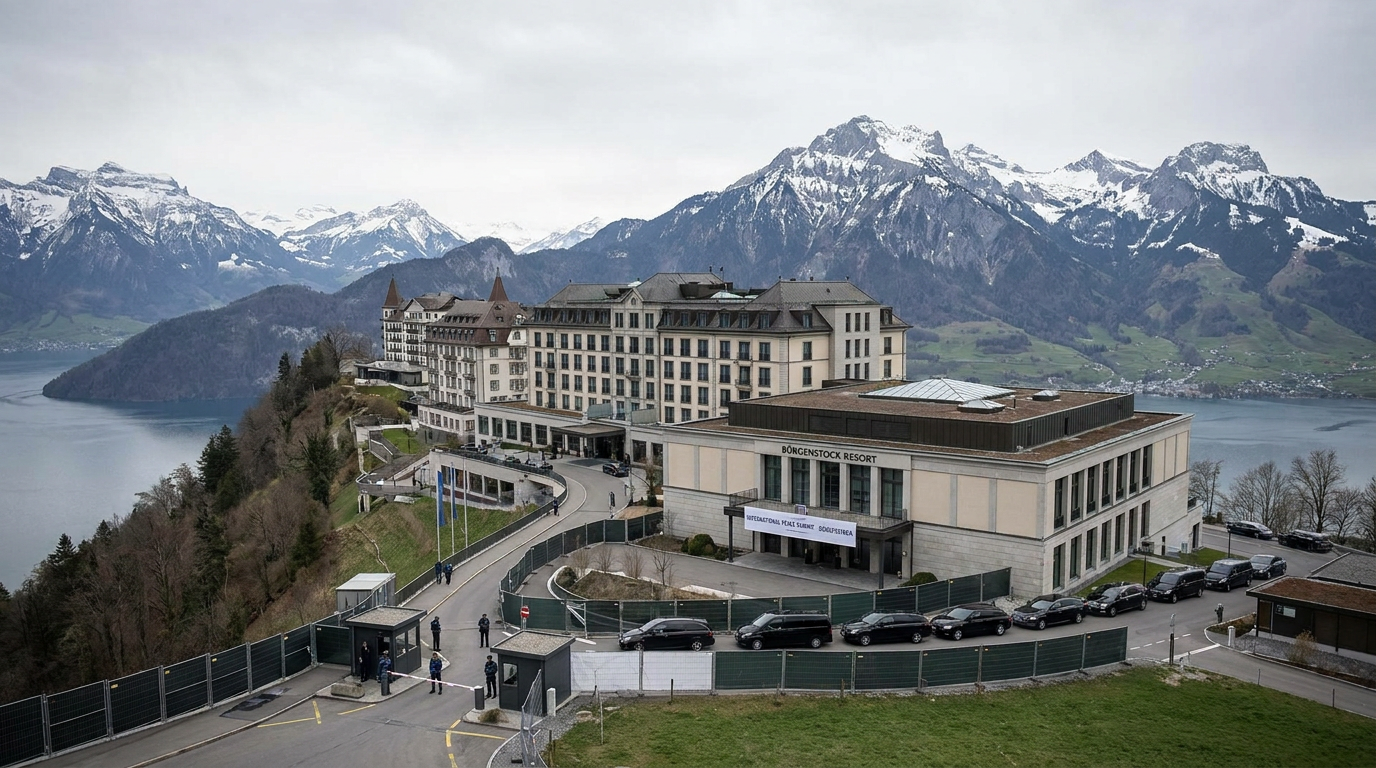
US and Iran Open High-Stakes Switzerland Talks Amid Lebanon Strikes and Domestic Backlash
8 sources
Election Integrity
Fact Check: Did AI Deepfakes Actually Swing the Global Elections?
5 sources

Every angle. Every day.
Get news politics stories with full source coverage and perspective breakdowns delivered to your inbox.