
How the US-Iran Interim Deal is Reshaping the Global Economy
The reopening of the Strait of Hormuz has triggered a massive drop in global oil prices, prompting central banks to halt interest rate hikes and sending equity markets to record highs.
By Factlen Editorial Team
- Central Bankers
- Focused on taming pipeline inflation and maintaining restrictive rates until the data proves the shock is over.
- Energy Markets
- Pricing in a rapid return of Iranian barrels and the reopening of the Strait of Hormuz.
- Global Investors
- Celebrating the geopolitical de-escalation by rotating capital into growth-sensitive equities.
- Geopolitical Realists
- Warning that the 60-day interim deal is fragile and the Strait could easily be threatened again.
What's not represented
- · Middle Eastern energy exporters
- · European industrial manufacturers
Why this matters
The reopening of the Strait of Hormuz is acting as a massive, immediate tax cut for the global economy. By collapsing the cost of crude oil, the peace pact is giving central banks the breathing room they need to halt interest rate hikes, directly lowering the likelihood of a global recession.
Key points
- The US and Iran signed a 60-day interim agreement, reopening the Strait of Hormuz to toll-free maritime traffic.
- Brent crude prices plummeted to a three-month low of $77.96 a barrel as the geopolitical risk premium evaporated.
- The Bank of England held its base rate at 3.75%, citing the encouraging drop in global energy prices.
- The Federal Reserve held rates steady, but new Chair Kevin Warsh warned that pipeline inflation remains a significant threat.
- Asian equity markets surged to record highs as investors rotated capital back into growth-sensitive technology sectors.
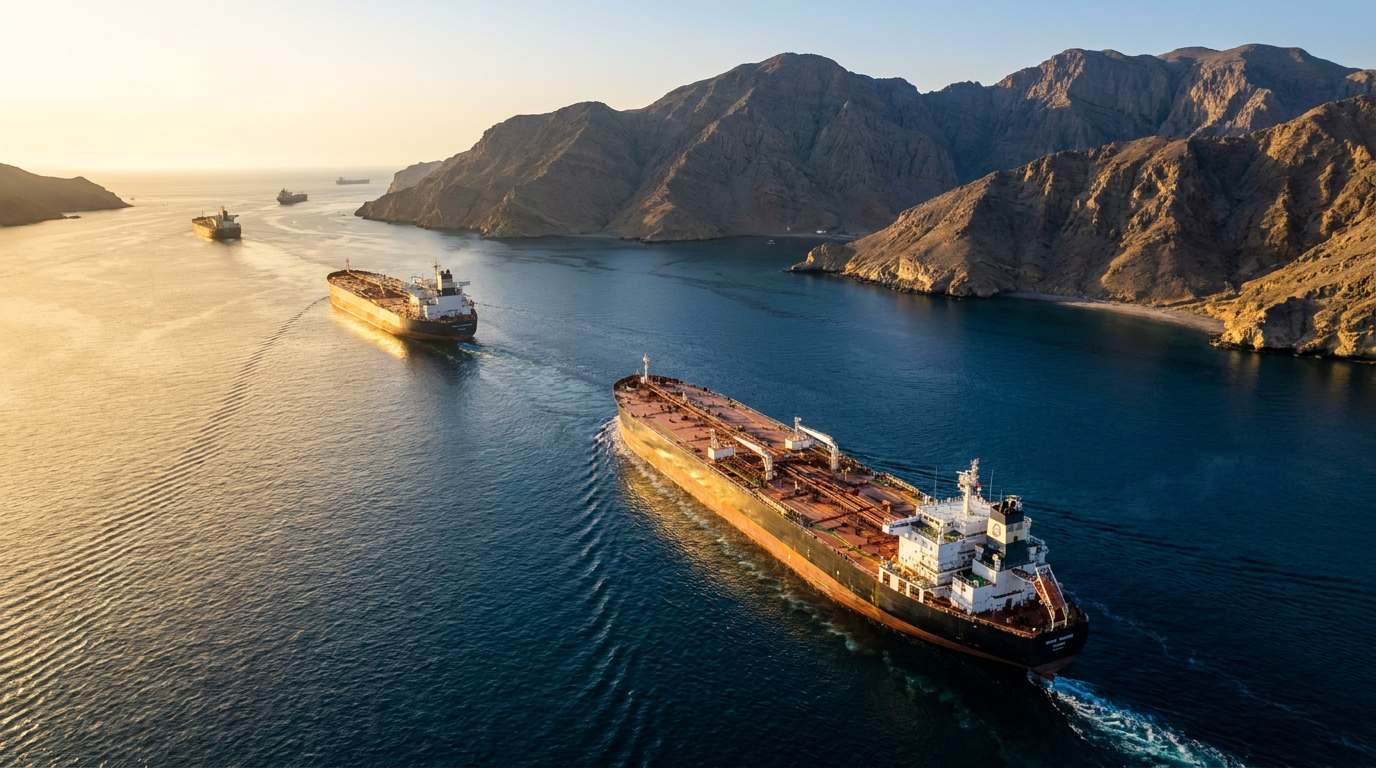
The signing of the US-Iran interim peace deal has triggered an immediate and profound repricing across the global economy. After four months of intense geopolitical anxiety and disrupted supply chains, the agreement has effectively deflated the massive risk premium that had been suffocating global growth. At the center of this economic relief is the reopening of the Strait of Hormuz. This narrow maritime chokepoint, which handles roughly a fifth of the world's daily oil consumption, had been effectively blocked by Tehran following US and Israeli strikes in February. Under the terms of the new 14-point memorandum, the two nations have agreed to a 60-day ceasefire that mandates the full resumption of toll-free maritime traffic through the Strait, allowing a massive backlog of energy shipments to finally reach the open ocean.[3][4]
The immediate casualty of the peace pact was the price of crude oil, which experienced a dramatic sell-off as traders adjusted to the new reality. Brent crude futures plummeted by 2% to $77.96 a barrel, erasing months of war-driven gains and sinking to their lowest level since the conflict began. US West Texas Intermediate followed suit, dropping to $74.96. "The sell-off extended as energy markets continued to aggressively price in a faster-than-expected return of Iranian barrels," noted IG market analyst Tony Sycamore, capturing the sudden shift in sentiment across commodity trading floors. The market is now anticipating a flood of delayed shipments and the normalization of global crude supplies.[1][4]
This collapse in energy costs is acting as a massive, immediate tax cut for the global economy. For the first half of 2026, the energy shock's ripple effect on global inflation had been the primary headwind for consumers and corporations alike, pushing US inflation to a three-year high of 4.2% in May. Central banks, which had been bracing for a prolonged and stagflationary energy crisis, have suddenly found themselves with unexpected breathing room. The Bank of England was the first major monetary authority to officially react to the shifting landscape, seizing the opportunity to halt its aggressive tightening cycle.[6][7]

On Thursday, the Bank of England voted 7-2 to hold its benchmark interest rate at 3.75%. Governor Andrew Bailey explicitly cited the "encouraging" drop in oil prices as a primary reason to pause, noting that the truce has helped ease the monetary policy committee's most pessimistic inflation scenarios. While two members still voted for a quarter-point increase due to lingering concerns over wage growth, the consensus view in London is that the worst of the imported inflation has passed. The BoE even lowered its estimate for peak inflation in the fourth quarter, signaling a cautious optimism that the British economy might avoid a deeper recession.[2][6][10]
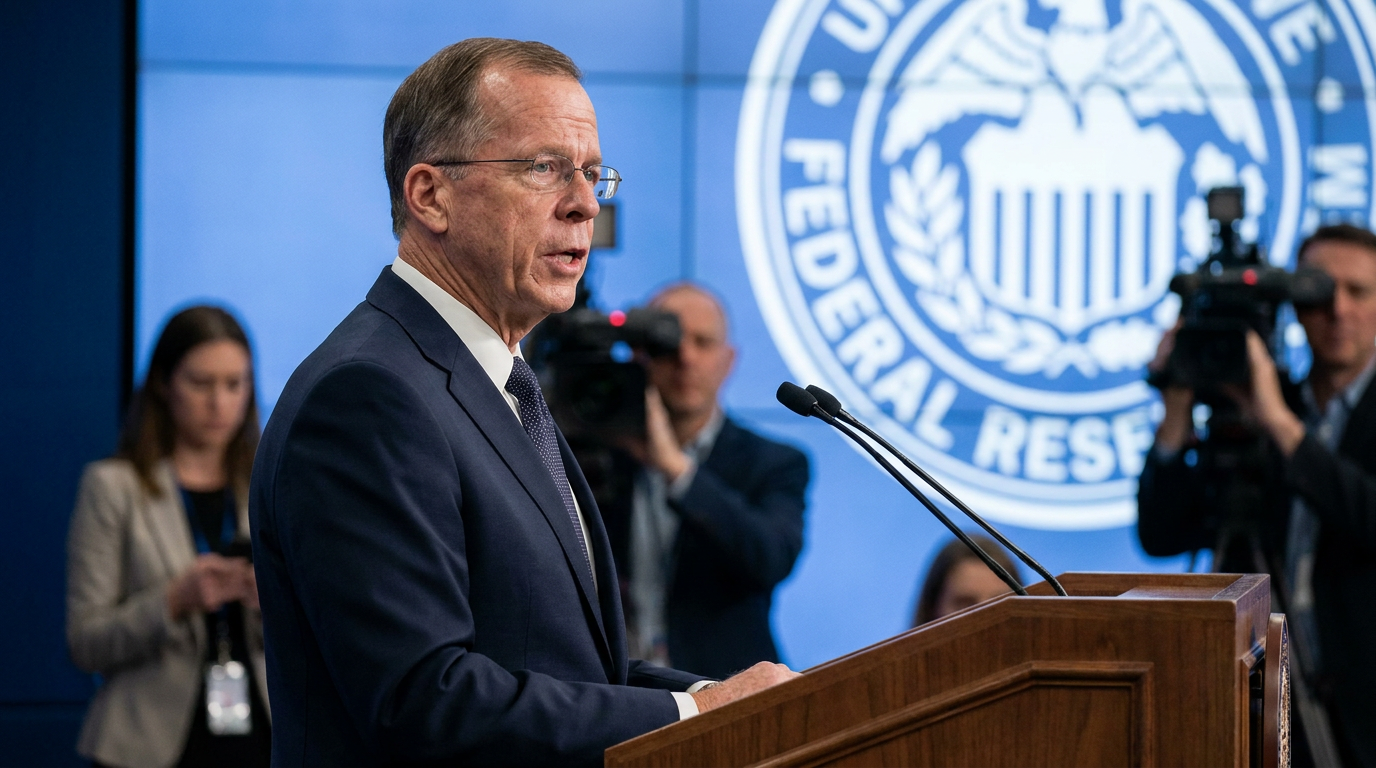
However, the relief is not uniform across the globe. In Washington, the Federal Reserve also voted unanimously to hold its benchmark rate steady at a range of 3.5% to 3.75%, but the US central bank struck a markedly different and more cautious tone. Newly appointed Fed Chair Kevin Warsh used his debut press conference to deliver a hawkish message to bond markets. Warsh warned that the pipeline inflation generated by the four-month energy shock has already seeped into the broader economy, raising the baseline cost of goods and services far beyond the gas pump.[5][7][8]
Newly appointed Fed Chair Kevin Warsh used his debut press conference to deliver a hawkish message to bond markets.
"We have the capability and commitment to deliver on our price stability objective of 2%. That's exactly what we're going to do," Warsh stated, emphasizing that the Fed will not tolerate persistently high prices simply because the initial geopolitical catalyst has been resolved. In a significant departure from his predecessor, Warsh abolished the Fed's traditional practice of "forward guidance," refusing to telegraph the central bank's future moves to Wall Street. Instead, he announced the creation of five new task forces designed to review how the Fed measures and responds to inflation, signaling a rigorous, data-first approach to monetary policy.[5][8]
Despite the lack of explicit forward guidance, the Federal Reserve's updated "dot plot" projections revealed a lingering hawkishness that caught some investors off guard. Nearly half of the Federal Open Market Committee members indicated they expect at least one rate hike before the end of the year, driven by the recent 4.2% inflation print. The divergence between the BoE's cautious optimism and the Fed's lingering hawkishness highlights the uneven economic scarring left by the conflict. While Europe and the UK are highly sensitive to spot energy prices, the US economy is grappling with deeply entrenched domestic inflation that a drop in oil prices alone cannot cure.[7][8]

Financial markets, however, have largely chosen to focus on the geopolitical de-escalation rather than the central bank technicalities. Global equities are aggressively pricing in a "Goldilocks" scenario where inflation cools just enough to prevent further rate hikes, but growth remains robust. Asian markets surged on the news of the interim deal, with Japan's Nikkei share average crossing the historic 71,000 mark for the first time. The rally was supported by a massive rotation back into semiconductor and artificial intelligence stocks, as investors bet that a stabilized global economy will accelerate corporate technology investments.[1][9]
Investors are moving capital out of defensive, inflation-hedged assets and back into growth-sensitive sectors. The prevailing market thesis is that cheaper energy will lower operational costs for tech giants and heavy manufacturers, effectively offsetting the burden of elevated interest rates. US equity futures climbed steadily throughout the week, and even the bond market began to stabilize after an initial sell-off triggered by Warsh's hawkish debut. The sheer scale of the capital rotation underscores how heavily the threat of a closed Strait of Hormuz had been weighing on global risk appetite.[1][9]

Yet, the foundation of this market exuberance rests on a highly fragile diplomatic framework. The current agreement is strictly an interim measure, designed to buy Washington and Tehran exactly 60 days to negotiate a permanent, structural truce. Foreign policy analysts emphasize that the core disputes regarding nuclear enrichment capabilities and regional security architecture remain entirely unresolved. If the 60-day negotiation window collapses without a comprehensive treaty, Tehran could easily reinstate its blockade of the Strait of Hormuz, plunging the global economy right back into the crisis conditions of early spring.[3][4]
Furthermore, energy analysts warn that the mechanics of the oil market could prevent prices from falling much further, even if the peace holds. Commercial oil inventories around the world were severely depleted during the four-month blockade as nations tapped into their reserves to keep their economies running. A global rush to rebuild these stockpiles—driven by a desire to insulate against future geopolitical shocks—will create a massive surge in baseline demand. This restocking dynamic is expected to put a hard floor under crude prices, ensuring that energy remains relatively expensive by historical standards.[4]

If the negotiations fail and the Strait of Hormuz is threatened once more, the global economy would face an even steeper inflationary shock than it did in February, given the complete lack of buffer inventories. For now, however, the global economy has stepped back from the precipice. The coming weeks will test whether the diplomatic breakthrough can hold long enough to permanently anchor inflation expectations, allowing central banks to finally close the book on the most volatile economic chapter of the decade.[3][6][7]
How we got here
Feb 2026
US and Israeli strikes on Iran prompt the blockade of the Strait of Hormuz, spiking global energy prices.
May 2026
US inflation hits a three-year high of 4.2%, driven primarily by the energy shock.
Mid-June 2026
Washington and Tehran sign a 60-day interim agreement, reopening maritime traffic.
June 17-18, 2026
The Federal Reserve and Bank of England both hold interest rates steady as oil prices plummet.
Viewpoints in depth
Central Bankers
Focused on the lingering secondary effects of the energy shock rather than the immediate drop in oil prices.
Monetary policymakers are breathing a sigh of relief, but they are refusing to declare victory. At the Federal Reserve, the prevailing view is that the four-month spike in energy costs has already bled into the broader economy, raising the cost of goods and services across the board. Consequently, officials like new Fed Chair Kevin Warsh are maintaining a hawkish posture, arguing that restrictive interest rates must remain in place until the data conclusively proves that 'pipeline inflation' has been neutralized.
Energy Markets
Pricing in a rapid normalization of global crude supplies.
Commodity traders have aggressively sold off the 'war premium' that kept crude prices elevated since February. With the Strait of Hormuz reopening for toll-free transit, the market anticipates a flood of delayed shipments and the return of Iranian barrels to the global market. However, some energy analysts caution that commercial inventories were severely depleted during the blockade, meaning buyers will likely rush to rebuild stockpiles—a dynamic that could prevent oil prices from falling much further.
Geopolitical Realists
Warning that the economic relief rests on a highly fragile 60-day diplomatic window.
Foreign policy analysts emphasize that the interim deal is merely a pause, not a resolution. The core structural disputes regarding nuclear enrichment and regional security remain entirely unsolved. If the 60-day negotiation period collapses without a permanent treaty, Tehran could easily reinstate its blockade of the Strait of Hormuz. Because global oil inventories are now lower than they were in February, a second closure would trigger an even more violent inflationary shock.
What we don't know
- Whether Washington and Tehran can successfully negotiate a permanent structural truce before the 60-day interim window expires.
- How quickly commercial oil inventories can be rebuilt without inadvertently driving crude prices back up.
- If the Federal Reserve will actually execute the rate hike that nearly half of its policymakers projected for later this year.
Key terms
- Strait of Hormuz
- A narrow maritime chokepoint between the Persian Gulf and the Gulf of Oman through which roughly 20% of the world's oil consumption passes.
- Forward Guidance
- A central bank tool used to communicate the likely future path of interest rates to financial markets, which new Fed Chair Kevin Warsh just abolished.
- Dot Plot
- A chart published by the Federal Reserve summarizing the interest rate projections of its top policymakers.
- Risk Premium
- The extra cost added to the price of an asset—like a barrel of oil—to account for the threat of geopolitical instability or supply disruptions.
Frequently asked
Did the interim deal end the US-Iran war?
Not permanently. It is a 60-day ceasefire designed to allow toll-free maritime transit while the two nations negotiate a long-term truce.
Will the Federal Reserve cut interest rates now?
Unlikely in the short term. While oil prices have fallen, Fed Chair Kevin Warsh warned that pipeline inflation from the previous months has already seeped into the economy, and some officials expect a rate hike by year-end.
How did the stock market react?
Global markets rallied significantly, with Asian equities like Japan's Nikkei hitting record highs as investors celebrated the reduced risk of a global energy crisis.
Sources
Source coverage
10 outlets
4 viewpoints surfaced










[1]BloombergEnergy Markets
Stock Futures Rise, Oil Falls on US-Iran Deal; Warsh Rocks Bond Market
Read on Bloomberg →[2]CNBCGlobal Investors
Bank of England holds interest rates at 3.75% amid Iran war peace prospects
Read on CNBC →[3]NPRGeopolitical Realists
Trump signs preliminary agreement with Iran
Read on NPR →[4]ReutersEnergy Markets
Oil falls to lowest since start of Iran war after ceasefire deal signed
Read on Reuters →[5]Financial TimesCentral Bankers
Kevin Warsh vowed in his first meeting as Federal Reserve chair to contain an inflationary surge
Read on Financial Times →[6]The GuardianGlobal Investors
Bank of England interest rate decision today
Read on The Guardian →[7]CBS NewsCentral Bankers
The Federal Reserve on Wednesday left its benchmark interest rate unchanged amid resurgent inflation
Read on CBS News →[8]ICISCentral Bankers
New Fed chairman notes uneven financial conditions amid high inflation
Read on ICIS →[9]Global Banking & Finance ReviewGlobal Investors
Asian Stock Markets Reach New Highs
Read on Global Banking & Finance Review →[10]Bank of EnglandCentral Bankers
Monetary Policy Summary, June 2026
Read on Bank of England →
Every angle. Every day.
Get business stories with full source coverage and perspective breakdowns delivered to your inbox.