
How the Fragile US-Iran Peace Deal Could Unravel Over Lebanon
A newly signed 14-point memorandum of understanding aims to end the 110-day US-Iran conflict, but ongoing Israeli military operations against Hezbollah threaten to collapse the 60-day negotiation window.
By Factlen Editorial Team
- U.S. Administration
- Seeks to leverage the 60-day window to permanently dismantle Iran's nuclear infrastructure and secure global shipping lanes without being derailed by regional proxy conflicts.
- Iranian Leadership
- Demands a complete cessation of hostilities on all fronts, using the Strait of Hormuz and nuclear talks as leverage to force an Israeli withdrawal from Lebanon and protect Hezbollah.
- Israeli Government
- Refuses to be bound by the U.S.-Iran bilateral agreement, prioritizing the military dismantling of Hezbollah in southern Lebanon regardless of Washington's diplomatic timeline.
- Defense Analysts
- Argue that Iran is utilizing the ceasefire to buy time, secure economic relief, and preserve its proxy network without intending to surrender its nuclear ambitions.
What's not represented
- · Lebanese Civilians
- · Global Shipping Companies
Why this matters
This diplomatic framework is the primary mechanism preventing a wider Middle Eastern war and securing the Strait of Hormuz, through which one-fifth of the world's oil flows. If the deal collapses over the Lebanon dispute, global energy markets could face severe disruptions and the U.S. could be drawn back into direct military confrontation.
Key points
- The U.S. and Iran signed a 14-point memorandum to end their 110-day conflict.
- The deal opens a 60-day window to negotiate Iran's nuclear program and reopen the Strait of Hormuz.
- Iran insists the deal requires Israel to halt its military campaign against Hezbollah in Lebanon.
- Israel rejects the agreement, continuing its operations in southern Lebanon.
- Iran threatens to delay nuclear talks and keep the Strait of Hormuz closed if Israeli strikes continue.
- U.S. officials are scrambling to manage the Lebanon crisis to save the broader diplomatic framework.
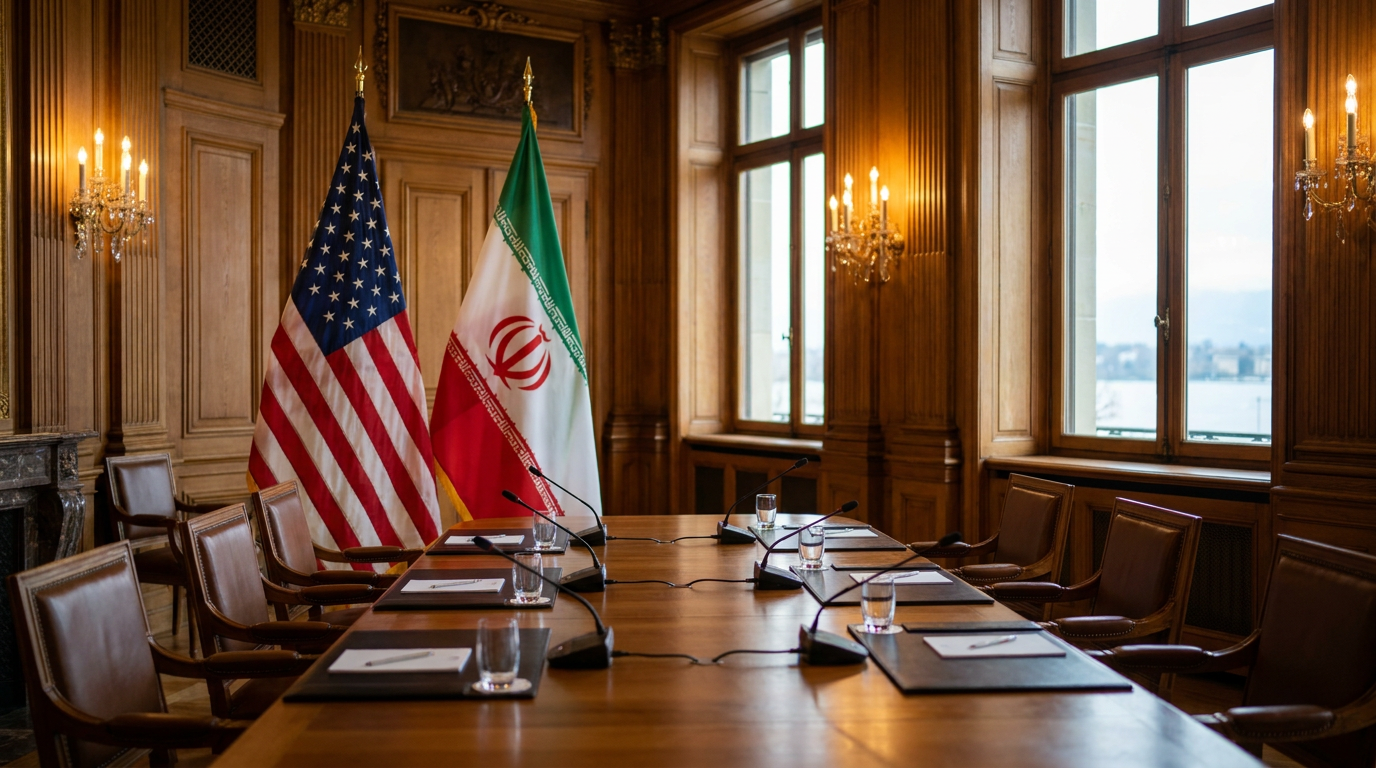
The United States and Iran have signed a fragile memorandum of understanding aimed at ending a 110-day military conflict that has rattled the global economy. The agreement, finalized in mid-June 2026, establishes a 60-day diplomatic window to negotiate a permanent settlement regarding Tehran’s nuclear ambitions and the reopening of the Strait of Hormuz.[3][6]
However, before the ink could fully dry, the framework faced an immediate existential threat from a parallel conflict: Israel’s ongoing military campaign against Hezbollah in southern Lebanon. The intersection of these two geopolitical crises has transformed a bilateral peace effort into a volatile regional standoff.[1][2]
The 14-point draft agreement, brokered with the help of Pakistani and Qatari mediators, outlines a phased de-escalation. The core mechanism requires an immediate cessation of hostilities, followed by Iran ensuring toll-free commercial passage through the Strait of Hormuz within 30 days.[3][6]

In exchange, the U.S. Treasury would issue temporary waivers allowing Iran to export crude oil and access frozen assets, provided Tehran complies with the initial terms. This economic relief is explicitly tied to the most contentious issue: Iran’s nuclear program.[3][6]
Under the memorandum, Iran must agree to down-blend its stockpile of highly enriched uranium on its own soil under the supervision of the International Atomic Energy Agency (IAEA). Down-blending is a process that dilutes weapons-grade nuclear material into a lower concentration suitable only for civilian energy, effectively lengthening the "breakout time" required to build a bomb.[3]
U.S. officials view this nuclear concession as the ultimate prize, hoping to permanently dismantle the infrastructure that sparked the initial U.S. and Israeli bombing campaigns in 2025 and early 2026. Yet, the diplomatic architecture rests on a highly contested interpretation of the ceasefire's geographic scope.[3][8]
The first clause of the memorandum declares an immediate and permanent termination of military operations on "all fronts, including in Lebanon." Iranian officials, led by Foreign Minister Abbas Araghchi, insist this language legally binds the United States to halt Israel’s operations against Hezbollah, an Iranian proxy force.[1][3]
Tehran has explicitly warned that any continued presence of Israeli troops in southern Lebanon constitutes a direct violation of the U.S.-Iran pact. To enforce this demand, Iran has threatened to delay the technical nuclear negotiations in Switzerland and keep the Strait of Hormuz closed to commercial shipping until Israeli forces withdraw.[1][5]

Tehran has explicitly warned that any continued presence of Israeli troops in southern Lebanon constitutes a direct violation of the U.S.-Iran pact.
Israel, however, was not a party to the U.S.-Iran negotiations and fiercely rejects the premise that Washington’s diplomatic timeline dictates its national security. Israeli Prime Minister Benjamin Netanyahu and his hardline allies have publicly dismissed the memorandum, insisting that the agreement does not bind Jerusalem.[1][4]
The Israeli military has maintained its operations in southern Lebanon, launching recent airstrikes in the Nabatieh district and the Bekaa Valley in response to Hezbollah drone attacks that killed Israeli soldiers. Israeli officials argue that withdrawing troops would leave their northern communities vulnerable to the very proxy forces Iran uses to project regional power.[3][5]

This defiance has placed the Trump administration in a precarious diplomatic bind. U.S. intelligence agencies have reportedly warned the White House that Netanyahu is facing intense domestic political pressure to continue the Lebanon campaign, a move that directly undermines the U.S. effort to secure a lasting peace with Tehran.[2]
Vice President JD Vance, leading the U.S. delegation to the talks in Switzerland, has attempted to salvage the process by adding the Lebanon ceasefire to the primary agenda. Before departing for Europe, Vance acknowledged the friction but maintained that the administration was actively managing the situation to ensure security for both Israel and Lebanon.[4][5]
The diplomatic scramble highlights the inherent vulnerability of the memorandum: it attempts to resolve a bilateral nuclear dispute while ignoring the interconnected web of proxy militias that define Middle Eastern warfare. By tying the nuclear talks to the survival of Hezbollah, Iran has effectively weaponized the Lebanon conflict.[7]
Defense analysts and military historians view Tehran’s strategy with deep skepticism. Experts at the Institute for the Study of War argue that Iran is deliberately conditioning the nuclear negotiations on a Lebanon ceasefire to achieve two goals simultaneously: preserving its most valuable proxy army and delaying any actual concessions on its uranium stockpile.[7]

Skeptics warn that the regime is utilizing a classic strategy of delay and deception. By engaging in the 60-day window, Iran secures immediate economic relief and a pause in U.S. military strikes, all while avoiding the irreversible destruction of its nuclear infrastructure.[8]
If the 60-day window expires without a comprehensive final agreement, the memorandum stipulates that either side can walk away. U.S. officials have indicated they are prepared to aggressively tighten economic sanctions and potentially resume military options if the talks collapse.[3]
For now, the global economy watches the Strait of Hormuz, where one-fifth of the world’s oil supply remains hostage to the diplomatic maneuvering in Switzerland and the artillery fire in southern Lebanon. The coming weeks will determine whether the memorandum serves as a blueprint for Middle Eastern stability or merely a brief tactical pause in a wider regional war.[6]
How we got here
June 2025
U.S. and Israeli strikes target Iranian nuclear facilities, sparking a prolonged conflict.
February 2026
A second wave of large-scale strikes marks the beginning of the 110-day war.
Mid-June 2026
The U.S. and Iran sign a 14-point Memorandum of Understanding to end hostilities.
June 19, 2026
Israel and Hezbollah agree to a fragile ceasefire, which quickly breaks down amid retaliatory strikes.
June 21, 2026
U.S. and Iranian delegations arrive in Switzerland to begin the 60-day negotiation window.
Viewpoints in depth
U.S. Administration's view
The administration views the 60-day window as a critical opportunity to neutralize Iran's nuclear threat.
U.S. officials believe that securing an agreement for Iran to down-blend its enriched uranium is the ultimate strategic prize, effectively dismantling the infrastructure that necessitated military strikes in the first place. The administration is attempting to compartmentalize the bilateral nuclear and shipping issues from the intractable proxy war in Lebanon, arguing that the broader global economy cannot be held hostage to the Israel-Hezbollah conflict.
Iranian Leadership's view
Tehran insists that any peace agreement must include the protection of its regional proxy network.
For Iran, the survival of Hezbollah is a core national security interest. Iranian officials argue that the explicit text of the memorandum calls for a cessation of hostilities on 'all fronts, including in Lebanon.' By tying the reopening of the Strait of Hormuz and the progress of nuclear talks to an Israeli withdrawal, Tehran is attempting to force Washington to restrain its closest Middle Eastern ally.
Israeli Government's view
Israel maintains that it cannot outsource its national security to a U.S.-Iran diplomatic timeline.
Israeli leadership views the U.S.-Iran memorandum as a bilateral arrangement that does not bind Jerusalem. Prime Minister Benjamin Netanyahu and his cabinet argue that withdrawing from southern Lebanon would leave northern Israeli communities vulnerable to Hezbollah attacks. They insist on the sovereign right to dismantle immediate border threats, regardless of how it complicates Washington's broader geopolitical negotiations.
Defense Analysts' view
Skeptics warn that Iran is using the diplomatic process to buy time and avoid irreversible concessions.
Military historians and defense analysts argue that Iran has a long history of utilizing negotiations as a stalling tactic. By conditioning the nuclear talks on a Lebanon ceasefire, analysts suggest Tehran is securing immediate economic relief and a pause in U.S. bombing while preserving both its proxy army and its nuclear infrastructure. They warn that the 60-day window may simply be a tactical delay rather than a genuine pivot toward peace.
What we don't know
- Whether the U.S. can successfully pressure Israel to halt its operations in Lebanon without fracturing the U.S.-Israel alliance.
- If Iran will actually follow through on its threat to keep the Strait of Hormuz closed if the Lebanon conflict continues.
- What specific enforcement mechanisms the U.S. will deploy if the 60-day negotiation window expires without a final nuclear agreement.
Key terms
- Memorandum of Understanding (MoU)
- A formal, non-binding agreement between two or more parties outlining the terms and details of a mutual understanding, often serving as the foundation for a final treaty.
- Down-blending
- A nuclear engineering process that dilutes highly enriched, weapons-grade uranium into a lower concentration suitable only for civilian energy production.
- Breakout time
- The estimated amount of time it would take a country to produce enough weapons-grade nuclear material for one nuclear weapon if it decided to abandon civilian restrictions.
- Strait of Hormuz
- A narrow, strategically vital waterway between the Persian Gulf and the Gulf of Oman through which approximately one-fifth of the world's oil supply passes.
- Proxy force
- An armed group that acts on behalf of, or is supported by, a larger power that is not directly involved in the hostilities, such as Hezbollah acting with Iranian backing.
Frequently asked
What is the U.S.-Iran Memorandum of Understanding?
It is a 14-point preliminary agreement establishing a 60-day window to negotiate a permanent end to the 110-day war, focusing on Iran's nuclear program and the Strait of Hormuz.
Why is Lebanon involved in the U.S.-Iran deal?
The first clause of the agreement calls for an end to military operations on 'all fronts, including in Lebanon,' which Iran interprets as a mandate for Israel to withdraw its troops.
Is Israel bound by the agreement?
No. Israel was not a party to the negotiations, and Israeli officials have explicitly stated that the U.S.-Iran agreement does not dictate their military operations against Hezbollah.
What happens if the 60-day window expires?
If no final agreement is reached, either side can walk away. The U.S. has indicated it would aggressively tighten economic sanctions and potentially resume military pressure.
Sources
Source coverage
8 outlets
4 viewpoints surfaced








[1]CBS NewsIranian Leadership
Iran says Israeli troops must leave Lebanon under agreement with U.S.
Read on CBS News →[2]The Washington PostIsraeli Government
Israeli Prime Minister Benjamin Netanyahu faces pressure to continue a military campaign in Lebanon
Read on The Washington Post →[3]The GuardianU.S. Administration
US officials have revealed a preliminary memorandum of understanding between Washington and Tehran
Read on The Guardian →[4]Times of IsraelU.S. Administration
Vance heads to Switzerland, says hoping for progress on Lebanon truce and nuclear issue
Read on Times of Israel →[5]Al JazeeraIranian Leadership
US-Iran talks begin in Switzerland as high-stakes diplomacy gets under way
Read on Al Jazeera →[6]Council on Foreign RelationsDefense Analysts
The United States and Iran Reached an Agreement to Settle Conflict
Read on Council on Foreign Relations →[7]Institute for the Study of WarDefense Analysts
Iran Update Special Report, June 19, 2026
Read on Institute for the Study of War →[8]The Daily SignalDefense Analysts
38 Days of Strikes, 60 Days of Negotiations—Is Iran Just Buying Time?
Read on The Daily Signal →
More in news politics
See all 6 stories →Middle East Peace
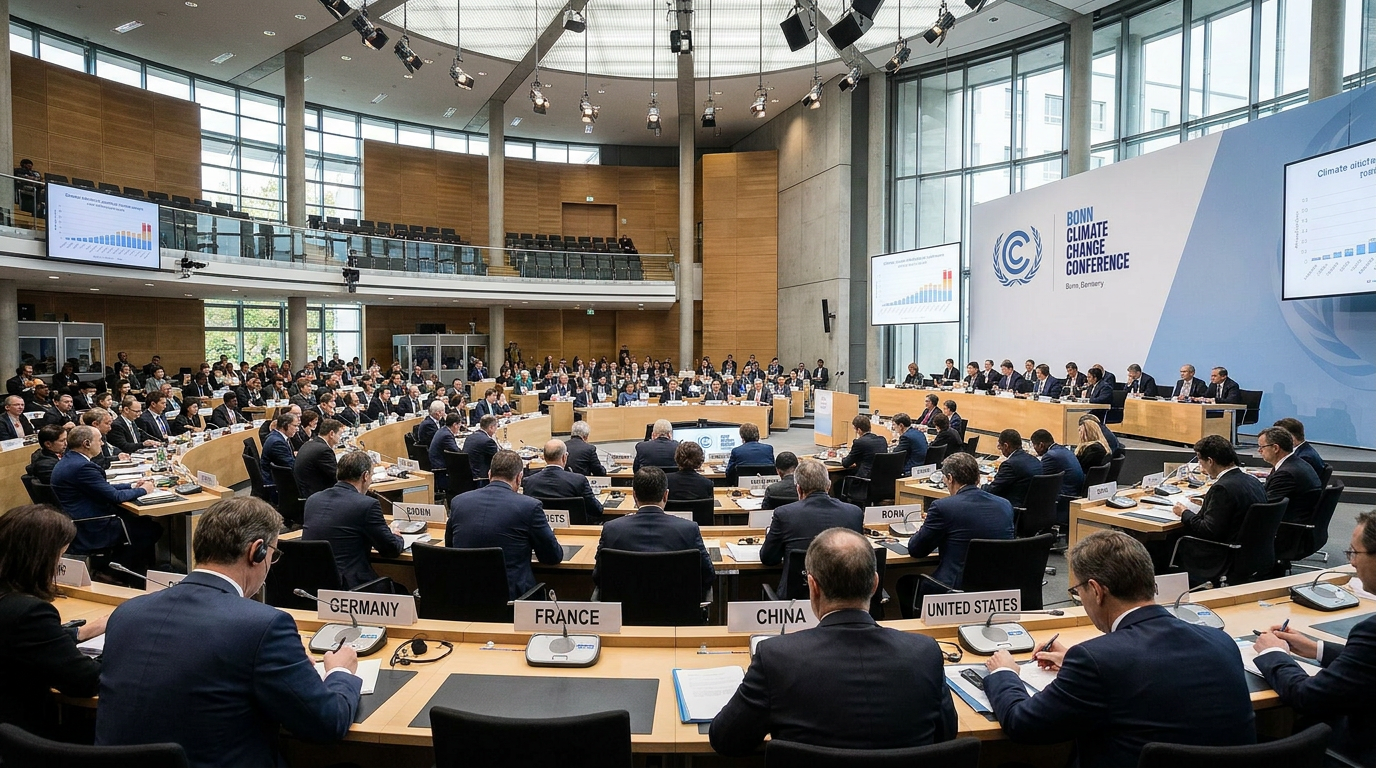
US and Iran Open High-Stakes Peace Talks in Switzerland Amid Dispute Over Strait of Hormuz
7 sources
Climate Diplomacy
UN Climate Talks in Bonn End in Gridlock, Pushing Major Disputes to COP31
7 sources
Labour Party
UK Prime Minister Keir Starmer Expected to Resign Amid Labour Revolt
7 sources
Labor Law
U.S. House Passes Bipartisan Bill Imposing Strict Timelines and Binding Arbitration on First Union Contracts
6 sources
Every angle. Every day.
Get news politics stories with full source coverage and perspective breakdowns delivered to your inbox.