
UN Climate Talks End in Gridlock as Agencies Warn of Accelerating El Niño Shocks
The UN's mid-year climate negotiations in Bonn have ended in a stalemate over finance and emissions cuts, pushing critical decisions to COP31 just as global agencies warn of severe extreme weather from a looming El Niño.
By Factlen Editorial Team
- Developing Nations & Vulnerable Communities
- Argue that wealthy nations are failing their legal obligations to provide adaptation finance, leaving frontline communities to face accelerating shocks alone.
- Developed Nations & EU Negotiators
- Emphasize the need for urgent emissions cuts and defend the IPCC science, warning against fossil-fuel interests stalling mitigation efforts.
- UN Agencies & Scientific Bodies
- Focus on the immediate physical threats of El Niño and the necessity of turning pledges into real-world implementation and early-warning systems.
- Environmental & Human Rights NGOs
- Highlight the structural flaws in the UNFCCC process, calling out corporate capture by fossil-fuel interests and demanding human rights safeguards for climate finance.
What's not represented
- · Local farmers in the 22 high-risk El Niño countries
- · Workers in the fossil fuel industry facing economic transition
Why this matters
The collapse of these negotiations delays billions of dollars in critical funding needed to protect vulnerable communities from extreme weather, just as the UN warns that a severe El Niño pattern is about to trigger catastrophic droughts and floods worldwide.
Key points
- The SB64 climate talks in Bonn ended without consensus on adaptation finance or emissions cuts.
- Unresolved decisions have been pushed to the COP31 summit in Turkey under UN procedural rules.
- Developing nations refused to proceed without a firm commitment from wealthy countries to triple adaptation funding.
- The UN launched a $202 million appeal to protect 8.8 million people from an impending El Niño weather pattern.
- Tensions flared over the role of IPCC science, with accusations of corporate capture by fossil-fuel interests.
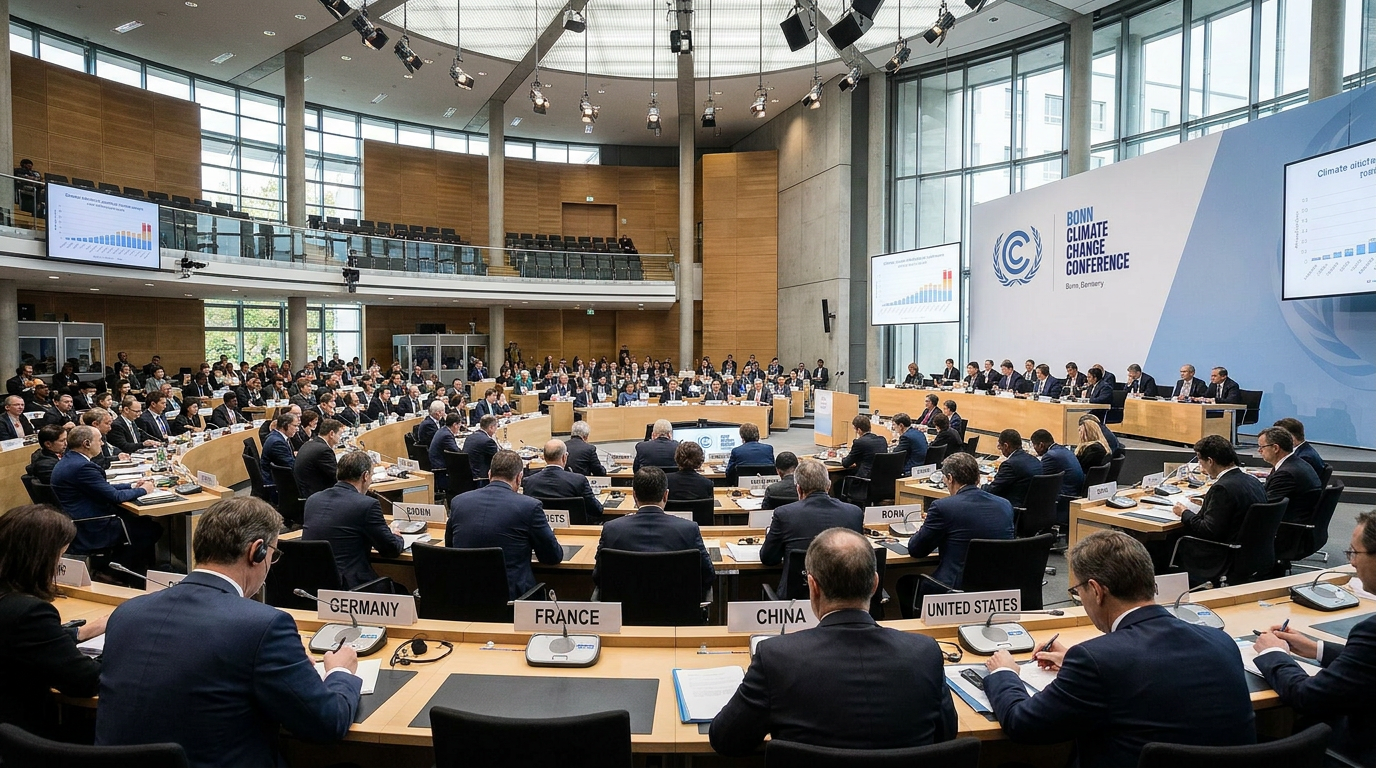
The UN climate talks in Bonn (SB64) ended in gridlock on June 18, 2026, as negotiators failed to bridge a widening chasm over adaptation finance and emissions cuts. The mid-year summit, designed to lay the technical groundwork for the COP31 conference in Antalya, Turkey, instead collapsed into procedural stalemates.[1][6][7]
Because of the deadlock, crucial decisions regarding the Global Goal on Adaptation and the Mitigation Work Programme were subjected to "rule 16." This UN procedural mechanism means the unresolved texts are simply pushed to the next summit, forcing diplomats to start over. UN Climate Chief Simon Stiell openly criticized the proceedings, warning that the critical negotiations were marred by "side-stepping and stalling."[1][7]
The diplomatic paralysis arrives at a perilous moment for global climate stability. On the same day the Bonn talks stalled, the UN Food and Agriculture Organization (FAO) and the World Food Programme (WFP) issued a stark warning that a strong El Niño weather pattern is expected to intensify through late 2026.[2][4]
This climatic shift threatens to trigger severe droughts and catastrophic floods across Africa, Asia, the Pacific, and Latin America. In response to the looming crisis, the UN agencies launched an urgent $202 million funding appeal to protect 8.8 million people across 22 high-risk countries from impending crop failures, livestock losses, and displacement.[2][4]

At the heart of the Bonn deadlock was an enduring fracture over who pays for climate resilience. Developing nations, led by the Africa Group, drew a "line in the sand" over adaptation finance, refusing to proceed without a concrete commitment from wealthy nations to triple funding by 2035—a pledge initially floated at COP30 in Brazil.[1][7]
At the heart of the Bonn deadlock was an enduring fracture over who pays for climate resilience.
Developing countries expressed deep frustration over what they view as bad faith from developed nations. While a $300 billion annual climate finance goal was agreed upon in 2024, actual public climate spending by major donors has recently fallen, and few new pledges have materialized for 2026 and beyond.[1][7]

Beyond the financial disputes, the talks saw unprecedented clashes over climate science itself. The European Union, Switzerland, and several developing nations held a joint press briefing to denounce "coordinated attacks" on the Intergovernmental Panel on Climate Change (IPCC) by fossil-fuel interests seeking to dilute the urgency of the crisis.[1]
However, the scientific debate also fractured along North-South lines. Representatives from countries like India and Saudi Arabia argued that the current 1.5C mitigation pathways place an unfair economic burden on the Global South. They argued that the models used by the IPCC fail to account for historical emissions, insisting that "science and equity" are increasingly being placed in competition.[1]
The diplomatic disputes over emissions cuts are underscored by the continued expansion of fossil fuel infrastructure globally, which undermines the credibility of the negotiations. For example, the Australian government is currently advancing policies that could grant coal companies an additional $6.2 billion in taxpayer diesel subsidies, highlighting the stark disconnect between international climate pledges and domestic economic priorities.[5][8]

Civil society groups pointed to these domestic contradictions as evidence of structural flaws within the UNFCCC. The Center for International Environmental Law (CIEL) argued that the Bonn talks exposed the extent of "corporate capture" by polluting industries. They are demanding reforms to the UN process to prevent fossil-fuel interests from effectively vetoing climate justice initiatives.[5]
Human rights organizations also intervened in the proceedings, demanding that the trillions of dollars mobilized for the green transition come with binding human rights conditions. Amnesty International highlighted that large-scale renewable energy projects—such as solar farms and hydroelectric dams—frequently displace indigenous communities without their free, prior, and informed consent.[3]
As the international community looks toward COP31 in November, the gap between climate ambition and implementation remains vast. While the language of a "just transition" has become mainstream in UN texts, the actual mechanisms to fund and enforce that transition remain paralyzed by geopolitical mistrust and economic self-interest.[1][6][7]
How we got here
December 2023
COP28 in Dubai concludes the first global stocktake, agreeing to transition away from fossil fuels.
November 2025
COP30 in Belém, Brazil, establishes a target to triple adaptation finance but leaves the baseline and contributors undefined.
June 18, 2026
The SB64 climate talks in Bonn end in gridlock, pushing unresolved finance and mitigation disputes to COP31.
November 2026
The COP31 summit is scheduled to take place in Antalya, Turkey, where negotiators will have to start from scratch on key texts.
Viewpoints in depth
Developing Nations' View
Wealthy nations are acting in bad faith by delaying promised adaptation finance.
For the Africa Group and other climate-vulnerable coalitions, the Bonn talks represented a breaking point. They argue that developed nations are legally obligated under the Paris Agreement to provide the capital necessary for the Global South to adapt to a crisis they did not cause. By refusing to codify the tripling of adaptation finance promised at COP30, wealthy nations are seen as abandoning frontline communities just as extreme weather events accelerate.
EU and Developed Nations' View
Urgent emissions cuts must remain the priority, guided by established IPCC science.
European negotiators and their allies expressed deep frustration over attempts to stall the Mitigation Work Programme. They argue that without immediate and drastic reductions in greenhouse gas emissions, no amount of adaptation finance will be sufficient. Furthermore, they view efforts by some nations to question the 1.5C target and the Intergovernmental Panel on Climate Change's models as dangerous 'attacks on science' orchestrated by fossil-fuel interests.
Civil Society's View
The UN climate process is structurally compromised by corporate capture and lacks human rights safeguards.
Environmental and human rights organizations argue that the UNFCCC process is fundamentally broken because it allows polluting industries to veto climate justice. Groups like the Center for International Environmental Law point out that while diplomats debate technicalities, domestic policies—such as billions in new coal subsidies—continue to expand fossil fuels. They are demanding structural reforms to the UN process and binding human rights conditions on all climate finance to protect indigenous and local communities from exploitative green-energy projects.
What we don't know
- Whether developed nations will announce new climate finance pledges before COP31 begins.
- How severely the impending El Niño will impact global food prices and supply chains.
- If the UNFCCC will implement structural reforms to address concerns over corporate capture.
Key terms
- SB64
- The 64th sessions of the Subsidiary Bodies, the mid-year UN climate negotiations held in Bonn to prepare technical work for the annual COP summits.
- Rule 16
- A UN procedural rule applied when negotiators cannot reach a consensus, automatically pushing the agenda item to the next session.
- Global Goal on Adaptation
- A framework under the Paris Agreement aimed at enhancing adaptive capacity, strengthening resilience, and reducing vulnerability to climate change.
- El Niño
- A climate pattern characterized by the warming of surface waters in the eastern Pacific Ocean, which disrupts global weather and often causes extreme droughts and floods.
Frequently asked
Why did the Bonn climate talks end in a gridlock?
Negotiators failed to agree on the Global Goal on Adaptation and emissions-cutting targets. Developing nations refused to proceed without concrete commitments from wealthy nations to triple adaptation finance.
What is the El Niño warning issued by the UN?
The FAO and WFP warned that a strong El Niño pattern in late 2026 will bring severe droughts and floods to vulnerable regions, threatening food security for millions.
What happens to the unresolved issues from Bonn?
Under UN 'rule 16', the deadlocked texts are pushed to the COP31 summit in Antalya, Turkey, where negotiators will have to resume discussions from scratch.
Sources
Source coverage
8 outlets
4 viewpoints surfaced







[1]Carbon BriefDeveloped Nations & EU Negotiators
Bonn climate talks: Key outcomes from the June 2026 UN climate conference
Read on Carbon Brief →[2]UN NewsUN Agencies & Scientific Bodies
Climate shocks accelerating as El Niño threat looms over already vulnerable regions
Read on UN News →[3]Al JazeeraDeveloping Nations & Vulnerable Communities
Money, Rights, and the Climate
Read on Al Jazeera →[4]ReutersUN Agencies & Scientific Bodies
UN food agencies seek $202m to shield 8.8 million people from El Niño
Read on Reuters →[5]Center for International Environmental LawEnvironmental & Human Rights NGOs
June Climate Talks Expose Hard Truth: COP31 Must Reform the UNFCCC to Deliver Climate Action
Read on Center for International Environmental Law →[6]UNFCCCUN Agencies & Scientific Bodies
June UN Climate Meetings 2026 - Updates
Read on UNFCCC →[7]Climate Action NetworkDeveloping Nations & Vulnerable Communities
SB64 exposes growing gap between implementation rhetoric and delivery
Read on Climate Action Network →[8]The GuardianEnvironmental & Human Rights NGOs
Coal companies to reap billions more in taxpayer diesel subsidies as Labor approves new mining
Read on The Guardian →
More in news politics
See all 8 stories →Middle East Diplomacy
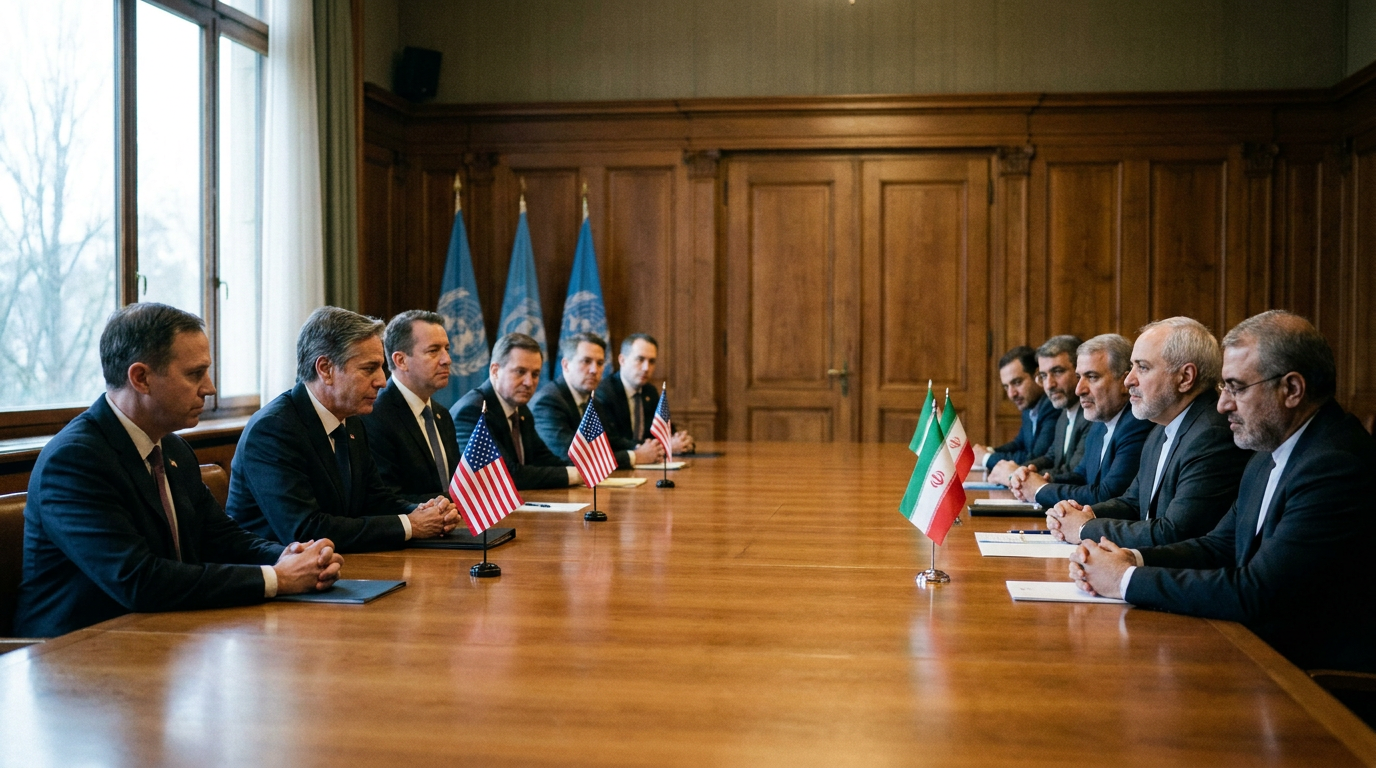
U.S. and Iran Open Historic Peace Talks in Switzerland with 60-Day Roadmap
8 sources
Middle East Diplomacy
U.S. and Iran Open Historic Peace Talks in Switzerland with 60-Day Roadmap
6 sources
US-Iran Relations
Historic US-Iran Peace Talks Open in Switzerland with 60-Day Roadmap Amid Lebanon Tensions
8 sources
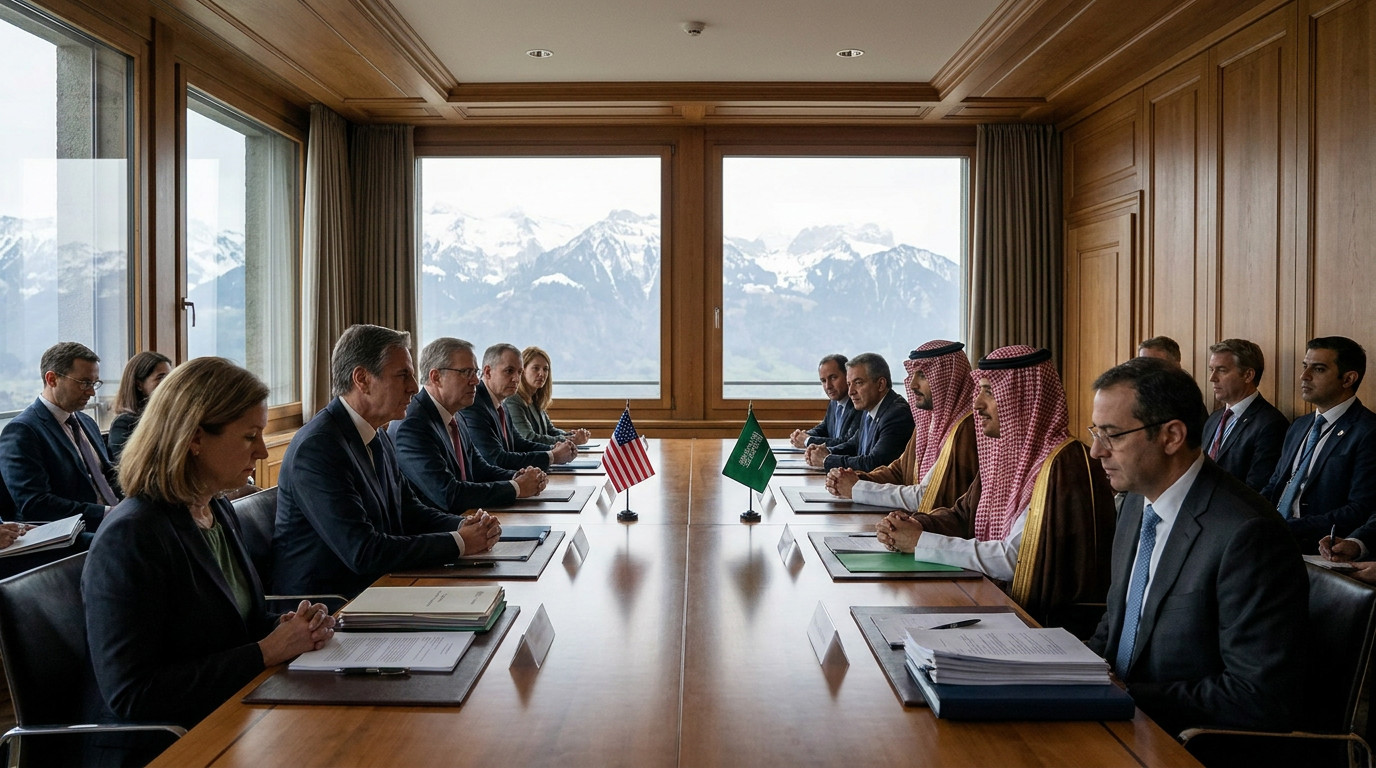
Middle East Diplomacy
U.S. and Iran Open Historic Peace Talks in Switzerland with 60-Day Roadmap
6 sources
Every angle. Every day.
Get news politics stories with full source coverage and perspective breakdowns delivered to your inbox.