
U.S. and Iran Open Historic Peace Talks in Switzerland with 60-Day Roadmap
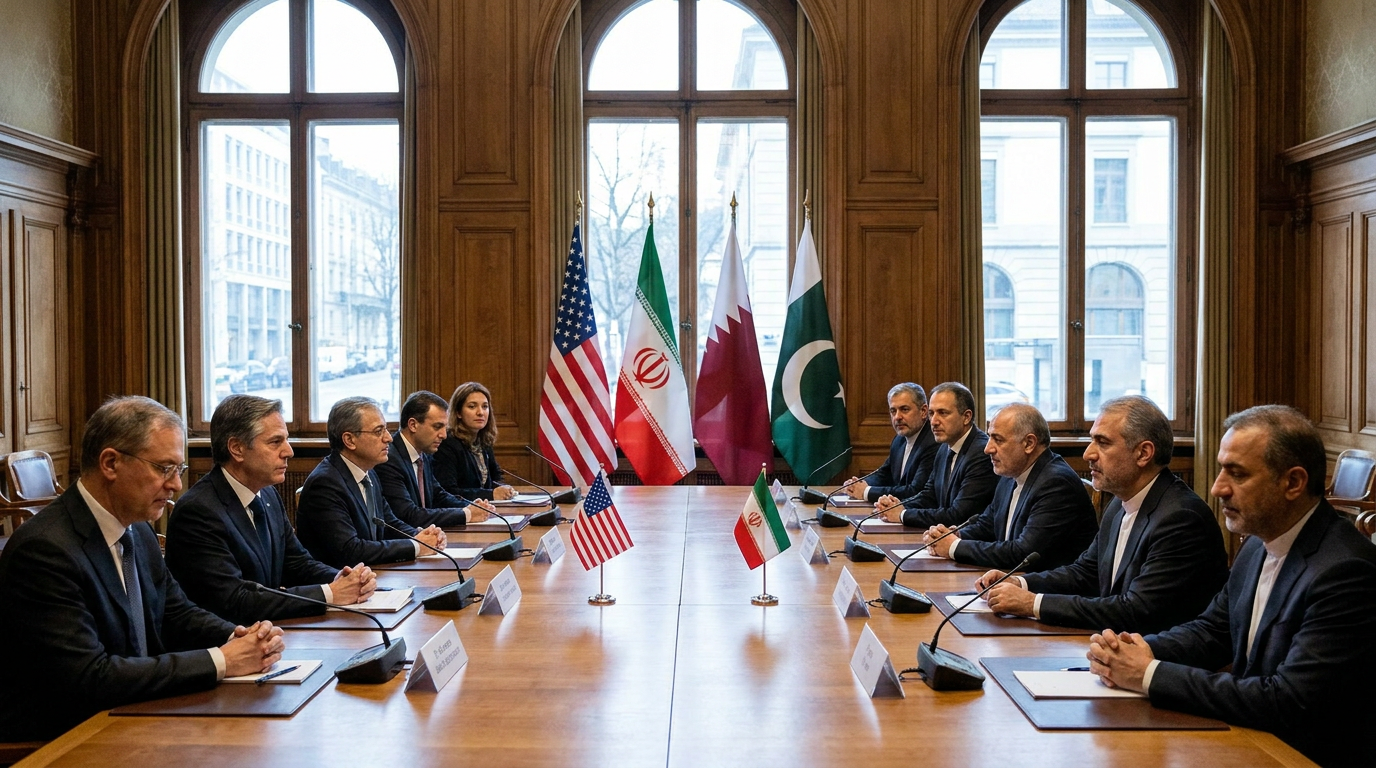
Delegations from the United States and Iran have commenced high-stakes negotiations in Geneva, aiming to establish a 60-day roadmap for regional stability. The talks, mediated by Qatar and Pakistan, coincide with Israel limiting military actions in Lebanon despite ongoing concerns over proxy groups.
By Factlen Editorial Team
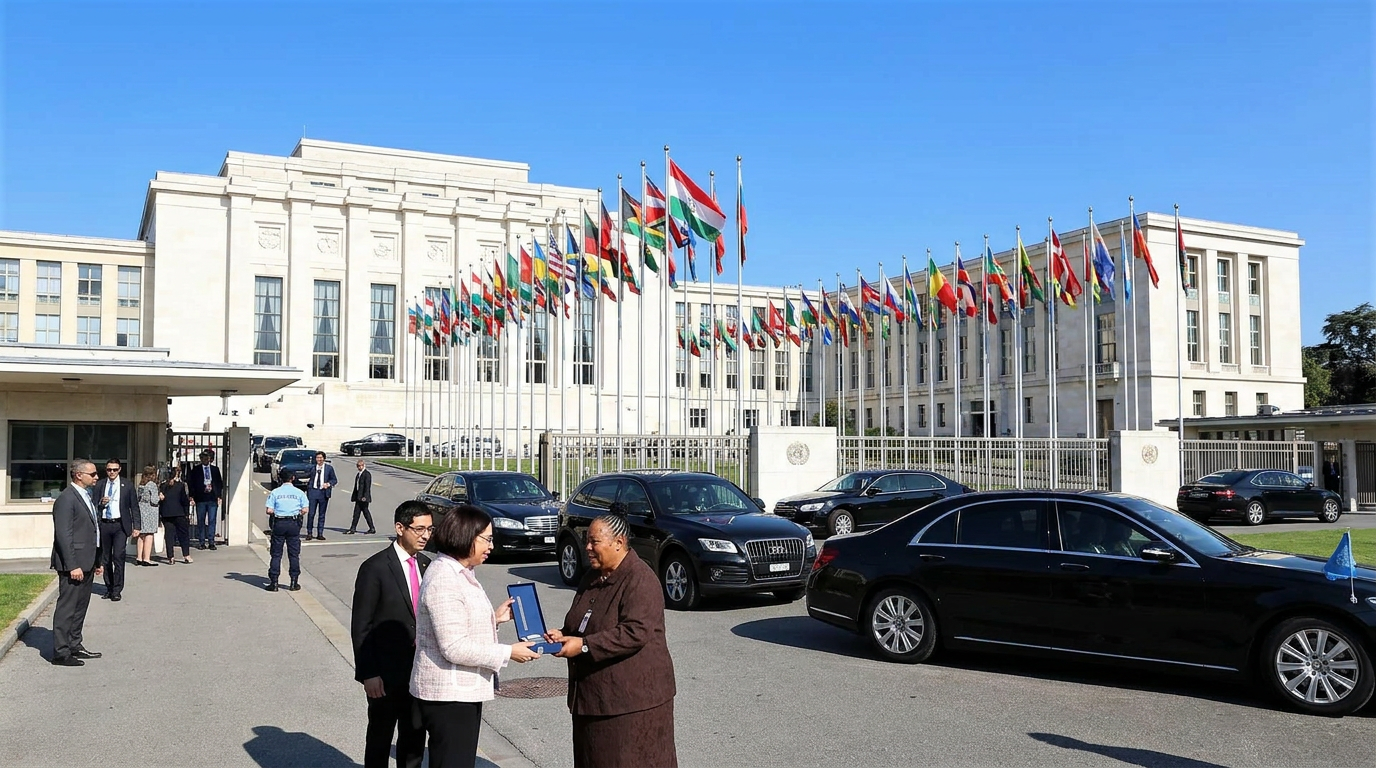
- U.S. Diplomatic Delegation
- Views the talks as a necessary mechanism to prevent a wider regional war and secure American interests through verifiable de-escalation.
- Iranian State Interests
- Approaches the roadmap primarily as a transactional vehicle to secure immediate relief from crippling economic sanctions.
- Israeli Security Establishment
- Expresses deep skepticism, fearing the diplomatic pause will allow hostile proxy groups to rearm and consolidate power on Israel's borders.
- Global Markets
- Monitors the negotiations strictly through the lens of energy security and the mitigation of supply chain disruptions.
What's not represented
- · Lebanese civilians affected by border tensions
- · Leadership of regional proxy militias
Why this matters
A successful diplomatic framework between Washington and Tehran could de-escalate years of proxy conflicts across the Middle East and stabilize global energy markets. Conversely, a breakdown in these talks risks accelerating regional warfare and drawing the U.S. into a broader military confrontation.
Key points
- The U.S. and Iran have opened historic peace talks in Geneva, mediated by Qatar and Pakistan.
- Negotiators are working from a 60-day roadmap that pairs proxy de-escalation with targeted sanctions relief.
- Israel has limited military actions in Lebanon but warns that Iran-backed proxies may sabotage the peace effort.
- Global oil prices dipped slightly as markets priced in a reduced risk of regional conflict.
In a significant diplomatic breakthrough, delegations from the United States and Iran have convened in Geneva, Switzerland, to initiate historic peace negotiations. The talks are structured around a proposed 60-day roadmap designed to de-escalate regional hostilities and establish a framework for long-term stability. Vice President JD Vance is leading the U.S. delegation, marking a high-level commitment from Washington to test the viability of a negotiated settlement with Tehran.[1][2][4]
The summit was brokered through extensive back-channel diplomacy facilitated by Qatar and Pakistan, both of which are acting as official mediators for the proceedings. Qatari and Pakistani officials have characterized the gathering as a "historic opportunity" to pull the Middle East back from the brink of a wider regional war. By utilizing mediators, the U.S. and Iran are able to navigate the complex optics of direct engagement while addressing core security and economic grievances.[1][4]
At the heart of the negotiations is the 60-day roadmap, a phased timeline requiring reciprocal concessions from both sides. While the full text of the working document remains classified, diplomatic sources indicate it involves a synchronized drawdown of proxy militia attacks in exchange for targeted unfreezing of Iranian assets. The framework also reportedly includes preliminary guardrails regarding Iran's nuclear enrichment activities, serving as a potential bridge to a more comprehensive treaty.[1][4][5]

For Tehran, the primary objective is securing economic breathing room. Iranian state media has emphasized that the delegation entered the Geneva talks with a strict focus on the 60-day framework as a mechanism for immediate sanctions relief. Iranian officials have signaled that their adherence to the de-escalation timeline is entirely contingent on verifiable economic concessions from the United States and its European allies.[7]
The ripple effects of the Geneva summit are already altering the tactical landscape in the Middle East. In a move widely interpreted as a gesture to give the diplomatic process room to breathe, Israel has directed its military to limit its actions in Lebanon. This tactical pause comes despite persistent, low-level cross-border tensions, suggesting intense pressure from Washington to avoid any sudden escalations that could derail the Swiss negotiations.[3]
The ripple effects of the Geneva summit are already altering the tactical landscape in the Middle East.
However, the Israeli security establishment remains deeply skeptical of the process. Israeli President Isaac Herzog publicly warned that Iran-backed proxies, particularly Hezbollah in Lebanon, are actively attempting to sabotage the prospects for peace. Herzog's comments reflect a broader anxiety in Jerusalem that the 60-day roadmap might provide Tehran with diplomatic cover to rearm and consolidate its proxy networks without facing immediate military pressure.[2][6]

The challenge of reigning in these proxy forces is perhaps the most fragile component of the roadmap. The U.S. delegation is demanding verifiable guarantees that Tehran will halt weapons shipments and operational directives to militias operating in Iraq, Syria, and Yemen. Whether the Iranian government possesses the political will—or the absolute operational control—to enforce a total cessation of proxy hostilities over the next two months remains a critical unknown.[4][5]
Global markets have reacted cautiously but positively to the opening of the talks. Oil prices experienced a notable dip as trading opened, reflecting a reduction in the geopolitical risk premium that has inflated energy costs over the past year. Energy analysts note that even a temporary 60-day freeze in hostilities significantly reduces the threat of disruptions to shipping lanes in the Strait of Hormuz and the Red Sea.[8]

Domestically, the U.S. administration faces a complex political calculus. By dispatching JD Vance to lead the delegation, the administration is attempting to project strength and ensure that any resulting agreement aligns with its broader "America First" foreign policy doctrine. However, the move has already drawn scrutiny from both hawkish lawmakers who oppose any concessions to Tehran and critics who question the administration's consistency on Middle East dealmaking.[2][5]
The next 60 days will serve as a high-wire stress test for Middle Eastern diplomacy. If the roadmap holds, it could fundamentally realign the security architecture of the region and pave the way for a broader normalization process. If it collapses—whether due to a proxy miscalculation, domestic political sabotage, or a failure to deliver sanctions relief—the resulting diplomatic vacuum could trigger an unprecedented cycle of regional violence.[4][5]
How we got here
Early 2026
Escalating clashes between Israel and Iran-backed proxies raise fears of a broader regional war.
May 2026
Qatar and Pakistan begin facilitating back-channel communications between Washington and Tehran.
June 21, 2026
Official delegations arrive in Geneva to begin formal negotiations on the 60-day roadmap.
Viewpoints in depth
U.S. Administration's View
Washington sees the talks as a critical off-ramp to prevent a wider Middle Eastern war.
For the U.S. delegation, the Geneva talks represent a pragmatic attempt to cap regional volatility without committing to a massive military footprint. By demanding a synchronized drawdown of proxy attacks, the administration hopes to secure shipping lanes and protect allied nations while avoiding direct confrontation. The presence of high-level officials underscores Washington's desire to test whether Tehran is capable of enforcing discipline among its various militia networks.
Iranian Leadership's View
Tehran is utilizing the negotiations primarily to alleviate severe domestic economic pressures.
Iran approaches the 60-day roadmap as a transactional necessity. Years of compounding sanctions have severely strained the Iranian economy, making targeted asset unfreezing a top national security priority. Iranian negotiators maintain that any reduction in regional military posture is strictly conditional on the U.S. delivering verifiable, immediate economic relief, viewing the talks less as a comprehensive peace treaty and more as a tactical ceasefire.
Israeli Government's View
Jerusalem views the diplomatic pause as a dangerous window that allows hostile forces to regroup.
The Israeli security establishment is deeply wary of the Geneva framework. While Israel has tactically paused major operations in Lebanon to avoid derailing the U.S.-led initiative, leaders like President Isaac Herzog argue that Iran's proxies will use the 60-day window to rearm and fortify their positions. Israel's primary concern is that a temporary diplomatic thaw will ultimately leave it facing a more entrenched and better-equipped Hezbollah on its northern border.
What we don't know
- Whether Iran has the absolute operational control required to force all its regional proxies to adhere to a ceasefire.
- The exact financial figures and specific assets involved in the proposed sanctions relief.
- How the U.S. administration will navigate domestic political opposition if significant concessions are made to Tehran.
Key terms
- Proxy Warfare
- A conflict where major powers instigate or support fighting by smaller, allied groups rather than engaging each other directly.
- Sanctions Relief
- The reduction or removal of economic penalties—such as frozen assets or trade embargoes—imposed by one country on another.
- Hezbollah
- A heavily armed, Iran-backed political and militant group based in Lebanon, frequently engaged in conflict with Israel.
Frequently asked
What is the 60-day roadmap?
It is a proposed phased timeline requiring the U.S. and Iran to make reciprocal concessions, such as halting proxy attacks in exchange for targeted sanctions relief.
Who is mediating the talks?
Qatar and Pakistan are acting as the official mediators, facilitating the indirect and direct communications between the U.S. and Iranian delegations in Geneva.
How is Israel responding to the negotiations?
Israel has temporarily limited its military actions in Lebanon to give the talks space, though Israeli leaders remain highly skeptical that Iran will rein in its proxy groups.
Why did oil prices drop?
Energy markets reacted positively to the talks, as a potential de-escalation reduces the risk of conflict disrupting major oil shipping routes in the Middle East.
Sources
Source coverage
8 outlets
4 viewpoints surfaced








[1]Al JazeeraIranian State Interests
Iran-U.S. launch historic peace talks with 60-day roadmap
Read on Al Jazeera →[2]Fox NewsU.S. Diplomatic Delegation
Iran-backed proxies sabotaging Lebanon peace as JD Vance leads US delegation to Switzerland, Herzog says
Read on Fox News →[3]NYTIsraeli Security Establishment
Israel directs its military to limit its actions in Lebanon, though tensions persist.
Read on NYT →[4]ReutersU.S. Diplomatic Delegation
U.S., Iran open historic talks in Geneva; Qatar, Pakistan mediate
Read on Reuters →[5]BBCU.S. Diplomatic Delegation
US and Iran begin high-stakes negotiations in Switzerland
Read on BBC →[6]The Times of IsraelIsraeli Security Establishment
Herzog warns of Hezbollah sabotage as US-Iran talks open in Geneva
Read on The Times of Israel →[7]IRNAIranian State Interests
Iran enters Geneva talks with 60-day framework for sanctions relief
Read on IRNA →[8]BloombergGlobal Markets
Oil prices dip as US-Iran Geneva talks raise hopes for regional stability
Read on Bloomberg →
More in news politics
See all 10 stories →Tech Regulation
UK and Canada Advance Sweeping Social Media Bans for Under-16s, Accelerating Global Trend
8 sources

US-Iran Peace Deal
U.S. and Iran Begin 60-Day Peace Sprint in Switzerland as GOP Hawks Revolt Over Deal
10 sources
Middle East Diplomacy
Historic US-Iran Peace Negotiations Open in Switzerland Amid Fragile Lebanon Ceasefire
8 sources
Middle East Diplomacy
U.S. and Iran Open Historic Peace Talks in Switzerland with 60-Day Roadmap
6 sources
Every angle. Every day.
Get news politics stories with full source coverage and perspective breakdowns delivered to your inbox.