
U.S. and Iran Open Historic Peace Talks in Switzerland with 60-Day Roadmap
U.S. and Iranian delegations have commenced face-to-face negotiations in Switzerland, establishing a 60-day roadmap aimed at de-escalating regional conflicts and securing the Strait of Hormuz.
By Factlen Editorial Team
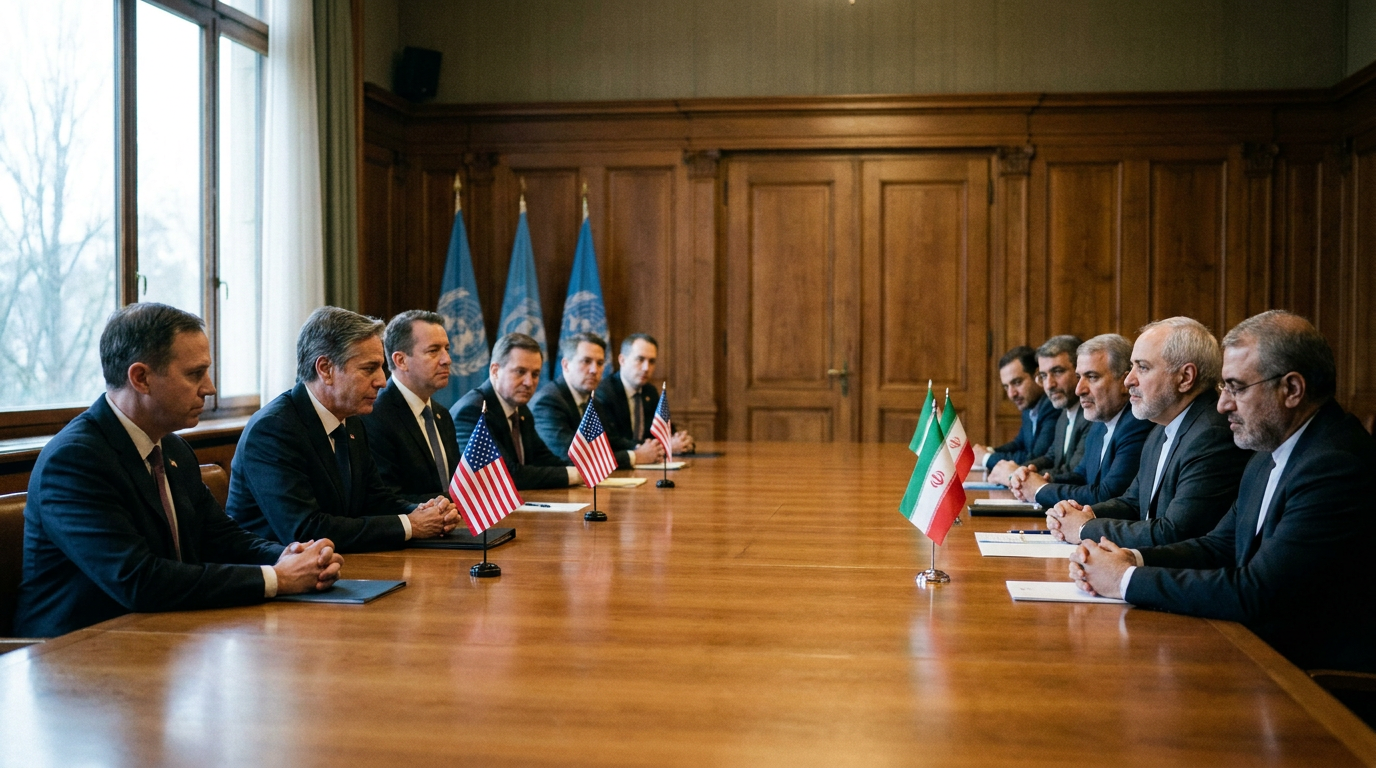
- U.S. Diplomatic Strategy
- Focuses on direct engagement to secure maritime routes and prevent regional war.
- Israeli Security Consensus
- Views Iranian negotiations as a stalling tactic while proxy groups continue attacks.
- Iranian Strategic Interests
- Leverages regional disruption to force economic concessions and sanctions relief.
What's not represented
- · Lebanese civilian leadership
- · European energy importers
- · Gulf Arab states
Why this matters
Direct negotiations between Washington and Tehran represent a massive geopolitical shift that could stabilize global energy markets by reopening the Strait of Hormuz. The outcome of this 60-day window will directly impact shipping costs, oil prices, and the immediate trajectory of the conflicts in Lebanon and Israel.
Key points
- U.S. and Iranian delegations have opened direct, face-to-face negotiations in Geneva, Switzerland.
- The two nations agreed to a 60-day diplomatic roadmap to address regional escalations.
- Talks were catalyzed by Iran's recent claim to have shut down the Strait of Hormuz.
- Israel has directed its military to limit actions in Lebanon during the diplomatic window.
- Israeli officials warn that Iran-backed proxies continue to undermine peace efforts.
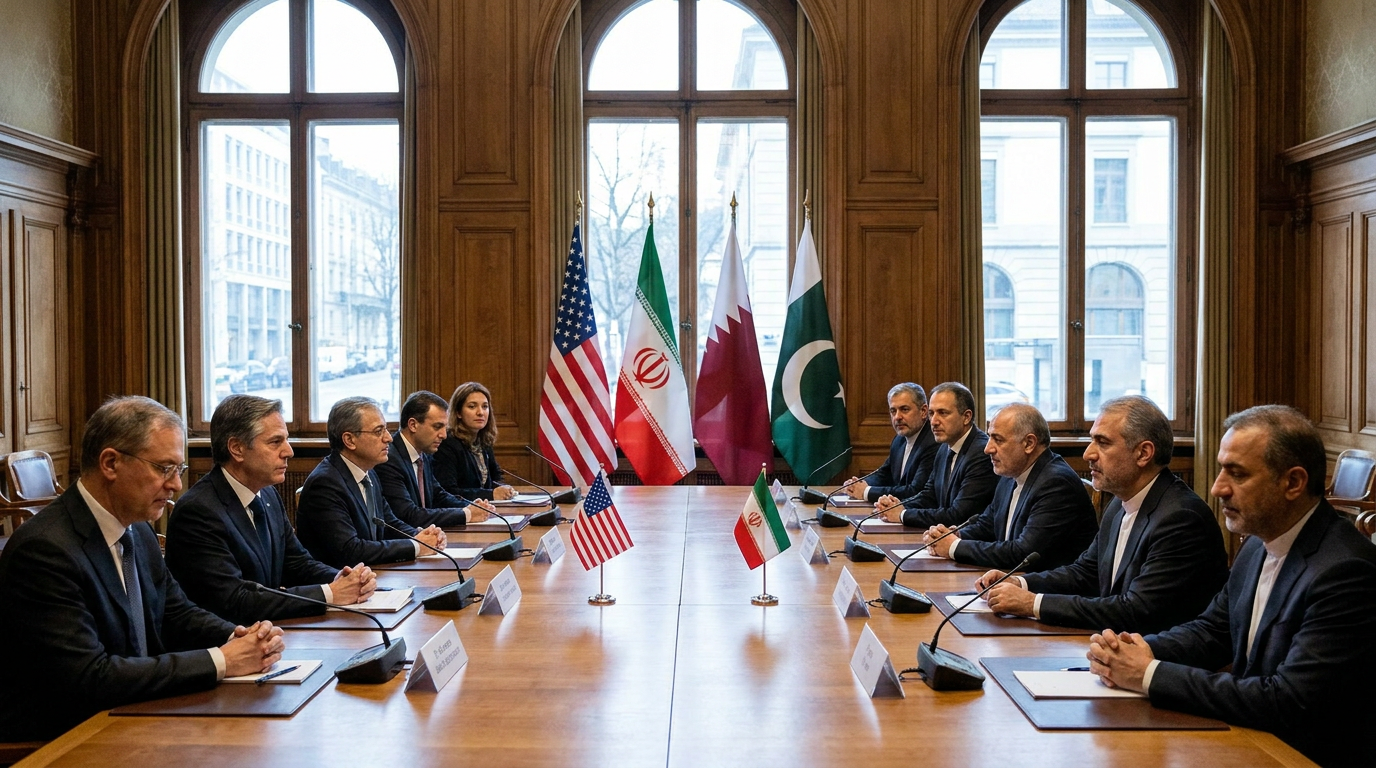
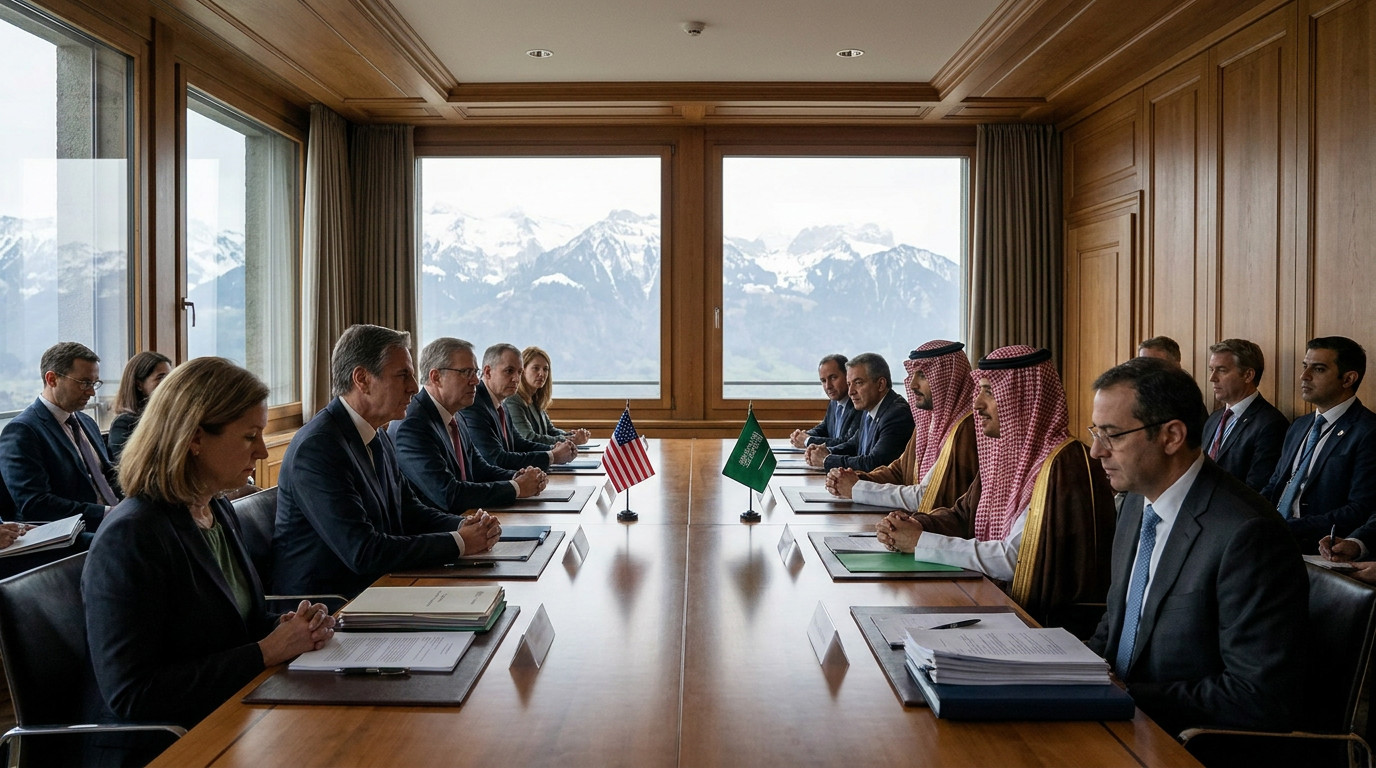
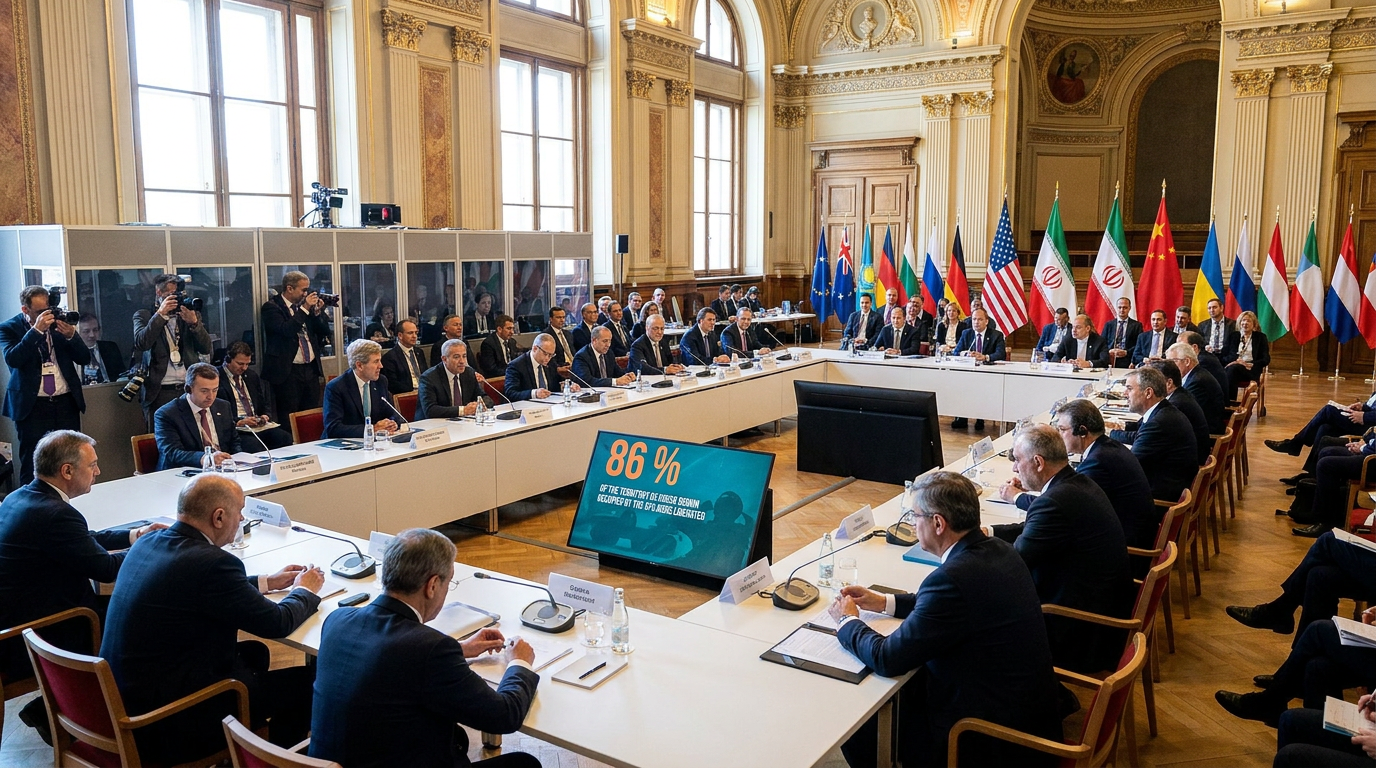
U.S. and Iranian delegations have opened historic, face-to-face peace talks in Geneva, Switzerland, establishing a 60-day diplomatic roadmap designed to de-escalate a rapidly deteriorating security crisis in the Middle East. The rare direct engagement between Washington and Tehran comes at a moment of extreme regional volatility, with multiple flashpoints threatening to converge into a broader international conflict. By agreeing to a structured two-month framework, both nations have signaled a willingness to test diplomatic off-ramps before the situation crosses the threshold of open warfare.[1][2]
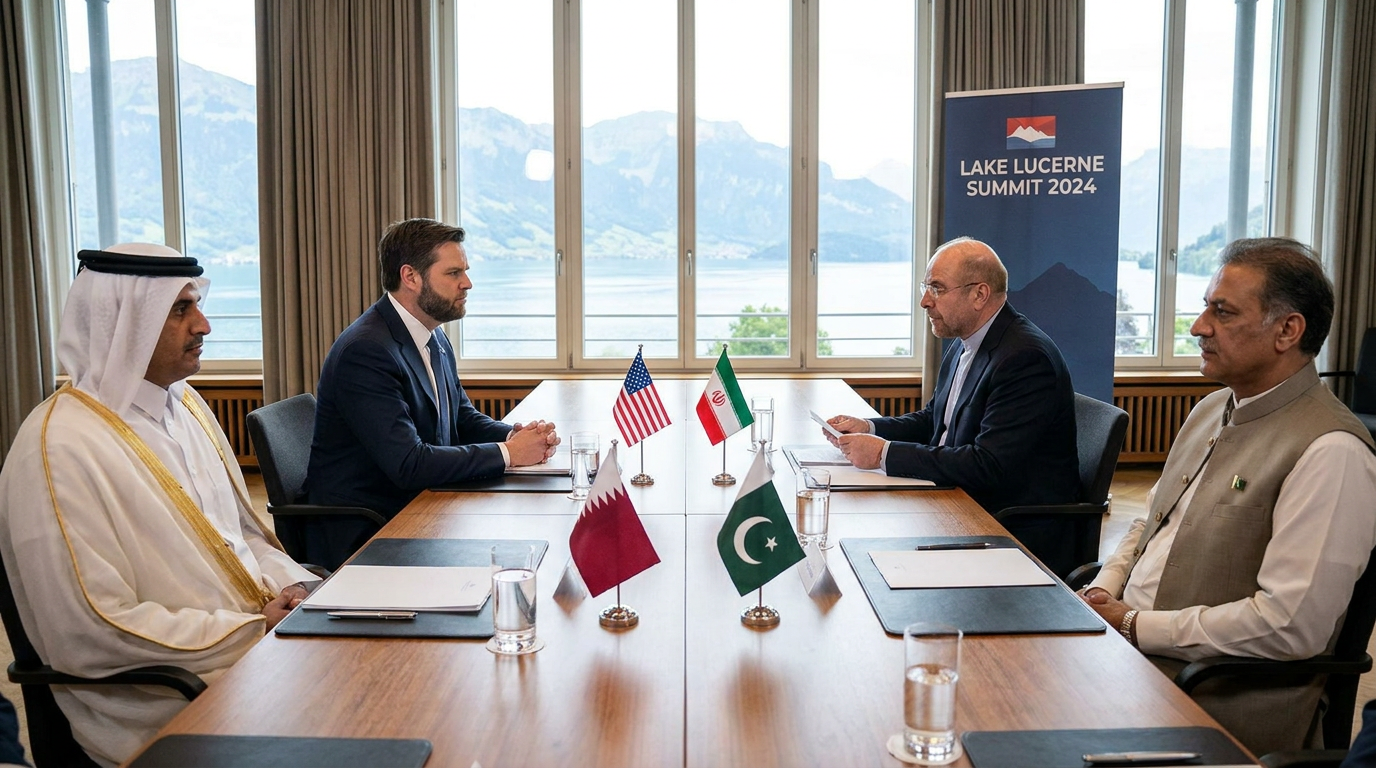
The American delegation, led by Vice President JD Vance, arrived in Switzerland to negotiate directly with Iranian counterparts, marking a significant shift in the administration's approach to the Islamic Republic. The high-level nature of the U.S. representation underscores the urgency of the summit. For years, communications between the two adversaries have largely been routed through intermediaries in Oman or Qatar. Sitting across the same table represents a high-stakes diplomatic gamble aimed at cutting through miscommunications and establishing immediate red lines.[3][5]
The primary catalyst forcing both sides to the negotiating table is the escalating crisis in the Persian Gulf. In recent days, Iran claimed to have successfully shut down the Strait of Hormuz, the world's most critical maritime chokepoint for global energy supplies. The threat of a sustained closure has sent shockwaves through international shipping markets, raising the specter of severe supply chain disruptions and a crippling spike in global inflation if commercial navigation is not swiftly and permanently restored.[1][5]

Under the newly agreed 60-day roadmap, negotiators have established a phased timeline to address these immediate security threats. While the specific concessions and demands remain highly classified, the framework reportedly prioritizes the immediate resumption of safe passage for oil tankers and commercial vessels through the Gulf. In exchange, Iranian officials are widely expected to demand tangible relief from the web of economic sanctions that have severely constrained Tehran's economy over the past several years, testing the U.S. administration's willingness to compromise.[2][6]
The diplomatic maneuvering in Geneva is unfolding against the backdrop of intense, ongoing fighting in the Levant. In Lebanon, border clashes have steadily intensified over recent weeks, threatening to spiral into a full-scale regional war that could draw in various international actors and heavily armed proxy groups. The interconnected nature of Middle Eastern geopolitics means that any progress made regarding maritime security in the Gulf is intrinsically linked to achieving a cessation of hostilities along the volatile Israeli-Lebanese border.[1][3]
The diplomatic maneuvering in Geneva is unfolding against the backdrop of intense, ongoing fighting in the Levant.
In a parallel development that appears closely coordinated with the Geneva summit, Israel has directed its military forces to limit their actions in Lebanon. Although cross-border tensions and sporadic exchanges of fire persist, this tactical pause suggests a deliberate effort by the Israeli government to give the U.S.-led diplomatic window a genuine chance to succeed. By temporarily de-escalating its military posture, Israel is providing Washington with the necessary leverage to demand reciprocal restraint from Tehran and its regional allies.[4][6]

Despite this tactical restraint, deep skepticism remains entrenched among U.S. allies in the region. Israeli President Isaac Herzog publicly warned that Iran-backed proxies, specifically the militant group Hezbollah, are actively sabotaging peace efforts in Lebanon even as the Iranian diplomatic delegation sits at the negotiating table in Switzerland. This dual-track strategy—engaging in high-level diplomacy while simultaneously maintaining asymmetric proxy pressure on the ground—remains a central point of contention that U.S. negotiators must navigate and ultimately dismantle during the 60-day window.[3][4]
The economic stakes of the next two months are monumental. With roughly twenty percent of the world's daily oil consumption passing through the narrow Strait of Hormuz, a prolonged disruption would trigger severe inflationary pressures globally. Energy analysts warn that if the 60-day roadmap collapses and the waterway remains contested, the resulting surge in fuel prices would cascade rapidly through the global economy. This would directly impact manufacturing costs, consumer goods pricing, and the domestic political stability of major energy-importing nations across Europe and Asia.[5][6]
Domestically, the U.S. administration's decision to engage directly with Tehran has ignited fierce political debate. Critics of the White House have sharply questioned the viability of the administration's broader dealmaking strategy, with commentators and political opponents mocking previous memorandums of understanding as fundamentally ineffective. The political pressure is mounting heavily on the U.S. delegation to extract verifiable, long-lasting security guarantees from Iran rather than settling for a temporary, fragile pause in hostilities that merely delays a larger, more destructive confrontation.[3][5]

For the Iranian government, the talks offer a critical, albeit risky, off-ramp from compounding domestic and international pressures. Iranian negotiators are reportedly seeking ironclad guarantees regarding comprehensive sanctions relief in exchange for maritime security assurances and a verifiable commitment to rein in regional proxy activities. However, hardliners within Tehran's political and military establishment remain deeply suspicious of U.S. commitments, making the internal Iranian consensus required to finalize any deal just as fragile as the international negotiations currently taking place in Geneva.[2][6]
European diplomats, who are acting as crucial intermediaries and hosts in Geneva, have expressed a sense of cautious optimism regarding the initial framework. The establishment of a concrete timeline—the 60-day roadmap—provides a measurable metric for tracking progress, forcing both parties to move beyond rhetorical posturing and into the difficult work of substantive, verifiable concessions. European capitals are acutely aware that their own economic stability and energy security hinge entirely on the success of these high-stakes bilateral talks.[1][5]
As the first round of face-to-face meetings concludes, the international community is watching the diplomatic process with bated breath. The next two months will serve as a definitive test of whether this historic diplomatic gamble can successfully untangle the complex, interlocking web of Middle Eastern conflicts. If the 60-day roadmap succeeds, it could establish a new paradigm for regional stability and maritime security; if it fails, the region will almost certainly slide further toward a catastrophic and economically devastating military escalation.[2][4][6]
How we got here
Early June 2026
Fighting intensifies in Lebanon, raising fears of a broader regional conflict.
Mid-June 2026
Iran claims to have shut down the Strait of Hormuz, threatening global energy supplies.
June 21, 2026
U.S. and Iranian delegations begin face-to-face talks in Switzerland.
August 2026
The 60-day diplomatic roadmap is scheduled to conclude.
Viewpoints in depth
U.S. Administration's View
The U.S. seeks to stabilize energy markets and prevent a wider regional war through direct engagement.
Led by Vice President JD Vance, the U.S. delegation views the 60-day roadmap as a necessary diplomatic intervention to reopen the Strait of Hormuz and de-escalate the multi-front conflict in the Middle East. The administration argues that direct, face-to-face negotiations are the only viable mechanism to hold Tehran accountable while avoiding a costly military entanglement. They are prioritizing maritime security and a cessation of hostilities in Lebanon as immediate prerequisites for any broader agreements.
Israeli Leadership's View
Israel remains highly skeptical of Iran's intentions and warns against appeasing proxy sponsors.
Israeli officials, including President Isaac Herzog, view the Geneva talks with deep caution. They argue that while Iran negotiates in Switzerland, its proxy network—particularly Hezbollah in Lebanon—continues to actively sabotage regional stability. From Israel's perspective, any diplomatic framework that does not permanently dismantle Iran's support for these militant groups is fundamentally flawed. Consequently, while Israel has temporarily limited military actions in Lebanon to allow diplomacy a window, it maintains a posture of high readiness.
Tehran's View
Iran is leveraging its regional influence and control over maritime routes to force sanctions relief.
For the Iranian government, the ability to disrupt the Strait of Hormuz and project power through regional allies serves as critical leverage. Tehran approaches the 60-day roadmap as an opportunity to negotiate relief from crippling economic sanctions. Iranian officials maintain that their actions are defensive responses to foreign presence in the region and argue that long-term peace requires the U.S. to acknowledge Iran's security interests and economic rights.
What we don't know
- The specific concessions demanded by either side during the 60-day roadmap.
- Whether Iran will officially reopen the Strait of Hormuz before the 60-day period concludes.
- How long Israel will maintain its limited military posture in Lebanon if proxy attacks continue.
Key terms
- Strait of Hormuz
- A narrow, strategically vital waterway between the Persian Gulf and the Gulf of Oman through which roughly 20% of the world's oil supply passes.
- Proxy War
- A conflict where major powers instigate or support fighting by other groups or nations without directly fighting each other.
- Hezbollah
- A heavily armed, Iran-backed political and militant group based in Lebanon.
Frequently asked
Why are the U.S. and Iran meeting in Switzerland?
Switzerland frequently acts as a neutral diplomatic host and has historically represented U.S. interests in Iran, making it an ideal venue for high-stakes, face-to-face negotiations.
What is the 60-day roadmap?
It is a structured diplomatic framework agreed upon by both nations to de-escalate tensions, specifically focusing on maritime security in the Strait of Hormuz and conflicts in the Levant.
How is Israel responding to the talks?
Israel has reportedly limited its military actions in Lebanon to allow space for diplomacy, though Israeli leaders remain highly skeptical of Iran's intentions and warn of ongoing proxy sabotage.
Sources
Source coverage
6 outlets
3 viewpoints surfaced






[1]BBCIranian Strategic Interests
US and Iran begin talks on initial peace deal in Switzerland
Read on BBC →[2]Al JazeeraIranian Strategic Interests
Iran-U.S. launch historic peace talks with 60-day roadmap
Read on Al Jazeera →[3]Fox NewsIsraeli Security Consensus
Iran-backed proxies sabotaging Lebanon peace as JD Vance leads US delegation to Switzerland, Herzog says
Read on Fox News →[4]The New York TimesIsraeli Security Consensus
Israel directs its military to limit its actions in Lebanon, though tensions persist.
Read on The New York Times →[5]ReutersU.S. Diplomatic Strategy
U.S., Iran open direct talks in Geneva to defuse Strait of Hormuz crisis
Read on Reuters →[6]The Wall Street JournalU.S. Diplomatic Strategy
U.S. and Iran Agree to 60-Day Diplomatic Framework Amid Middle East Tensions
Read on The Wall Street Journal →
More in news politics
See all 8 stories →Middle East Diplomacy
U.S. and Iran Open Historic Peace Talks in Switzerland with 60-Day Roadmap
8 sources
Middle East Diplomacy
U.S. and Iran Open Historic Peace Talks in Switzerland with 60-Day Roadmap
6 sources
US-Iran Relations
Historic US-Iran Peace Talks Open in Switzerland with 60-Day Roadmap Amid Lebanon Tensions
8 sources
Middle East Diplomacy
U.S. and Iran Open Historic Peace Talks in Switzerland With 60-Day De-Escalation Roadmap
6 sources
Every angle. Every day.
Get news politics stories with full source coverage and perspective breakdowns delivered to your inbox.