
How Psychobiotics and the Gut-Brain Axis Are Reshaping Mental Health
Emerging research reveals that specialized gut bacteria, known as psychobiotics, can directly influence brain function and emotional well-being. By targeting the microbiome through diet and precision supplements, scientists are unlocking new, non-invasive pathways to treat anxiety and cognitive decline.
By Factlen Editorial Team
- Microbiome Researchers
- Focus on mapping the neural and chemical pathways linking gut bacteria to brain health.
- Nutritional Psychiatrists
- Advocate for dietary interventions as foundational treatments for mental wellness.
- Biotech Innovators
- Focus on isolating and commercializing specific bacterial strains for targeted therapies.
What's not represented
- · Patients with severe, treatment-resistant psychiatric disorders
- · Gastroenterologists treating complex autoimmune conditions
Why this matters
Understanding the gut-brain connection empowers you to actively improve your mental health and cognitive resilience through daily dietary choices, offering a tangible, accessible tool for emotional well-being.
Key points
- The gut-brain axis is a bidirectional communication network linking the digestive tract to the central nervous system.
- Psychobiotics are live microorganisms and fibers that confer measurable mental health benefits by modulating gut bacteria.
- A 2026 Emory University study found that live bacteria from an imbalanced gut can physically enter the brain via the vagus nerve.
- Dietary interventions, including high-fiber and fermented foods, can increase beneficial short-chain fatty acids and reduce systemic inflammation.
For centuries, various cultures have intuitively linked digestion with emotional well-being, often referring to the gut as the body’s "second brain." Today, modern science is validating that ancient intuition with astonishing precision. The human digestive tract houses over 100 million neurons, forming a complex enteric nervous system that is in constant, dynamic dialogue with the brain. This bidirectional communication network, known as the gut-brain axis, is rapidly becoming one of the most exciting frontiers in medical research. At the center of this paradigm shift is a novel class of interventions known as "psychobiotics"—live microorganisms that, when ingested in adequate amounts, confer measurable mental health benefits. By targeting the microbiome, researchers and clinicians are uncovering entirely new ways to treat anxiety, depression, and cognitive decline, moving the focus of psychiatric care from the brain down to the bowel.[2][6]
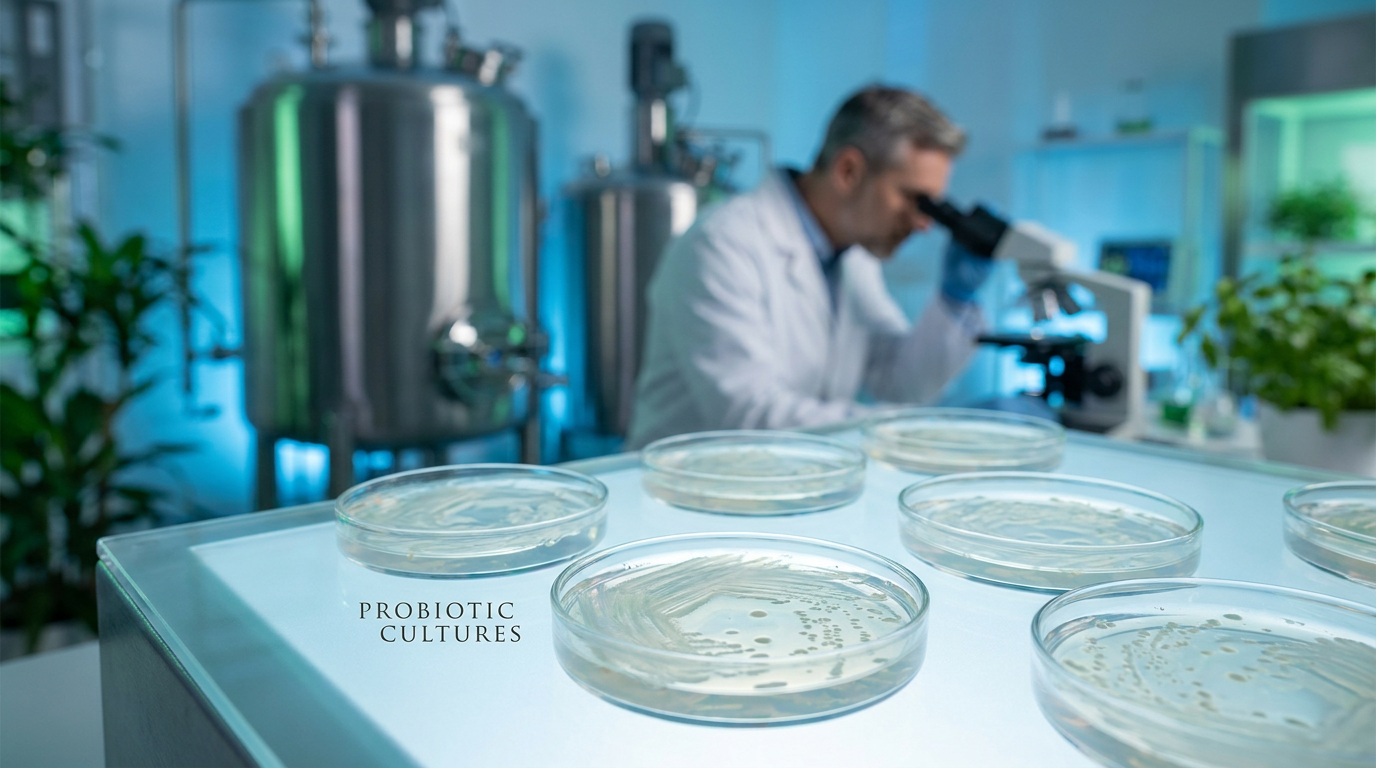
The term psychobiotics was originally coined to describe specific strains of probiotics that influence central nervous system functions. However, the definition has since expanded to include prebiotics—the specialized dietary fibers that feed these beneficial bacteria. When we consume high-fiber, plant-based foods, we are essentially cultivating a microscopic ecosystem that manufactures the very chemicals our brains need to function optimally. Gut bacteria are responsible for producing a staggering percentage of the body's neurotransmitters, including gamma-aminobutyric acid (GABA), dopamine, and serotonin. In fact, an estimated 90 percent of the body's serotonin is produced in the digestive tract. By modulating this microbial factory, psychobiotics offer a non-invasive, accessible pathway to enhancing emotional resilience and cognitive performance, fundamentally altering how we approach mental healthcare.[4][5]
The physical superhighway facilitating this gut-brain dialogue is the vagus nerve, a sprawling neural network that connects the brainstem directly to the heart, lungs, and major abdominal organs. For years, scientists understood that the vagus nerve transmitted chemical signals between the gut and the brain. However, a landmark March 2026 study from Emory University fundamentally rewrote the rules of this relationship. Using advanced mouse models, researchers demonstrated that live bacteria from an imbalanced gut microbiome can actually travel up the vagus nerve and enter the brain directly. This physical translocation of bacteria represents a radical breakthrough in our understanding of neurological health, suggesting that the physical boundaries between the digestive and central nervous systems are far more porous than previously believed.[1]

The Emory University findings carry profound implications for the origins of neurodegenerative and psychiatric conditions. The research team found that a high-fat, pro-inflammatory diet induced gut dysbiosis—an imbalance in the microbial community—which in turn allowed bacteria to breach the intestinal barrier and migrate to the brain. Crucially, the researchers identified low levels of these translocated bacteria in the brains of models exhibiting symptoms akin to Parkinson's and Alzheimer's diseases. This suggests that the initiation of severe neurological conditions may actually begin in the gut, driven by dietary choices that compromise the intestinal lining. The study provides a stark, mechanical explanation for why poor metabolic health is so frequently correlated with cognitive decline and mood disorders.[1][6]
Fortunately, the Emory researchers also discovered that this bacterial migration is reversible. When the subjects were returned to a balanced, nutrient-dense diet, gut permeability decreased, and the bacterial load in the brain receded. This reversibility underscores the immense power of dietary interventions as both a preventive and therapeutic tool. Nutritional psychiatrists are increasingly advocating for the Mediterranean diet, which is rich in fiber, polyphenols, and omega-3 fatty acids, as a foundational treatment for mental health. These nutrients act as premium fuel for beneficial gut bacteria, promoting microbial diversity and strengthening the intestinal barrier. By simply changing what is on the end of our forks, we can actively fortify the physical defenses that protect our neurological health.[1][2]
Fortunately, the Emory researchers also discovered that this bacterial migration is reversible.
Beyond maintaining the physical barrier, a healthy microbiome produces critical metabolic byproducts known as short-chain fatty acids (SCFAs), such as butyrate, acetate, and propionate. These SCFAs are generated when gut bacteria ferment dietary fiber that human enzymes cannot digest. Once produced, SCFAs exert powerful anti-inflammatory effects throughout the body, including the brain. Systemic inflammation is increasingly recognized as a primary driver of depression and anxiety, with elevated inflammatory markers frequently observed in patients resistant to traditional antidepressants. By increasing the production of SCFAs through a high-fiber diet, individuals can effectively dampen this inflammatory response, providing a biological buffer against the physiological impacts of chronic stress.[2][3]
While whole-food diets remain the gold standard for microbiome health, the biotech and supplement industries are rapidly isolating specific bacterial strains to create targeted psychobiotic therapies. Clinical trials have identified particular strains of Lactobacillus and Bifidobacterium that demonstrate remarkable efficacy in modulating mood. For example, Bifidobacterium longum has been extensively studied for its ability to enhance GABA production and support emotional balance, with some clinical trials showing a 20 to 30 percent reduction in anxiety symptoms among participants. These precision biotics are engineered to survive the harsh, acidic environment of the stomach and deliver concentrated doses of neuroactive compounds directly to the lower intestine, where they can exert maximum influence on the gut-brain axis.[3][4]

The commercialization of psychobiotics has led to an explosion of innovation in delivery formats, making these interventions more accessible and appealing to the general public. Moving beyond traditional capsules, companies are now incorporating clinically validated psychobiotic strains into gummies, oil drops, lozenges, and functional foods. This shift toward convenience is particularly important for individuals dealing with conditions like irritable bowel syndrome (IBS), which frequently co-occurs with anxiety and depression. By integrating psychobiotics into enjoyable, everyday formats, manufacturers are reducing the friction associated with supplementation and helping consumers build consistent, gut-friendly habits that support long-term mental well-being.[4]
Despite the immense promise of psychobiotics, researchers caution that the field is still in its relative infancy, and significant challenges remain in translating these findings into universal clinical applications. The human microbiome is incredibly diverse, shaped by genetics, environment, early childhood development, and lifelong dietary habits. Because no two microbiomes are exactly alike, a psychobiotic strain that dramatically reduces anxiety in one individual may have little to no effect on another. This inherent variability complicates the development of standardized treatments and highlights the urgent need for precision nutrition—an approach that tailors dietary and probiotic interventions to an individual's unique microbial fingerprint.[2][5]
Furthermore, the rapid commercialization of the gut-brain axis has inevitably led to a degree of market hype that sometimes outpaces the underlying science. While the results of human clinical trials are highly encouraging, many of the foundational discoveries regarding psychobiotics were made in animal models, which do not always translate perfectly to human physiology. Experts emphasize that psychobiotics should not be viewed as a standalone cure or a replacement for conventional psychiatric therapies, such as cognitive behavioral therapy (CBT) or prescribed medications. Instead, they represent a powerful, complementary tool in a holistic approach to mental healthcare—one that addresses the biological roots of emotional distress alongside psychological support.[3][6]

Looking ahead, the integration of artificial intelligence and advanced microbiome sequencing is poised to unlock the full potential of psychobiotics. Researchers are developing sophisticated algorithms capable of analyzing a patient's stool sample, identifying specific microbial deficiencies, and recommending highly personalized dietary and probiotic regimens. As these technologies become more affordable and widely available, the era of trial-and-error supplementation will give way to targeted, data-driven interventions. This precision approach will allow clinicians to prescribe specific foods and psychobiotic strains with the same confidence and specificity currently reserved for pharmaceutical drugs, fundamentally transforming the landscape of preventive medicine.[2][4]
Ultimately, the rise of psychobiotics offers a profoundly empowering message: our mental health is not entirely hardwired by our genetics or dictated solely by brain chemistry. By recognizing the gut as the body's second brain, we gain a tangible, daily opportunity to influence our emotional and cognitive well-being. Every meal becomes a chance to cultivate a thriving internal ecosystem that supports resilience, focus, and joy. As science continues to map the intricate pathways of the gut-brain axis, the age-old adage "you are what you eat" is taking on a literal, neurological significance, proving that true mental wellness begins from the inside out.[5][6]
How we got here
2012
Early foundational studies coin the term 'mind-altering microorganisms,' establishing the gut's impact on behavior.
2019
Comprehensive reviews map the neuroendocrinology of the microbiota-gut-brain axis.
2023
The psychobiotics market sees rapid commercial expansion with targeted strains for stress management.
March 2026
Emory University researchers demonstrate that live gut bacteria can directly enter the brain via the vagus nerve in mouse models.
Viewpoints in depth
Microbiome Researchers
Focus on mapping the neural and chemical pathways linking gut bacteria to brain health.
This camp emphasizes the biological mechanisms of the gut-brain axis, such as the vagus nerve's role in transporting bacteria and the production of neuroactive metabolites. While optimistic about the therapeutic potential, researchers stress the need for rigorous, long-term human trials to validate findings that are currently heavily reliant on animal models.
Nutritional Psychiatrists
Advocate for dietary interventions as foundational treatments for mental wellness.
Nutritional psychiatrists view diet as a primary lever for mental health. They argue that before turning to isolated supplements or pharmaceuticals, patients should focus on whole-food interventions—such as the Mediterranean diet, high-fiber plants, and fermented foods—to cultivate a diverse microbiome that naturally produces essential neurotransmitters like serotonin and GABA.
Biotech Innovators
Focus on isolating and commercializing specific bacterial strains for targeted therapies.
The biotechnology and supplement industries are aggressively pursuing precision biotics. By isolating specific strains like Bifidobacterium longum, this camp aims to create standardized, bioengineered products that deliver consistent cognitive and emotional benefits, making gut-brain interventions as accessible and reliable as traditional over-the-counter medications.
What we don't know
- How individual genetic and environmental differences affect the efficacy of specific psychobiotic strains.
- The long-term neurological impacts of prolonged, diet-induced bacterial migration into the brain.
- Which exact combinations of prebiotics and probiotics yield the most consistent results for severe clinical depression.
Key terms
- Psychobiotics
- Live microorganisms and specialized fibers that provide mental health benefits when consumed in adequate amounts.
- Gut-Brain Axis
- The bidirectional communication network linking the central nervous system with the enteric nervous system in the digestive tract.
- Vagus Nerve
- The primary neural highway connecting the brainstem to major abdominal organs, acting as a direct line of communication between the gut and brain.
- Short-Chain Fatty Acids (SCFAs)
- Beneficial metabolites produced when gut bacteria ferment dietary fiber, known to reduce systemic inflammation and support brain health.
- Dysbiosis
- An imbalance in the gut microbial community, often linked to poor diet and associated with various physical and mental health conditions.
Frequently asked
What are psychobiotics?
Psychobiotics are live microorganisms (probiotics) and specialized fibers (prebiotics) that confer measurable mental health benefits when consumed in adequate amounts.
How does the gut communicate with the brain?
The gut and brain communicate via the gut-brain axis, a network that includes the vagus nerve, the immune system, and neurotransmitters produced by gut bacteria.
Can diet really improve anxiety or depression?
Yes. High-fiber and fermented diets promote beneficial gut bacteria that produce anti-inflammatory compounds and neurotransmitters, which can help reduce symptoms of anxiety and depression.
What foods are best for the gut-brain axis?
The Mediterranean diet—rich in fiber, whole grains, fresh vegetables, omega-3 fatty acids, and fermented foods like yogurt and kefir—is considered optimal for microbiome health.
Sources
Source coverage
6 outlets
3 viewpoints surfaced






[1]Emory UniversityMicrobiome Researchers
High-fat diets cause gut bacteria to enter brain, Emory study finds
Read on Emory University →[2]Annual ReviewsMicrobiome Researchers
From Fork to Feelings: How Foods Shape Mental Health via the Microbiota–Gut–Brain Axis
Read on Annual Reviews →[3]FrontiersBiotech Innovators
Psychobiotics and the gut-brain axis: clinical trials and mechanisms
Read on Frontiers →[4]Nutrition InsightBiotech Innovators
Gut-brain axis innovations: Psychobiotics target cognitive performance
Read on Nutrition Insight →[5]ZOENutritional Psychiatrists
What is the gut-brain connection and what role does nutrition play?
Read on ZOE →[6]Factlen Editorial TeamNutritional Psychiatrists
Synthesis by Factlen editorial team
Read on Factlen Editorial Team →


Every angle. Every day.
Get health stories with full source coverage and perspective breakdowns delivered to your inbox.