
The Global Rise of Indigenous Culinary Tourism and the Reclamation of Ancient Foodways
Travelers are increasingly seeking out 'soil-to-soul' dining experiences led by Indigenous chefs, shifting the focus of global gastronomy toward food sovereignty, pre-colonial ingredients, and deep cultural immersion.
By Factlen Editorial Team
- Indigenous Culinary Leaders
- Chefs and knowledge keepers focused on cultural preservation and food sovereignty.
- Sustainable Tourism Advocates
- Planners and environmentalists emphasizing the ecological and local economic benefits.
- Global Gastronomy Observers
- Culinary institutions tracking the evolution of global dining trends.
What's not represented
- · Commercial food distributors facing supply chain limits for wild-foraged ingredients
- · Non-Indigenous chefs navigating the boundaries of cultural appreciation vs. appropriation
Why this matters
As travelers increasingly plan vacations around food, the rise of Indigenous culinary tourism is redirecting millions of dollars away from multinational hospitality chains and into local communities. For readers, this shift offers a chance to experience deeper, more authentic travel while directly supporting the preservation of ancient cultures and regenerative ecosystems.
Key points
- Indigenous culinary tourism is moving from a niche market to a defining global travel trend in 2026.
- The movement focuses on food sovereignty, pre-colonial ingredients, and deep cultural storytelling.
- In Australia and North America, Indigenous chefs are leading immersive, 'soil-to-soul' dining experiences on ancestral lands.
- African gastronomy tourism is successfully reviving over 2,000 native 'lost crops' marginalized during colonization.
- The industry faces challenges in scaling ethically without over-harvesting native resources or risking cultural appropriation.
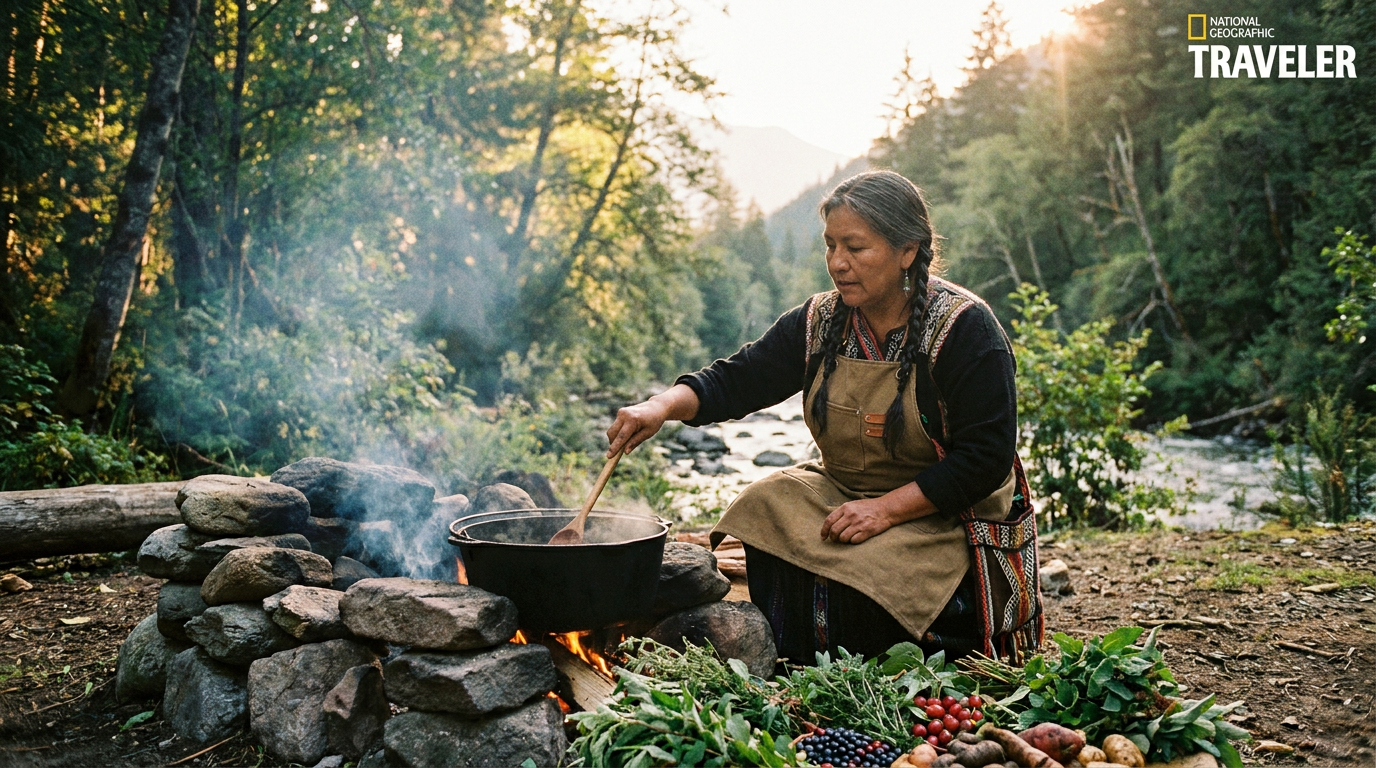
The era of traveling solely for white-tablecloth, Eurocentric fine dining is making room for a more grounded, historically rooted movement. In 2026, the most sought-after culinary reservations aren't just in urban high-rises, but in native food forests, rural community centers, and ancestral lands. Indigenous culinary tourism has emerged as a defining travel trend, shifting the focus from mere consumption to deep cultural immersion and ecological restoration. Travelers are increasingly seeking out "soil-to-soul" experiences led by Indigenous chefs and knowledge keepers, eager to understand the history, trauma, and resilience behind their meals. This represents a profound evolution in how tourists interact with a destination, prioritizing authentic connection over curated luxury.[1][7]
This movement is fundamentally different from the standard "farm-to-table" ethos that has dominated restaurant marketing for the past decade. It is deeply rooted in the concept of food sovereignty—reclaiming pre-colonial ingredients and telling the story of landscapes that have been stewarded by Indigenous peoples for millennia. In Australia, this shift is palpable and gaining international recognition. Chefs like Mindy Woods, a proud member of the Widjabul Wia-bal clan in Bundjalung Country, are actively redefining the nation's culinary identity. Recently recognized as a "Champion of Change" by the World's 50 Best Restaurants, Woods uses food as a medium to preserve and share a vibrant culture with roots stretching back an astonishing 65,000 years.[2][6]
Rather than confining her cuisine to a traditional brick-and-mortar restaurant, Woods invites guests directly onto the land itself. Visitors are guided through native food forests, learning to identify, respect, and harvest ingredients like finger limes, saltbush, and native botanicals, before sitting down to a communal meal shared with clan elders. "I call it ancient food, but modern cuisine," Woods explains, emphasizing that the experience is a complete cultural immersion that weaves together art, song, and language alongside the meal. This holistic approach ensures that the food is never divorced from its cultural context, allowing visitors to experience the landscape exactly as it has been known to its original inhabitants.[2]

A similar renaissance is unfolding across North America, where Indigenous chefs are seizing what many describe as a rare and urgent opportunity to reshape the national food landscape. For these culinary leaders, the mission goes far beyond simply serving wild rice, bison, or foraged berries to curious tourists. It is about actively educating both the public and the broader hospitality industry on the vast, diverse, and sophisticated foodways that existed long before European contact. By bringing these pre-contact ingredients to the forefront, chefs are challenging the colonial narratives that have long dictated what is considered "fine dining" in North America, proving that Indigenous cuisine is foundational rather than a passing trend.[1][7]
The movement also serves as a powerful act of historical reclamation on a global scale. In Africa, gastronomy tourism is being leveraged to revive "lost crops"—indigenous grains and fruits that were systematically marginalized during colonization in favor of imported, heavily processed cereals. Researchers note that the African continent is home to more native cereals than any other, yet over 2,000 native grains and fruits have been historically overlooked or stigmatized. Today, highly nutritious and climate-resilient ingredients like fonio, sorghum, and traditional leafy vegetables are reclaiming their rightful place, featured prominently in everything from vibrant street-food pop-ups to high-end eco-tourism lodges.[3]

The movement also serves as a powerful act of historical reclamation on a global scale.
The resurgence of these ancestral diets also aligns perfectly with modern nutritional science and the global wellness travel trend. Many pre-contact ingredients and "lost crops" are highly adapted to their local environments, meaning they require fewer interventions to grow and naturally pack a denser nutritional profile than heavily cultivated commercial crops. African indigenous grains like fonio are gluten-free, boast a low glycemic index, and are rich in essential amino acids, making them a superfood by modern standards. Similarly, the native botanicals utilized in Australian Aboriginal cooking are often rich in antioxidants and unique phenolic compounds. For health-conscious travelers, participating in Indigenous culinary tourism is not just a cultural education, but a masterclass in holistic, functional nutrition.[3][7]
Beyond the vital work of cultural pride and historical correction, Indigenous food tourism offers a powerful engine for local economic empowerment. By keeping tourism dollars strictly within the community, these initiatives directly support local farmers, ethical foragers, and small-scale Indigenous enterprises, rather than multinational hospitality conglomerates. Governments and regional tourism boards are increasingly recognizing this immense economic potential. In Canada, for example, initiatives like the Skode Program launched by Indigenous Tourism Ontario provide crucial seed funding—including $5,000 non-repayable grants—and dedicated mentorship to help Indigenous food entrepreneurs scale their businesses and reach broader international markets.[4][5]

However, the rapid and enthusiastic growth of this sector brings inherent tensions and logistical hurdles. Culinary leaders warn that the industry must carefully balance rising consumer demand with strict ecological responsibility, ensuring that native ingredients are not over-harvested or commodified for mass consumption. Scalability remains a central, unresolved challenge. Indigenous foodways are inextricably linked to sustainable agriculture, seasonal rhythms, and ethical foraging—practices that are inherently localized and cannot always be mass-produced to satisfy a booming, high-volume tourist market. If a rare native berry or wild-foraged mushroom suddenly becomes the centerpiece of a global culinary craze, the resulting demand could devastate fragile local ecosystems, undermining the regenerative ethos of the movement.[1][4]
There is also the delicate and ever-present issue of cultural appropriation. As native ingredients and traditional cooking techniques become trendy in the broader culinary world, there is a significant risk of non-Indigenous chefs adopting these flavors without honoring their origins, understanding their significance, or compensating the communities that preserved them. To combat this, Indigenous chefs are increasingly taking on roles as educators and gatekeepers, creating clear frameworks for non-Indigenous cooks and travelers to engage with the food respectfully. The guiding principle for visitors is clear: arrive with an open heart, leave preconceived colonial notions behind, and tread lightly on the land, ensuring that engagement is reciprocal rather than extractive.[1][2][7]

Ultimately, the rise of Indigenous culinary tourism represents a permanent cultural shift rather than a fleeting seasonal trend. By placing Indigenous wisdom, pre-contact ingredients, and historically marginalized voices at the center of the table, the travel industry is undergoing a necessary reckoning. Travelers are discovering that the most profound way to truly know a destination is not through a generic luxury resort, but by tasting its truest, oldest roots. As this movement continues to mature, it offers a hopeful blueprint for the future of global tourism—one where exploring the world actively heals both the traveler and the territories they visit.[1][7]
How we got here
Pre-1500s
Indigenous communities globally practice regenerative agriculture and seasonal foraging, establishing deep, sustainable foodways.
Colonial Era
Native agricultural systems are disrupted, and traditional ingredients are marginalized in favor of imported European crops.
2010s
A grassroots resurgence of Indigenous chefs begins reclaiming pre-contact ingredients and advocating for food sovereignty.
2025–2026
Indigenous culinary tourism reaches mainstream global recognition, highlighted by major industry awards and dedicated tourism funding.
Viewpoints in depth
Indigenous Culinary Leaders
Chefs and knowledge keepers focused on cultural preservation and food sovereignty.
For Indigenous chefs, this movement is a profound act of reclamation. They argue that food is the most accessible entry point to understanding a culture's history, trauma, and resilience. By controlling the narrative and the supply chain of native ingredients, these leaders aim to achieve food sovereignty—ensuring that the economic benefits of culinary tourism remain within their communities rather than being extracted by outside hospitality groups.
Sustainable Tourism Advocates
Planners and environmentalists emphasizing the ecological benefits of regenerative foodways.
Environmental and tourism researchers view Indigenous culinary traditions as the ultimate model for sustainable travel. Because these foodways rely on ethical foraging, seasonal harvesting, and regenerative agriculture, they inherently protect biodiversity. This camp argues that scaling these practices can help the broader tourism industry transition from a consumptive model to a regenerative one, where visitors actively contribute to the health of the local ecosystem.
Global Gastronomy Observers
Culinary institutions and critics tracking the evolution of global dining trends.
Industry observers note that consumer palates are shifting away from homogenized, Eurocentric fine dining toward hyper-local, story-rich experiences. Institutions like the World's 50 Best Restaurants are increasingly recognizing Indigenous chefs not just as niche practitioners, but as pioneers shaping the future of modern cuisine. They emphasize that the integration of ancient techniques and 'lost crops' is bringing unprecedented depth and innovation to the global culinary stage.
What we don't know
- How the hospitality industry will enforce ethical sourcing standards for wild-foraged native ingredients as demand surges.
- Whether mainstream culinary schools will formally integrate Indigenous foodways into their standard curricula.
- How small, community-led food experiences will handle the logistical strain of mass international tourism.
Key terms
- Food Sovereignty
- The right of communities to control their own food systems, including the production, distribution, and cultural narratives surrounding their native ingredients.
- Pre-contact ingredients
- Native plants, animals, and grains that were cultivated and consumed by Indigenous peoples prior to European colonization.
- Regenerative foraging
- The practice of harvesting wild food in a way that actively improves the health and biodiversity of the ecosystem, rather than depleting it.
- Soil-to-soul
- A culinary philosophy emphasizing the deep spiritual, cultural, and historical connection between the diner, the food, and the land it comes from.
Frequently asked
What is Indigenous culinary tourism?
It is a travel experience focused on exploring the traditional foodways, pre-colonial ingredients, and agricultural practices of Indigenous peoples, often led directly by community members.
What are 'lost crops'?
Lost crops refer to native grains, fruits, and vegetables—such as Africa's fonio—that were marginalized or replaced by imported cereals during colonization but are now being revived.
How does this differ from farm-to-table dining?
While farm-to-table focuses on local sourcing, Indigenous culinary tourism emphasizes food sovereignty, historical reclamation, and deep cultural storytelling tied to ancestral lands.
Is it ethical for non-Indigenous travelers to participate?
Yes, provided travelers approach the experience with respect, support Indigenous-owned businesses directly, and follow the cultural guidance of their hosts to ensure the exchange is reciprocal.
Sources
Source coverage
7 outlets
3 viewpoints surfaced







[1]Menu MagazineIndigenous Culinary Leaders
A Defining Moment for Indigenous Cuisine
Read on Menu Magazine →[2]Range TravelIndigenous Culinary Leaders
Mindy Woods is shaping the future of Indigenous culinary tourism
Read on Range Travel →[3]Inkanyiso Journal of Humanities and Social SciencesGlobal Gastronomy Observers
Gastronomy tourism and the celebration of indigenous cuisine
Read on Inkanyiso Journal of Humanities and Social Sciences →[4]ResearchGateSustainable Tourism Advocates
Assessing the potential of culinary tourism for sustainable livelihood
Read on ResearchGate →[5]Indigenous Tourism OntarioSustainable Tourism Advocates
Skode Program: Advancing Indigenous Culinary Tourism
Read on Indigenous Tourism Ontario →[6]World's 50 Best RestaurantsGlobal Gastronomy Observers
Champions of Change: Preserving Indigenous Culture Through Food
Read on World's 50 Best Restaurants →[7]Factlen Editorial TeamGlobal Gastronomy Observers
Synthesis by Factlen editorial team
Read on Factlen Editorial Team →
Every angle. Every day.
Get travel stories with full source coverage and perspective breakdowns delivered to your inbox.