
US-Iran Peace Talks Postponed as Israel-Hezbollah Clashes Shatter Ceasefire
Planned negotiations in Switzerland to finalize a historic US-Iran peace framework have been abruptly canceled following a deadly flare-up between Israel and Hezbollah in southern Lebanon.
By Factlen Editorial Team
- U.S. Administration
- Believes military pressure forced Iran to the table and the 60-day framework will hold.
- Iranian Leadership
- Demands a total cessation of Israeli military operations before engaging in technical nuclear talks.
- Israeli Government
- Rejects the U.S.-Iran framework, prioritizing the immediate neutralization of Hezbollah.
- Regional Mediators
- Focus on salvaging the diplomatic framework and preventing a wider regional war.
What's not represented
- · Lebanese Civilians
- · Global Shipping Industry
Why this matters
The US-Iran war has already killed thousands and disrupted global energy markets by closing the Strait of Hormuz. If this 60-day ceasefire fails, the conflict could rapidly escalate into a broader regional war, dragging the US back into direct military confrontation and sending oil prices skyrocketing.
Key points
- Planned U.S.-Iran peace talks in Switzerland were abruptly postponed following renewed violence in Lebanon.
- Intense fighting between Israel and Hezbollah shattered the 60-day ceasefire established by a new 14-point framework.
- Iran withdrew its delegation, demanding that the U.S. halt Israeli military operations before technical nuclear negotiations can begin.
- The U.S. administration insists the framework remains intact, while Israel has vowed to continue striking Hezbollah targets.
- The diplomatic breakdown leaves the reopening of the Strait of Hormuz and the status of Iran's nuclear program in limbo.
The planned peace talks in Switzerland between the United States and Iran have been abruptly postponed, derailing efforts to finalize a historic agreement to end the months-long war. The cancellation follows a severe breakdown of the ceasefire in southern Lebanon, where intense fighting between Israel and Hezbollah has killed dozens over the past 24 hours.[1][2]
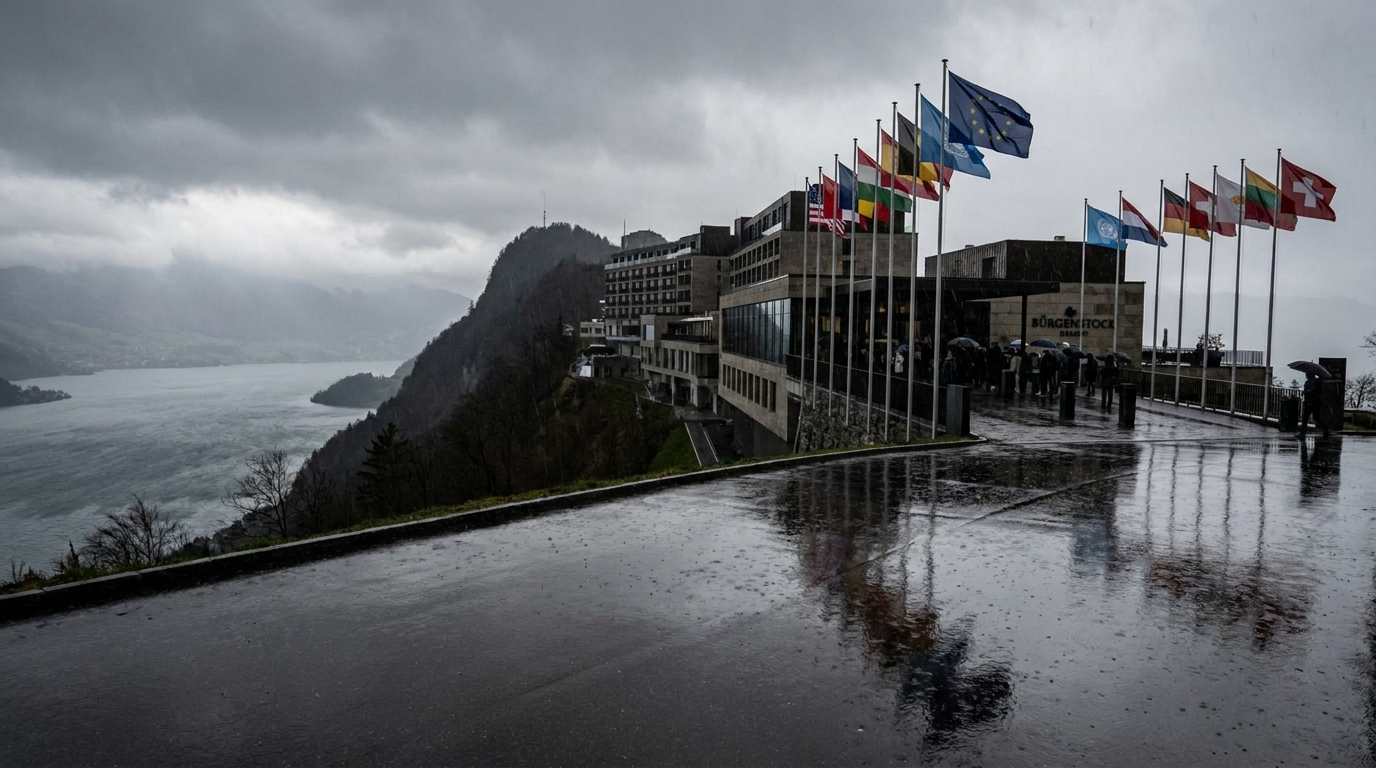
U.S. Vice President JD Vance was scheduled to travel to the Bürgenstock resort to begin technical negotiations with Iranian officials. However, the White House confirmed late Thursday that Vance would not make the trip, citing the unpredictable logistics of the peace process. The Swiss Foreign Ministry subsequently confirmed the postponement, stating that preparatory work would continue in hopes of rescheduling.[2][3]
The diplomatic collapse stems directly from a deadly flare-up on Israel's northern border. Hezbollah launched a barrage of rockets and drones that killed four Israeli soldiers, prompting Israel to retaliate with a wave of devastating airstrikes across southern Lebanon and the Bekaa Valley. Lebanese health officials reported that the Israeli strikes killed at least 47 people, making it one of the deadliest days since the broader regional conflict began.[1][3][7]

Iran, which serves as Hezbollah's primary military and financial backer, subsequently pulled out of the Swiss talks. Iranian officials stated that negotiations could not proceed without a comprehensive cessation of hostilities on all fronts, placing the responsibility squarely on Washington to halt the Israeli offensive.[1][3]
The breakdown threatens to unravel the 14-point memorandum of understanding (MoU) signed just days earlier by the U.S. and Iran. The framework was designed to establish a 60-day ceasefire, reopen the Strait of Hormuz to global shipping, and set the stage for a permanent resolution to Iran's nuclear program.[5][6]
The breakdown threatens to unravel the 14-point memorandum of understanding (MoU) signed just days earlier by the U.S.
President Donald Trump defended the fragile agreement, arguing that his administration's intense military campaign had successfully forced Tehran to the negotiating table. "We didn't meet out of desperation, Iran did," Trump posted on social media, insisting that the U.S. would wait out the 60-day window without granting any immediate financial relief to the Iranian government.[1][8]
However, the framework faces intense scrutiny domestically. Nuclear experts and Republican allies have warned that the MoU lacks specific mechanisms for handling Iran's stockpile of highly enriched uranium, which currently sits near weapons-grade levels. Unlike the 2015 Obama-era deal, the new framework leaves the disposition of the nuclear material to be decided during the now-delayed technical talks.[4][5][6]

Israel, which is not a party to the bilateral U.S.-Iran agreement, has openly distanced itself from the ceasefire. Israeli officials argue that the deal fails to address the immediate security threat posed by Hezbollah and leaves Iran's nuclear infrastructure largely intact. The Israeli military has vowed to continue its operations in Lebanon until Hezbollah's infrastructure is dismantled and the northern border is secured.[1][6]
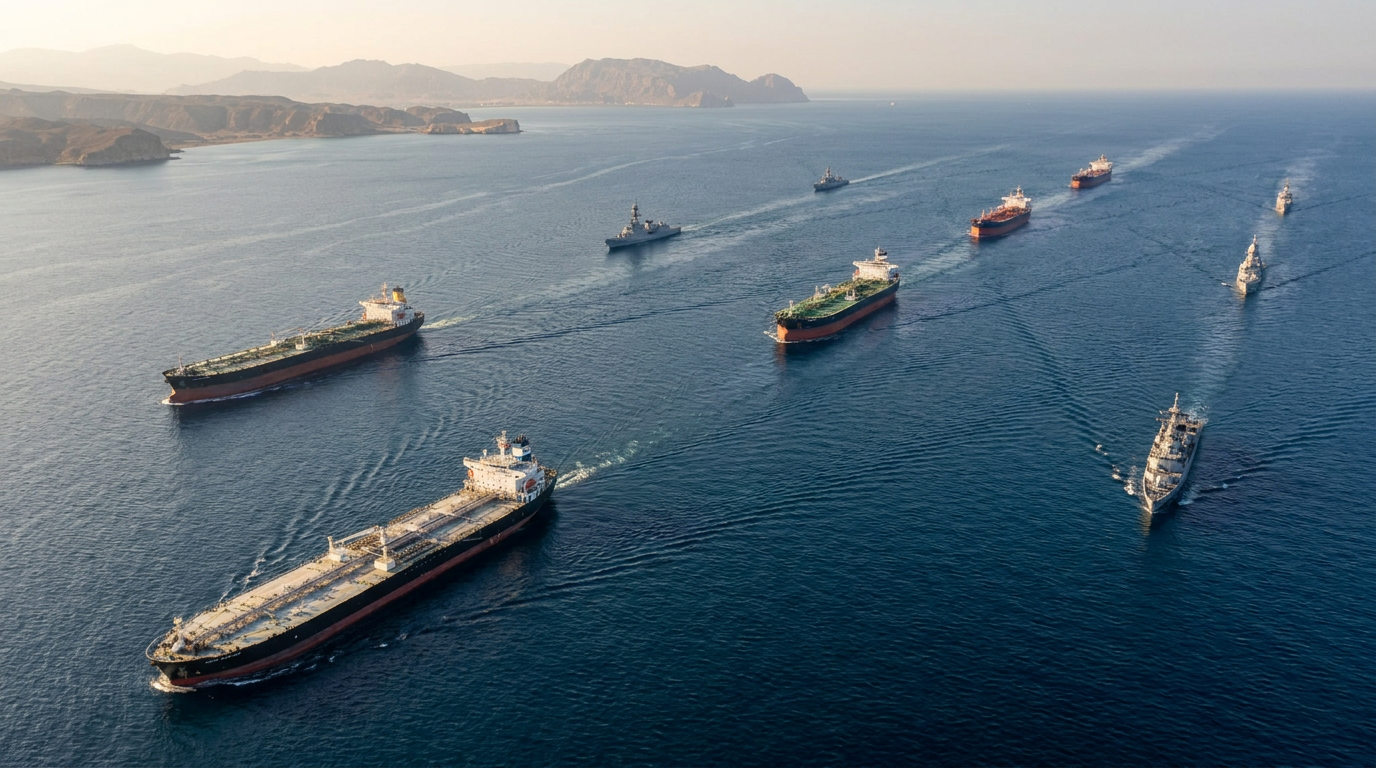
The stakes for the global economy remain extraordinarily high. The Strait of Hormuz, a critical chokepoint for nearly 20% of the world's oil supply, remains heavily mined and effectively closed to commercial shipping. While the MoU included provisions to clear the waterway and resume transit without tolls, the resumption of hostilities casts severe doubt on when normal shipping can safely resume.[6][8]

Regional mediators, including Switzerland, Oman, and Qatar, are scrambling to salvage the framework before the conflict spirals further out of control. The Swiss Foreign Ministry emphasized that they remain ready to facilitate the talks once the parties agree to return to the table. Until then, the Middle East remains on the precipice of a wider regional war, with the fate of the historic peace deal hanging in the balance.[1][2][3]
How we got here
Feb 2026
The U.S. and Israel launch a coordinated military campaign against Iran, initiating a major regional war.
April 2026
Initial indirect negotiations begin in Oman, aiming to establish a framework for a ceasefire.
June 17, 2026
The U.S. and Iran sign a 14-point memorandum of understanding, establishing a 60-day ceasefire.
June 19, 2026
Israel and Hezbollah resume heavy fighting in Lebanon, prompting Iran to pull out of the scheduled peace talks in Switzerland.
Viewpoints in depth
U.S. Administration's view
The U.S. believes its military pressure forced Iran to the table and insists the 60-day framework will hold.
President Trump and his allies argue that the recent U.S. and Israeli military strikes severely degraded Iran's capabilities, leaving Tehran with no choice but to negotiate. The administration maintains that the 14-point memorandum of understanding is a victory that will ultimately dismantle Iran's nuclear program without requiring immediate sanctions relief. They view the current flare-up in Lebanon as a temporary hurdle rather than a fatal blow to the 60-day ceasefire window.
Iranian Leadership's view
Tehran demands a total cessation of Israeli military operations before engaging in technical nuclear talks.
Iranian officials argue that the U.S. is responsible for reigning in its ally, Israel. By pulling out of the Swiss talks, Iran is signaling that it will not negotiate the disposition of its enriched uranium while Hezbollah—its primary regional proxy—remains under heavy bombardment. Tehran views the comprehensive ceasefire across all fronts, including Lebanon, as a non-negotiable prerequisite for any permanent nuclear settlement.
Israeli Government's view
Israel rejects the U.S.-Iran framework, prioritizing the immediate neutralization of Hezbollah.
Israeli leadership feels sidelined by the bilateral U.S.-Iran negotiations and strongly opposes any deal that leaves Hezbollah's military infrastructure intact on its northern border. From Israel's perspective, a ceasefire that allows Hezbollah to regroup is an unacceptable security risk. Consequently, Israel has vowed to continue its military campaign in southern Lebanon, regardless of the diplomatic timeline set by Washington and Tehran.
What we don't know
- It remains unclear when, or if, the U.S. and Iran will agree on a new date to resume the technical negotiations in Switzerland.
- The exact mechanisms for dismantling or monitoring Iran's stockpile of highly enriched uranium have not yet been defined.
- It is unknown how the continued closure of the Strait of Hormuz will impact global energy prices in the coming weeks.
Key terms
- Memorandum of Understanding (MoU)
- A formal agreement between two or more parties that outlines the terms and details of a mutual understanding, often serving as a framework for a future, more comprehensive treaty.
- Strait of Hormuz
- A narrow, strategically critical waterway between the Persian Gulf and the Gulf of Oman, through which roughly 20% of the world's oil supply passes.
- Highly Enriched Uranium
- Uranium that has been processed to increase the concentration of the U-235 isotope, which can be used to fuel nuclear reactors or, at very high purities, to build nuclear weapons.
- Hezbollah
- A heavily armed, Iran-backed political and militant group based in Lebanon that frequently engages in conflict with Israel.
Frequently asked
Why were the U.S.-Iran peace talks canceled?
The talks in Switzerland were postponed after a deadly flare-up of violence between Israel and Hezbollah in Lebanon shattered the newly agreed-upon ceasefire, prompting Iran to pull out of the negotiations.
What is in the new U.S.-Iran agreement?
The 14-point framework establishes a 60-day ceasefire, calls for the reopening of the Strait of Hormuz, and sets the stage for technical negotiations regarding Iran's nuclear program and the lifting of sanctions.
Is Israel a part of this peace deal?
No. Israel was not included in the bilateral U.S.-Iran negotiations and has openly distanced itself from the agreement, vowing to continue its military operations against Hezbollah in Lebanon.
What happens to Iran's nuclear program now?
The disposition of Iran's highly enriched uranium was supposed to be decided during the now-delayed technical talks. Until negotiations resume, the status of Iran's nuclear infrastructure remains unresolved.
Sources
Source coverage
8 outlets
4 viewpoints surfaced








[1]The GuardianIsraeli Government
Israeli strikes kill at least 16 in southern Lebanon despite reports of renewed ceasefire
Read on The Guardian →[2]ReutersIsraeli Government
US-Iran peace talks in Geneva postponed
Read on Reuters →[3]The HinduRegional Mediators
U.S.-Iran peace talks postponed, clouding prospects for lasting truce
Read on The Hindu →[4]Fox NewsU.S. Administration
Trump’s new Iran deal faces nuclear blind spot over uranium stockpile, experts warn
Read on Fox News →[5]CBS NewsU.S. Administration
What's in the Iran deal Trump says he's ready to sign
Read on CBS News →[6]Council on Foreign RelationsRegional Mediators
Trump's Iran Deal: What We Know, What's Contested, and What Remains Unresolved
Read on Council on Foreign Relations →[7]Al JazeeraIranian Leadership
MSF says conditions in Lebanon’s Nabatieh resemble a ‘death trap’
Read on Al Jazeera →[8]AxiosU.S. Administration
What's in the Iran deal Trump says he's ready to sign
Read on Axios →

More in news politics
See all 7 stories →Climate Finance
UN Climate Talks End in Gridlock Over $300 Billion Finance Goal Amid G7 Silence
8 sources
US-Iran Peace Deal
US and Iran Sign 'Islamabad Memorandum' to End 110-Day War and Reopen Strait of Hormuz
6 sources
Iran Nuclear Framework
Trump's New Iran Framework Reopens Strait of Hormuz but Defers Nuclear Limits
6 sources
Education Policy
Fact Check: The Evidence Behind Universal Free School Meals
7 sources

Every angle. Every day.
Get news politics stories with full source coverage and perspective breakdowns delivered to your inbox.