
How Formula 1's 2026 Regulations Will Radically Reshape the Sport
Formula 1 is introducing its biggest technical reset in history for 2026, featuring lighter cars, a 50/50 hybrid power split, and 100% sustainable fuels. The overhaul aims to improve racing while pioneering green technology for the broader automotive industry.
By Factlen Editorial Team
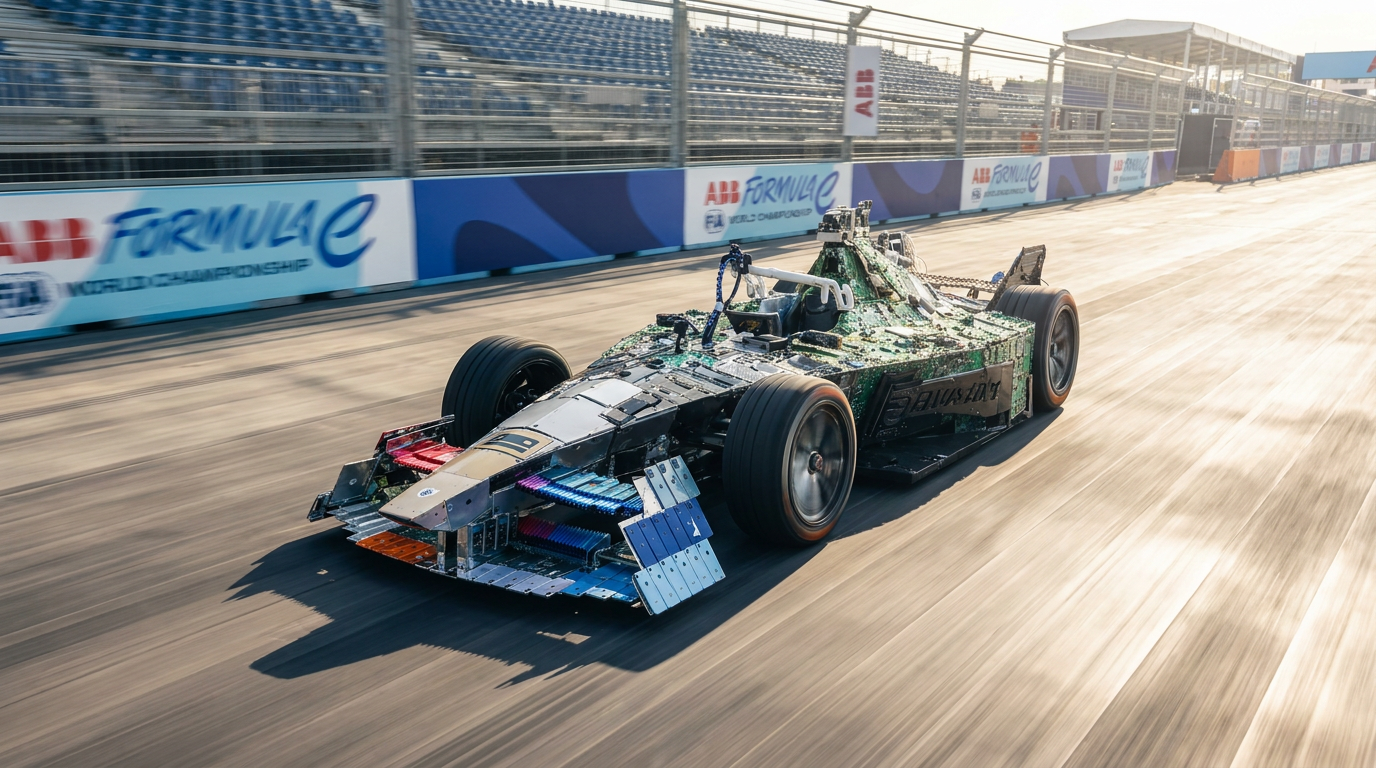
- The Rulemakers
- The FIA and F1 management prioritize road relevance, environmental sustainability, and closer racing.
- The Engineers
- Teams and technical analysts focus on the immense challenge of energy management and the risk of a single team finding a massive loophole.
- The Competitors
- Drivers and teams welcome the lighter cars but face a steep learning curve with active aero and manual energy deployment.
What's not represented
- · Consumer automotive manufacturers not currently in F1
- · Environmental watchdog groups evaluating the sustainable fuel claims
Why this matters
Formula 1's massive R&D budget is being redirected to solve real-world problems. The 100% sustainable drop-in fuels developed for these 2026 engines could eventually power millions of everyday consumer vehicles, offering a zero-net-carbon alternative to traditional gasoline.
Key points
- Formula 1's 2026 regulations introduce the 'Nimble Car Concept,' reducing car weight by 30kg and shortening the wheelbase.
- The new power units feature a 50/50 split between internal combustion and electrical power, eliminating the complex MGU-H system.
- Cars will run entirely on 100% advanced sustainable fuels derived from biomass and synthetic processes.
- Traditional DRS is replaced by active aerodynamics, allowing drivers to switch between high-downforce and low-drag modes.
- A new Manual Override Mode will give chasing drivers a 0.5MJ electrical boost to assist with overtaking.
Formula 1 is no stranger to technical revolutions, but the 2026 season marks the most profound philosophical reset in the sport's modern history. Rather than tweaking a single variable, the Fédération Internationale de l'Automobile (FIA) has simultaneously rewritten the rulebook for the chassis, the aerodynamics, and the power unit. Dubbed the "Nimble Car Concept," the new regulations are designed to solve a growing complaint among drivers and fans alike: that modern Formula 1 cars had become too heavy, too wide, and too reliant on dirty air to race closely. By shrinking the cars and fundamentally altering how they generate both power and grip, the sport is attempting to engineer a future that is simultaneously more sustainable, more road-relevant, and vastly more entertaining on a Sunday afternoon.[3][7]
The most visible change is the physical footprint of the cars themselves. Over the last decade, Formula 1 machines swelled to the size of small family SUVs, making overtaking on tight street circuits like Monaco or Singapore nearly impossible. The 2026 regulations aggressively reverse this trend. The wheelbase has been shortened by 200 millimeters, the overall width reduced by 100 millimeters, and the floor narrowed. Crucially, the FIA has mandated a minimum weight reduction of roughly 30 kilograms, bringing the cars down to 768 kilograms. While they are still heavier than the V10-powered cars of the early 2000s, this diet represents a massive engineering challenge that will make the cars noticeably more agile and responsive to driver inputs.[2][3]
Beneath the engine cover lies an even more radical transformation. Since 2014, Formula 1 has utilized 1.6-liter turbocharged hybrid engines, but the combustion engine always did the heavy lifting, providing roughly 80 percent of the total power. The 2026 regulations introduce a genuine 50/50 split. The internal combustion engine (ICE) will now produce around 400 kilowatts (roughly 536 horsepower), while the electrical hybrid system will match it almost perfectly with a massive 350-kilowatt output. This represents a nearly 300 percent increase in electrical reliance, fundamentally changing how the cars accelerate out of corners and how teams manage energy over the course of a 300-kilometer Grand Prix.[1][5]

To achieve this electrical parity, the sport had to make a difficult compromise: killing off one of its most impressive, yet problematic, inventions. The Motor Generator Unit-Heat (MGU-H), a highly complex system that recovered energy from the turbocharger's exhaust gases, has been entirely banned. While the MGU-H was a marvel of thermal efficiency, it was also exorbitantly expensive and possessed zero relevance to consumer road cars. Its removal was a direct concession to entice new automotive manufacturers into the sport. The strategy worked flawlessly, luring automotive giants like Audi and Ford to join the grid for 2026, confident they wouldn't be decades behind the incumbent teams in exhaust-recovery research.[1][2]
With the exhaust-recovery system gone, the burden of generating that massive 350-kilowatt electrical output falls entirely on the Motor Generator Unit-Kinetic (MGU-K), which harvests energy under braking. For 2026, the amount of energy a car can recover during braking doubles to 8.5 megajoules per lap. This turns energy management into the defining strategic battleground of the new era. Drivers will no longer be able to simply mash the throttle and rely on the combustion engine; they will have to expertly harvest and deploy electrical energy, working in tandem with advanced control software to ensure they don't run out of battery power halfway down a crucial straight.[1][5]
While the electrical side of the power unit is expanding, the combustion side is undergoing a green revolution of its own. Starting in 2026, Formula 1 cars will run on 100 percent advanced sustainable fuels. These are not traditional fossil fuels pulled from the ground, but rather "drop-in" fuels synthesized from biomass, municipal waste, or even carbon captured directly from the atmosphere. Because these fuels only emit the carbon that was originally absorbed to create them, they add no net-new carbon dioxide to the environment. It is a massive technological leap that allows the sport to retain the visceral roar of an internal combustion engine while meeting strict environmental targets.[3][4]

While the electrical side of the power unit is expanding, the combustion side is undergoing a green revolution of its own.
The implications of this fuel mandate extend far beyond the racetrack. Formula 1 is effectively using its billion-dollar research and development ecosystem as a laboratory for the global automotive industry. While electric vehicles dominate the headlines, there are over a billion internal combustion engine cars currently on the world's roads. If Formula 1's energy partners can perfect the mass production of these advanced sustainable fuels, it could provide a viable, zero-net-carbon lifeline for existing consumer vehicles, proving that the pinnacle of motorsport can still drive innovations that eventually end up at the local gas station.[4][7]
As if a completely new power unit wasn't enough, the 2026 regulations also rewrite the laws of aerodynamics. For over a decade, Formula 1 has relied on the Drag Reduction System (DRS)—a rear wing flap that opens on straights to give a chasing car a speed advantage. In 2026, DRS is dead. In its place comes a fully active aerodynamic system integrated into both the front and rear wings. This system is not just for overtaking; it is a fundamental part of how the car navigates the entire circuit, allowing drivers to dynamically alter the aerodynamic profile of their machine on the fly.[2][6]
The active aero system operates in two distinct configurations. Through the corners, drivers will utilize "Z-Mode," which angles the wing flaps to generate maximum downforce, sticking the lighter cars to the tarmac. But as soon as they exit the corner and hit the throttle, they will switch to "X-Mode." This flattens the wing elements, shedding massive amounts of aerodynamic drag and allowing the cars to slice through the air efficiently. This dual-mode approach is essential because the new engines, with their heavy reliance on electrical deployment, would quickly run out of energy if they had to push a high-drag car down a long straight.[1][5]
This active aerodynamic dance introduces a staggering new mental load for the drivers in the cockpit. Managing the transition between X-Mode and Z-Mode, while simultaneously monitoring brake bias, tire temperatures, and a highly complex electrical harvesting strategy, will push the intellectual demands of racecraft to new heights. Drivers will no longer be mere passengers to their engine's raw power; they will be active system managers, constantly balancing hybrid deployment and aerodynamic drag to optimize lap times. A single mistake in mode selection could leave a driver a sitting duck on a straight.[1][7]

To ensure that racing remains close and overtaking is still possible without traditional DRS, the FIA has introduced the Manual Override Mode (MOM). Functioning much like a push-to-pass system in IndyCar or the classic KERS system from the early 2010s, this feature grants a chasing driver an extra 0.5 megajoules of electrical energy when they are within one second of the car ahead. While the leading car's electrical deployment will naturally taper off as it approaches 290 kilometers per hour, the chasing car can use the override mode to deploy a full 350 kilowatts up to 337 kilometers per hour, creating a speed differential designed to facilitate clean overtakes.[1][2]
The sheer scale of these simultaneous changes—new chassis, new aero, new engines, new fuel—has teams working around the clock in their simulators. In Formula 1, massive regulatory resets always carry the risk of a "silver bullet" scenario, where one team interprets the rules better than everyone else and runs away with the championship. Mercedes achieved this with the hybrid engines in 2014, and Red Bull replicated it with ground-effect aerodynamics in 2022. Rumors are already swirling in the paddock about which manufacturer has unlocked the secrets of the 50/50 power split, setting the stage for a tense and unpredictable development race.[1][7]
Ultimately, the 2026 regulations represent a bold, necessary gamble for Formula 1. By embracing sustainable fuels and road-relevant electrical technology, the sport secures its relevance in a rapidly changing automotive landscape. By shrinking the cars and introducing active aerodynamics, it promises the kind of agile, wheel-to-wheel combat that fans crave. When the lights go out at the first race of 2026, it won't just be the start of a new season; it will be the dawn of an entirely new paradigm for the fastest cars on earth.[3][7]

How we got here
2014
Formula 1 introduces the 1.6-liter V6 turbo-hybrid era, which is initially dominated by Mercedes.
2022
The 'ground effect' aerodynamic reset is introduced to improve overtaking, leading to Red Bull's dominance.
Aug 2022
Audi announces its entry into F1 for 2026, lured by the removal of the complex MGU-H system.
Feb 2023
Ford announces a partnership with Red Bull Powertrains to help develop the 2026 engine.
Jun 2024
The FIA officially unveils the 'Nimble Car Concept' and the finalized 2026 technical regulations.
Mar 2026
The new generation of cars makes its competitive debut at the season opener.
Viewpoints in depth
The Rulemakers' Vision
The FIA and F1 management view the 2026 regulations as a necessary step to ensure the sport's long-term survival and relevance.
For the governing body, the 2026 reset is about future-proofing Formula 1. By mandating 100% sustainable fuels and a 50/50 electrical power split, the FIA has successfully aligned the sport with the broader automotive industry's environmental goals. This shift was the direct catalyst for enticing major manufacturers like Audi and Ford to join the grid. Furthermore, the 'Nimble Car Concept' directly addresses years of fan and driver complaints about oversized, heavy cars that struggle to race closely on traditional circuits.
The Engineering Challenge
Technical directors and powertrain engineers face an unprecedented puzzle in balancing electrical deployment and active aerodynamics.
Inside the factories, the 2026 rules are viewed with a mix of excitement and trepidation. The removal of the MGU-H means teams lose a highly efficient way to harvest energy, forcing them to rely entirely on kinetic recovery under braking. Engineers must write incredibly complex control software to ensure the battery doesn't drain prematurely on long straights. Additionally, the integration of active aero modes (X-Mode and Z-Mode) means the chassis and power unit departments must collaborate more closely than ever before, as aerodynamic drag directly dictates electrical consumption.
The Drivers' Perspective
Competitors welcome the lighter, more agile cars but are wary of the increased mental load required to manage the new systems.
Drivers have universally praised the decision to reduce the weight and dimensions of the cars, anticipating a return to the agile, darting driving style of earlier eras. However, the cockpit experience will become significantly more complicated. Managing the manual override push-to-pass system, monitoring battery harvest targets, and ensuring the active aerodynamics are in the correct mode for every phase of a corner will require immense mental bandwidth. Some fear that racecraft could become dictated more by software management than pure driving instinct.
What we don't know
- Which engine manufacturer currently holds the performance advantage in early dyno testing.
- Whether the active aerodynamic systems will genuinely improve overtaking or simply create artificial passing zones.
- How the new sustainable fuels will affect long-term engine reliability across a grueling 24-race calendar.
Key terms
- MGU-K
- Motor Generator Unit - Kinetic; a system that recovers energy generated under braking and converts it into electrical power.
- MGU-H
- Motor Generator Unit - Heat; a complex system that recovered energy from exhaust gases, which has been banned for 2026 to reduce costs.
- Active Aerodynamics
- Moveable front and rear wings that drivers can adjust on the fly to reduce drag on straights or increase grip in corners.
- Manual Override Mode (MOM)
- A push-to-pass electrical boost system that gives a chasing driver extra power to help them overtake.
- Drop-in Fuel
- A synthetic or biomass-derived fuel that can be used in standard internal combustion engines without requiring modifications.
Frequently asked
Will the 2026 F1 cars be slower?
Top speeds on straights may actually increase due to low-drag active aerodynamics, but overall lap times are expected to be slightly slower initially as teams adapt to the new weight and power delivery.
Why did Formula 1 get rid of DRS?
The traditional Drag Reduction System is being replaced by fully active aerodynamics, which allows cars to manage drag and downforce dynamically across the entire lap, rather than just in designated zones.
What makes the new fuel 100% sustainable?
The 2026 fuel is created entirely from non-fossil sources, utilizing biomass and synthetic carbon-capture processes, meaning it adds no net-new carbon dioxide to the atmosphere.
Sources
Source coverage
7 outlets
3 viewpoints surfaced







[1]Motorsport MagazineThe Engineers
All the key aspects changing on F1's 2026 engines
Read on Motorsport Magazine →[2]Red Bull RacingThe Competitors
Bulls' Guide To: The F1 2026 Regulations
Read on Red Bull Racing →[3]FIAThe Rulemakers
F1 2026 Regulations Explained - The Biggest Changes in F1 History
Read on FIA →[4]Sustain FuelsThe Rulemakers
Formula One's 2026 regulations revamp
Read on Sustain Fuels →[5]RecrewitThe Engineers
How F1 2026 regulations will redefine Formula 1
Read on Recrewit →[6]National Design AcademyThe Competitors
Why the 2026 F1 Regulations Are So Different
Read on National Design Academy →[7]Factlen Editorial TeamThe Engineers
Synthesis by Factlen editorial team
Read on Factlen Editorial Team →

More in sports
See all 7 stories →Women's Soccer Growth
NWSL Launches 'Summer of Soccer' Tour, Bringing Challenge Cup to Columbus During World Cup Break
6 sources

NWSL Championship
NWSL Championship Returns to Washington D.C.'s Audi Field for 2026 Title Match
6 sources

Knicks Basketball
New York Knicks Win 2026 NBA Finals, Ending 53-Year Championship Drought
8 sources

Gymnastics Longevity
How the NCAA Crossover and Sports Science Are Rewriting Gymnastics Longevity
6 sources

Every angle. Every day.
Get sports stories with full source coverage and perspective breakdowns delivered to your inbox.