
US and Iran Open High-Stakes Talks in Switzerland as Tehran Closes Strait of Hormuz
Vice President JD Vance and Iranian officials have commenced tense negotiations in Switzerland, overshadowed by Tehran's closure of a critical global shipping lane and conflicting messaging from the White House.
By Factlen Editorial Team
- Diplomatic Engagement Camp
- Focuses on the necessity of the Swiss talks to de-escalate tensions and prevent a catastrophic regional war.
- Maximum Pressure Advocates
- Argues against unfreezing Iranian assets and supports military deterrence to ensure freedom of navigation.
- Market & Shipping Analysts
- Prioritizes the immediate reopening of the Strait to stabilize global supply chains and prevent an inflation spike.
What's not represented
- · Oman and UAE maritime authorities
- · Independent shipping insurance underwriters
Why this matters
The Strait of Hormuz handles roughly a fifth of the world's daily oil consumption. A prolonged closure threatens to severely disrupt global supply chains, spike energy prices, and reignite inflation for American consumers just as the economy stabilizes.
Key points
- US and Iranian officials are holding high-level talks in Switzerland led by VP JD Vance.
- Iran has announced the closure of the Strait of Hormuz, stalling global shipping.
- President Trump threatened severe military consequences if the waterway remains blocked.
- Control over billions in frozen Iranian assets is a major sticking point in negotiations.
- Energy markets are bracing for potential price spikes if the standoff continues.
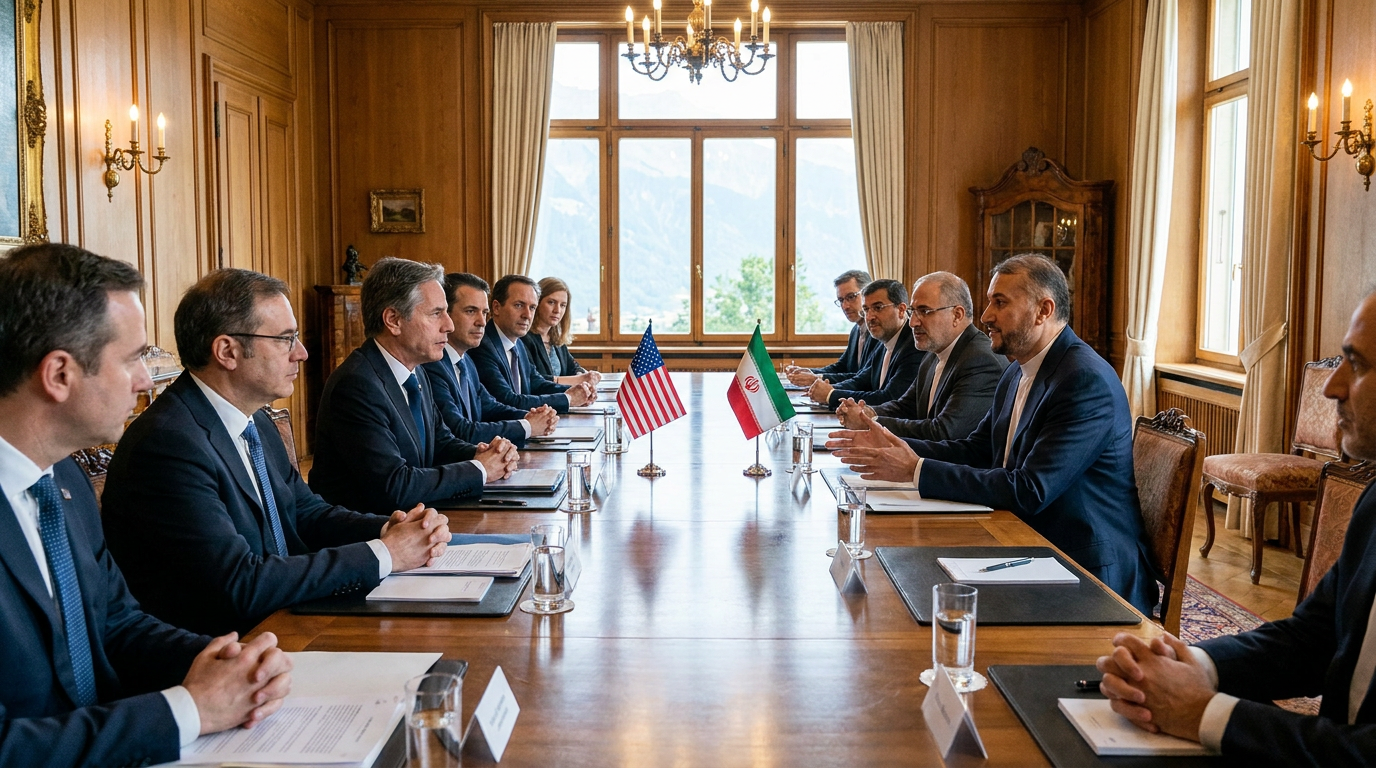
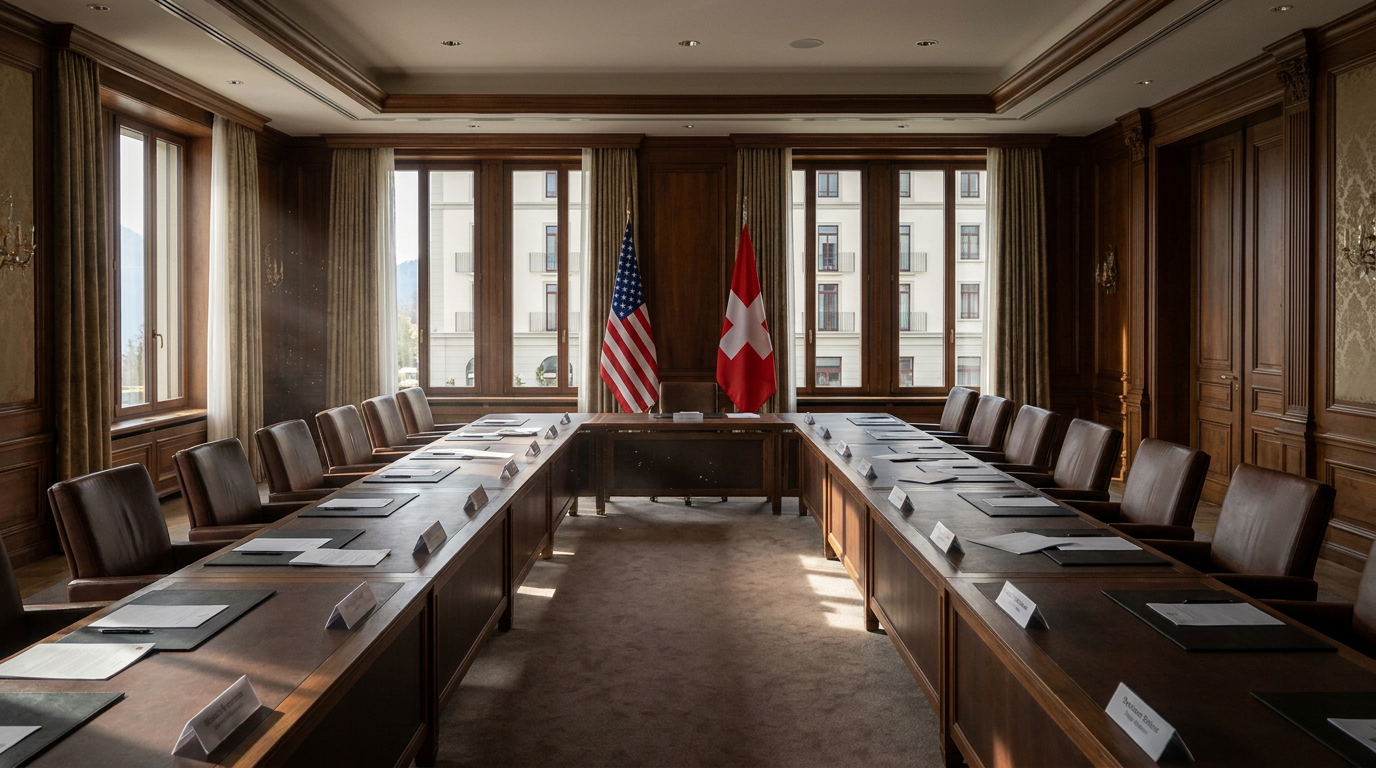
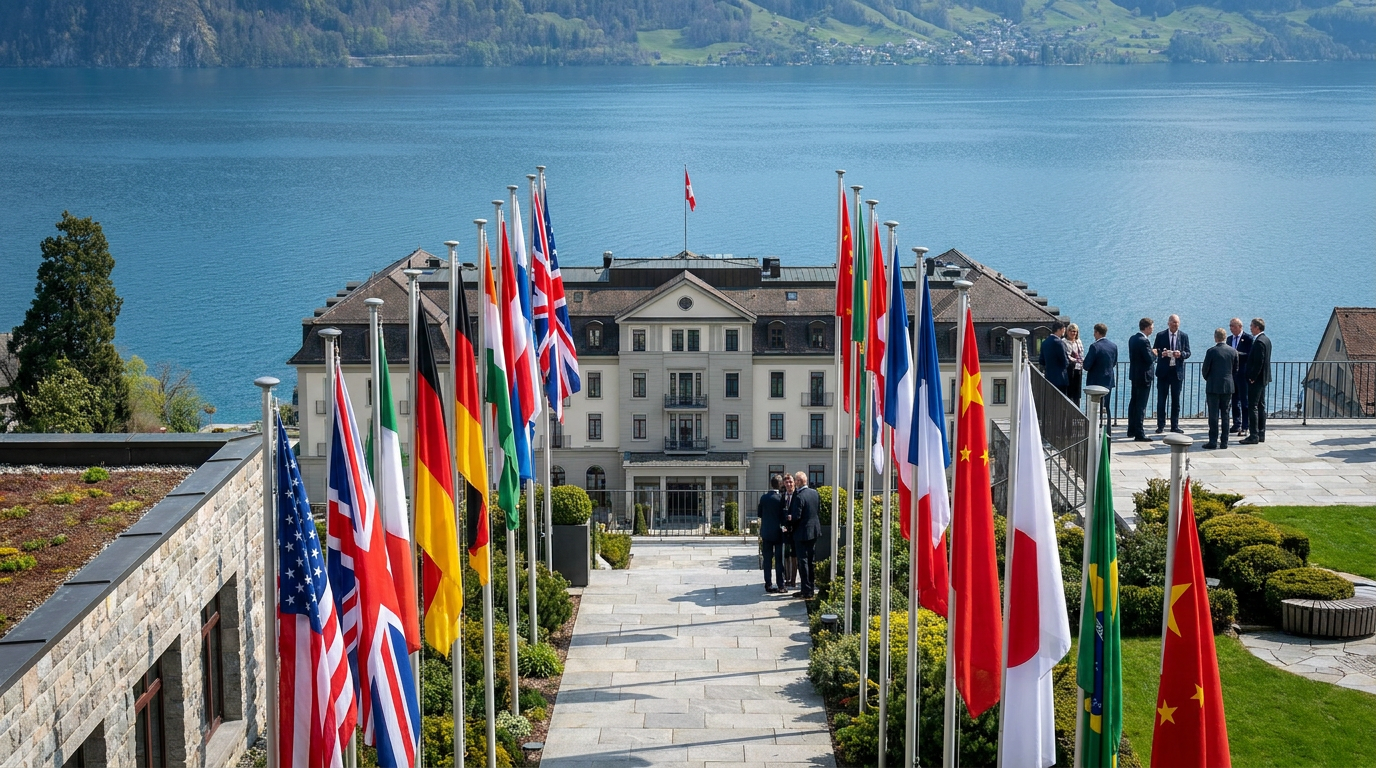
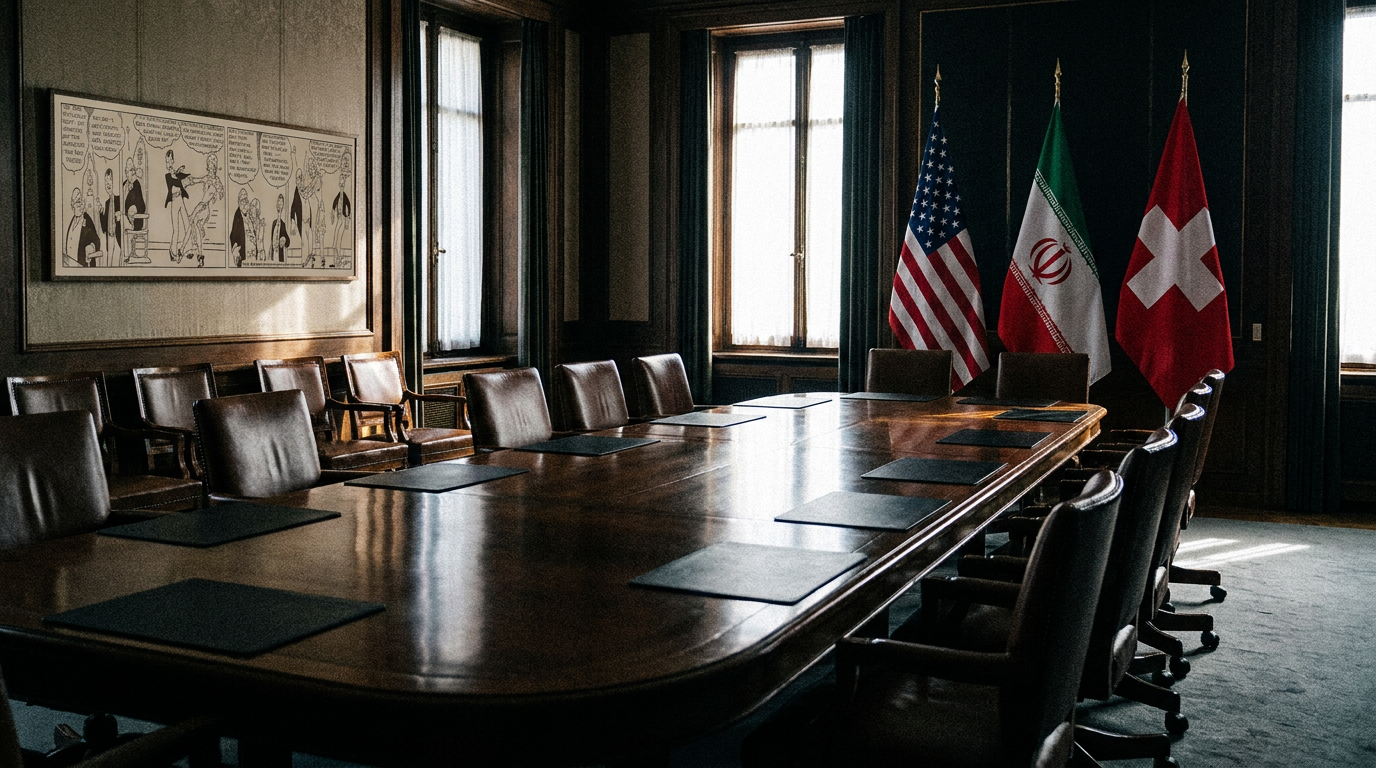
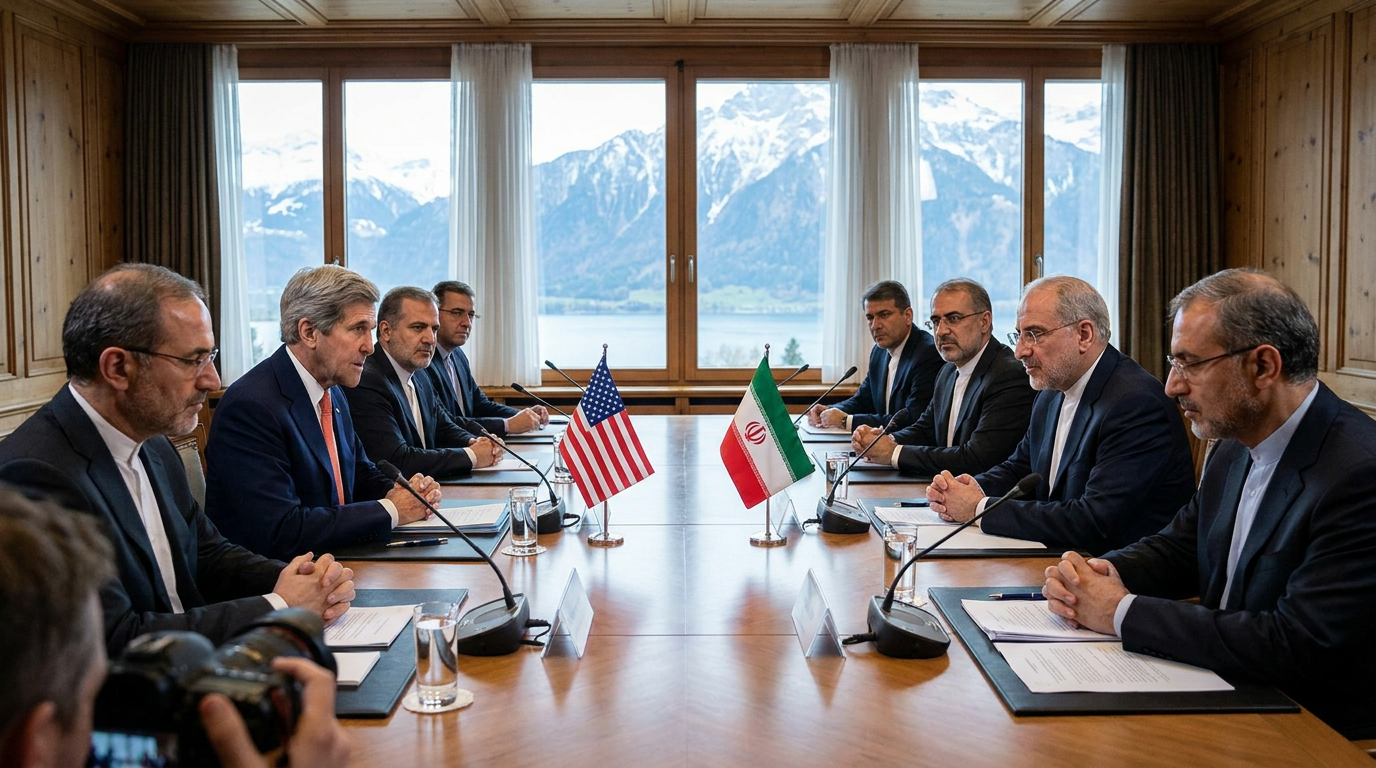
High-level delegations from the United States and Iran have opened a critical round of negotiations in Bürgenstock, Switzerland, attempting to forge a fragile peace framework amid rapidly escalating regional tensions. The US delegation, led by Vice President JD Vance, is seeking to establish a "new leaf" in diplomatic relations, marking one of the most significant direct engagements between the two nations in recent years.[1][3]
However, the diplomatic efforts are being heavily overshadowed by an immediate crisis on the water: Tehran's abrupt announcement that it has closed the Strait of Hormuz to commercial shipping. Iranian officials cited ongoing Israeli military strikes in southern Lebanon as the catalyst for the blockade, effectively using the world's most vital energy chokepoint as leverage in the broader geopolitical conflict.[1][2]
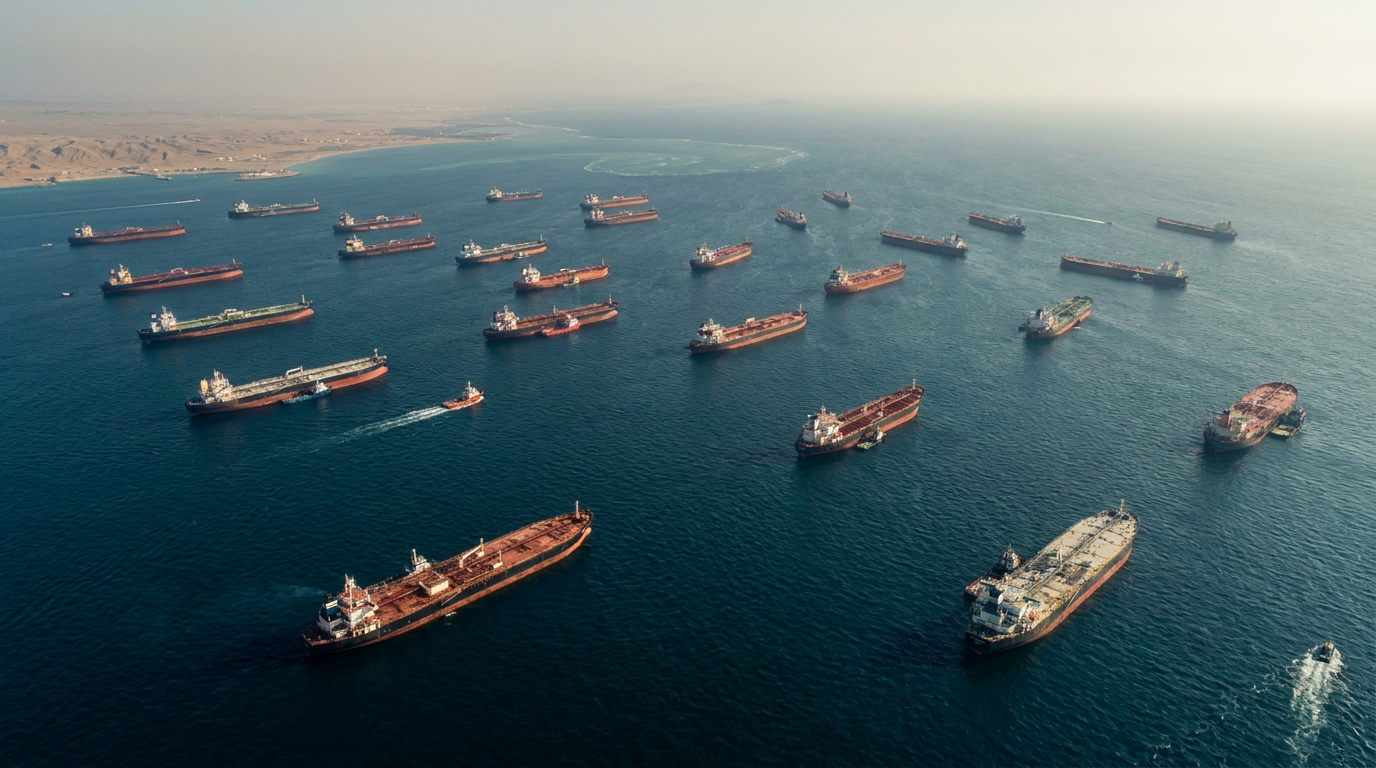
The physical reality of the closure is already reshaping global trade routes. Ship tracking data confirms a massive stall in transits through the waterway, with dozens of massive oil tankers and cargo vessels dropping anchor outside the Persian Gulf. Commercial operators are currently awaiting either naval escorts or a diplomatic breakthrough before risking the passage.[2][6]
The economic stakes of the standoff are immense. The Strait of Hormuz is a 21-mile-wide passage that handles approximately 20% of the world's daily petroleum consumption, alongside significant volumes of liquefied natural gas (LNG). Energy analysts warn that even a temporary disruption could add a severe premium to Brent crude prices, threatening to reignite inflationary pressures across Western economies.[5][6]

Complicating the negotiations is a stark contrast in messaging emanating from the US administration. While Vice President Vance pursues de-escalation at the negotiating table in Switzerland, President Donald Trump issued a severe warning from Washington. The President threatened to resume military strikes, stating that Iran "won't have a country" if the waterway remains blocked.[1]
Complicating the negotiations is a stark contrast in messaging emanating from the US administration.
Foreign policy analysts note that this dual-track approach—combining high-level diplomatic engagement with existential military threats—is a hallmark of the administration's strategy, designed to maximize leverage over adversaries. Yet, it remains unclear how Iranian negotiators are interpreting the mixed signals from the White House.[1][4]
Inside the negotiating room, the atmosphere has been described by officials as "tense but constructive." The immediate priority for the US delegation is de-escalating the naval standoff to prevent an accidental military confrontation in the Gulf, while simultaneously addressing the broader framework of a regional ceasefire.[3]
A significant structural hurdle in the talks is the fate of billions of dollars in frozen Iranian assets. Tehran is reportedly demanding access to these funds as a baseline condition for reopening the Strait and agreeing to any broader regional security arrangements.[4]

Critics of the negotiations argue that unfreezing these assets would effectively reward Tehran for holding global shipping hostage, providing capital that could be funneled to proxy groups. Conversely, proponents of the talks argue that releasing the funds is the only viable diplomatic off-ramp to avoid a devastating regional war and a global energy crisis.[4]
As the talks continue, global markets are bracing for impact. Shipping insurance premiums for vessels operating near the Middle East have already spiked, and energy traders are closely monitoring the diplomatic back-and-forth. The coming 48 hours are viewed as critical for determining whether the standoff will end in a negotiated settlement or a severe economic shock.[2][5]

Negotiators are now tasked with finding a delicate formula that allows Iran to reopen the waterway while claiming a diplomatic victory, without the United States appearing to capitulate to economic blackmail. With naval forces on high alert and the global economy hanging in the balance, the margin for error in Switzerland is exceptionally narrow.[3][4]
How we got here
Late June 2026
Israeli military strikes intensify in southern Lebanon, prompting threats of retaliation from Tehran.
June 21, 2026
Iran announces the closure of the Strait of Hormuz to commercial shipping.
June 22, 2026
US and Iranian delegations open high-level diplomatic talks in Bürgenstock, Switzerland.
Viewpoints in depth
US Administration Strategy
A dual-track approach combining diplomatic engagement with severe military threats.
The White House is employing a classic 'good cop, bad cop' dynamic. While Vice President Vance seeks a negotiated settlement and a 'new leaf' at the table in Switzerland, President Trump is maintaining maximum pressure from Washington. Proponents of this strategy argue it forces adversaries to negotiate seriously, while critics warn that mixed messaging could lead to dangerous miscalculations in a highly volatile environment.
Tehran's Leverage
Using the Strait of Hormuz to force concessions on frozen assets and regional conflicts.
For Iran, the Strait of Hormuz is its most potent asymmetric weapon. By halting global shipping, Tehran instantly internationalizes its grievances regarding Israeli operations in Lebanon and its own frozen financial assets. Iranian hardliners view the economic pain inflicted on Western markets as necessary leverage to force the unfreezing of billions of dollars, betting that the US will prioritize economic stability over maintaining sanctions.
Global Energy Importers
Deep concern over supply shocks and inflation, urging rapid de-escalation.
Nations heavily reliant on Middle Eastern oil and gas are watching the standoff with alarm. For these economies, the geopolitical nuances of the US-Iran relationship are secondary to the immediate threat of an energy crisis. Industry analysts and importing nations are quietly pressuring both sides to find a face-saving exit ramp, warning that a prolonged closure of the Strait would trigger a global recession.
What we don't know
- Whether Iran will permit limited commercial transits while negotiations are ongoing.
- The exact dollar amount and location of the frozen assets currently under discussion.
- How closely coordinated the US diplomatic and military messaging strategies actually are.
Key terms
- Strait of Hormuz
- A narrow waterway between the Persian Gulf and the Gulf of Oman, serving as the only sea passage from the Persian Gulf to the open ocean and a critical chokepoint for global oil transport.
- Frozen Assets
- Financial reserves belonging to a country or entity that are held in foreign banks and cannot be accessed due to international economic sanctions.
- Brent Crude
- A major trading classification of sweet light crude oil that serves as a benchmark price for purchases of oil worldwide.
Frequently asked
Why did Iran close the Strait of Hormuz?
Tehran stated the closure was in retaliation for ongoing Israeli military strikes in southern Lebanon, using the waterway as geopolitical leverage.
Who is leading the US delegation in Switzerland?
Vice President JD Vance is leading the US diplomatic efforts in Bürgenstock.
What is the dispute over frozen funds?
Billions of dollars in Iranian assets remain frozen under international sanctions. Tehran is demanding access to these funds as a condition for broader agreements.
Sources
Source coverage
6 outlets
3 viewpoints surfaced





[1]The GuardianDiplomatic Engagement Camp
Trump news at a glance: President threatens to restart attacks on Iran even as Vance cites progress in talks
Read on The Guardian →[2]Al JazeeraDiplomatic Engagement Camp
Shipping stalls in Strait of Hormuz after Iran declares key waterway shut
Read on Al Jazeera →US and Iran meet for ‘tense’ but ‘constructive’ ceasefire talks
Read on Al Jazeera →[4]Fox NewsMaximum Pressure Advocates
Major dispute to threaten Trump's Iran deal over billions in frozen Tehran funds: expert
Read on Fox News →[5]BloombergMarket & Shipping Analysts
Oil Markets Brace as Hormuz Transits Plunge Amid Diplomatic Standoff
Read on Bloomberg →[6]ReutersMarket & Shipping Analysts
Global shipping reroutes as Gulf tensions halt commercial transits
Read on Reuters →
More in news politics
See all 10 stories →US-Iran Relations
U.S. and Iran Open Ceasefire Talks in Switzerland as Strait of Hormuz Closure Halts Shipping
7 sources
Strait of Hormuz
US and Iran Reach Preliminary Agreements in Switzerland Despite Threats and Strait Closure
7 sources
Middle East Diplomacy
U.S. and Iran Hold Ceasefire Talks in Switzerland as Tehran Closes Strait of Hormuz
8 sources
Strait of Hormuz
US, Iran Open Tense Peace Talks in Switzerland Amid Strait of Hormuz Closure Threats
8 sources
Every angle. Every day.
Get news politics stories with full source coverage and perspective breakdowns delivered to your inbox.