
Fecal Transplants from Young Mice Restore Youthful Brain Plasticity in Older Adults
A new study reveals that transferring the gut microbiome of juvenile mice into older adults can reopen 'critical periods' of neuroplasticity. The findings suggest that the key to reversing age-related cognitive decline may lie in the digestive tract rather than the brain itself.
By Factlen Editorial Team
- Microbiome Researchers
- Focus on the gut as the primary driver of systemic aging and brain health.
- Neuroscientists
- Focus on the brain's intrinsic plasticity and the potential to reopen 'critical periods'.
- Translational Medicine Advocates
- Focus on developing safe, targeted therapies rather than whole-ecosystem transplants.
What's not represented
- · Regulatory agencies evaluating the safety of microbiome-based therapies
- · Patients with neurodevelopmental disorders seeking experimental treatments
Why this matters
If these mechanisms can be safely translated to humans, it could revolutionize how we treat neurodegenerative diseases, stroke recovery, and age-related cognitive decline. It shifts the focus of brain health from treating the brain in isolation to managing the body's entire microbial ecosystem.
Key points
- Fecal microbiota transplants from young mice successfully restored youthful neuroplasticity in older adult mice.
- The procedure allowed older mice to overcome a visual condition that typically only heals during childhood.
- Juvenile gut microbes produce specific metabolites that cross the blood-brain barrier to influence neural wiring.
- As mammals age, microbiome diversity plummets, contributing to systemic inflammation and cognitive rigidity.
- Researchers are exploring prebiotics and postbiotics as safer, targeted alternatives to live fecal transplants for humans.
The mammalian brain is notoriously stubborn. While a child's brain is highly plastic—capable of rapidly rewiring itself to learn new languages, adapt to novel environments, or recover from traumatic injury—this remarkable adaptability sharply declines with age. As we grow older, neural circuits stabilize and lock into place, prioritizing efficiency over flexibility. For decades, neuroscientists have searched for a biological key to reopen these "critical periods" of plasticity in adults, hoping to find a way to make the aging brain as malleable and resilient as it was in youth.[6]
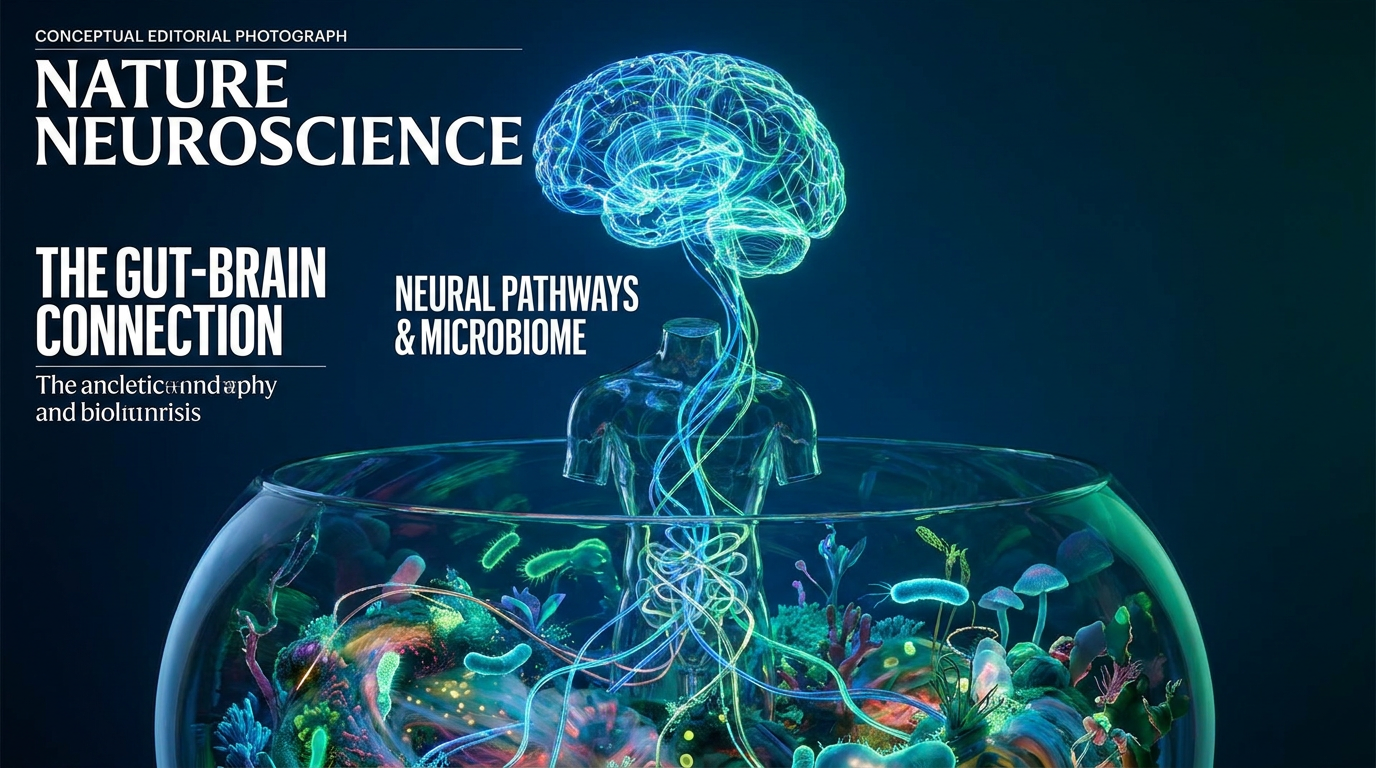
Now, a startling new line of evidence suggests that the secret to youthful brain function might not reside within the skull at all, but rather in the gut. Recent experimental breakthroughs demonstrate that transferring the gut microbiome of young mice into older adults can effectively rewind the biological clock on the brain's neuroplasticity. This discovery challenges the long-held assumption that cognitive aging is an isolated, irreversible decay of neural tissue, pointing instead to a systemic ecosystem that can be manipulated and refreshed.[1][3]
The breakthrough centers on a procedure known as a fecal microbiota transplant (FMT). In a highly controlled laboratory setting, researchers harvested the complex community of gut bacteria from juvenile mice and transplanted it into the gastrointestinal tracts of older, non-plastic adult mice. The goal was to see if the youthful microbes could colonize the older gut and send different signals to the brain. Astoundingly, the researchers found that the older mice who received the juvenile microbes regained the ability to overcome specific neurological conditions that typically only respond to treatment during early childhood development.[1][3]
To test the limits of this newfound plasticity, the researchers looked at a condition analogous to amblyopia, commonly known as "lazy eye." In humans and mice alike, visual development relies on a strict critical period. If the brain does not receive clear, balanced visual input from both eyes during this specific developmental window, it permanently wires itself to favor the stronger eye. Attempting to correct the vision later in life usually fails, because the brain's critical period for visual plasticity has firmly closed, rendering the neural circuits resistant to change.[3]

However, the introduction of the "young" microbiome completely altered this established biological trajectory. Adult mice that received the juvenile fecal transplant exhibited a profound and unexpected shift in their visual cortex. The youthful gut bacteria successfully reinstated experience-dependent plasticity, allowing the adult brains to rewire their neural connections and correct the visual deficit long after the critical period had supposedly ended. This proved that the juvenile intestinal microbes are not only necessary for early-life brain development, but are actually sufficient to promote cortical plasticity in adulthood.[3]
How exactly does a colony of bacteria residing in the colon change the physical wiring of the visual cortex? The answer lies in the gut-brain axis, a complex, bidirectional communication network that links the enteric nervous system of the gut with the central nervous system. The juvenile microbiome is incredibly diverse and rich in specific bacterial taxa that act as microscopic chemical factories. These microbes break down dietary fibers and produce a unique profile of metabolic byproducts, most notably short-chain fatty acids (SCFAs) like butyrate and acetate.[5][6]
These microbial metabolites do not stay confined to the digestive tract. They enter the host's bloodstream and have the remarkable ability to cross the blood-brain barrier—the strict filtration system that protects the brain from circulating toxins. Once inside the brain environment, these molecules act as powerful epigenetic signaling agents. They directly influence gene expression, modulate the maturation of myelin (the protective insulation wrapped around nerve fibers), and regulate the behavior of microglia, which are the brain's primary resident immune cells responsible for pruning synapses.[5]
These microbial metabolites do not stay confined to the digestive tract.
This mechanism highlights a broader, often overlooked biological reality: our microbiomes age just as our bodies do. As mammals progress from youth into old age, the rich diversity of their gut flora plummets. Beneficial, metabolite-producing bacteria are frequently outcompeted and replaced by pro-inflammatory bacterial strains. This age-related microbial shift leads to a state of chronic, low-grade systemic inflammation, a phenomenon that researchers have dubbed "inflammaging." This shifting internal ecosystem fundamentally alters the chemical messages being sent from the gut to the brain.[5][7]
This age-related dysbiosis doesn't merely cause digestive discomfort; it actively degrades cognitive function and neural flexibility. The loss of youthful microbial signals and the rise of inflammaging contribute directly to the stiffening of neural networks. Without the steady supply of neuroprotective metabolites, it becomes significantly harder for the aging brain to learn new skills, form complex new memories, or recover from physical trauma. The brain, in essence, becomes rigid because it is starved of the chemical cues that once kept it adaptable.[5]

While the data emerging from these mouse models is undeniably compelling, translating these findings into safe and effective human therapies presents massive scientific and regulatory challenges. The human microbiome is vastly more complex than that of a laboratory mouse living in a highly controlled, sterile environment. A human's gut flora is uniquely shaped by decades of individualized diet, diverse environmental exposures, genetic predispositions, and cumulative antibiotic use. This immense variability makes it incredibly difficult to define a universal "youthful" microbiome that would work safely and effectively across a diverse human population.[7]
Furthermore, while fecal microbiota transplants are currently utilized in human medicine to treat severe, life-threatening C. difficile infections, the procedure is far from a casual anti-aging treatment. Transferring live biological material from one human to another carries inherent and significant medical risks. These include the potential transmission of undetected viral or bacterial pathogens that could cause new infections. Additionally, there is the risk of unintended transfer of complex metabolic predispositions—such as obesity, insulin resistance, or autoimmune triggers—from the donor to the recipient, fundamentally altering the recipient's baseline health.[4][7]
Because of these profound risks associated with live transplants, translational medicine researchers are actively looking for safer, more controlled ways to mimic the neuroplastic effects of a youthful microbiome. Instead of relying on unpredictable whole-ecosystem transplants, the scientific focus is rapidly shifting toward highly targeted, pharmaceutical-grade interventions. Researchers are exploring the precise application of prebiotics, probiotics, and postbiotics to artificially engineer the aging gut environment. The goal is to stimulate the production of the specific neuroprotective molecules identified in the juvenile mice, without the need for a human donor.[2][7]
To understand this targeted approach, it helps to define the tools. Prebiotics are specific dietary fibers that act as fertilizer, feeding the beneficial bacteria already present in the gut. Probiotics are supplements containing specific strains of live, beneficial bacteria designed to colonize the digestive tract. However, the most promising frontier may be postbiotics—the actual beneficial metabolites, like short-chain fatty acids, produced by the microbes. By delivering postbiotics directly as a therapy, scientists hope to bypass the unpredictable nature of live bacteria entirely, providing the brain with the exact chemical signals it needs to regain plasticity.[2]

If these targeted, microbiome-inspired therapies can successfully and safely replicate the effects seen in the mouse FMT studies, the implications for human health and longevity are staggering. It could open the door to entirely novel, non-invasive treatments for a wide range of neurological challenges that currently have limited therapeutic options. This includes enhancing motor and cognitive recovery after a stroke, accelerating healing from traumatic brain injuries, and potentially slowing or even reversing the devastating cognitive decline associated with neurodegenerative diseases like Alzheimer's and Parkinson's.[1][6]
Ultimately, the realization that our cognitive flexibility is intimately tethered to our intestinal flora represents a profound paradigm shift in modern biology. It suggests that the aging of the brain is not an irreversible, isolated decay of neural tissue, but rather a systemic process driven by the body's broader microbial ecology. By learning to tend to the microscopic ecosystem within our digestive tracts, we may eventually discover the most effective way to keep our minds resilient, adaptable, and youthful well into old age.[7]
How we got here
Early 2000s
The concept of the gut-brain axis gains traction as researchers link gut bacteria to mood and behavior in animal models.
2013
Fecal microbiota transplants (FMT) gain mainstream medical acceptance for treating severe, recurrent C. difficile infections.
2021
Landmark studies demonstrate that transplanting microbiomes from young mice can reverse age-related cognitive decline in older mice.
June 2026
New research reveals that juvenile FMTs can specifically reopen 'critical periods' of neuroplasticity, allowing adult brains to heal from childhood-specific conditions.
Viewpoints in depth
Microbiome Researchers
Focus on the gut as the primary driver of systemic aging and brain health.
This camp argues that the brain does not age in isolation. They view the gut microbiome as a master regulator of systemic health, producing a constant stream of metabolites that dictate the biological age of other organs. From this perspective, age-related cognitive decline is largely a downstream symptom of intestinal dysbiosis, making the gut the most logical target for anti-aging interventions.
Neuroscientists
Focus on the brain's intrinsic plasticity and the potential to reopen 'critical periods'.
While acknowledging the gut's influence, neuroscientists emphasize the structural changes within the brain itself. They are primarily interested in how microbial signals interact with myelin, microglia, and perineuronal nets to lock or unlock neural circuits. For this camp, the gut is simply a new tool to achieve the ultimate goal: manipulating the brain's intrinsic molecular brakes to treat neurological disorders and brain injuries.
Translational Medicine Advocates
Focus on developing safe, targeted therapies rather than whole-ecosystem transplants.
This group is highly cautious about the clinical application of FMT for anti-aging. They point out the immense complexity and variability of the human microbiome, warning that live transplants carry risks of pathogen transfer and unpredictable metabolic side effects. Instead, they advocate for identifying the specific molecules (postbiotics) responsible for the rejuvenation, aiming to develop standardized, pharmaceutical-grade drugs that mimic the benefits without the risks.
What we don't know
- Whether the specific bacterial strains responsible for neuroplasticity in mice have direct equivalents in the human microbiome.
- How long the rejuvenating effects of a youthful microbiome transplant last before the gut reverts to an aged state.
- The long-term safety and potential unintended metabolic consequences of artificially altering the gut-brain axis in humans.
Key terms
- Neuroplasticity
- The brain's ability to reorganize itself by forming new neural connections in response to learning, experience, or injury.
- Gut-Brain Axis
- The two-way biochemical communication network connecting the gastrointestinal tract and the central nervous system.
- Ocular Dominance Plasticity
- A specific type of neuroplasticity in the visual cortex where the brain adjusts its wiring based on visual input from the eyes, typically only active during childhood.
- Short-Chain Fatty Acids (SCFAs)
- Metabolites produced by beneficial gut bacteria that can cross the blood-brain barrier and influence brain health.
- Inflammaging
- Chronic, low-grade inflammation that develops with advanced age, often exacerbated by a loss of gut microbiome diversity.
Frequently asked
What is a fecal microbiota transplant (FMT)?
FMT is a medical procedure where gut bacteria from a healthy donor are transferred into a recipient's gastrointestinal tract to restore a healthy microbiome.
Can I use probiotics to make my brain younger?
While probiotics can support general gut health, current over-the-counter supplements have not been proven to restore youthful neuroplasticity in humans. Research into targeted strains is ongoing.
Why does the brain lose plasticity as we age?
The brain naturally stabilizes its neural circuits to maintain learned information and efficiency, a process influenced by changes in gene expression, myelin maturation, and declining microbial signals from the gut.
Are these mouse studies applicable to humans?
Not directly. Mice have different microbiomes and biological clocks than humans. While the underlying gut-brain mechanisms are similar, human therapies require extensive clinical trials to ensure safety and efficacy.
Sources
Source coverage
7 outlets
3 viewpoints surfaced





[1]New ScientistNeuroscientists
Faecal transplant makes the brains of old mice act young again
Read on New Scientist →Can prebiotics, probiotics or postbiotics help your ageing microbiome?
Read on New Scientist →[3]bioRxivMicrobiome Researchers
Transplanting the critical period gut microbiota restores functional plasticity in adult mice
Read on bioRxiv →[4]National Institutes of HealthTranslational Medicine Advocates
The Gut Microbiome and Early-Life Development
Read on National Institutes of Health →[5]MDPI Aging ResearchMicrobiome Researchers
Gut–Brain Axis and Neuroinflammation in Aging
Read on MDPI Aging Research →[6]NatureNeuroscientists
The microbiome-gut-brain axis in health and disease
Read on Nature →[7]Factlen Editorial TeamTranslational Medicine Advocates
Synthesis by Factlen editorial team
Read on Factlen Editorial Team →

Every angle. Every day.
Get science stories with full source coverage and perspective breakdowns delivered to your inbox.