
US Senate Committee Unanimously Advances Landmark NO FAKES Act to Protect Artists from AI Voice Clones
The Senate Judiciary Committee has unanimously approved a bill establishing a federal right to voice and likeness, marking a major victory for the music industry's fight against unauthorized AI deepfakes.
By Jana Rami
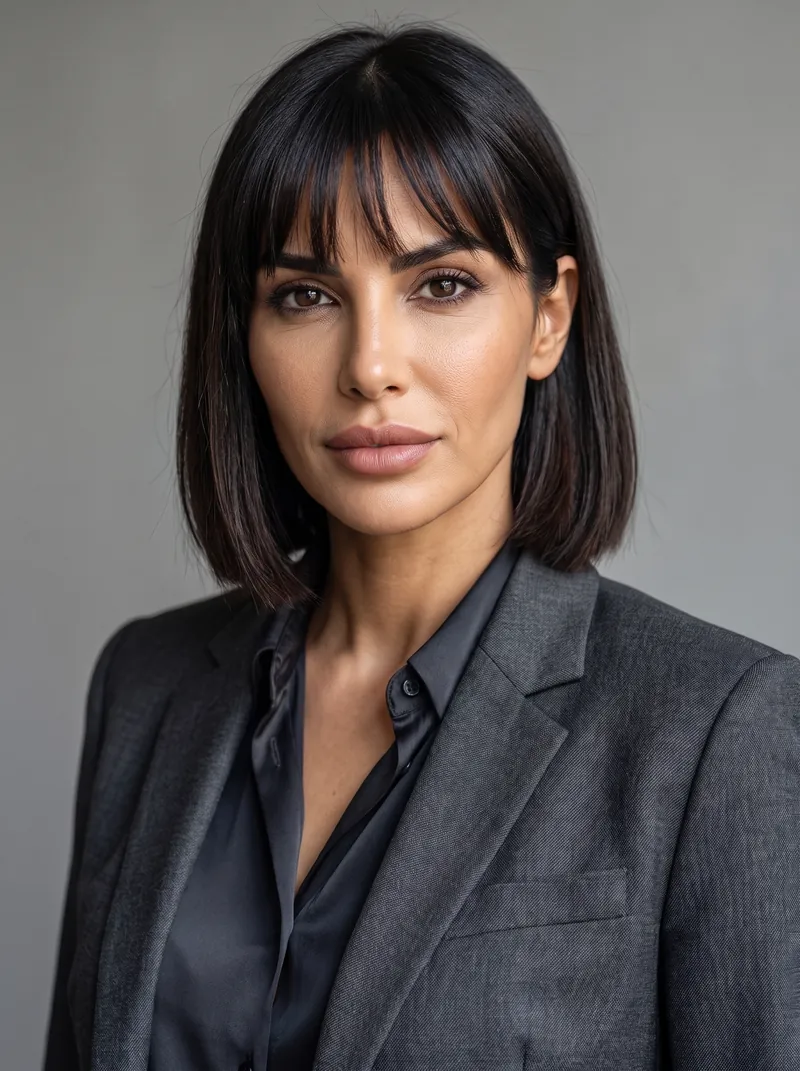
The US Senate Judiciary Committee has unanimously advanced the NO FAKES Act, a landmark piece of legislation designed to establish a federal property right over an individual's voice and visual likeness. The unanimous vote on June 18, 2026, marks a watershed moment for the global music industry, which has spent the past two years battling a surge of unauthorized artificial intelligence voice clones and deepfakes.[1]
Sponsored by a bipartisan coalition led by Senators Chris Coons and Marsha Blackburn, the "Nurture Originals, Foster Art, and Keep Entertainment Safe Act" aims to give every American—not just celebrities—the legal authority to control how their digital replicas are used. The bill now heads to the full Senate floor for a final vote, carrying the overwhelming endorsement of the creative community.[2][4]
The legislation introduces a tiered penalty system with significant financial teeth. Individuals caught creating or distributing unauthorized replicas face fines of $5,000 per work, while companies face $25,000 penalties. Crucially, online platforms and streaming services that fail to comply with takedown notices could be hit with damages up to $750,000 per violation.
Recording Industry Association of America (RIAA) Chairman and CEO Mitch Glazier celebrated the committee's vote, noting that 92% of consumers are currently worried about the impact of AI deepfakes on authenticity. Glazier praised the "extraordinary cross-sector coalition" that rallied behind the bill, which includes labor unions, child safety groups, and major tech developers.[2]
Recording Academy CEO Harvey Mason Jr. echoed this optimism, calling the unanimous approval an essential step in ensuring that human artists are protected from the unchecked spread of harmful digital replicas. The legislation has also garnered support from the three major music groups—Universal, Sony, and Warner—alongside tech giants like Spotify, Google, and OpenAI.[3]
The legislative victory arrives during a period of historic prosperity and transformation for the music business. According to the International Federation of the Phonographic Industry (IFPI) Global Music Report released earlier in 2026, global recorded music revenues grew by 6.4% in 2025 to reach a record $31.7 billion.[7]
This marks the industry's eleventh consecutive year of growth, driven heavily by paid streaming subscriptions, which now account for over half of all global revenues. Physical formats have also seen a massive resurgence, with vinyl records celebrating their nineteenth consecutive year of growth, up 13.7%.[7]
Against this backdrop of financial health, the industry is not rejecting artificial intelligence entirely. IFPI CEO Victoria Oakley recently highlighted that record companies are actively engaging in ethical AI licensing models, aiming to build an ecosystem where human artistry and machine innovation thrive together. The NO FAKES Act is viewed as the necessary guardrail to separate ethical collaboration from outright theft.[7]
Under the proposed law, the right to one's voice and likeness is licensable but cannot be permanently assigned away during an individual's lifetime. Upon death, the right becomes transferable and lasts for up to 70 years, ensuring that the estates of legacy artists can protect their catalogs from posthumous AI exploitation.[4]
To address concerns from digital platforms, the bill establishes a clear notice-and-takedown framework, shielding user-generated content platforms from liability if they promptly remove unauthorized deepfakes. It also expressly protects First Amendment uses, carving out exemptions for news reporting, documentaries, and parody.[2][4]
Despite the broad industry consensus, the bill faces vocal opposition from digital rights organizations and consumer advocates. Groups like Public Knowledge argue that while the legislation has improved, it still heavily favors the entertainment industry at the expense of everyday internet users.[5][6]
Meredith Rose, Senior Policy Counsel at Public Knowledge, warned that the bill lacks meaningful guidelines for "click-wrap" contracts. Advocates fear that ordinary users downloading an app could unwittingly sign away their likeness rights for up to a decade through opaque terms of service, leaving those without legal representation vulnerable to exploitation.[6]
The Electronic Frontier Foundation (EFF) and the trade association NetChoice have also criticized the measure, arguing that the steep financial penalties create a dangerous incentive for platforms to aggressively over-remove lawful content. They warn that the counter-notification system is unworkable for independent creators facing false takedowns.[1][5]
Proponents of the bill counter that the latest revisions specifically introduced a robust counter-notification procedure to challenge erroneous takedowns and support free speech. The legislation also includes explicit exclusions for libraries and research institutions to protect educational uses.[2][4]
As the NO FAKES Act moves toward a full Senate vote, its progress signals a maturing relationship between the creative economy and emerging technology. By establishing a unified national standard rather than a patchwork of state laws, the legislation aims to secure a future where innovation flourishes without compromising the fundamental rights of human creators.[2][3]
Key points
- The US Senate Judiciary Committee unanimously advanced the NO FAKES Act, establishing a federal right to voice and likeness.
- The bill imposes tiered fines, including up to $750,000 per violation for online platforms that fail to remove unauthorized deepfakes.
- The legislation is strongly backed by the music industry, which recently reported a record $31.7 billion in global revenue for 2025.
- Digital rights groups warn the bill could allow app developers to exploit everyday users through opaque 'click-wrap' contracts.
What we don’t know
- When the full Senate will schedule the final floor vote for the legislation.
- How courts will interpret the boundary between a protected 'parody' and an infringing digital replica under the new law.
- Whether the House of Representatives will advance its companion bill on a similar timeline.
How we got here
July 2024
The first version of the NO FAKES Act is introduced but runs out of time before the congressional session ends.
April 2025
A reintroduced version of the bill fails to advance out of the committee stage.
May 20, 2026
A revised, bipartisan version of the NO FAKES Act is introduced in both the House and the Senate.
June 18, 2026
The Senate Judiciary Committee unanimously advances the bill, sending it to the full Senate for a vote.
- Music Industry & Creators
- Federal protection is essential to safeguard human artistry from AI exploitation.
- Digital Rights Advocates
- The bill's broad language could enable predatory contracts and chill free speech.
- Legal & Platform Analysts
- A unified national standard is preferable to a patchwork of state laws, provided safe harbors exist.
Perspectives this story doesn't cover
- Independent app developers who rely on generative AI tools
- Estate managers for deceased legacy artists
Sources
Source coverage
7 outlets
3 viewpoints surfaced





- [1]Complete Music UpdateDigital Rights Advocates
Music industry happy as NO FAKES Act progresses further in US Congress
Read on Complete Music Update → - [2]Recording Industry Association of AmericaMusic Industry & Creators
Unanimous Senate Action Advances NO FAKES Act as Broad Consensus Pushes Landmark Voice & Likeness Bill Toward Passage
Read on Recording Industry Association of America → - [3]Hits Daily DoubleMusic Industry & Creators
Senate Judiciary Committee Unanimously Declares NO FAKES
Read on Hits Daily Double → - [4]IPWatchdogLegal & Platform Analysts
Senate Judiciary Moves NO FAKES Act One Step Closer to Passage
Read on IPWatchdog → - [5]Privacy DailyDigital Rights Advocates
Senate Judiciary Committee Passes NO FAKES Act Despite Tech Groups' Opposition
Read on Privacy Daily → - [6]Public KnowledgeDigital Rights Advocates
Public Knowledge Warns NO FAKES Act Risks Enabling Misuse of Individuals' Likenesses
Read on Public Knowledge → - [7]International Federation of the Phonographic IndustryMusic Industry & Creators
Global Music Report 2026: Global Recorded Music Revenues Grow 6.4%
Read on International Federation of the Phonographic Industry →
More in Entertainment
See all →App Store Economics
EU Fines Apple €500 Million Over App Store Music Streaming Restrictions
2 sources
AI Music Rights
Global Coalition of Artists and Managers Demands Consent and Transparency in Label AI Licensing Deals
2 sources
Music Finance
Hedge Fund Billionaire Bill Ackman Launches $63 Billion Takeover Bid for Universal Music Group
4 sources
Streaming Economics
New Streaming Service 'Tapedeck' Launches Penny-Per-Play Model to Challenge Industry Payouts
3 sources
Comments
Every angle. Every day.
Get Entertainment stories with full source coverage and perspective breakdowns, free every day.